Blog navigation

Latest posts

How do you recognize a great Left Bank wine?
891 views

The left bank of the Garonne River in the Bordeaux region is home to some of the most famous and coveted red wines in...

Read more
Champagne vs. Loire wines: two styles to enhance the art of the table
2357 views

Lorsqu’on parle de grands vins français, deux noms reviennent très souvent : la Champagne et la Vallée de la Loire....

Read more
Champagne and festive terroir: enhancing an organic Christmas menu with the art of natural pairing
739 views

The holiday season brings joy and conviviality. Conversely, this time of year can be stressful for those in charge of...

Read more
7 must-see weekend experiences in the Marne Valley
3475 views

La Vallée de la Marne est une invitation au voyage, à la fois sensoriel et culturel. Terre de vignes, d’histoire et...

Read more
Champagne parfait: elegance and softness for your festive season
2401 views

Champagne parfait is the ideal dessert to celebrate New Year's Eve. Delicious, easy to prepare, and customizable to...

Read more

Massal and clonal selections in Champagne

4297 Views
 

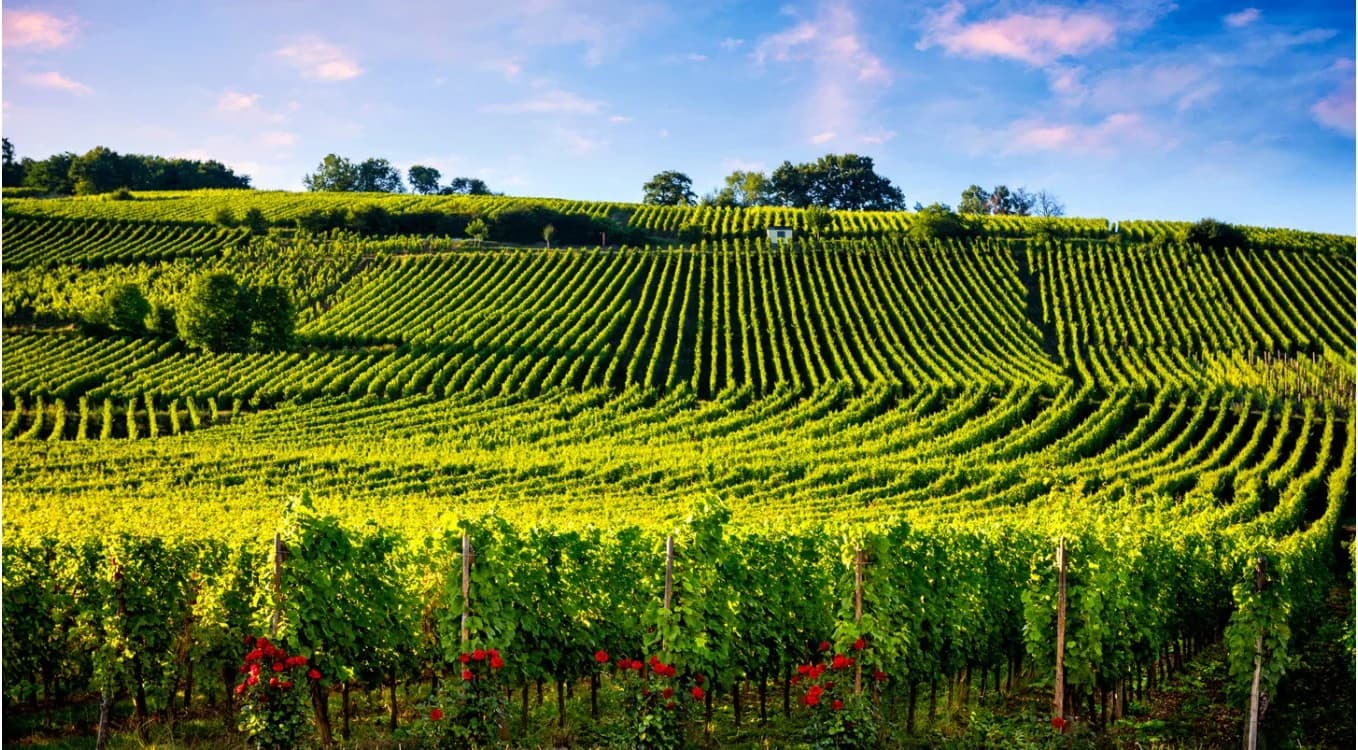
Champagne viticulture is a matter of precision and passion, where every detail counts. Two particular techniques play a crucial role in the production of these world-renowned sparkling wines: massal selection and clonal selection.

La Sélection Massale

Massal selection is a traditional technique that consists of identifying the vines bearing the best fruit. These plants are then used for propagation, ensuring that desirable characteristics are retained in future generations of vines. This method preserves genetic diversity within the vineyard, which is essential for wine resilience and complexity. In Champagne, this technique has enabled winemakers to produce wines with a variety of flavors and aromas that reflect the region's unique terroir.

Clonal Selection

Clonal selection, on the other hand, involves reproducing vine plants from a single individual, or clone. This technique ensures optimum sanitary quality and uniformity in the vineyard.

In Champagne, around 50 clones of the three Champagne grape varieties (Pinot Noir, Pinot Meunier and Chardonnay) have been approved after several decades of selection work. These clones are pre-multiplied by the Comité Interprofessionnel du Vin de Champagne (CIVC), which also distributes certified grafts.

Impact on Wine

These two selection techniques have a direct impact on the quality of Champagne wine. Massal selection contributes to the complexity and diversity of flavors, while clonal selection ensures consistent quality.

Ultimately, massal and clonal selection in Champagne is a perfect example of how science and tradition can work together to create something truly exceptional.