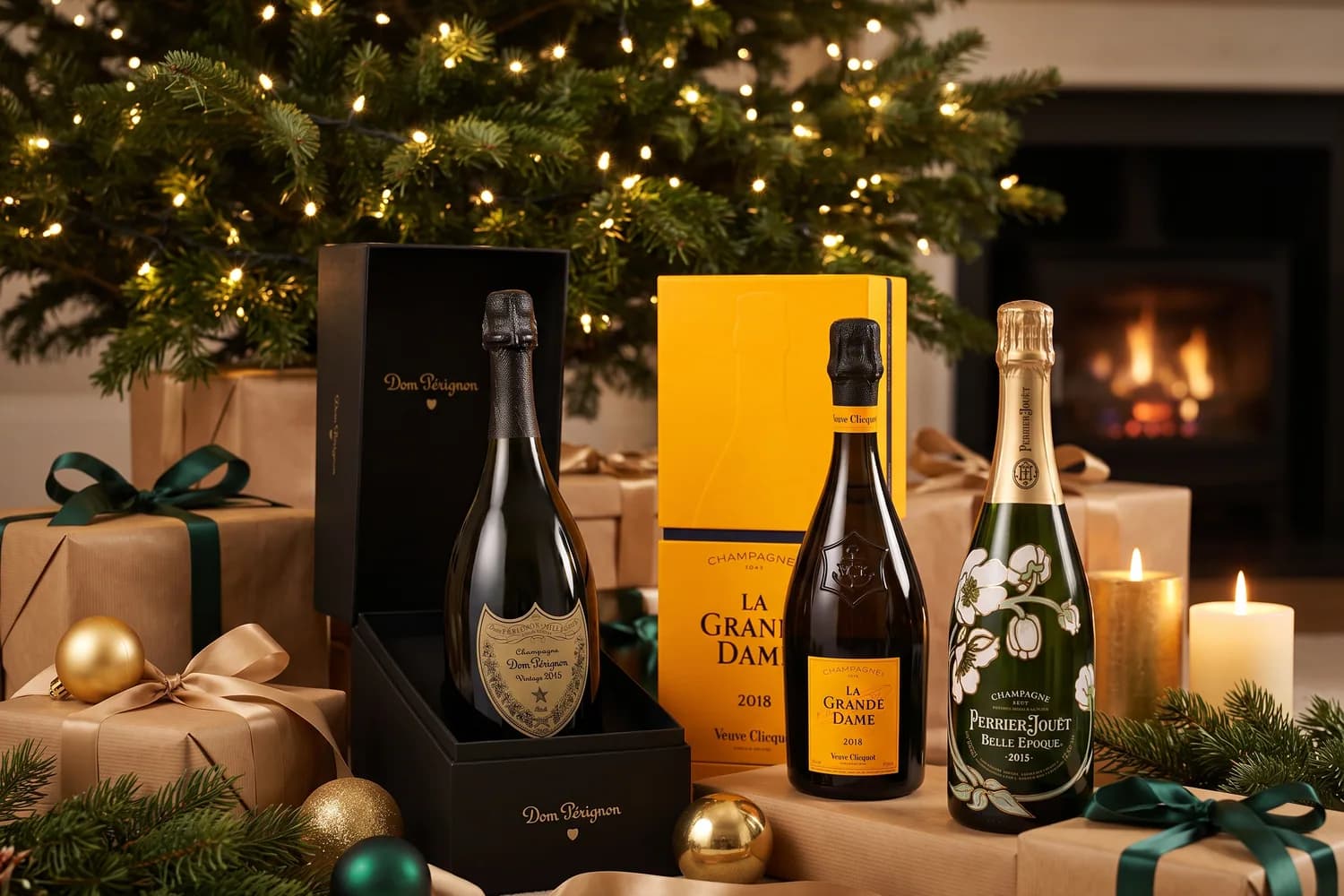
Get a €40 discount on purchases of €600 or more, and a €100 discount on purchases of €1,200 or more of champagne on participating items (excluding shipping costs)
Get a €40 discount on purchases of €600 or more, and a €100 discount on purchases of €1,200 or more of champagne on participating items (excluding shipping costs)


Our champagnes
Contact
Gems of Champagne
6 rue Henri Warnier - 51500 TAISSY
Tel: 06 72 17 49 65
contact@pepites-en-champagne.fr
Facebook · Instagram · LinkedIn
6 rue Henri Warnier - 51500 TAISSY
Tel: 06 72 17 49 65
contact@pepites-en-champagne.fr
Facebook · Instagram · LinkedIn

The sale of alcoholic drinks to minors under the age of 18 is prohibited.
Proof that the purchaser is of legal age is required at the time of online purchase.
PUBLIC HEALTH CODE. SECTIONS L.3342-1 AND L.3353-3
Proof that the purchaser is of legal age is required at the time of online purchase.
PUBLIC HEALTH CODE. SECTIONS L.3342-1 AND L.3353-3
ALCOHOL ABUSE IS HAZARDOUS TO YOUR HEALTH; PLEASE DRINK IN MODERATION
Breathalysers are available for sale on this website. Alcohol is a factor in 1 in 3 fatal accidents.
To find out if you’re fit to drive, check your blood alcohol level.
© Pépites en Champagne — id design
Breathalysers are available for sale on this website. Alcohol is a factor in 1 in 3 fatal accidents.
To find out if you’re fit to drive, check your blood alcohol level.
© Pépites en Champagne — id design