Introduction to food and wine pairing
Food and wine pairing is a subtle art that, when properly mastered, can profoundly enrich the culinary experience. Our taste buds are made to appreciate the harmony between the flavors of food and wine. Choosing the right wine to accompany a meal not only enhances the taste of the food, but also creates a symphony of flavors that delights the senses.
In this article, I'll guide you through the mysteries of pairing food with white wine and Champagne. Whether you're a novice or a seasoned connoisseur, you'll find practical advice on how to enhance your meals with these two types of wine. By exploring their characteristics together, you'll discover the best dishes to accompany them.
What is white wine?
White wine is a beverage made from white or black grapes with white juice. Unlike red wines, it does not undergo maceration with the grape skins, giving it a light color ranging from pale yellow to intense golden.
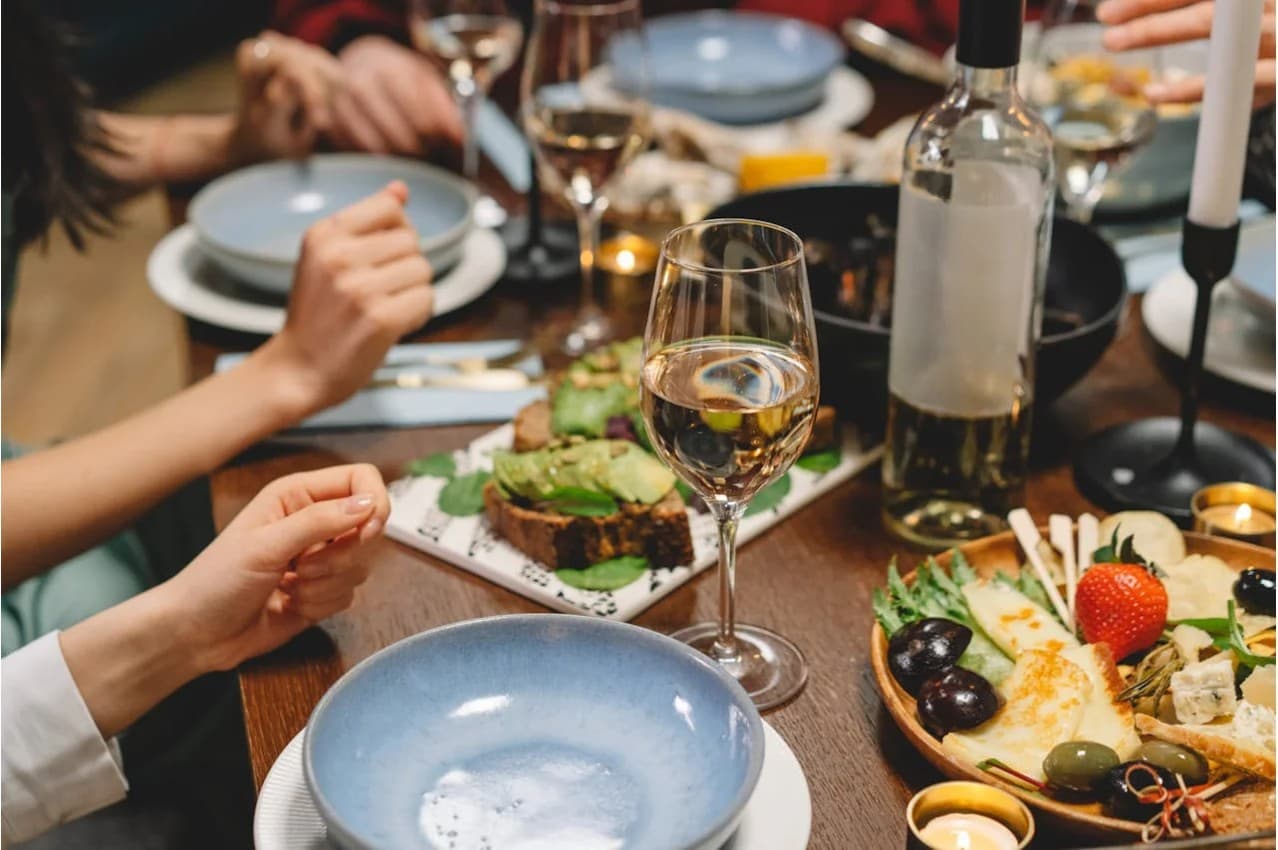
The diversity of white wines allows for great culinary flexibility. A dry white wine, such as a Sauvignon Blanc, is ideal for light dishes. Conversely, a fuller-bodied Chardonnay goes perfectly with rich dishes such as poultry in sauce.
Discover a fine selection here: Sommellerie de France
The different types of white wine
White wines fall into several categories:
Dry: lively acidity, citrus aromas (Sauvignon, Muscadet)
Demi-dry: balance between sweetness and acidity (Riesling, Chenin)
Moelleux: rich, sweet and perfect for desserts (Montbazillac, Sauternes)
Liquorous: highly concentrated, perfect with blue cheeses or sweet-savory dishes
To discover: Best sweet white wine
Dishes to pair with white wine
Here are a few examples of successful pairings:
Seafood: Muscadet, Albariño
Grilled fish: Unwooded Chardonnay
Vegetarian dishes: Sauvignon Blanc
Asian cuisine: Riesling demi-sec or Gewürztraminer
Soft cheeses: mellow Chenin
Champagne: a festive drink with many faces
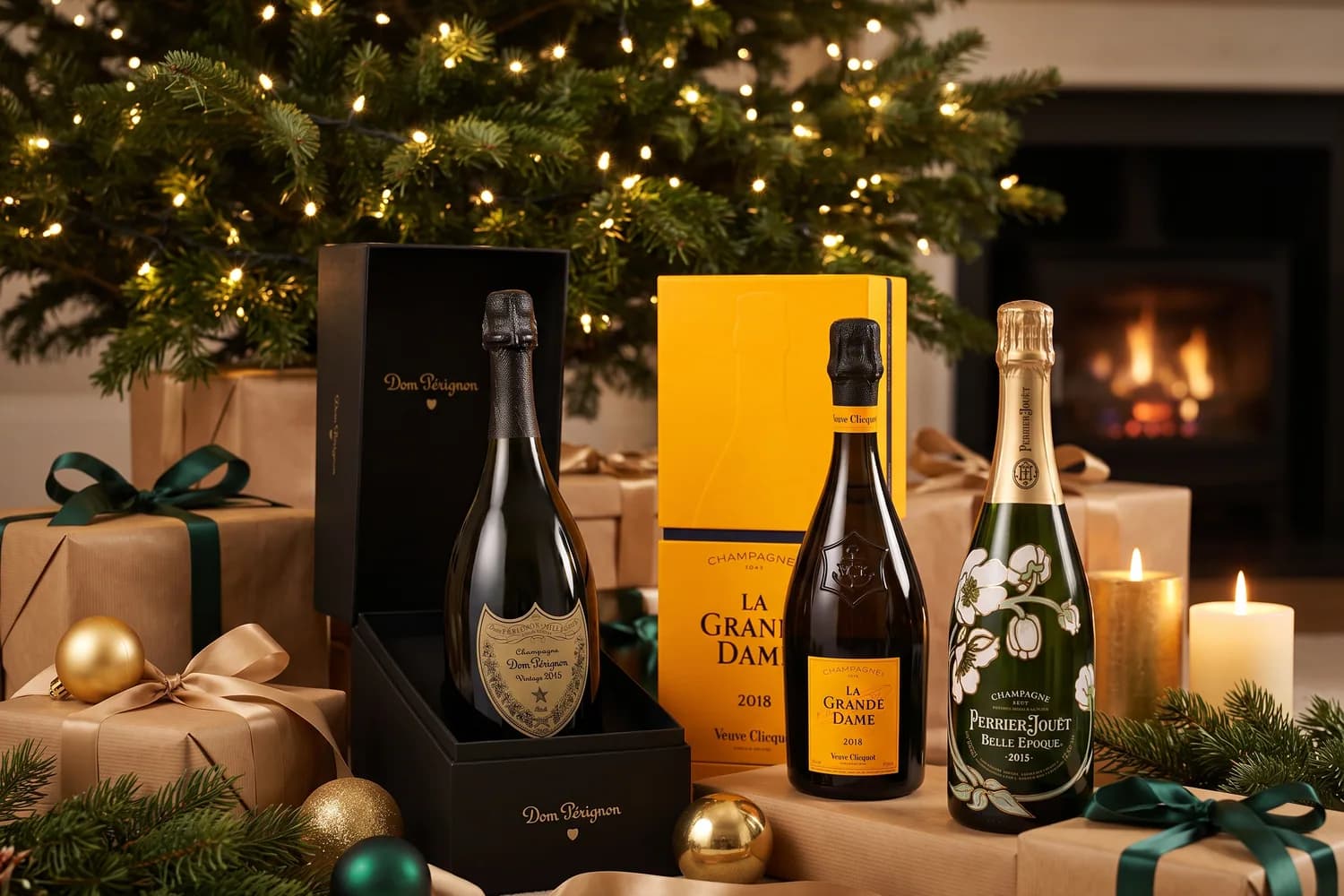
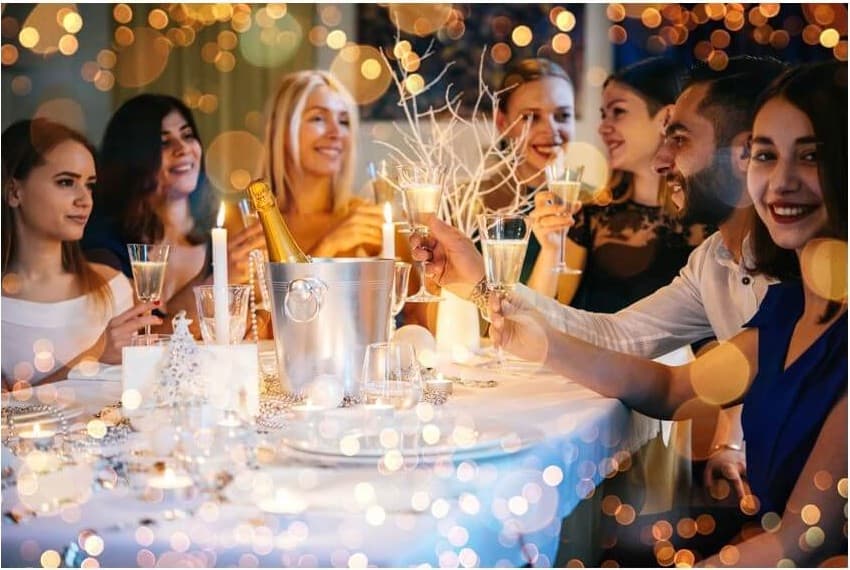
Champagne, a symbol of celebration and luxury, is made according to the méthode champenoise. Its bubbles, freshness and complex aromas set it apart from the rest, and make it capable of sublimating much more than foie gras toast.
There are several types of Champagne:
Dishes to pair with Champagne
Some ideal food pairings:
Oysters and seafood: Champagne brut
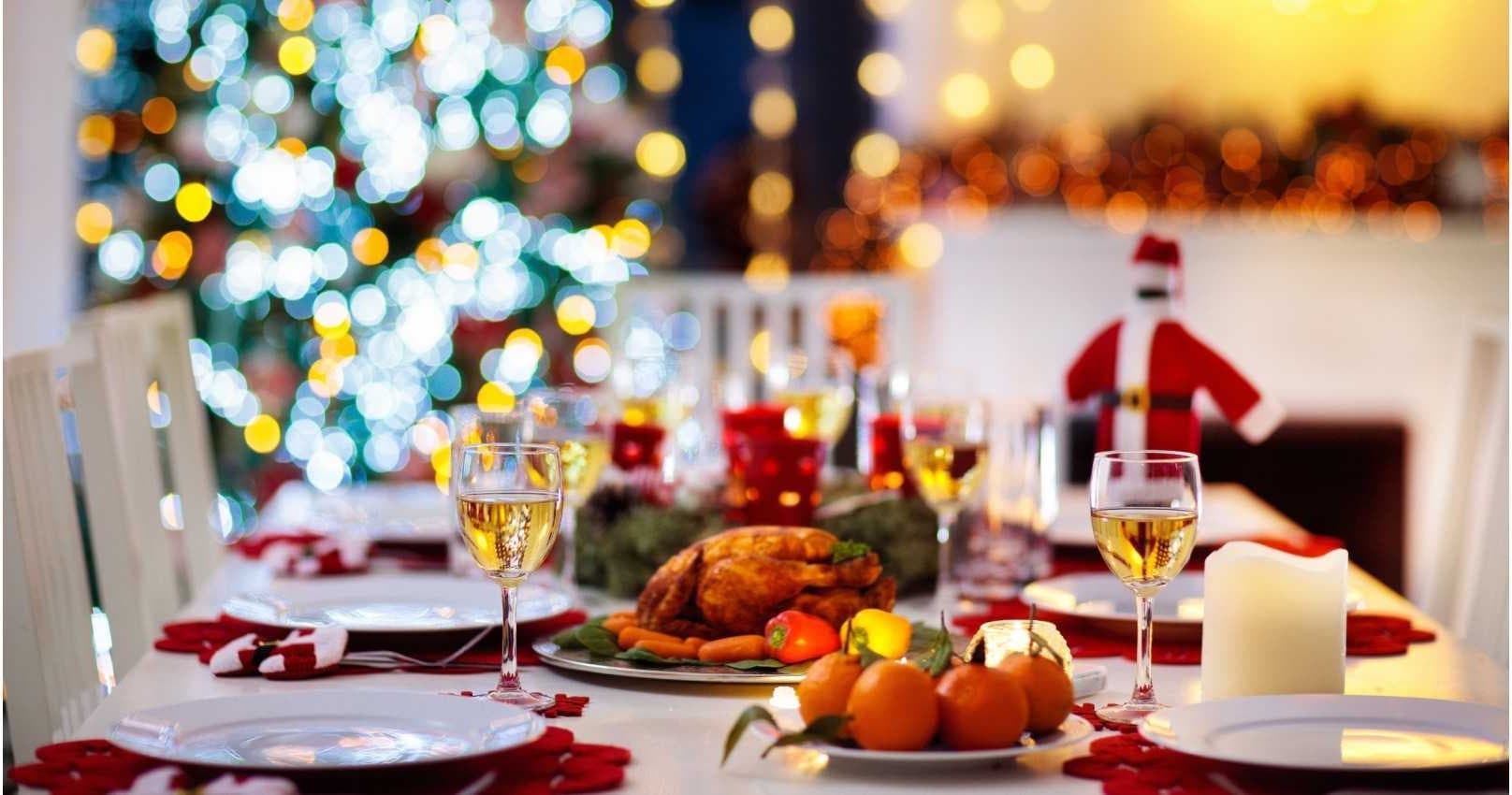
Roast poultry: Champagne blanc de blancs
Foie gras: Champagne demi-sec
Hard cheese: vintage Champagne
Red fruit desserts: Champagne rosé
The fundamentals of food and wine pairing
Balancing weights: light wine with light dish
Harmonizing acidity: a lemon sauce with an acidic wine
Matching aromas: floral wine with a spicy dish, buttery wine with poultry
Tips for successful wine and food pairing
Always taste the wine before pairing
Adapt your pairings to the context (lunch with friends, formal dinner)
Dare to think outside the box
Common mistakes to avoid
Food and wine pairing FAQs
1. Can I drink white wine with cheese?
Absolutely. A sweet or dry white wine goes very well with certain cheeses, especially goat's or blue-veined.
2. Is Champagne reserved for aperitifs?
No. Champagne can be served from starter to dessert, depending on its style (brut, demi-sec, rosé).
3. Which white wine goes best with fish in sauce?
A lightly oaked Chardonnay is ideal, as it provides the necessary structure without masking the aromas of the dish.
4. Can I pair a white wine with a spicy dish?
Yes, especially off-dry wines like Riesling or Gewürztraminer, which balance out the spiciness.
5. How do I choose a white wine for a mixed salad?
A Sauvignon Blanc, with its herbaceous notes and freshness, goes very well with crunchy vegetables.
6. Should Champagne always be served chilled?
Yes, between 8 and 10°C to enjoy its aromas without altering the bubbles.
Conclusion: Perfect harmony between food and wine
Achieving the perfect harmony between food and wine is a question of balance, listening and experimentation. White wine and Champagne offer an infinite palette of pairings for every type of dish and every moment of conviviality.
By applying the fundamental principles of pairing, avoiding common mistakes and exploring new avenues, you'll transform every meal into a rewarding sensory experience. Never forget: the best match is the one you like!