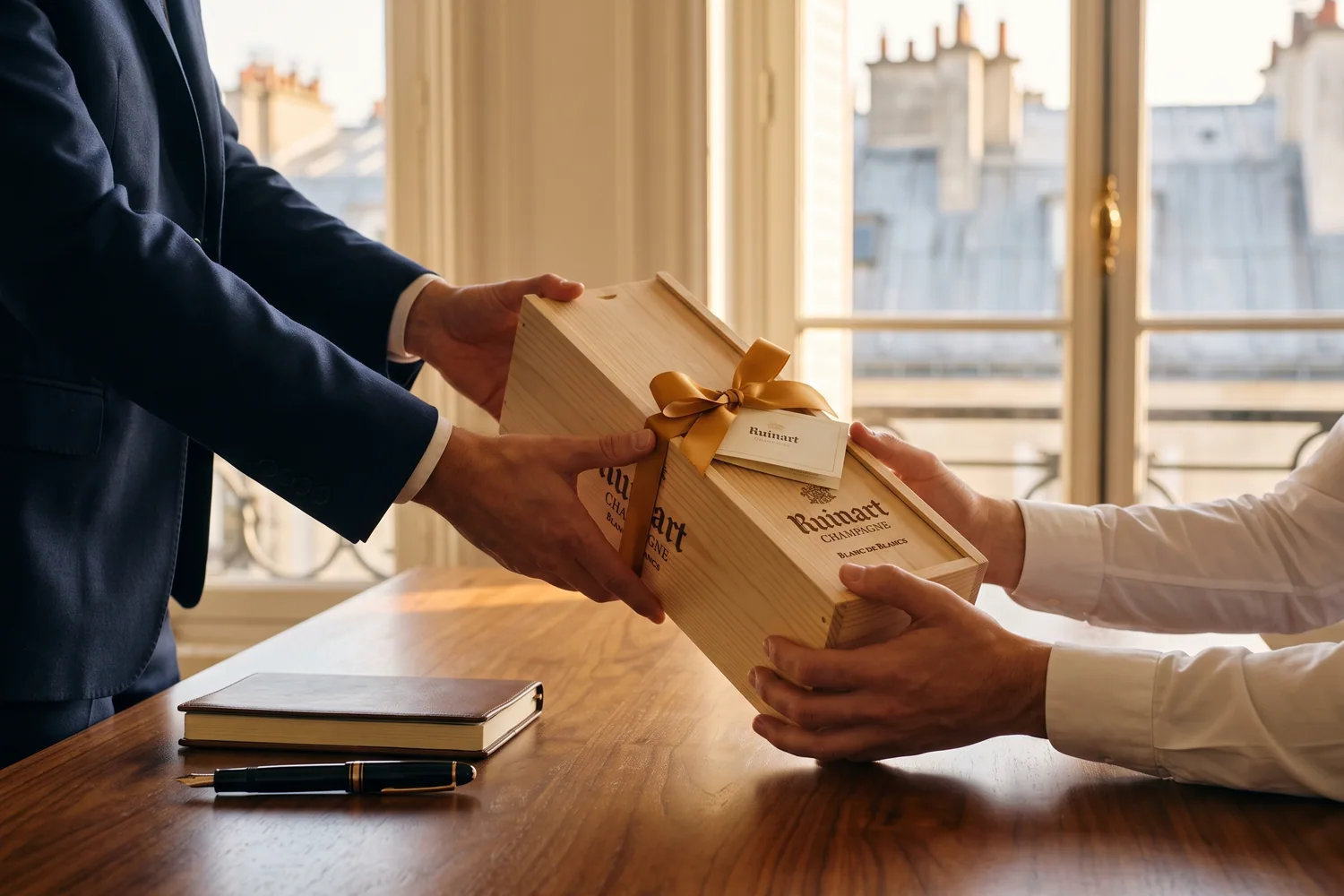
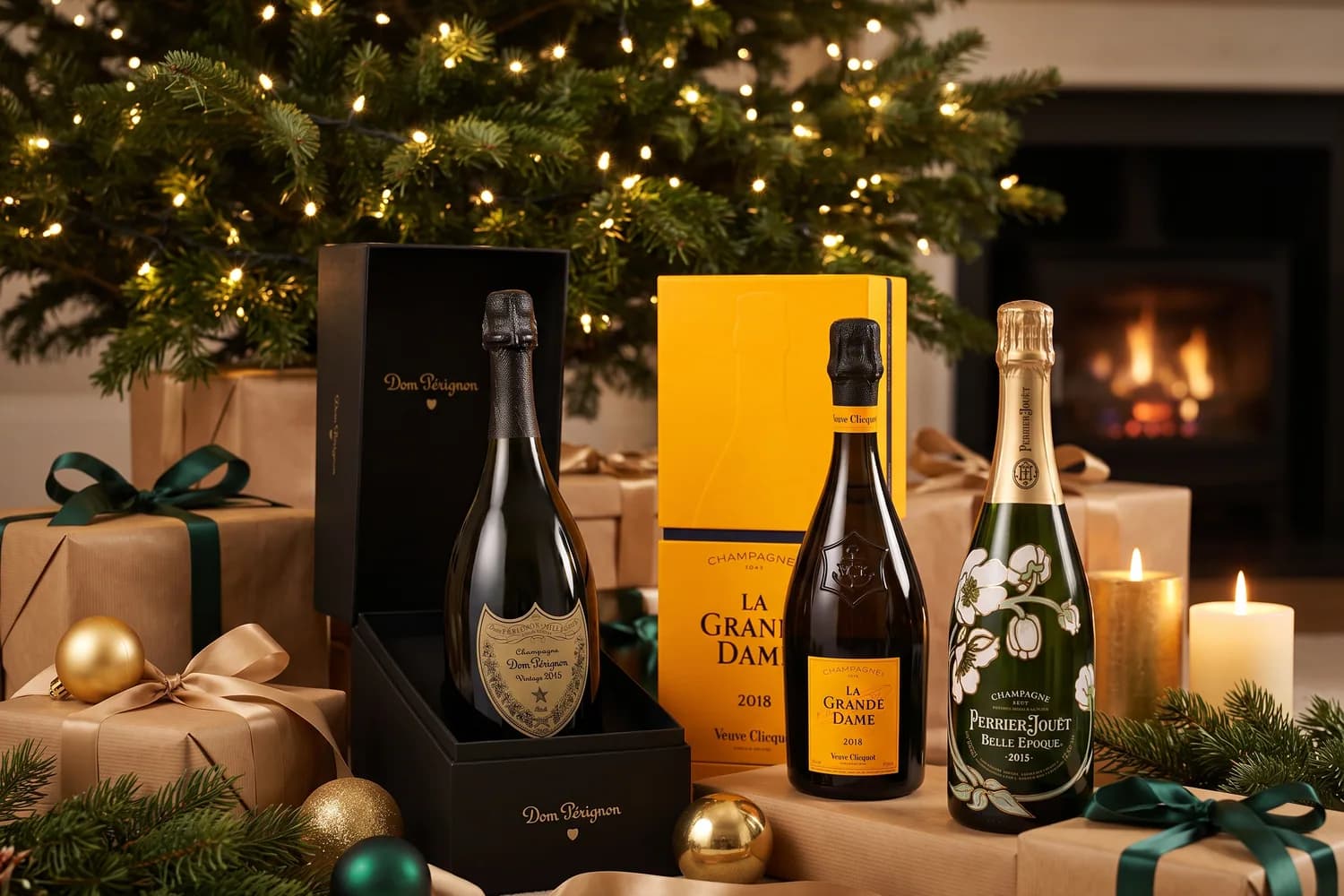
Champagne is a beverage synonymous with celebration and refinement. In Switzerland, wine culture is highly developed, and lovers of fine bubbles seek out specialists capable of offering them the very best bottles. For those wishing to discover an exceptional selection, it is possible to turn to a champagne specialist in Switzerland, who offers a varied range of grands crus. These experts give connoisseurs access to exceptional champagnes, from prestigious vintages to small, artisanal productions offering unique flavors.
The Criteria for Champagne Excellence
A good champagne is distinguished by several essential criteria:
Terroir: France's Champagne region is delimited by an appellation d'origine contrôlée (AOC), guaranteeing strict production conditions. Its chalky soil gives the wine its exceptional minerality and balance.
Grape varieties: The main grape varieties used are Chardonnay, Pinot Noir and Pinot Meunier. Each contributes distinct characteristics: the finesse and freshness of Chardonnay, the structure and power of Pinot Noir, and the roundness of Pinot Meunier.
The méthode champenoise: Bottle fermentation develops the characteristic fine bubbles. This technique, also known as the "traditional method", gives champagne its unique texture and lingering finish.
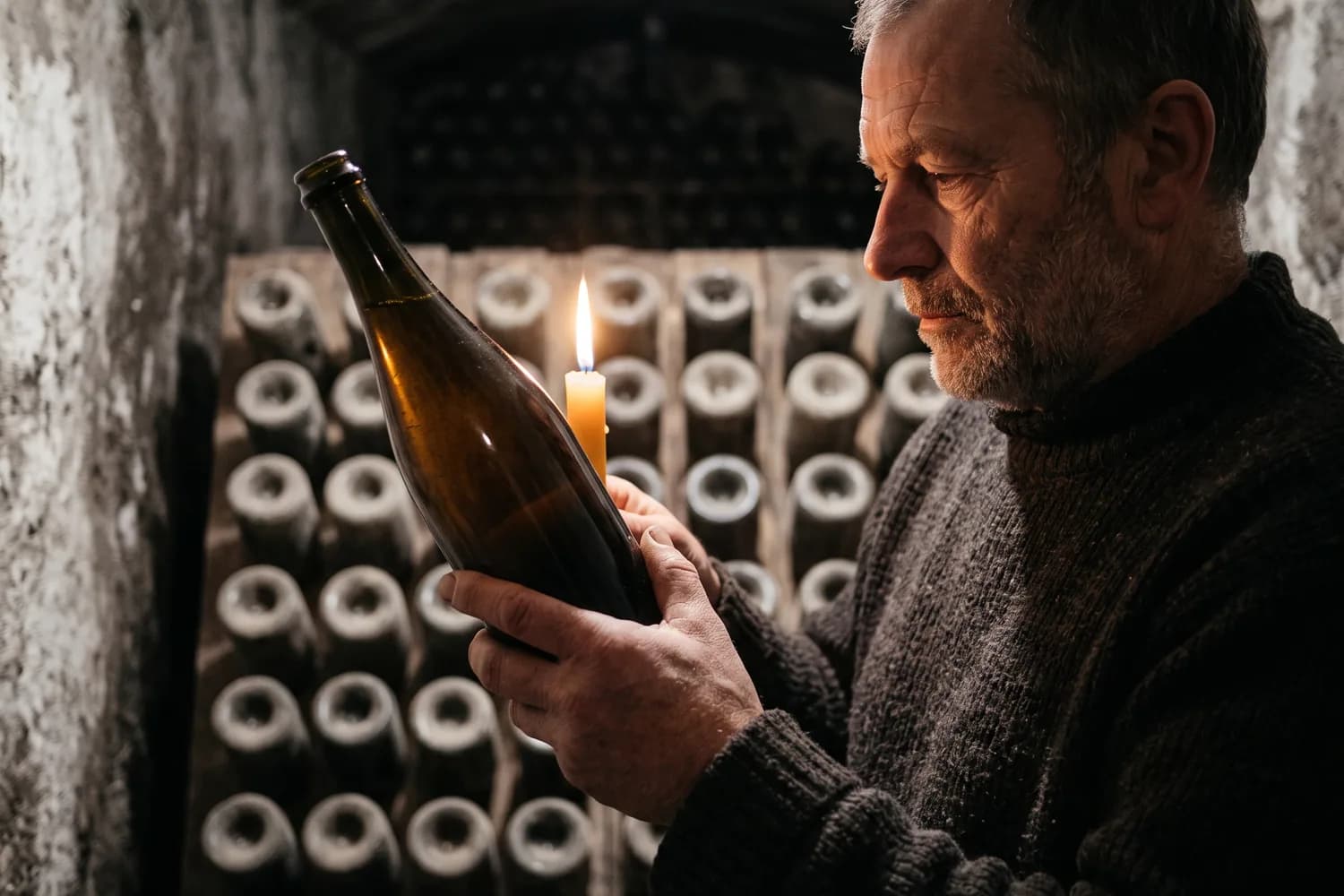
Ageing:The longer a champagne ages, the more complex and subtle its aromas become. The great champagne houses often use prolonged aging to refine their cuvées and offer incomparable aromatic depth.
Working on a wine estate: a passion turned into a profession
The wine industry attracts many enthusiasts wishing to invest in the production and marketing of prestige wines. This sector demands specialized know-how, in-depth knowledge of grape varieties and winemaking techniques, and an ability to understand market demands. Wine professionals must combine tradition and innovation to offer ever higher quality products.
To find out more about the qualifications needed to work in a winery, visit explorateurs-de-vins.coma site dedicated to wine professions and their professional requirements. Whether you want to become a winemaker, sommelier or wine merchant, these professions offer varied and exciting prospects.
Champagne with seasonal dishes
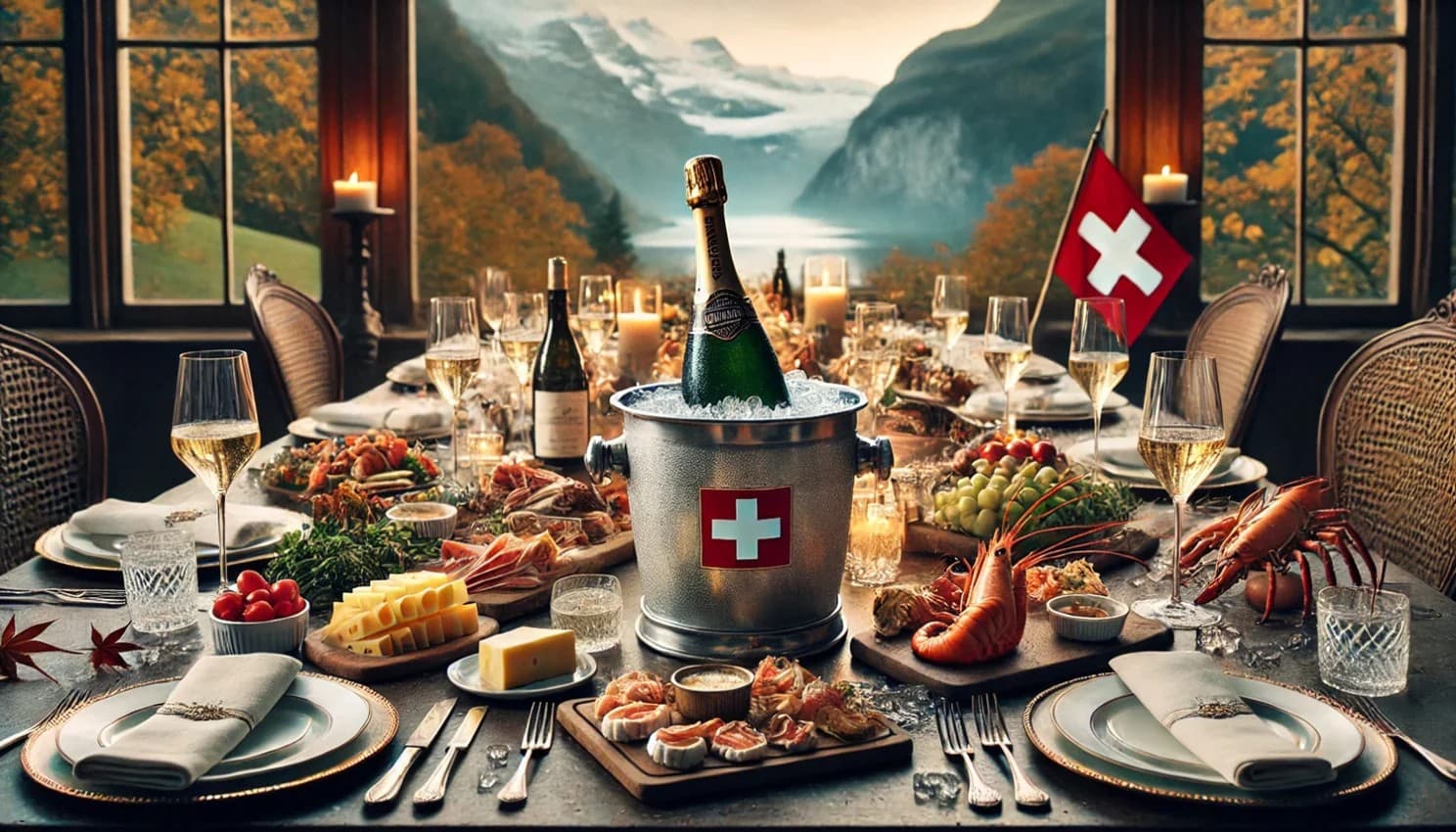
Autumn offers a variety of flavors that pair perfectly with champagne. This season is conducive to subtle food and wine pairings, where the bubbles underscore the richness of the dishes. For example:
Champagne Blanc de Blancs and seafood: The freshness and minerality of Chardonnay go perfectly with oysters, smoked salmon or scallop carpaccio.
Champagne Rosé and white meats: Its light tannic structure is the perfect accompaniment to dishes such as veal filet mignon with mushrooms or roast poultry.
Vintage Champagne and cheese: An evolved Champagne with aromas of hazelnut and brioche will go well with ripe Comté cheese, Parmesan or truffled Brie.
Food lovers can discover more subtle pairings by consulting lacuisinedefabrice.fr, which offers ideas for harmonizing bubbles with seasonal dishes. When properly mastered, these pairings enhance each tasting experience and allow you to discover champagne in a whole new light.
Champagne, a Tradition in Constant Renewal
Despite its historical roots, champagne continues to evolve in line with new trends. Producers are innovating by offering cuvées that are more respectful of the environment, with organic or biodynamic viticultural practices. In addition, sparkling wine lovers are increasingly turning to extra-brut or "zero dosage" champagnes, offering a purer, more authentic expression of terroir.
Conclusion
Champagne is an exceptional beverage that can be enjoyed on any occasion. Whether you're looking to buy from a recognized specialist in Switzerland, considering a career in the wine industry, or pairing it with refined dishes, there are many resources available to deepen your knowledge and enhance your tastings. In its perpetual quest for quality and innovation, the world of champagne offers a fascinating universe to explore and enjoy.