

Get a €40 discount on purchases of €500 or more, and a €100 discount on purchases of €1,000 or more of champagne (excluding shipping costs)
Logo of the Beaugrand Champagne House

Champagne Beaugrand — A winemaker from Montgueux, with four generations of experience on the chalky soils


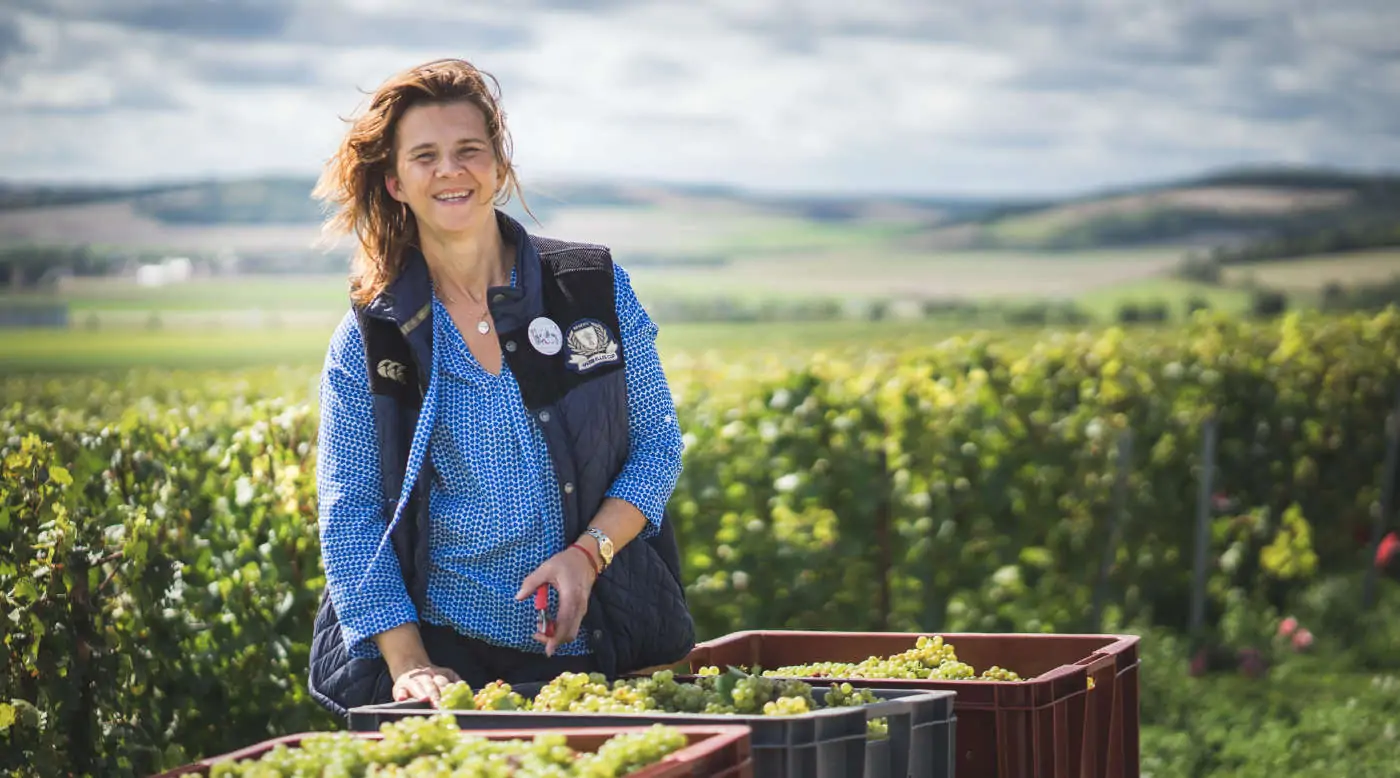
At the top of Montgueux hill, ten kilometres from Troyes, Turonian chalk and flint give rise to Champagnes of rare distinction. It is on these soils that Montgueux has forged its reputation as the ‘Montrachet of Champagne’ — a south-facing terroir coveted even by the greatest Champagne houses. Hélène Beaugrand, the fourth generation of a winemaking family established since 1919, founded her own ‘récoltante-manipulante’ brand in 2018 to express, without compromise, the identity of these 3 hectares of vines, all at least 45 years old. With long ageing on lees (over 36 months), dosages close to zero, and HVE 3 certification, her cuvées have been awarded 92 to 93 points by James Suckling and 92 points by Wine Spectator, confirming the international stature of a resolutely artisanal estate.
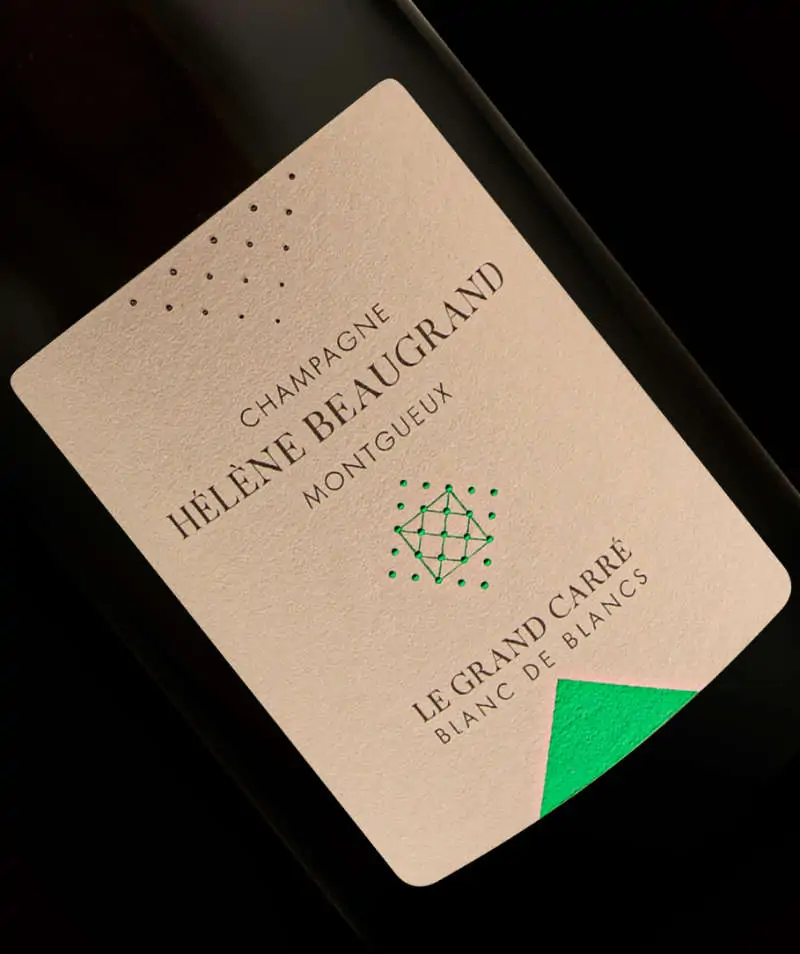
Buy Beaugrand champagnes online


Beaugrand Montgueux Champagne

The Beaugrand vintages — Six expressions of the limestone terroir


The range centres on Montgueux Chardonnay. Le Grand Carré comes in two iconic styles: Extra Brut (1 g/l) for crispness and freshness, and Brut Nature (0 g/l) for absolute purity — both ideal with oysters, scallops or a fine fish in a light sauce. Derrière la Cabane Extra Brut (3 g/l), from a more structured mid-slope plot, pairs beautifully with turbot in a beurre blanc sauce or delicate poultry. The Rosé Henriette Extra Brut (Pinot Meunier and Pinot Noir) comes into its own with a cheese from the Aube region, wild strawberries or pan-fried foie gras. Particules Élémentaires Brut (Chardonnay and Pinot Noir, 5 g/l) and the 2018 vintage Au Cœur des Racines (100% Chardonnay, 2 g/l) complete the range for special occasions and gourmet dining.

Served at between 8 and 10 °C in a tulip or Burgundy glass to reveal their mineral and exotic fruit aromas, these extra brut cuvées are best enjoyed within 3 to 5 years of disgorgement. The 2018 Au Cœur des Racines vintage has an ageing potential of a decade after release.

Discover the full Hélène Beaugrand range at Pépites en Champagne — artisanal selection, expert advice, insulated packaging and careful delivery throughout France and Europe.

Beaugrand — A century of vineyards on Turonian chalk


Founded in 1919 by Gustave Beaugrand, the estate has been passed down from generation to generation on the hillside of Montgueux, an unusual terroir in the Aube region where the Turonian chalk and flint soils produce Chardonnays with a distinctive minerality. In 2018, Hélène Beaugrand, representing the fourth generation, took a decisive step: she launched her own ‘récoltante-manipulante’ brand, selecting the family’s three finest hectares to produce cuvées entirely crafted under her supervision, from vine to bottle. The Rosé Henriette, a delicate cuvée named in honour of her grandmother, keeps the family legacy alive in every glass.

In the cellar, the philosophy is one of absolute respect for the terroir: ageing for a minimum of 36 months on lees, dosages ranging from 0 to 5 g/l depending on the cuvée, and vines at least 45 years old that draw deeply from the chalk to deliver complexity and minerality. The HVE 3 (High Environmental Value) certification reflects a commitment to sustainable viticulture, in keeping with the unique character of a vineyard that the great Champagne houses have long sought to acquire.

Hélène Beaugrand Champagne

Your questions about Beaugrand champagnes


How much does a bottle of Hélène Beaugrand champagne cost?
Hélène Beaugrand’s wines are produced in limited quantities from 3 hectares of old vines, with a minimum ageing period of 36 months and carefully controlled yields. Their prices reflect this commitment to artisanal quality and the international accolades they have received (James Suckling, Wine Spectator). Find the latest prices directly on the product pages at Pépites en Champagne.
What food and wine pairings go well with Beaugrand champagnes?
Le Grand Carré Brut Nature and Extra Brut (100% Chardonnay, no dosage or 1 g/l) are the perfect accompaniment to oysters, scallops and fine fish. Derrière la Cabane Extra Brut pairs beautifully with delicate poultry or turbot in a beurre blanc sauce. The Rosé Henriette pairs well with cheeses from the Aube region and red berries. The 2018 vintage Au Cœur des Racines deserves a dish from Troyes’s fine culinary tradition — grilled andouillette, Reims ham or Chaource.
How should Hélène Beaugrand champagne be stored and served?
Serve at between 8 and 10 °C in a tulip or Burgundy glass to bring out Montgueux’s siliceous minerality and exotic aromas. Store away from light at between 12 and 14 °C, with bottles laid on their sides. The Extra Brut and Brut Nature are best enjoyed within 3 to 5 years of disgorgement; the 2018 Au Cœur des Racines vintage can be cellared for up to a decade.
Where can I buy Beaugrand champagne in France?
Discover the full Hélène Beaugrand range at Pépites en Champagne — a selection of artisan products, expert advice and express delivery throughout France and Europe.
Why does Montgueux attract the leading Champagne houses, and what sets Hélène Beaugrand apart?
The Montgueux hillside has long supplied its grapes to the leading Champagne houses, including Krug and Bollinger, who are drawn to the exceptional quality of its Chardonnays grown on Turonian chalk. When she launched her own brand in 2018, Hélène Beaugrand chose to reserve this rare terroir for her own winemaking — a valuable act of independence in a sector dominated by wine merchants, ensuring that every bottle faithfully expresses the family’s terroir.
What is the difference between a Montgueux champagne and a Blanc de Blancs from the Côte des Blancs?
Montgueux and the Côte des Blancs both have Chardonnay as their dominant grape variety, but differ in terms of their geology. The Côte des Blancs (Cramant, Avize, Le Mesnil-sur-Oger) lies on belemnite chalk; whilst Montgueux rests on softer Turonian chalk intermixed with flint, with a pronounced south-facing aspect. The result is more sun-drenched and exotic Blancs de Blancs, characterised by a distinctive flinty minerality and a recognisable salinity.