Get a €40 discount on purchases of €500 or more, and a €100 discount on purchases of €1,000 or more of champagne (excluding shipping costs)
Champagne Billecart-Salmon logo

Billecart-Salmon Champagne — Seven generations of Champagne finesse


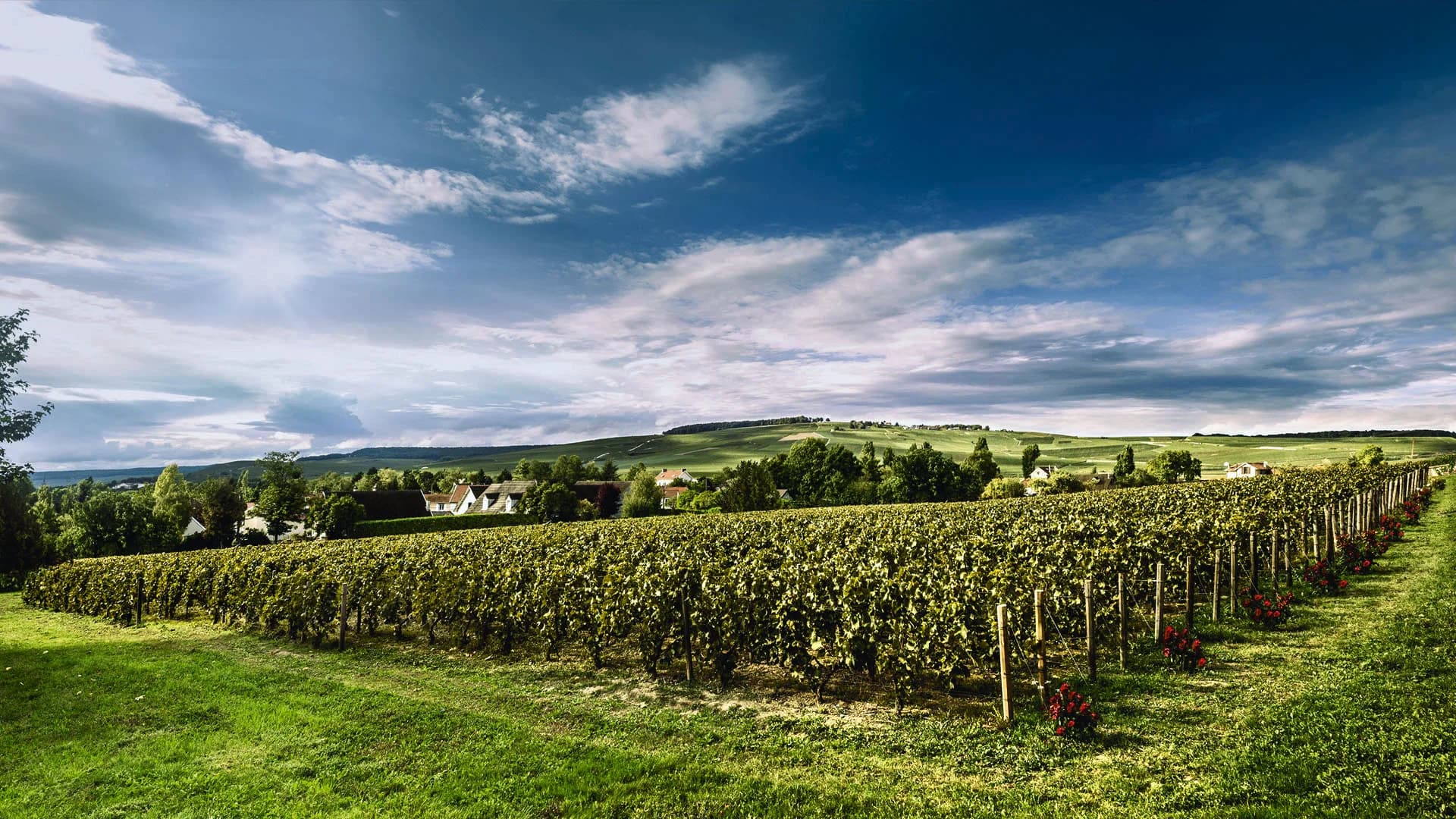
Founded in 1818 in Mareuil-sur-Aÿ by Nicolas François Billecart and Élisabeth Salmon, Billecart-Salmon embodies seven generations of exceptional champagnes. Under the leadership of Mathieu Roland-Billecart, the seventh of that name, and his cellar master Florent Nys, the house upholds a unique vision: that of artisanal precision in the service of freshness. One hundred hectares of vineyards spread across forty Champagne crus — Montagne de Reims, Côte des Blancs, Vallée de la Marne — on clay-limestone soils make up its own vineyard. Low-temperature fermentation and cold settling, practised since 1958, are the house’s hallmark. Certified HVE and Viticulture Durable Champagne, Billecart-Salmon is committed to an exemplary approach, including the reintroduction of draught horses and sheep into the vineyards.

Buy Billecart-Salmon champagnes online
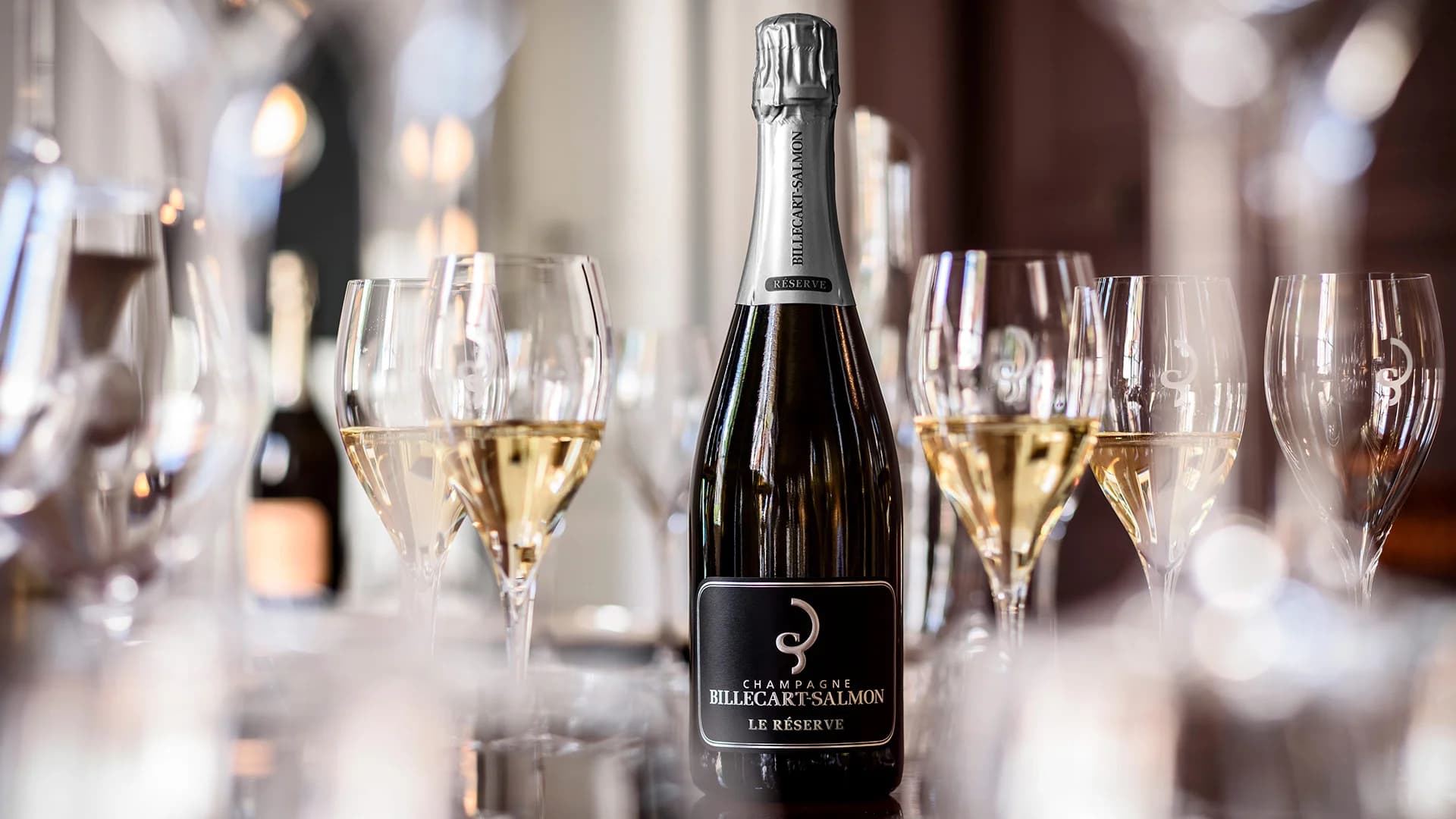

Billecart-Salmon — Brut Réserve

The Billecart-Salmon cuvées — From Brut Rosé to the prestigious grand cuvées


The Billecart-Salmon range covers the full spectrum of Champagne styles. The highly versatile Brut Réserve (from €40) is ideal with aperitifs and seafood platters. The elegant and refined Brut Rosé comes into its own with roast poultry or strawberries for dessert. The Blanc de Blancs, with its distinct Chardonnay minerality, perfectly complements oysters and langoustines. The prestige cuvées — Nicolas François Billecart, Élisabeth Salmon and the exclusive Clos Saint-Hilaire (up to €260+) — reveal their full complexity when paired with lobster, scallops or mature cheeses with character.

These champagnes should be served at between 8 and 10 °C in a tulip-shaped glass, which preserves their finesse and effervescence. Non-vintage cuvées are best enjoyed as soon as they are released; great vintage cuvées benefit from being cellared for five to ten years at 12 °C, away from light and vibrations.

Discover the Billecart-Salmon selection at Pépites en Champagne — expert advice, carefully packaged, with express delivery across France and Europe for every occasion.

Billecart-Salmon — Two centuries of independent family ownership


Nicolas François Billecart and Élisabeth Salmon joined forces to found their house in 1818, in Mareuil-sur-Aÿ. Seven generations later, Mathieu Roland-Billecart is at the helm of a house that has remained resolutely independent, embodying the family’s vision in every decision relating to winemaking. The estate’s own vineyards cover 100 hectares across 40 Champagne crus, stretching from the limestone soils of the Côte des Blancs through the Marne Valley to the deep terroirs of the Montagne de Reims.

Florent Nys, cellar master since 2005, upholds a philosophy of precision: low-temperature fermentation, cold settling — techniques introduced as early as 1958 — and partial ageing in oak barrels since 2010. This rigour gives rise to champagnes of remarkable freshness and finesse, recognised in 1999 when the 1959 vintage was named ‘Champagne of the Millennium’.

Billecart-Salmon Le Clos Saint-Hilaire

Your questions about Billecart-Salmon champagnes


What are the prices of the various Billecart-Salmon cuvées?
Prices range from around €40 for the Brut Réserve to over €260 for the Clos Saint-Hilaire or the Élisabeth Salmon in great vintages. The Brut Rosé is priced between €50 and €80, whilst the Nicolas François Billecart cuvée ranges from €80 to €120 depending on the vintage, offering remarkable value for money in terms of quality and prestige.
What food and wine pairings go well with Billecart-Salmon champagne?
Brut Réserve is ideal as an aperitif or with seafood. Brut Rosé pairs well with roast poultry, smoked salmon or strawberries with pepper. The Blanc de Blancs brings out the best in oysters and grilled langoustines. The prestige cuvées Nicolas François and Élisabeth Salmon reveal their complexity when paired with lobster, scallops or mature cheeses with character.
How should Billecart-Salmon champagne be served and stored?
Serve at between 8 and 10 °C in a good-quality tulip or flute glass. Non-vintage cuvées are best enjoyed within two to three years. The great vintage cuvées (Nicolas François, Élisabeth Salmon) can be cellared for five to ten years at 12 °C, away from light and vibrations.
Where can I buy Billecart-Salmon champagne online?
Discover the full Billecart-Salmon range at Pépites en Champagne — an artisanal selection, expert advice and express delivery throughout France and Europe.
Does Billecart-Salmon belong to a large group, or is it still an independent family-run business?
Billecart-Salmon is one of the few major Champagne houses that remains independent. Since 1818 and across seven successive generations, it has never been sold to a conglomerate. It is this freedom that allows Mathieu Roland-Billecart to make bold choices: HVE certification, the reintroduction of draught horses to the vineyards, and sustainable viticulture — without the pressure of short-term profitability.
Which Billecart-Salmon vintage should you choose as a gift or for a special occasion?
For a prestigious gift, the Élisabeth Salmon or the Nicolas François Billecart are the obvious choices: complex blends, exceptional vintages, and elegant presentation. To introduce a novice to champagne, the Brut Rosé offers the perfect balance between freshness and fruitiness. For chardonnay enthusiasts, the Blanc de Blancs is the ideal choice for a gourmet meal.

About

Champagne Billecart-Salmon — the essentials

Founded in
1818
Founder
Nicolas François Billecart et Elisabeth Salmon
House / owner
Roland-Billecart (7ème génération — Mathieu Roland-Billecart)
Location
Ay-Champagne
Vineyard
100 ha en propre ; 300 ha total sur 40 crus
Grape varieties
Pinot Noir, Chardonnay, Pinot Meunier
Cellar master
Florent Nys (depuis 2005)
Distinctions
HVE (Haute Valeur Environnementale), VDC (Viticulture Durable Champagne), Millésime 1959 élu « Champagne du Millénaire » en 1999, Réintroduction des chevaux de trait et moutons en vignoble
Cuvées
Brut Rosé