

Champagne Fleury — Champagne’s first biodynamic winemaker
Set amidst the hillsides of Champagne, Champagne Fleury embodies a philosophy upheld since 1989: vineyards tended in harmony with nature produce champagnes of a sincerity and minerality found nowhere else. Founded in 1895 in Fleury-la-Rivière, the house is now run by the fourth generation — Jean-Sébastien, Morgane and Benoît Fleury — across 15 hectares certified as organic (Ecocert) and biodynamic (Demeter, Biodyvin). The vineyard is situated on Lutetian limestone soils formed 45 million years ago, cultivated according to the lunar calendar and using biodynamic preparations 500 and 501, without herbicides or pesticides. Named after musical works — Sonate, Boléro, Notes Blanches — the estate’s wines blend Pinot Noir, Pinot Blanc and Pinot Gris in a style of crystalline purity, with dosage reduced to the absolute minimum.
Buy Fleury champagnes online
The Fleury vintages — Music and terroir in a bottle
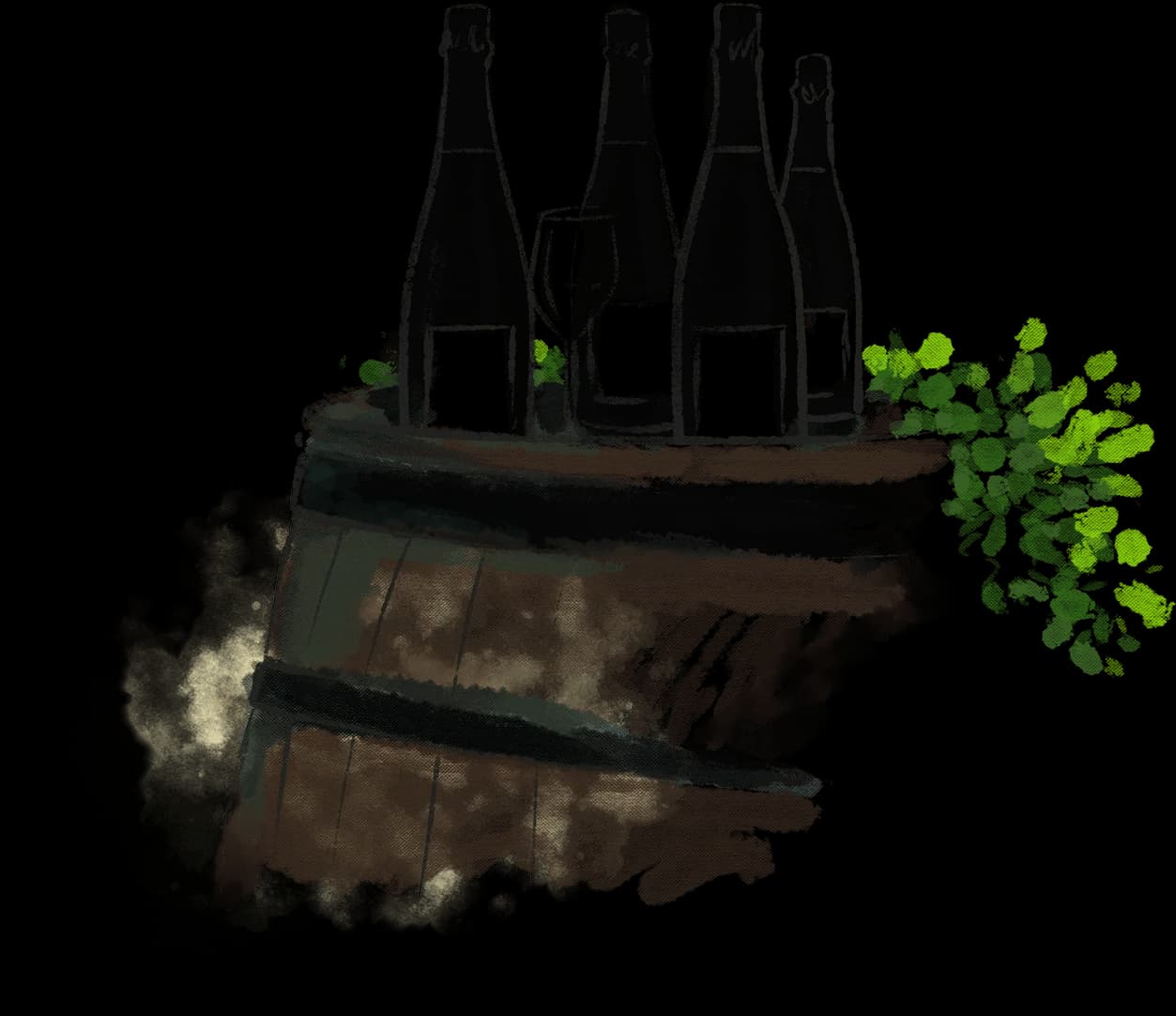
The Fleury range comprises seven signature cuvées, each named after a musical composition. La Fleur de l’Europe Brut Nature (85% Pinot Noir, 15% Chardonnay, no dosage) — Champagne’s first biodynamic cuvée — is ideal as an aperitif or with fine oysters and shellfish. The Blanc de Noirs Brut (100% Pinot Noir from Courteron), deep and elegant, pairs well with roast lobster or poultry with morel mushrooms. The Rosé de Saignée Brut, full-bodied and structured, complements fine charcuterie and strong-flavoured cheeses. The exclusive Notes Blanches Extra Brut — created by Morgane Fleury, the only 100 per cent Pinot Blanc in Champagne — perfectly complements scallops and fine fish. The vintage Boléro Extra Brut, also created by Morgane, pairs well with white meats and lightly sweetened desserts. The exclusive Variation Nature (100% Pinot Gris aged in oak) reveals an extraordinary aromatic palette when served with a platter of mature cheeses.
Fleury champagnes should be served at 8–10 °C in a tulip or flared glass — never in a flute that is too narrow, as this would stifle their aromatic complexity. Standard cuvées can be cellared for 3 to 5 years in a cool, dark cellar. The vintage champagnes — notably Boléro and Sonate — benefit from ageing for 8 to 12 years, developing deeply complex notes of truffle, wax and candied fruit.
Discover Fleury champagnes at Pépites en Champagne: an artisanal selection, expert advice and careful delivery throughout France and Europe.
Fleury — Pioneers of biodynamics since 1989
Émile Fleury founded the estate in 1895. After several generations of traditional winegrowing — including Robert Fleury, the first ‘récoltant-manipulant’ in the Aube department — it was Jean-Pierre Fleury who, in 1989, began the estate’s conversion to biodynamic farming, a decision that was unprecedented in Champagne at the time. Organic certification followed in 1992. Today, his children Jean-Sébastien, Morgane and Benoît carry on this legacy across 15 hectares certified by Demeter and Biodyvin, planted mainly with Pinot Noir, complemented by Chardonnay, Pinot Blanc and Pinot Gris, at altitudes ranging from 103 to 264 metres.
In the cellar, Jean-Sébastien Fleury applies winemaking methods of a rare standard: gravity pressing, plot-by-plot processing, maturation in 6,000-litre oak casks and barrels, and ageing on slats for 3 to 10 years depending on the cuvée. Sulphur is kept to an absolute minimum — and is completely absent from certain cuvées such as the Sonate, launched in 2012 with the 2009 vintage. Each bottle is the direct expression of a specific plot, a vintage and a living soil.
Your questions about Fleury champagnes
In practical terms, how does biodynamics affect the taste of a Fleury champagne?
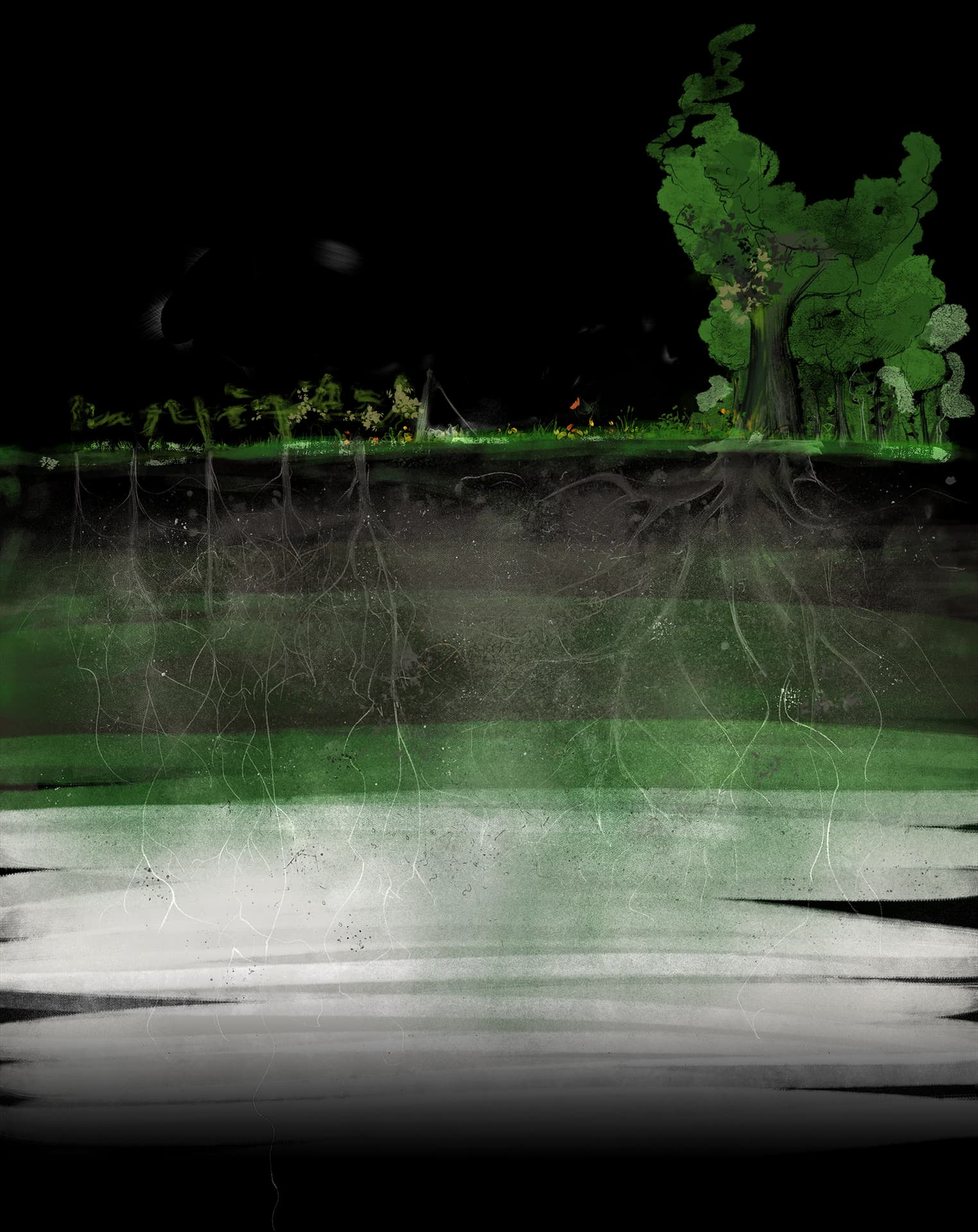
Biodynamic viticulture preserves the soil’s microbial biodiversity, resulting in a more defined minerality, a natural tension and an aromatic complexity rarely achieved by conventional methods. At Fleury, the reduced use or complete absence of sulphur allows the fruit to express itself unmasked. This is described as a ‘living’ champagne — easier to drink, with a longer finish, and remarkable drinkability and freshness from the moment it is opened.
What food and wine pairings go well with Fleury champagne?
La Fleur de l’Europe Brut Nature is excellent as an aperitif or with oysters and shellfish. The Blanc de Noirs de Courteron pairs well with roast lobster or poultry with morel mushrooms. The Rosé de Saignée, full-bodied and vinous, pairs well with fine charcuterie and mature cheeses. The Notes Blanches (Pinot Blanc) brings out the best in scallops. The vintage Boléro rounds off a meal with a lightly sweetened dessert or a mature Comté.
How should Fleury champagne be served and stored?
Serve at 8–10 °C in a tulip-shaped or flared glass, which releases the complex aromas more effectively than a narrow flute. Non-vintage cuvées can be cellared for 3 to 5 years in a cool, dark cellar. Vintage wines such as the Boléro or the Sonate can easily be cellared for 8 to 12 years, developing notes of truffle, blond tobacco and candied fruit with great depth.
Where can I buy Fleury champagne online?
Discover the full Fleury range at Pépites en Champagne — an artisan selection, expert advice, and express delivery throughout France and Europe.
Why does the Courteron terroir give the Blanc de Noirs Fleury such a distinctive style?
The vineyards of Courteron, on the edge of the Côte des Bar, lie on Kimmeridgian limestone from the Upper Jurassic — the same geological formation as Chablis. These highly well-drained clay-limestone soils force the roots to grow deep and impart a characteristic salty, iodine-like minerality, which is absent from the main areas of the Montagne de Reims. It is this natural tension and freshness that set the Blanc de Noirs Fleury apart from any other Pinot Noir from Champagne.
Which Fleury vintage should you choose for your first taste?
La Fleur de l’Europe Brut Nature is the ideal place to start: with no dosage and no added sulphur, it epitomises the Fleury philosophy in its purest form. For lovers of full-bodied Pinot Noir, the Blanc de Noirs de Courteron is a revelation. And for those keen to explore, the little-known Notes Blanches Extra Brut (100 per cent Pinot Blanc, created by Morgane Fleury) is virtually impossible to find anywhere else in Champagne.
About
Champagne Fleury — the essentials
- Founded in
- 1895
- Founder
- Émile Fleury
- House / owner
- Famille Fleury — 4ᵉ génération : Jean-Sébastien, Benoît et Morgane Fleury
- Location
- Fleury-la-Rivière, Montagne de Reims
- Vineyard
- 15 ha
- Grape varieties
- Pinot Noir, Chardonnay, Pinot Blanc, Pinot Gris
- Cellar master
- Jean-Sébastien Fleury
- Distinctions
- Agriculture Biologique — Ecocert (depuis 1992), Biodynamie — Demeter & Biodyvin, La Revue du Vin de France — 1 étoile, Bettane & Desseauve — 4 étoiles, Premier vigneron biodynamique de Champagne (1989)
- Cuvées
- Fleur de l'Europe Brut Nature, Blanc de Noirs Brut, Rosé de Saignée Brut, Notes Blanches Extra Brut, Sonate Extra Brut, Variation Nature
