Champagne Louis Dousset — Grand Cru Brut Nature from Verzenay since 1844
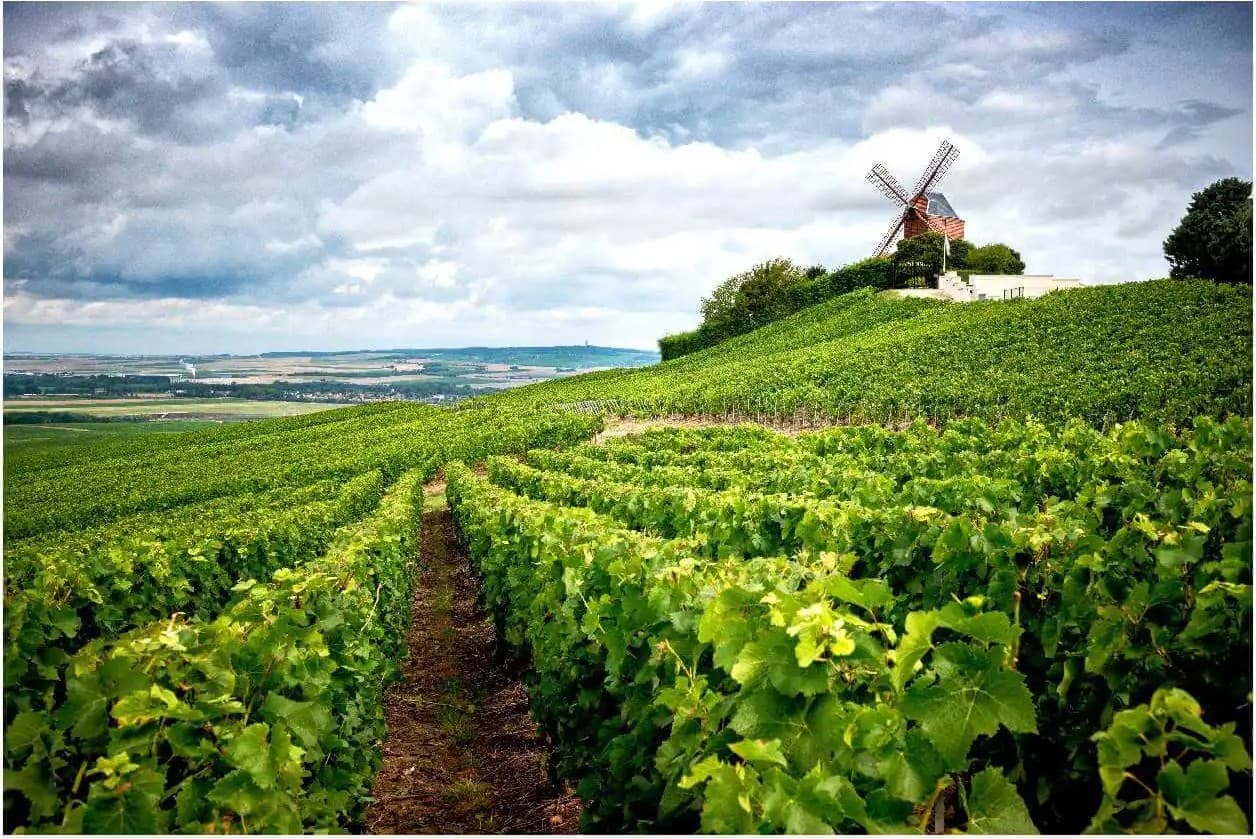
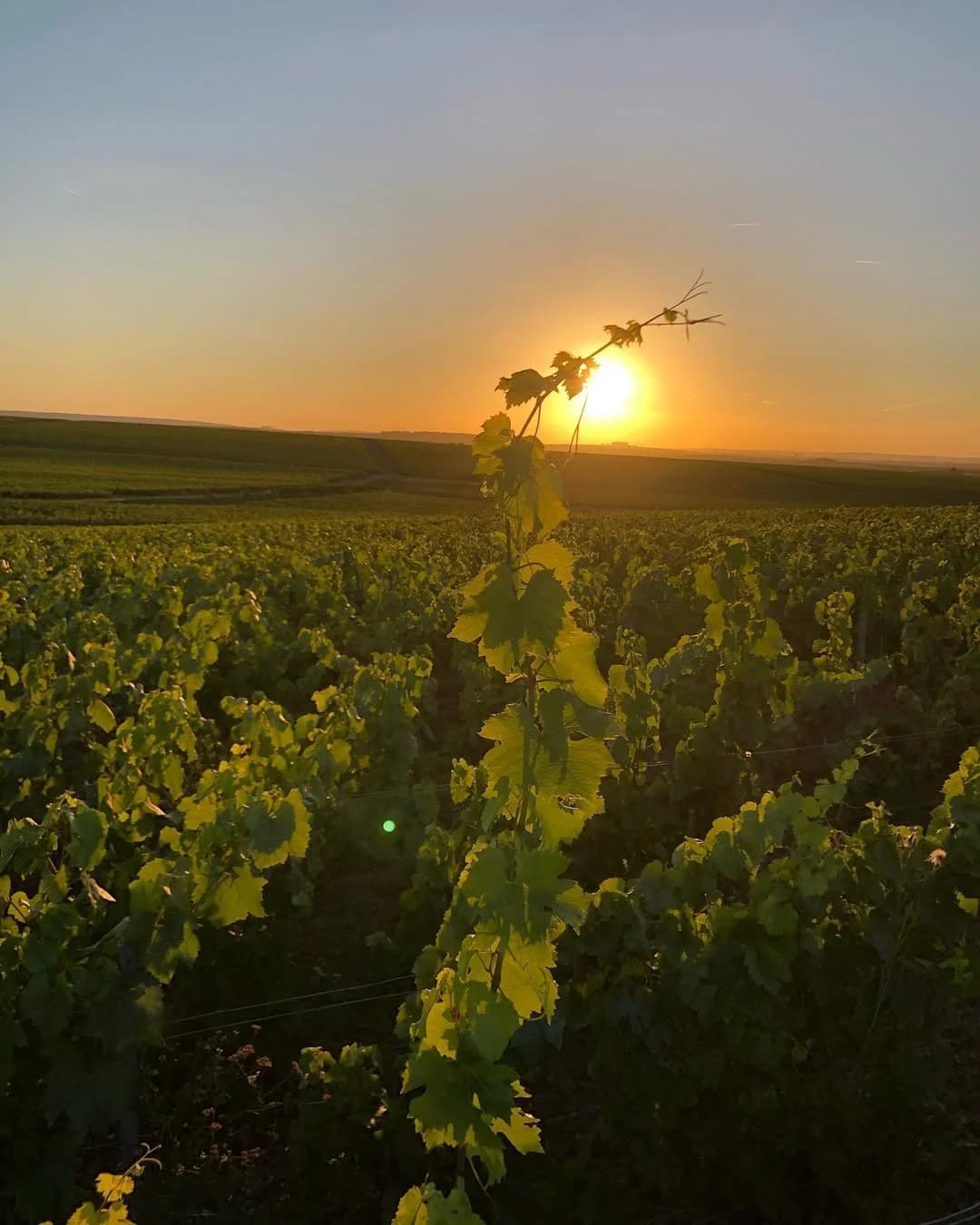
In the heart of the Montagne de Reims, the Grands Crus of Verzenay and Mailly-Champagne provide their finest plots to the Louis Dousset estate. Founded in 1844 by Léopold Dousset, the estate now cultivates 8 hectares of vines on chalky soils, with a remarkable average age of 46 years — some plots exceeding 80 years. It is Jean-Roch Floquet, oenologist and great-grandson of Louis Dousset, who has been upholding a philosophy firmly rooted in the terroir since 1998: night-time harvesting to preserve the grapes’ freshness, temperature-controlled fermentation, a minimum of four years’ ageing in the cellar, and a unique range of Brut Nature champagnes, with no dosage. HVE-certified and cultivated using biodynamic methods, the house ranks among those artisan winemakers who unflinchingly express the mineral character and depth of the Montagne de Reims.
Buy Louis Dousset champagnes online

The Louis Dousset cuvées — Brut Nature, biodynamic winemaking and old vines
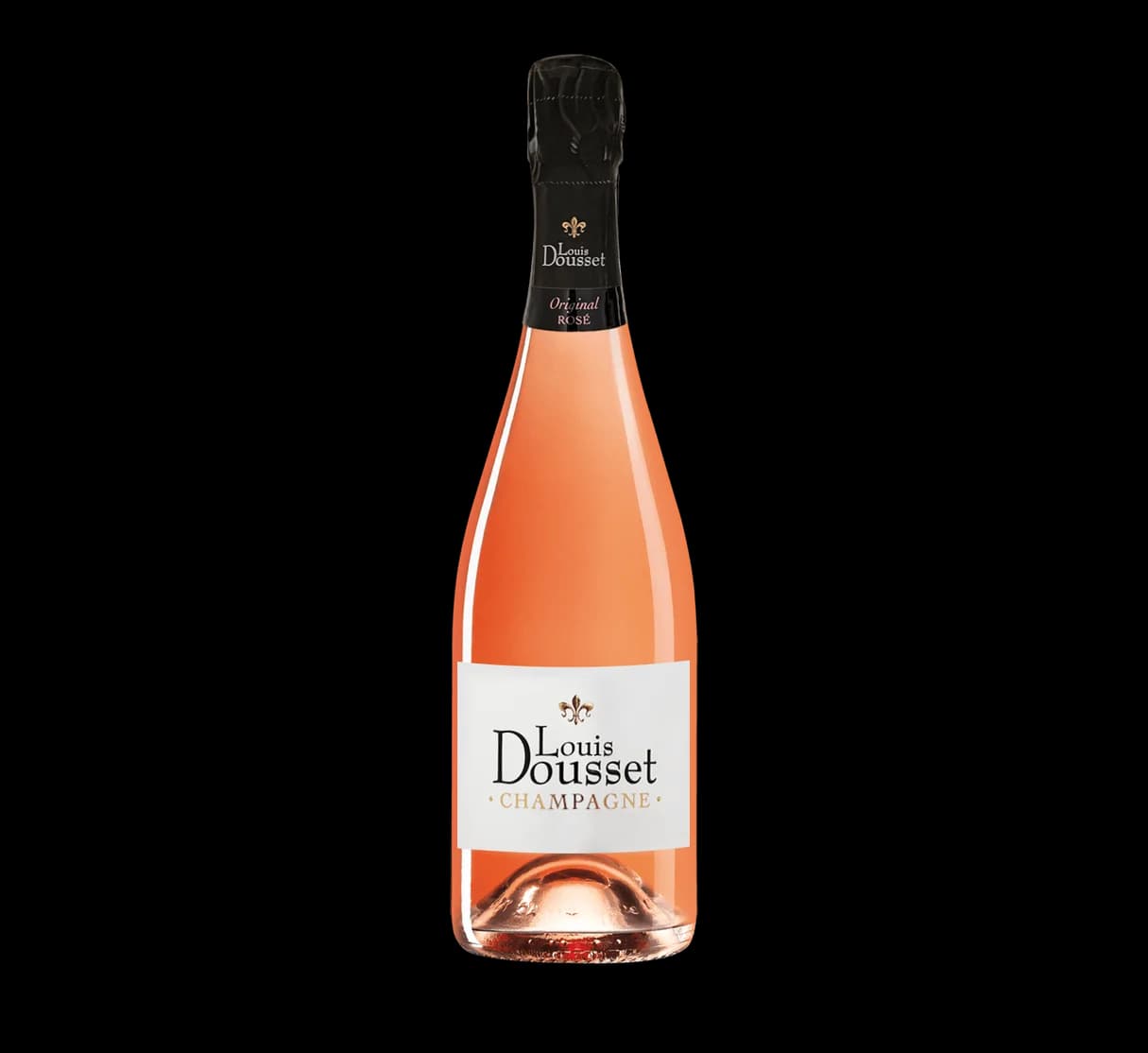
The Louis Dousset range comprises seven cuvées, all Brut Nature with no dosage.The Original Brut Nature (57% Pinot Noir, 43% Chardonnay), with notes of wheat, toast and dried fruit, is a natural accompaniment to roast poultry or mature cheeses.The Original Blanc de Blancs Brut Nature (100% Chardonnay, HVE-certified) reveals its mineral edge when paired with scallops in beurre blanc. The Rosé de Saignée Grand Cru Millésimé, rated 93 points by James Suckling, comes into its own with guinea fowl with morels or duck breast — a pairing full of character for a champagne full of character.
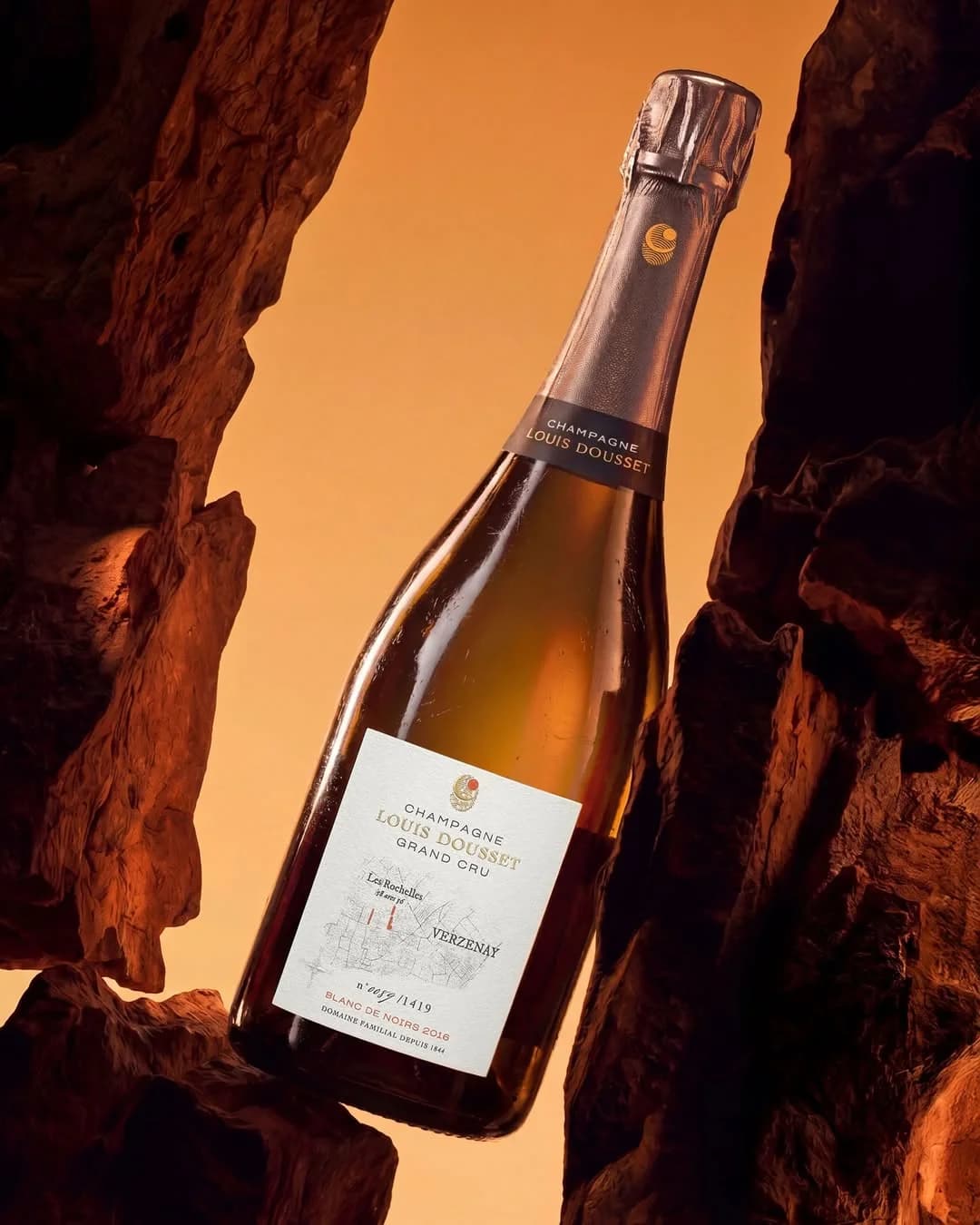
These non-dosage champagnes are best served at 9–10 °C in a tulip-shaped glass, perhaps decanted for a few minutes to allow them to open up fully. The vintage champagnes — including the Blanc de Noirs Grand Cru made exclusively from Pinot Noir (available in 2003, 2013 and 2014) — offer ageing potential of a further five to ten years in a cool cellar, stored horizontally and away from light.
Discover the full Louis Dousset range at Pépites en Champagne, your artisan online wine merchant — offering expert advice, a carefully curated selection and careful delivery throughout France and Europe.

Louis Dousset — Four generations at the heart of the Grands Crus
The estate dates back to 1844, the year in which Léopold Dousset laid the foundations for a vineyard on the slopes of the Montagne de Reims. Four generations later, Jean-Roch Floquet, the great-grandson of Louis Dousset and a trained oenologist, took over the reins in 1998. He manages 8 hectares classified as Grand Cru, spread across Verzenay, Mailly-Champagne and Verzy, including old vines over 80 years old, a true living memory of the chalky Champagne terroir.
In the cellar, Jean-Roch Floquet prioritises precision and patience: temperature-controlled fermentation in stainless-steel tanks to preserve the primary aromas, followed by ageing for at least four years on slats. All the cuvées are produced without dosage — the Brut Nature is the house’s signature style — allowing the natural acidity and chalky minerality of the Grands Crus to express themselves freely.

Your questions about Louis Dousset champagnes
What makes the terroir of Verzenay and Mailly-Champagne so unique in Louis Dousset champagnes?
Verzenay and Mailly-Champagne are classified as Grand Cru in the Montagne de Reims, with a northerly aspect that slows ripening and promotes high natural acidity — a guarantee of freshness and longevity. The chalky soils, characteristic of this region, give Louis Dousset champagnes their distinctive minerality and lingering tension on the palate — a signature that is difficult to replicate outside these exceptional terroirs.
What food and wine pairings go well with Louis Dousset champagne?
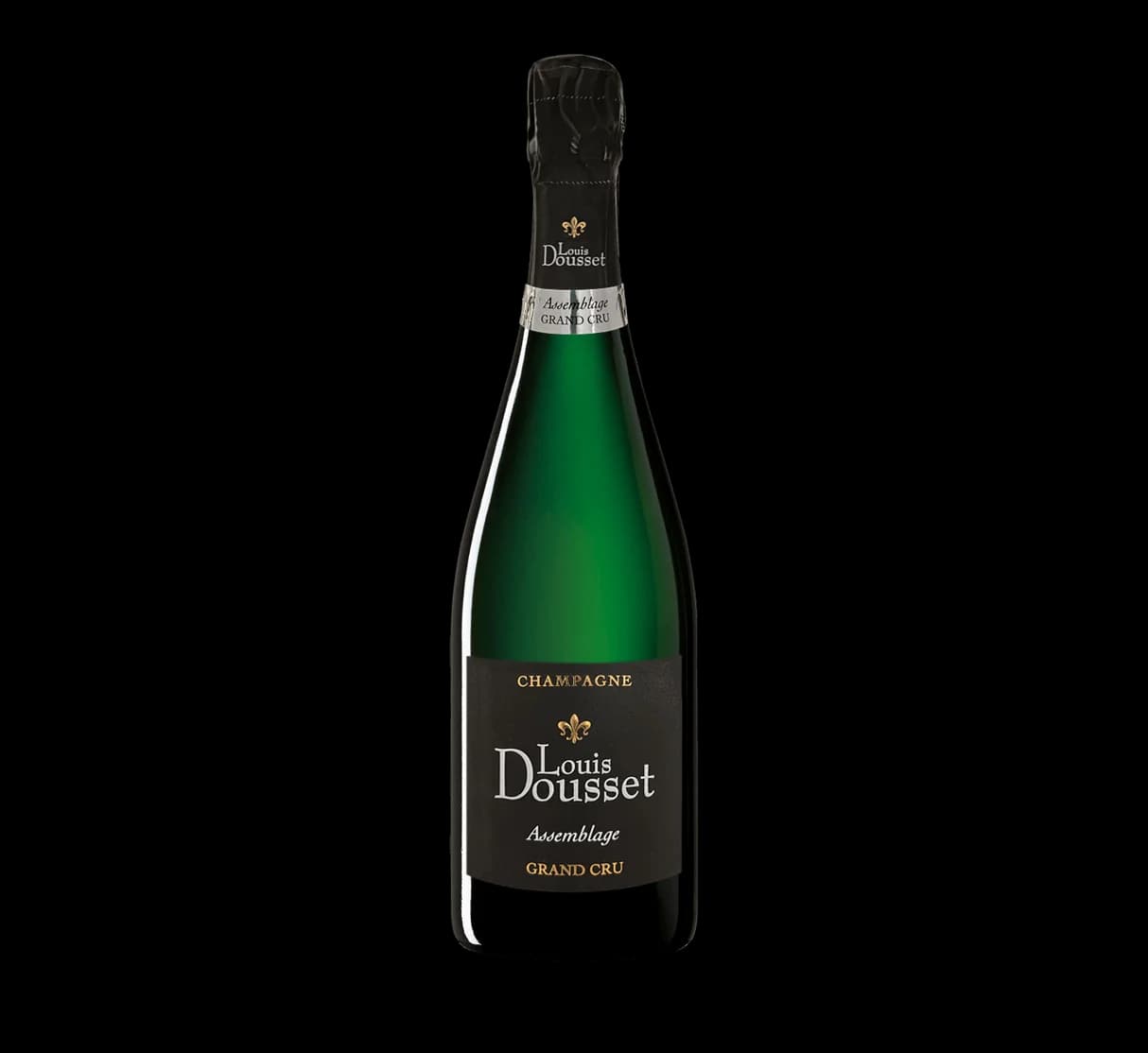
The Original Brut Nature pairs well with roast poultry, creamy risottos or hard cheeses. The Blanc de Blancs (100% Chardonnay) is the perfect accompaniment to oysters, scallops or delicate fish served in a sauce. The Rosé de Saignée Grand Cru comes into its own with guinea fowl with porcini mushrooms or duck breast. As an aperitif,the Assemblage Grand Cru is the natural choice.
How should Louis Dousset champagne be served and stored?
Serve at 9–10 °C in a slender-stemmed tulip glass to release the aromas. The Brut Nature cuvées, which contain no dosage, benefit from being decanted for two to three minutes before serving. The vintage wines — Blanc de Noirs (2003, 2013, 2014) and Rosé de Saignée — have an ageing potential of 5 to 10 years in a cool cellar (around 12 °C), stored horizontally, away from light and vibrations.
Where can I buy Louis Dousset champagne online?
Discover the full Louis Dousset range at Pépites en Champagne — an artisan selection, expert advice and express delivery throughout France and Europe.
In what practical ways does biodynamic viticulture change Louis Dousset champagne in the glass?
Biodynamic viticulture eliminates all synthetic inputs, enriches the microbial life of the soil and times vineyard work to the lunar cycle. Living soils impart greater mineral complexity to the grapes. In the glass, this translates into a tension and depth of terroir that are difficult to replicate in conventional viticulture — as confirmed by the 93 points awarded by James Suckling to the Blanc de Blancs and Rosé de Saignée Grand Cru vintages.
What is the difference between the Original Brut Nature and the Louis Dousset Grand Cru Blend?
The Original Brut Nature (57% Pinot Noir, 43% Chardonnay) is the entry-level cuvée into the world of Louis Dousset: approachable, rich and indulgent, with notes of wheat, toast and dried fruit.The Assemblage Grand Cru is a selection of prime plots, more complex and structured, intended for connoisseurs seeking the quintessence of the Grands Crus of Verzenay and Mailly-Champagne.
About
Champagne Louis Dousset — the essentials
- Founded in
- 1844
- Founder
- Léopold Dousset
- House / owner
- Jean-Roch Floquet (arrière-petit-fils de Louis Dousset, œnologue, dirige depuis 1998)
- Location
- Verzenay / Mailly-Champagne, Montagne de Reims, Grand Cru
- Vineyard
- 8 ha
- Grape varieties
- Pinot Noir, Chardonnay
- Cellar master
- Jean-Roch Floquet
- Distinctions
- HVE (Haute Valeur Environnementale), Biodynamie, James Suckling 93 pts — 2013 Blanc de Blancs Grand Cru, James Suckling 93 pts — 2008 Rosé de Saignée Grand Cru
- Cuvées
- Original Brut Nature, Assemblage Grand Cru Brut Nature, Original Rosé Brut Nature, Original Blanc de Blancs Brut Nature, Blanc de Blancs Grand Cru Brut Nature Millésimé, Blanc de Noirs Grand Cru Brut Nature Millésimé