

Veuve Clicquot Champagne — The Pioneer of Reims since 1772
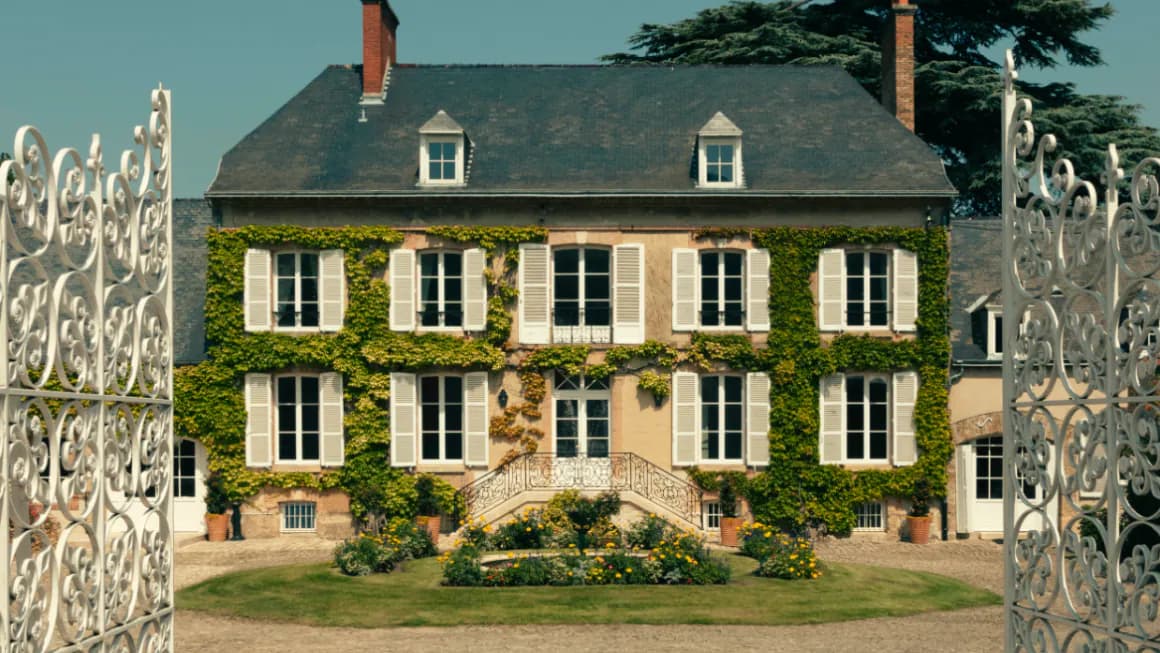
Founded in 1772 by Philippe Clicquot-Muiron in Reims, the House of Veuve Clicquot embodies the very history of modern champagne. It was Barbe-Nicole Ponsardin, the legendary widow, who revolutionised champagne production by inventing the riddling rack in 1816 — a process that clarifies the wine by gradually depositing its lees against the neck of the bottle — and then by creating the first blended rosé in 1818, incorporating red wine from Bouzy. Now owned by LVMH, the house draws on a 390-hectare vineyard, spanning 12 Grands Crus and 20 Premiers Crus, predominantly planted with Pinot Noir. Each cuvée is crafted from a blend of 45 to 50 reserve wines, accumulated over more than 17 years — a depth that fundamentally sets Veuve Clicquot apart from houses with smaller reserves.
Buy Veuve Clicquot champagnes online
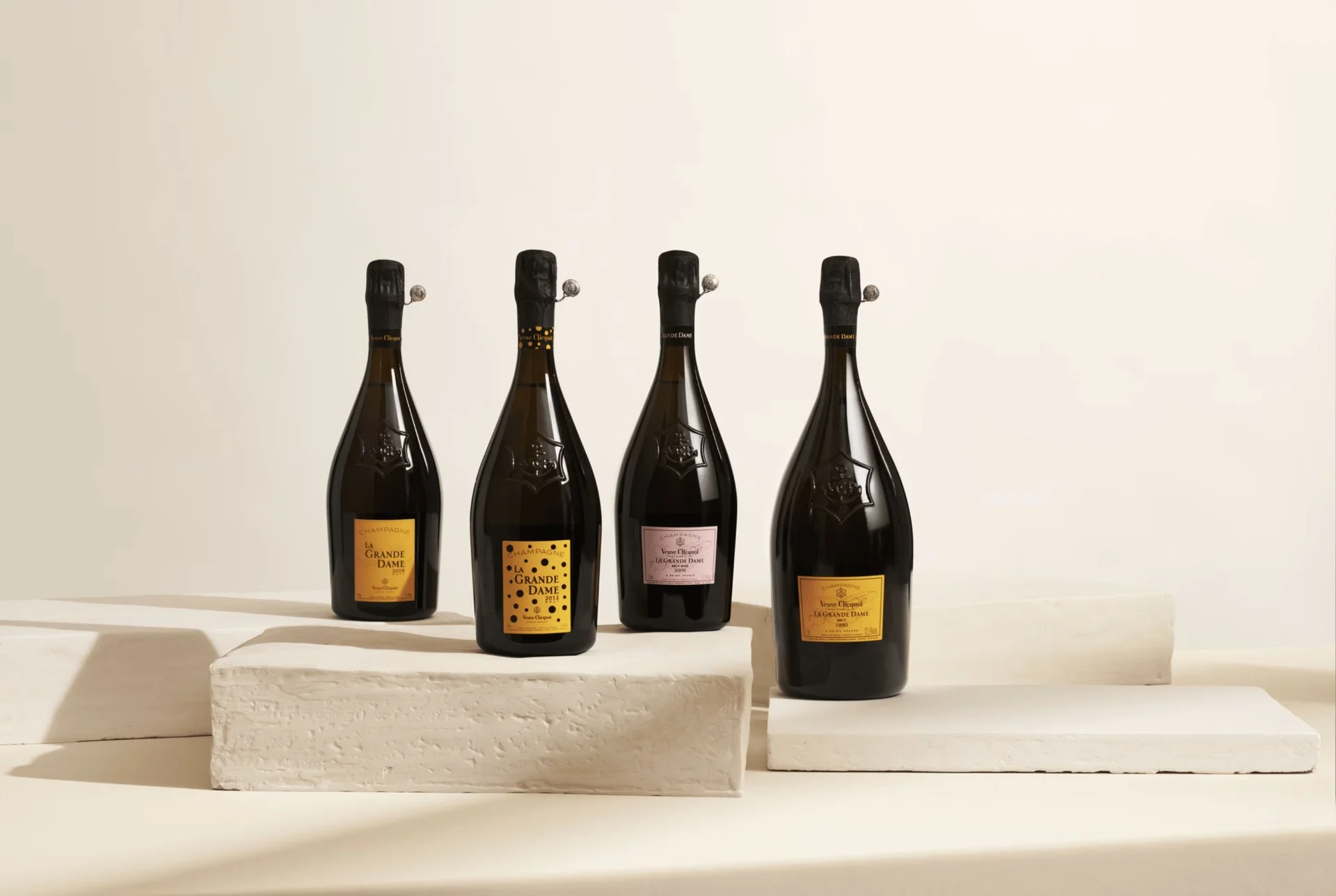
Veuve Clicquot cuvées — From Carte Jaune to La Grande Dame
The Brut Carte Jaune, the house’s signature sunny cuvée (€45–55), pairs beautifully with sushi, sashimi or roast poultry. The Brut Rosé, heir to the first blended rosé from 1818 made with wines from Bouzy, pairs beautifully with fine charcuterie, strawberries and petits fours. La Grande Dame, a prestigious vintage cuvée (from €150), perfectly complements lobster, turbot with beurre blanc and foie gras.The Extra Brut Extra Old — mineral, crisp and lightly dosed — reveals its full precision when paired with oysters and fish tartares. The RICH, designed to be served very chilled or over ice, accompanies fruity desserts and summer cocktails with unashamed generosity.
La Carte Jaune and the Brut Rosé are best served between 8 and 10 °C in a tulip-shaped glass to preserve the aromas. Vintage La Grande Dame can be cellared for 10 to 15 years in a temperate cellar (10–12 °C), away from light and vibrations; non-vintage cuvées reach their peak within 3 to 5 years of release.
Discover the full Veuve Clicquot range — Carte Jaune, La Grande Dame, Brut Rosé and more — at Pépites en Champagne: expert advice, a carefully curated selection, and reliable delivery throughout France and Europe.
Veuve Clicquot — Two and a half centuries of innovation in Champagne
Founded in Reims in 1772 by Philippe Clicquot-Muiron, the house flourished under Barbe-Nicole Ponsardin, who, having been widowed in 1805, built it into one of the world’s leading exporters of champagne. She was responsible for three groundbreaking innovations: the house’s first vintage champagne in 1810, the riddling table in 1816 — a revolutionary clarification technique — and the first blended rosé in 1818, made from red wines from Bouzy. The house has been owned by the LVMH group since 1986.
The Veuve Clicquot style is characterised by the power and richness of Pinot Noir, the dominant grape variety across its 390 hectares of vineyards spread across 12 Grands Crus and 20 Premiers Crus. The ‘perpetual blending’ process draws on 45 to 50 reserve wines aged for over 17 years, with a minimum of 30 months’ ageing on lees for non-vintage cuvées — ensuring remarkable stylistic consistency from one cuvée to the next.
Your questions about Veuve Clicquot champagnes
What is the difference between the Carte Jaune and La Grande Dame by Veuve Clicquot?
La Carte Jaune is the house’s benchmark non-vintage cuvée, blended from 45 to 50 reserve wines to ensure consistency with the house style (€45–55). La Grande Dame is the prestigious vintage cuvée, produced exclusively from the house’s finest historic plots — a champagne for laying down, designed for special occasions, from €150.
What food and wine pairings go well with Veuve Clicquot champagne?
The Carte Jaune, generous and fruity, pairs well with aperitifs, sushi, sashimi or roast poultry. The Brut Rosé complements fine charcuterie, strawberries and petits fours. La Grande Dame is the perfect accompaniment to lobster, turbot in beurre blanc or foie gras. The Extra Brut Extra Old reveals its minerality when served with oysters and tartares. The RICH, served over ice, goes well with fruity desserts.
How should Veuve Clicquot champagne be served and stored?
Serve the Carte Jaune and the Brut Rosé at between 8 and 10 °C in a tulip-shaped glass or a glass with a narrow stem. The vintage Grande Dame can be cellared for 10 to 15 years at 10–12 °C, away from light and vibrations. Non-vintage cuvées reach their peak within 3 to 5 years. An opened bottle will keep for 2 to 3 days if sealed with an airtight stopper.
Where can I buy Veuve Clicquot champagne online?
Discover the full Veuve Clicquot range at Pépites en Champagne — an artisanal selection, expert advice and express delivery throughout France and Europe.
What is the difference between Brut, Extra Brut and RICH at Veuve Clicquot?
The dosage refers to the amount of residual sugar added after disgorging. The Brut (Yellow Label) contains up to 12 g/l — dry on the palate, fruity and well-balanced. The Extra Brut Extra Old is dosed at under 6 g/l, revealing the minerality and structure of the terroir. The RICH, which is more heavily dosed and designed to be served very chilled or over ice, is perfect for a festive, summery occasion.
Which Veuve Clicquot champagne should you choose, depending on the occasion and your budget?
For an exceptional gift, a special birthday or a wedding, La Grande Dame (from €150) is the obvious choice. For a party, a festive aperitif or your first taste of fine champagne, the Carte Jaune (€45–55) appeals with its affordability and generous style. The elegant and colourful Brut Rosé is perfect as an original gift or for a romantic occasion.
About
Champagne Veuve Clicquot — the essentials
- Founded in
- 1772
- Founder
- Philippe Clicquot-Muiron
- House / owner
- LVMH (propriétaire depuis 1986)
- Location
- Reims, Champagne, France
- Cuvées
- Brut Carte Jaune, Brut Rosé, Demi-Sec, La Grande Dame, La Grande Dame Rosé, RICH
