

All you need to know about champagne vintages
The essentials
Champagne cuvées are defined by their blend and dosage. A non-vintage brut is a blend of wines from several years; a vintage champagne uses only a single exceptional harvest. Rosé is the only French wine produced by adding still red wine. The sugar dosage ranges from 0 g/L (extra brut) to over 50 g/L (sweet).
- What is the difference between a vintage and a non-vintage champagne?
- A non-vintage Champagne is a blend of wines from several years, representative of the House’s style. A vintage Champagne is made exclusively from wines from a single harvest, chosen for its exceptional character.
- How is rosé champagne made?
- Rosé champagne is produced either by macerating red grapes (rosé de saignée) or by adding still red Champagne (rosé d’assemblage). It is the only French wine permitted to use this second technique.
- What does the ‘dosage’ on a bottle of champagne mean?
- The dosage refers to the sugar content of a champagne. It ranges from 0 to 6 g/L for an ‘extra brut’ to over 50 g/L for a ‘doux’, including ‘brut’, ‘extra dry’, ‘sec’ and ‘demi-sec’.
Behind every cuvée of champagne — non-vintage brut, vintage, rosé or special cuvée — lie the winemaker’s blending choices and signature.
1 min read
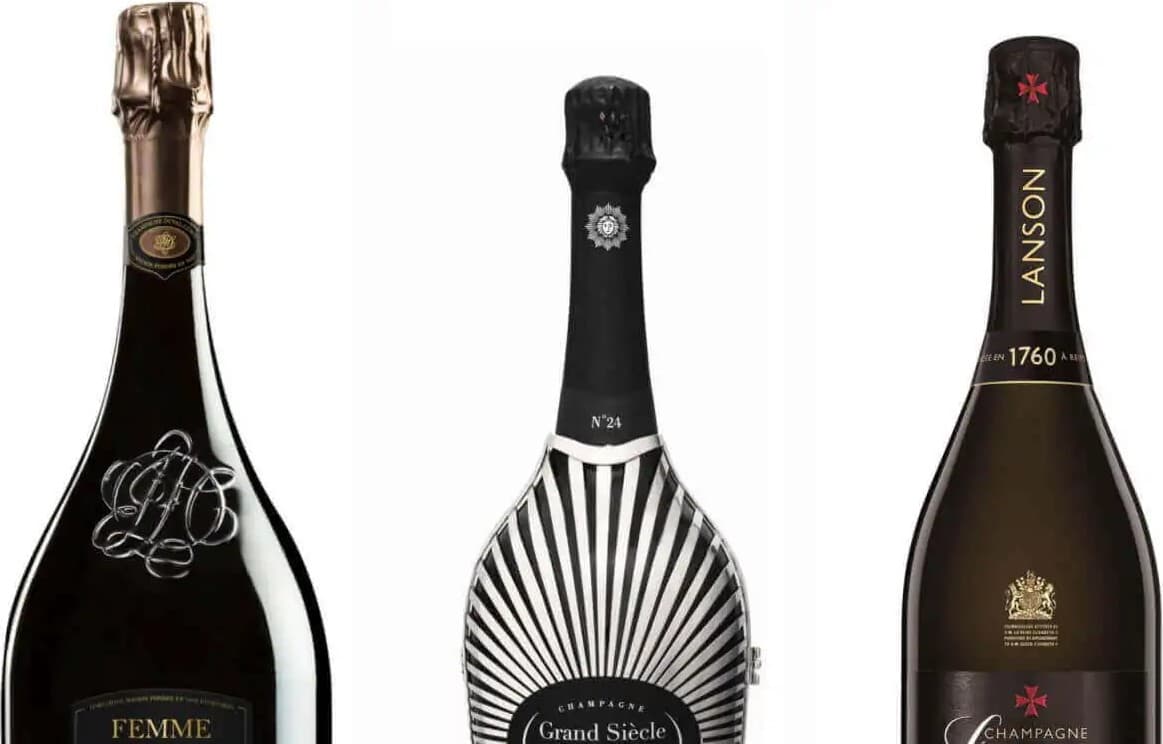
Each winemaker, each House, elaborates its own cuvées to constitute its range of champagnes. The name of a cuvée comes from its blend (the different wines that make it up) and/or its dosage (the sugar content).
The "non-millésimé" brut
is a blend of several years. It is a classic of champagne, it is representative of the style of the House. A non-vintage can have different dosages (see Memo dosage).
The vintage
is only made of wines from the same year. We choose to vintage a wine when the harvest was exceptional, which gives it a great character.
The rosé
original by its color and full-bodied, is elaborated by maceration of black grapes (rosé de saignée) or by the contribution of still red wine not sparkling of Champagne (rosé of assembly). It is the only French wine that can be made using this technique.
The special cuvée
vintage or not, is composed of the most subtle wines. It is an exceptional cuvée that contributes to the prestige of a House and reveals its know-how.
Memo dosage
Mild + 50g of sugar / liter
SEMI-DRY between 32 and 50g of sugar / liter
DRY between 17 and 32g of sugar / liter
EXTRA DRY between 12 and 17g of sugar / liter
GROSS from 12g of sugar / liter
EXTRA RAW between 0 and 6g of sugar / liter
Good to know
The term "cuvée" corresponds initially to the first juices extracted during the
during the harvest (20.50 hl from a 4000 kg marc). These very pure juices give wines of great finesse, with subtle aromas.
The bottles in this article
À lire également
Champagne as a corporate gift: budget, bottles and rules — the 2026 guide
Champagne is the corporate gift that needs no explaining: it evokes celebration, France and thoughtfulness, without ever being in poor taste. However, you still need to choose the right budget, the right bottle and stick to the rules. Here is our 2026 guide: how much to budget per person, the gift sets that are always a hit, gifts that make an impression, the menu, tax implications and delivery.
The best winemaker-produced champagnes of 2026: 26 producers to watch, ranging from €22 to €190
A ‘vintner’s champagne’ is a champagne where the person who pruned the vines has also signed the bottle. There are several thousand of these in Champagne; around thirty have found their way into our cellar, and not by chance. Here is our 2026 selection, region by region, with the cuvée to start with and its price for each one.
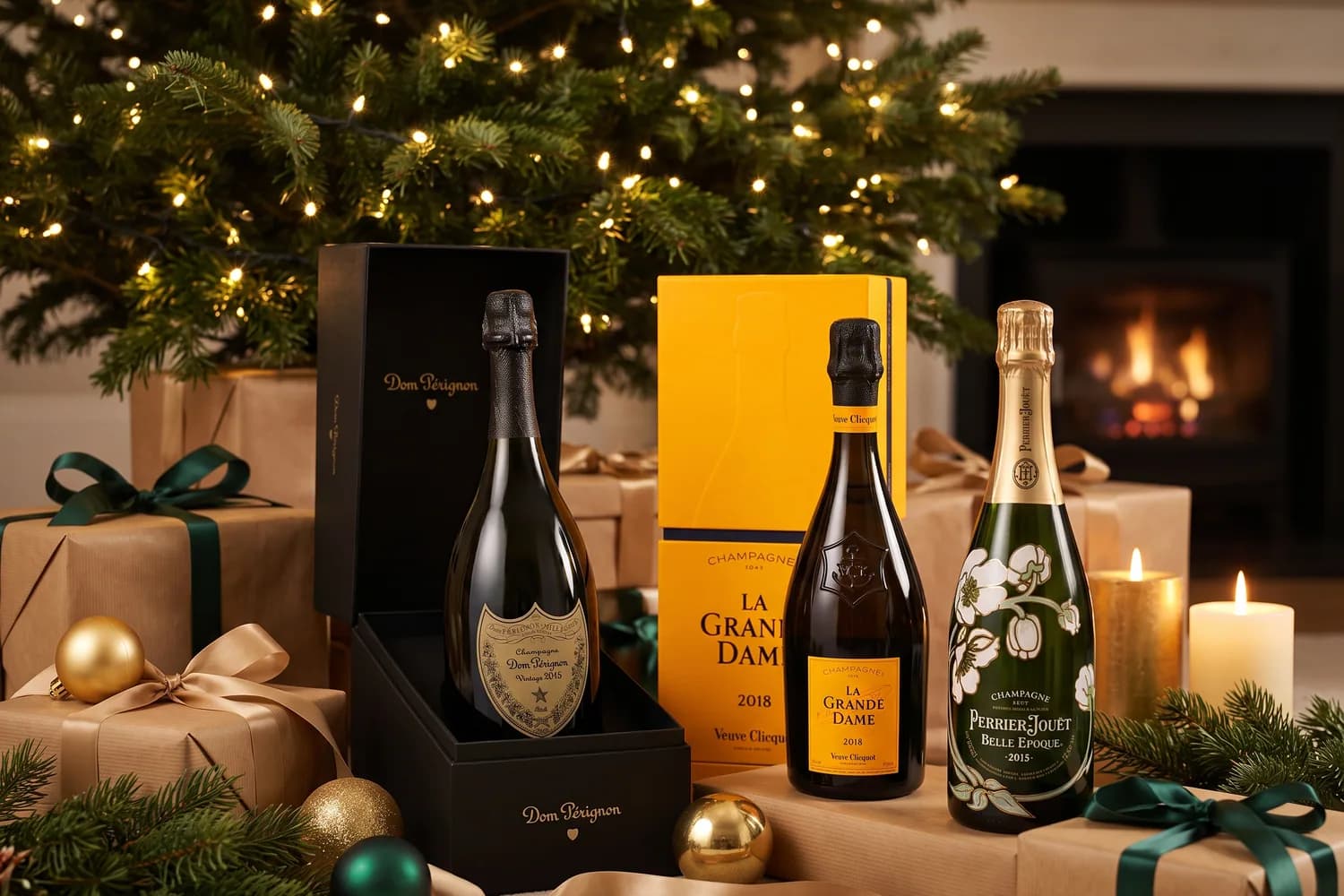
The best champagnes for Christmas 2026: our selection by stage of the meal and by budget
Which champagne should you open on the evening of the 24th? It depends on the occasion: you wouldn’t serve the same bottle with oysters, capon and the Yule log. Our Christmas 2026 selection, moment by moment, ranging from €31 to €300, including recommended quantities and delivery times.
