Massal and clonal selections in Champagne
The essentials
In Champagne, mass selection involves propagating the best vine plants to preserve genetic diversity and flavour complexity. Clonal selection involves propagating a single plant to ensure uniformity in terms of health; around 50 clones of the three Champagne grape varieties are approved by the CIVC.
- What is mass selection in Champagne?
- Mass selection in Champagne involves identifying the vines bearing the best grapes in order to propagate them. This method preserves the vineyard’s genetic diversity and contributes to the complexity and variety of the wine’s flavours.
- How many grape varieties are authorised in Champagne?
- Around 50 clones of the three Champagne grape varieties — Pinot Noir, Pinot Meunier and Chardonnay — are approved in Champagne. They are pre-multiplied by the CIVC, which also distributes the certified grafts.
- What is the difference between mass selection and clonal selection in Champagne?
- Mass selection preserves genetic diversity by propagating the best vines, thereby enhancing the complexity of the wine. Clonal selection involves propagating a single clone to ensure optimal disease resistance and uniformity across the Champagne vineyards.
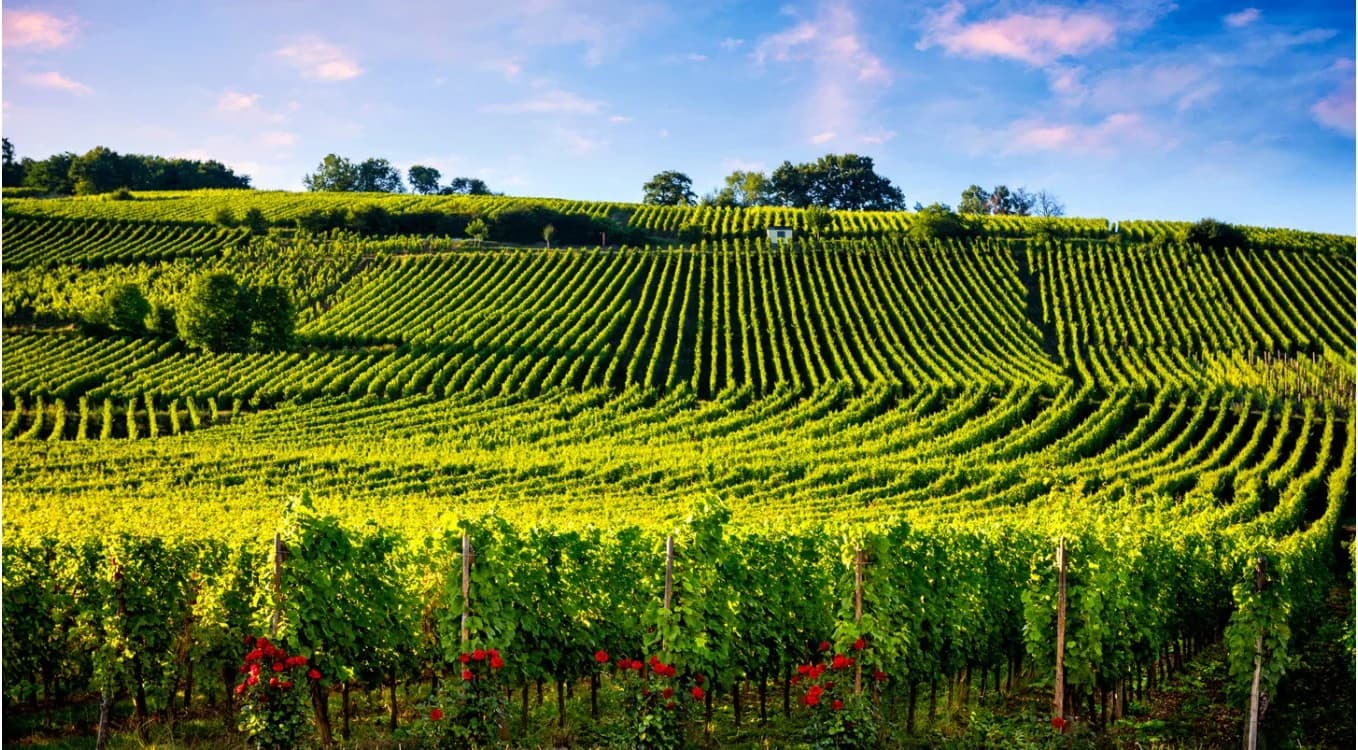
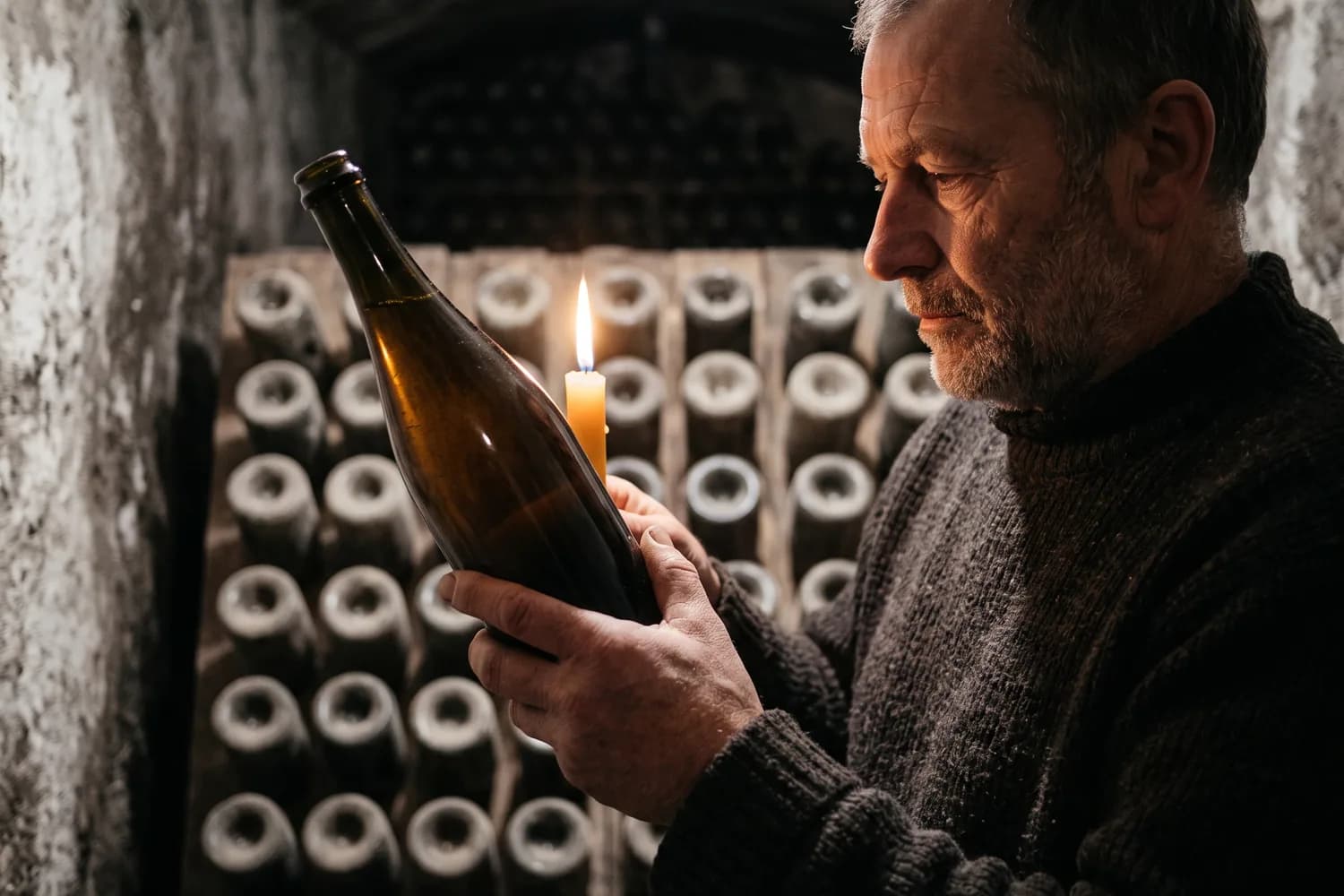
In Champagne, behind every cuvée lies a crucial choice: massal selection or clonal selection — two approaches that shape the wine’s profile and complexity.

Champagne viticulture is a matter of precision and passion, where every detail counts. Two particular techniques play a crucial role in the production of these world-renowned sparkling wines: massal selection and clonal selection.
La Sélection Massale
Massal selection is a traditional technique that consists of identifying the vines bearing the best fruit. These plants are then used for propagation, ensuring that desirable characteristics are retained in future generations of vines. This method preserves genetic diversity within the vineyard, which is essential for wine resilience and complexity. In Champagne, this technique has enabled winemakers to produce wines with a variety of flavors and aromas that reflect the region's unique terroir.
Clonal Selection
Clonal selection, on the other hand, involves reproducing vine plants from a single individual, or clone. This technique ensures optimum sanitary quality and uniformity in the vineyard.
In Champagne, around 50 clones of the three Champagne grape varieties (Pinot Noir, Pinot Meunier and Chardonnay) have been approved after several decades of selection work. These clones are pre-multiplied by the Comité Interprofessionnel du Vin de Champagne (CIVC), which also distributes certified grafts.
Impact on Wine
These two selection techniques have a direct impact on the quality of Champagne wine. Massal selection contributes to the complexity and diversity of flavors, while clonal selection ensures consistent quality.
Ultimately, massal and clonal selection in Champagne is a perfect example of how science and tradition can work together to create something truly exceptional.