Is Paris really the capital of wine? Let's just say it's the capital of pleasant surprises. Behind every alleyway, every cellar, there's a world of experiences where wine blends with friendships, with stories, with that typically Parisian atmosphere you can't find anywhere else. Far from fixed catalogs, tasting here is constantly reinventing itself, with new workshops, unusual combinations, evenings that shake up the classics and even a few tips worthy of a well-informed sommelier. A successful tasting in Paris is a skilful blend of curiosity, scouting punctuated by doubts, and the ability to let go and simply savor the moment.
Choosing the right frame
To begin a successful wine tasting in Paris, the first thing to do is to find the ideal venue. Some prefer rehabilitated cellars in the Marais or Latin Quarter, while others opt for more modern wine bars with a cosy atmosphere. A not inconsiderable detail is that many addresses play the originality card, offering sensory tours, wine-making workshops or blind tastings to break the habit. These workshops are an excellent way to discover Paris wines from a new, interactive angle.
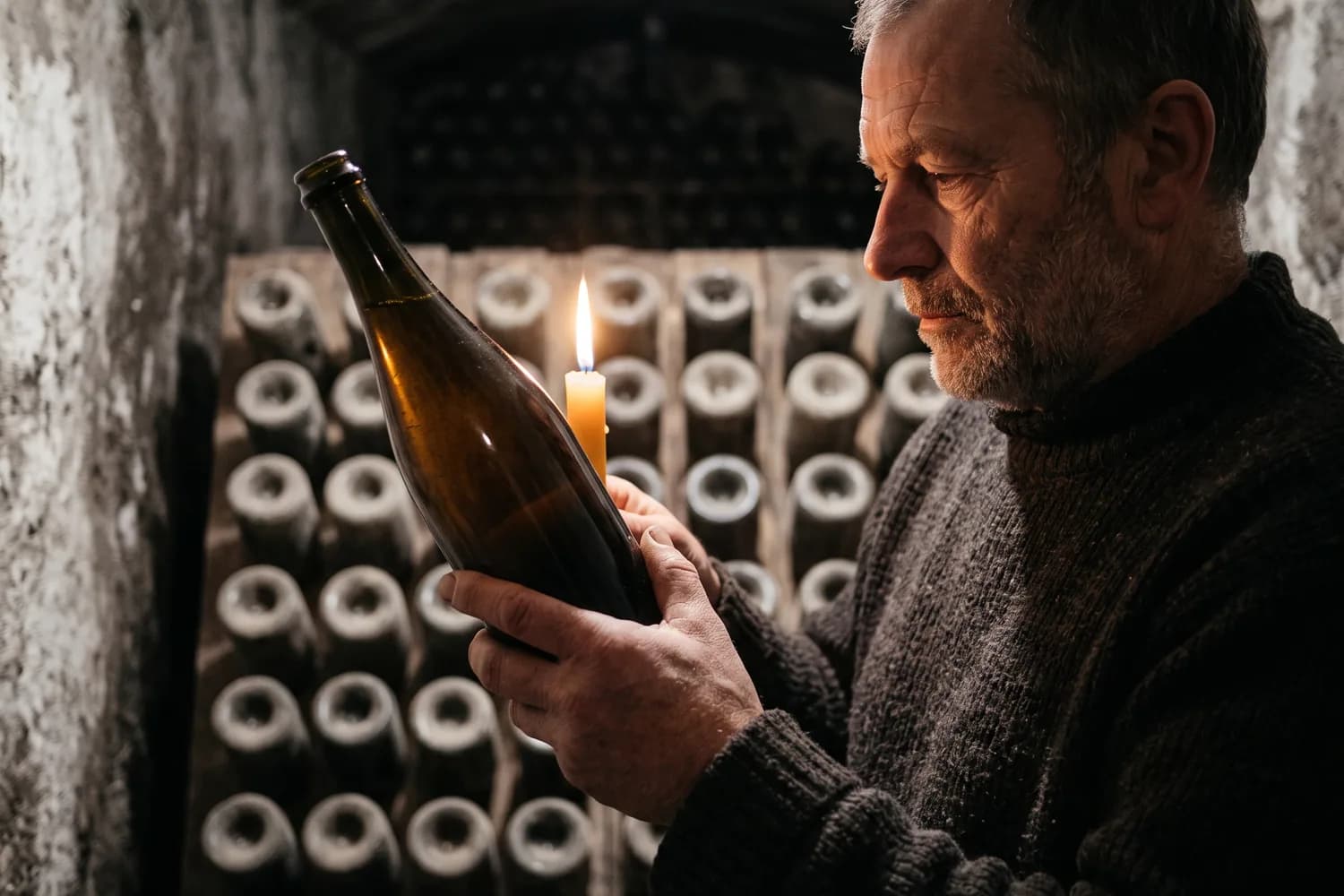
The strength of Paris lies in its blend of heritage and innovation, where classics and novelties coexist without complexes. Some workshops in historic cellars, recommended by wine lovers, offer an immersion experience in which each piece awakens a different sense, and the sommelier's expertise is astonishing. And yet, two blocks away, it's possible to find a more relaxed experience, where everyone feels free to express their feelings, their hesitations and even their mistakes
The keys to a guided tasting
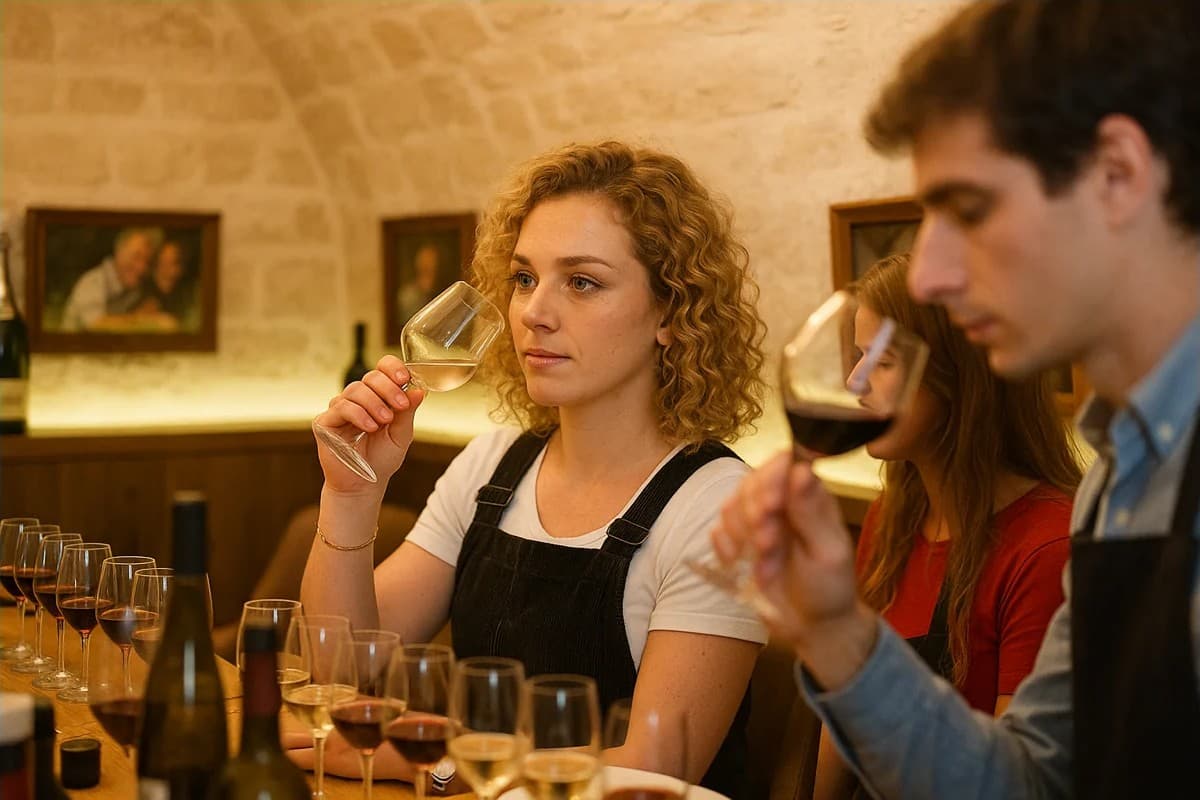
For successful wine tasting, nothing beatsexpert guidance. In Paris, several workshops are led by certified trainers or sommeliers. Their approach goes far beyond the simple triptych "smell, look, taste", as you take up the challenge of oenological vocabulary, learn about unexpected food and wine pairings and, in the course of a quiz or practical test, learn to read between the lines of mysterious labels.
The city is teeming with initiatives. Among the most recent is the organization of blind tasting competitions, where amateurs and professionals rub shoulders over the subtleties of the nose and palate during convivial evenings. A number of renowned intensive courses are also bringing out a new generation of tasters, capable of writing a nuanced tasting note and exchanging views with winemakers at wine fairs. But we mustn't forget that success also comes from meeting and chatting with other enthusiasts and curious people who have come to share in the event.
Exploring current trends
Since 2024, some of Paris's major wine fairs have taken on unprecedented scope. Over the years, these gatherings have revealed underlying trends, such as the return to organic food, the search for original pairings, a craze for foreign wines, and even hybrid events combining food and wine pairings and urban itineraries. What counts is not so much collecting vintages as capturingthe spirit of the moment, by daring to take part in a cheese and wine theme week, for example, or signing up for an oenological stroll in the Marais, where vines converse with Parisian asphalt.
As professionals agree, the art of tasting in Paris in 2025 will be one of discovery. The new workshops are full of surprises. Some are betting on single-varietal workshops, while others are seeking to marry terroirs through unexpected combinations. Moreover, some experts are talking about the return of natural wines, but no solid data yet confirms a tidal wave: the trend exists, but remains discreet.
Gestures, perceptions and little secrets
Nothing beats practice. In Paris, you'll no doubt be reminded that wine tasting begins with a real pause, forgetting the cell phone, looking at the color of the wine, having fun guessing the age or grape variety, even if it means making a mistake. The instructors recommend that you don't stick to technique, but rather let your own sensibility guide you. Good tasting means accepting imperfections, such as confusion between aromas or hesitation about balance.
Small gestures can make all the difference, like turning the glass, testing the temperature or adding a little cheese from the nearby market. The success of a Parisian tasting also depends on fresh eyes. It's not uncommon to come across aficionados who offer the advice, "Don't necessarily try to impress, listen to what the wine is telling you". Other aficionados criticize the overly formatted workshops, preferring impromptu wine tastings. But, in the final analysis, Paris remains a city where wine is drunk as much as it is told, and each evening offers its share of secrets, to be shared or kept to oneself.