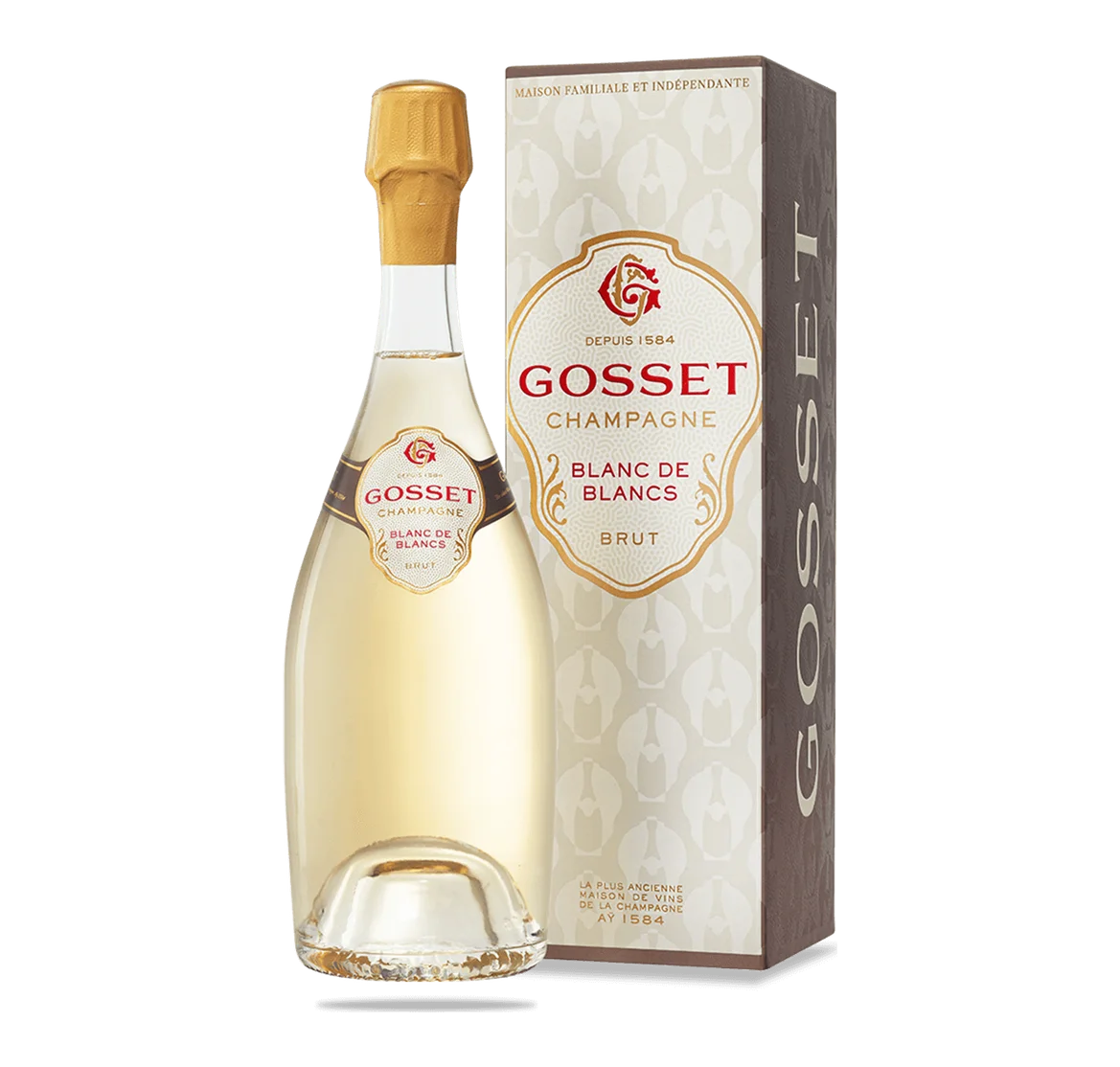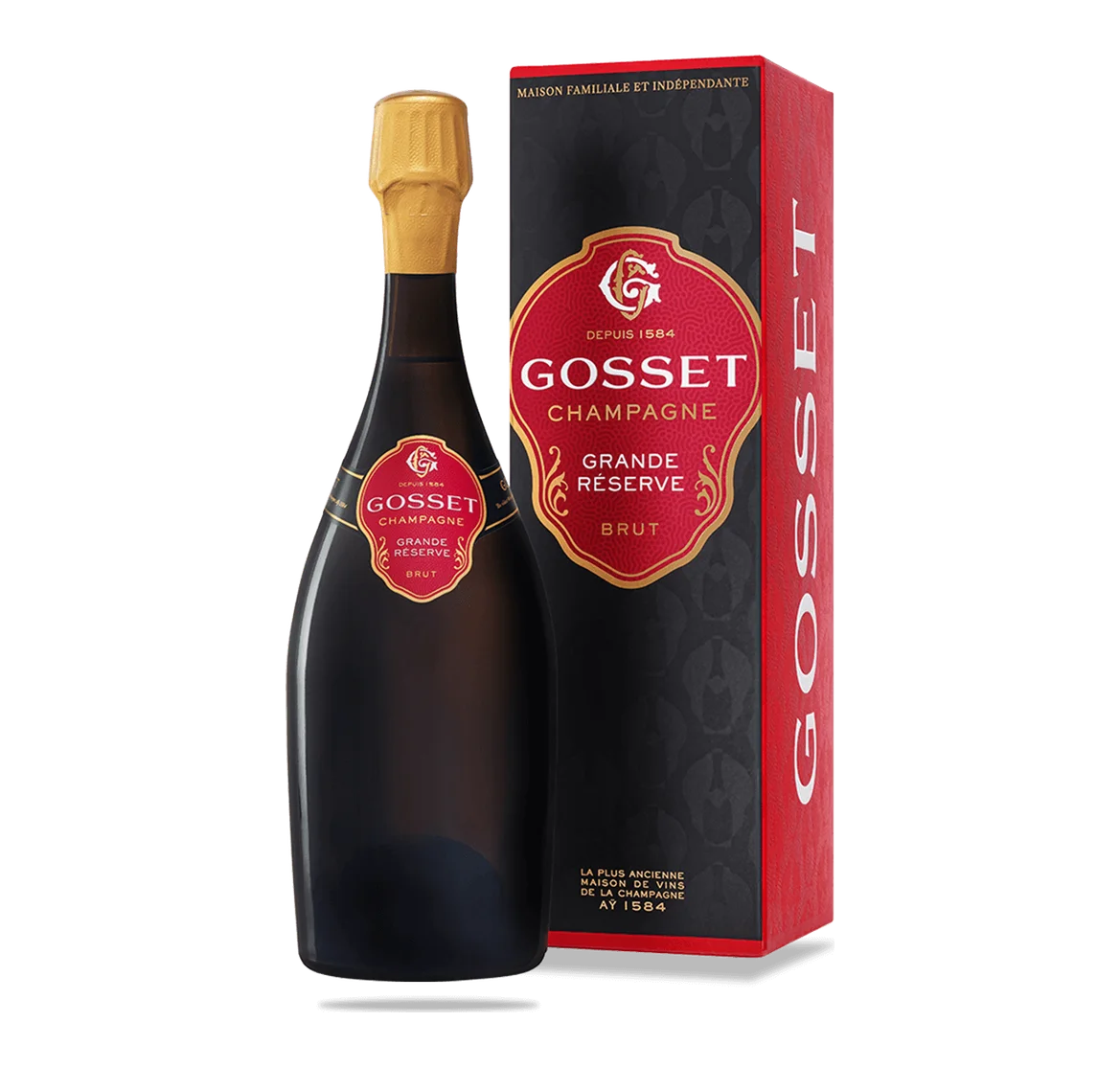


Gosset
Grande Réserve
44,35 €
Champagne and cheese: a bold yet successful pairing. Soft cheeses, goat’s cheese, white-mould cheeses: our tips for pairing bubbly with a cheese platter.
Champagne is often thought to be too delicate for cheese — yet it is one of the most delightful pairings there is. The liveliness of the bubbles cuts through the richness and intensity of the cheese, whereas a tannic red wine would quickly be overwhelmed.
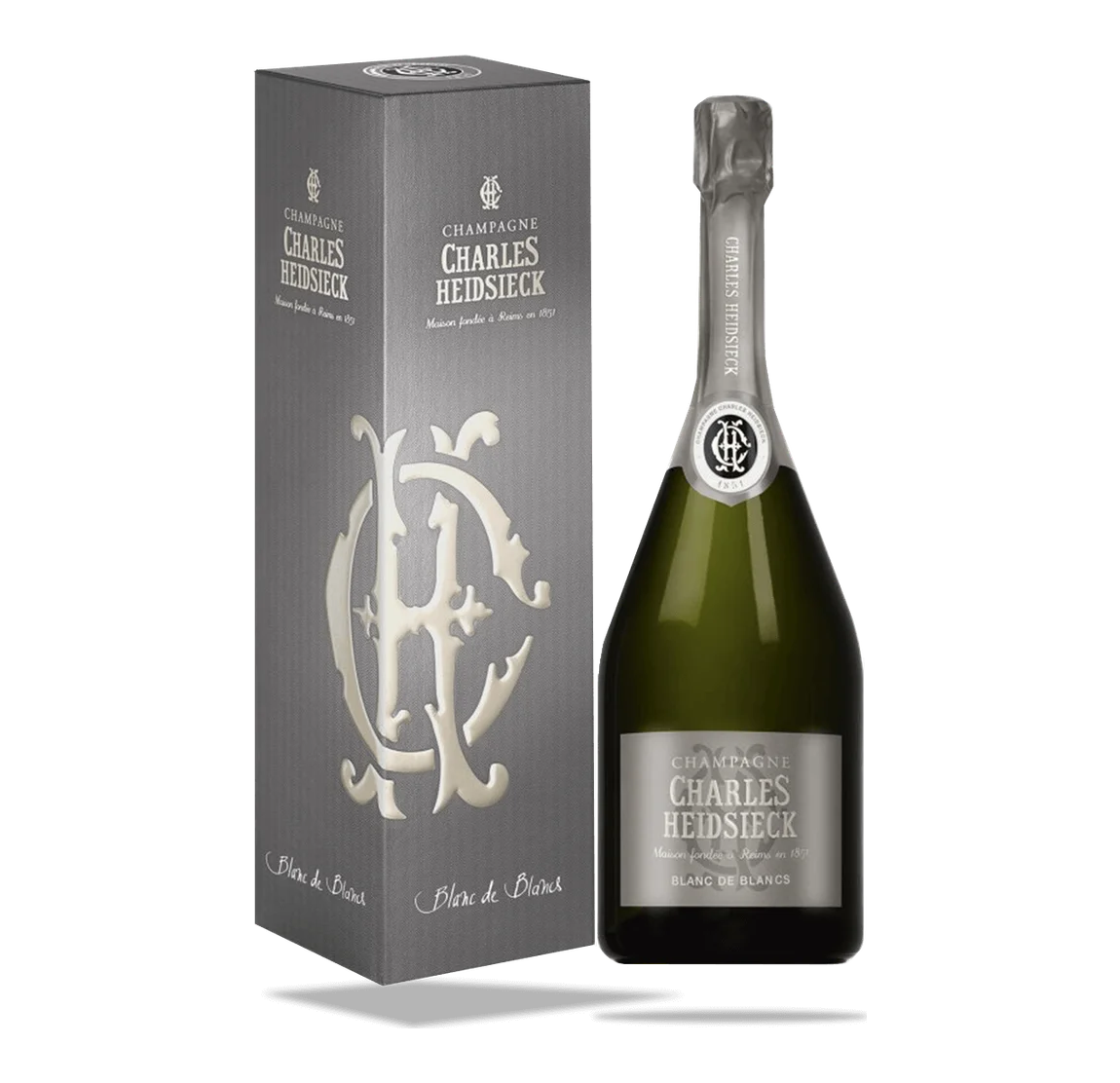
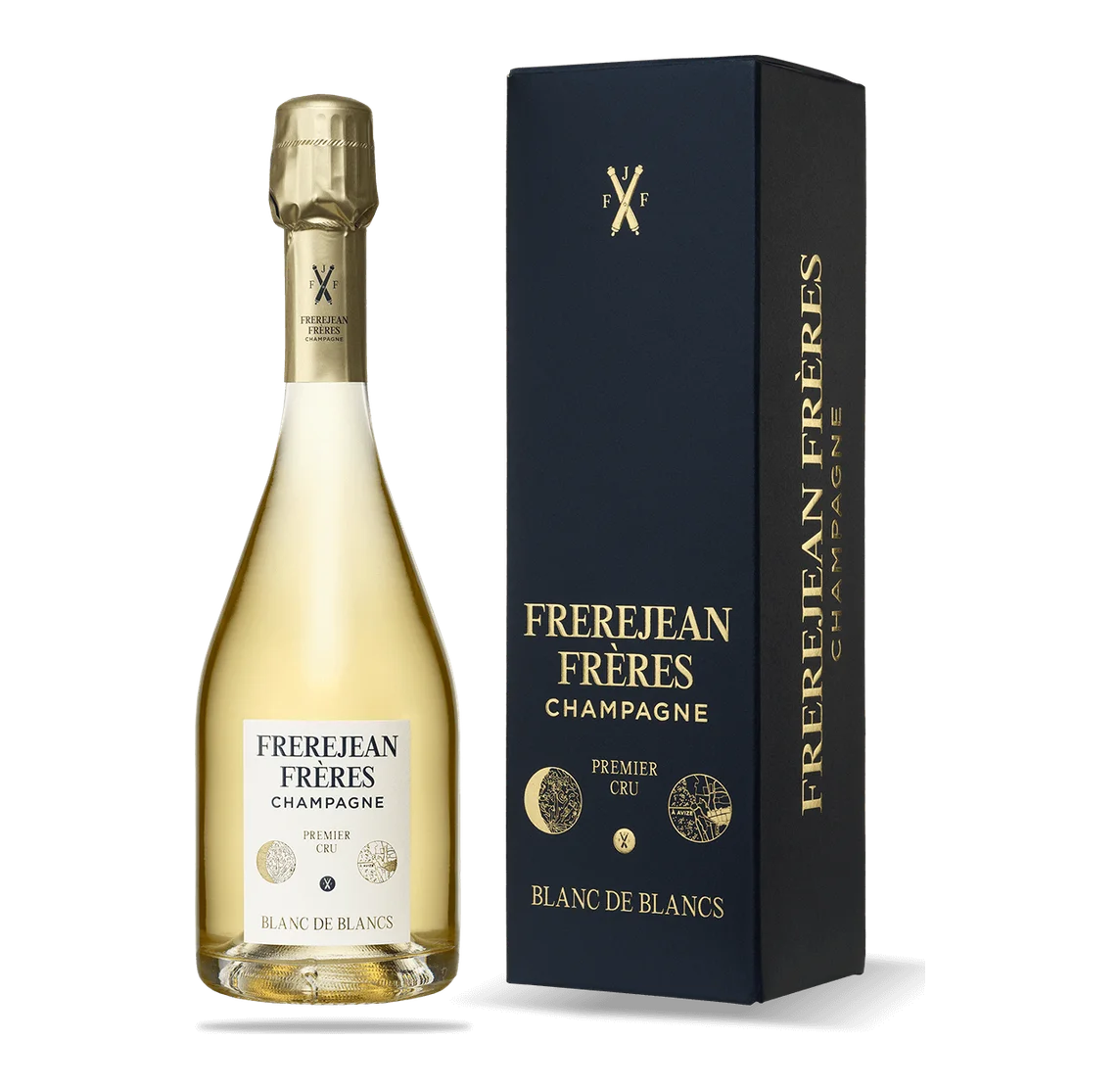
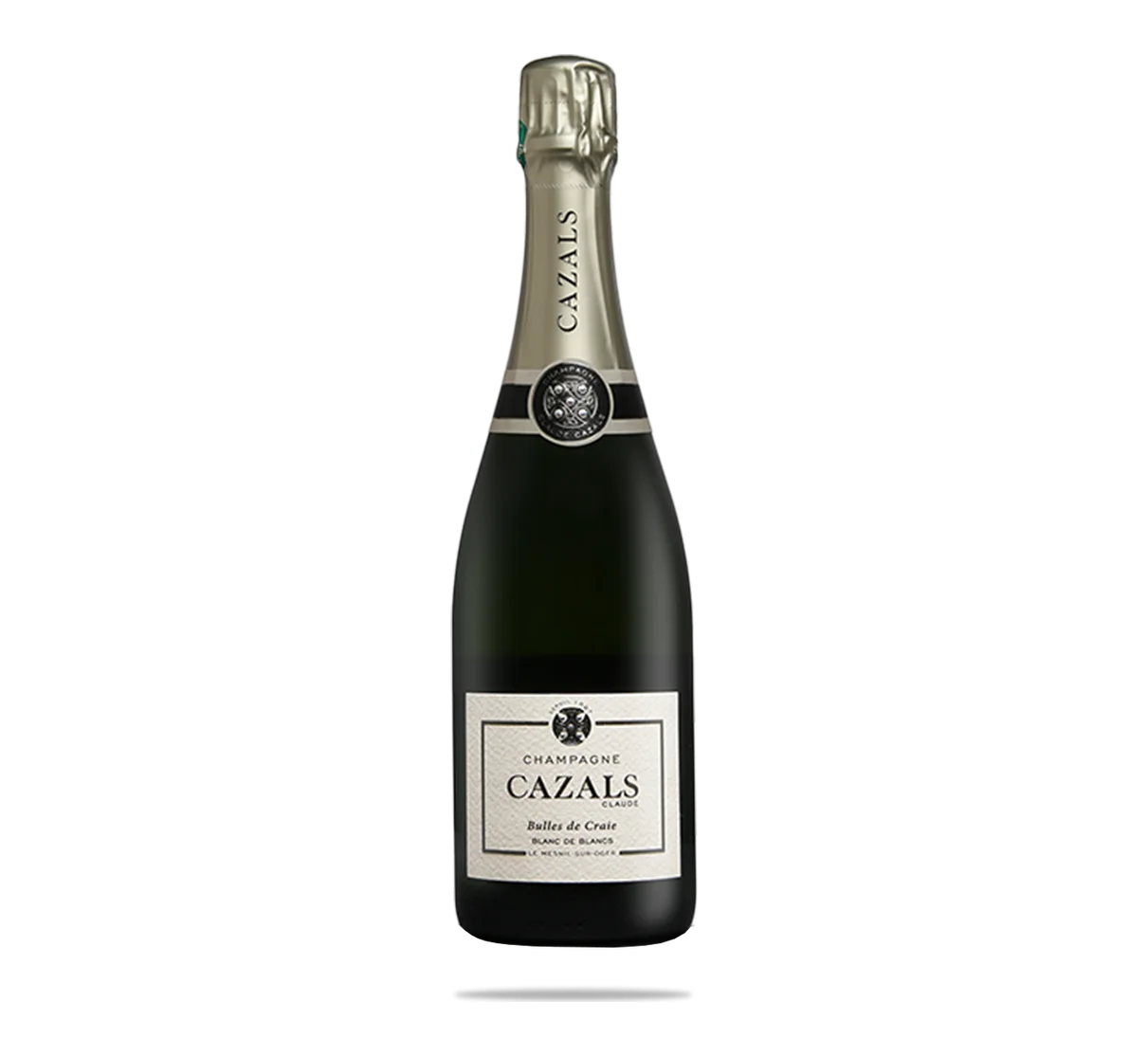
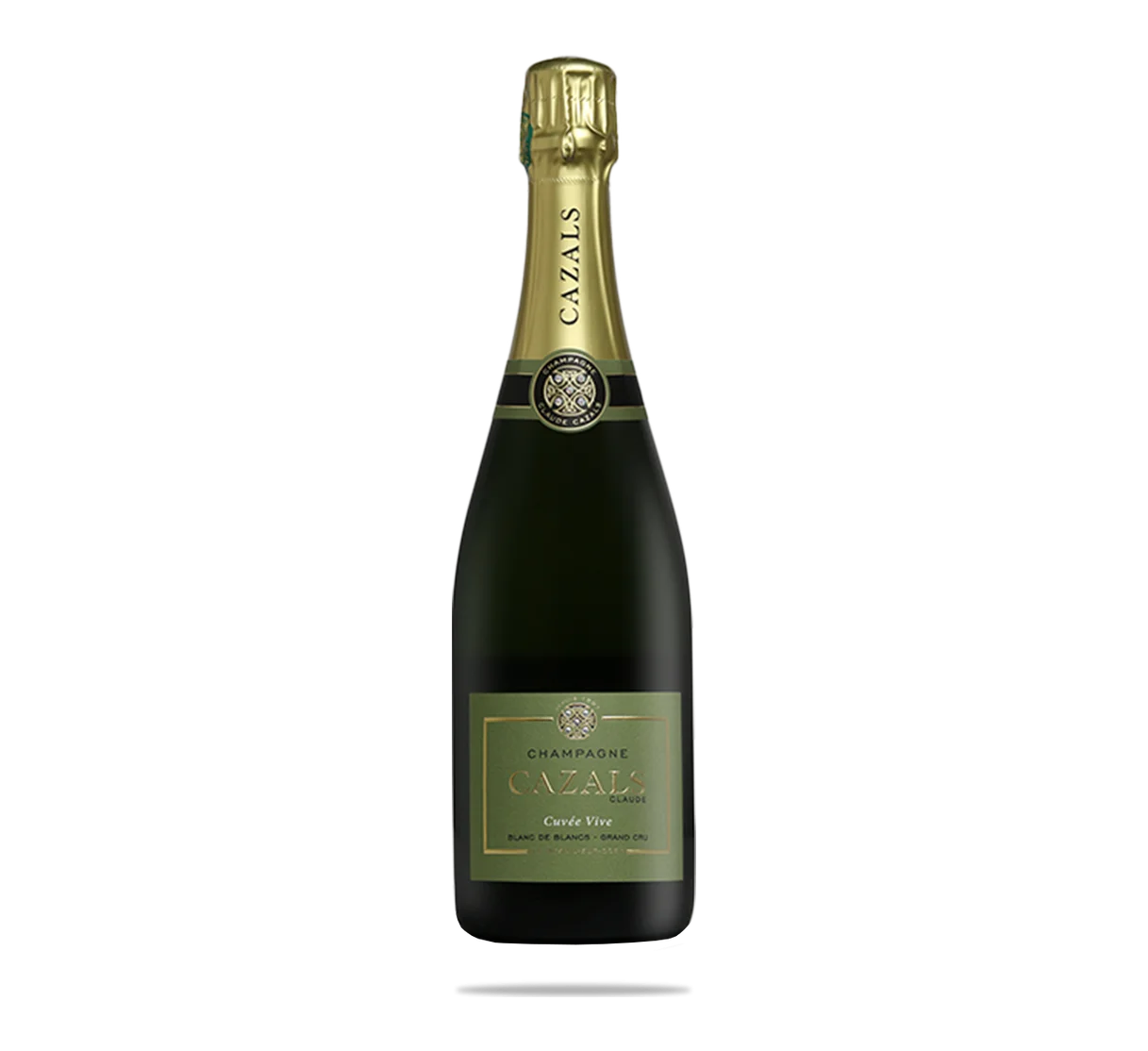
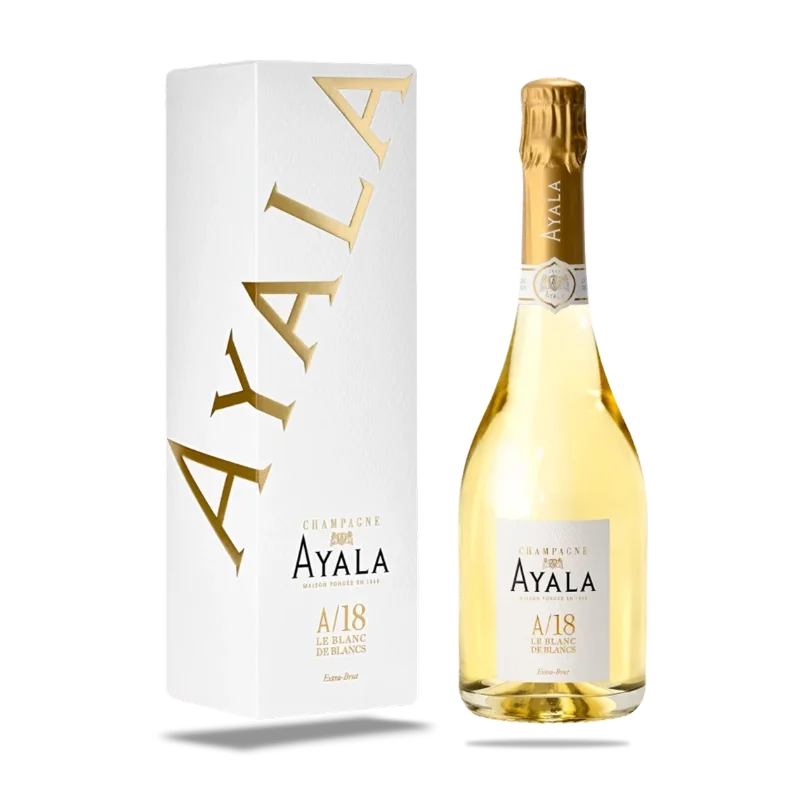
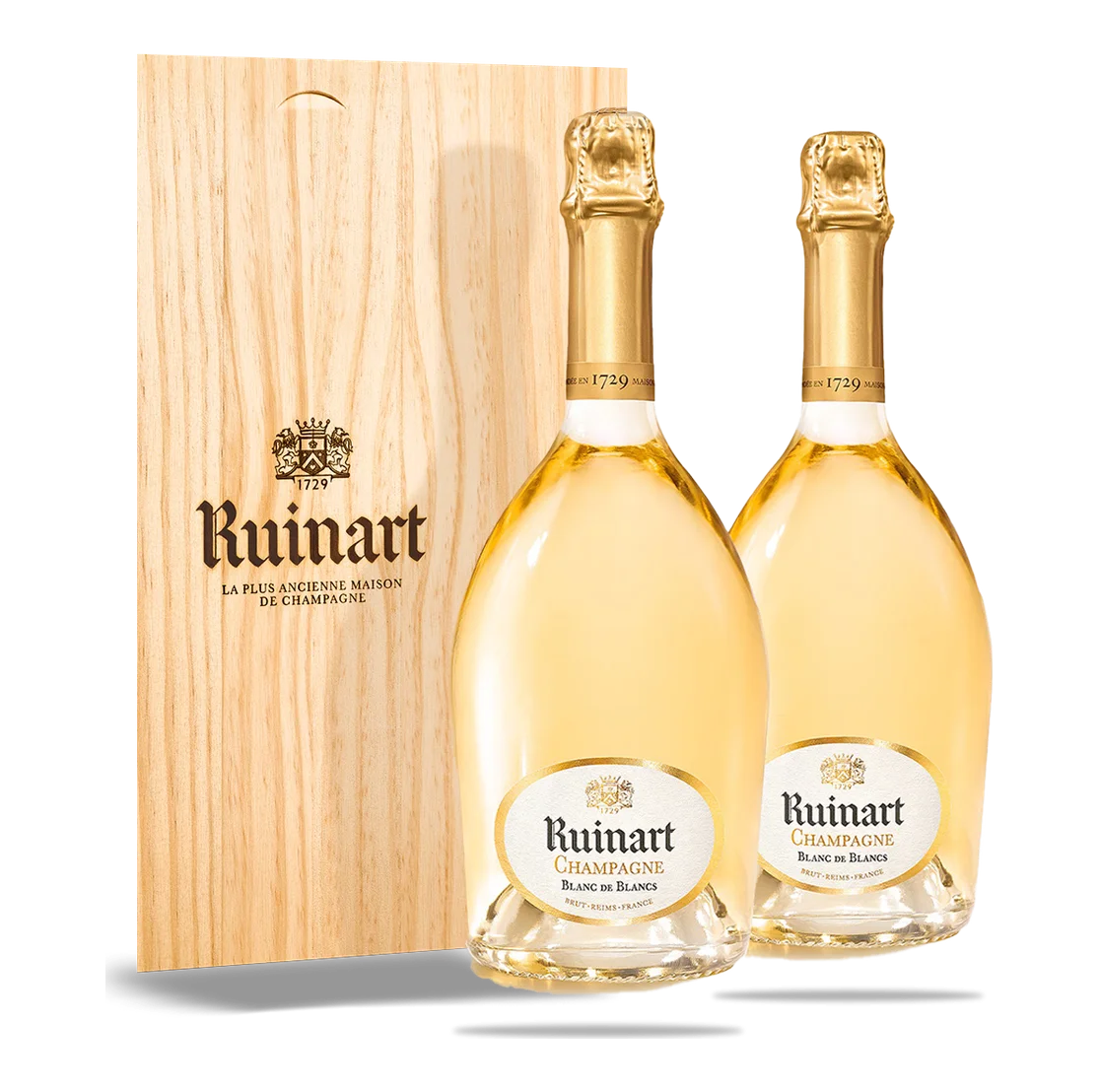
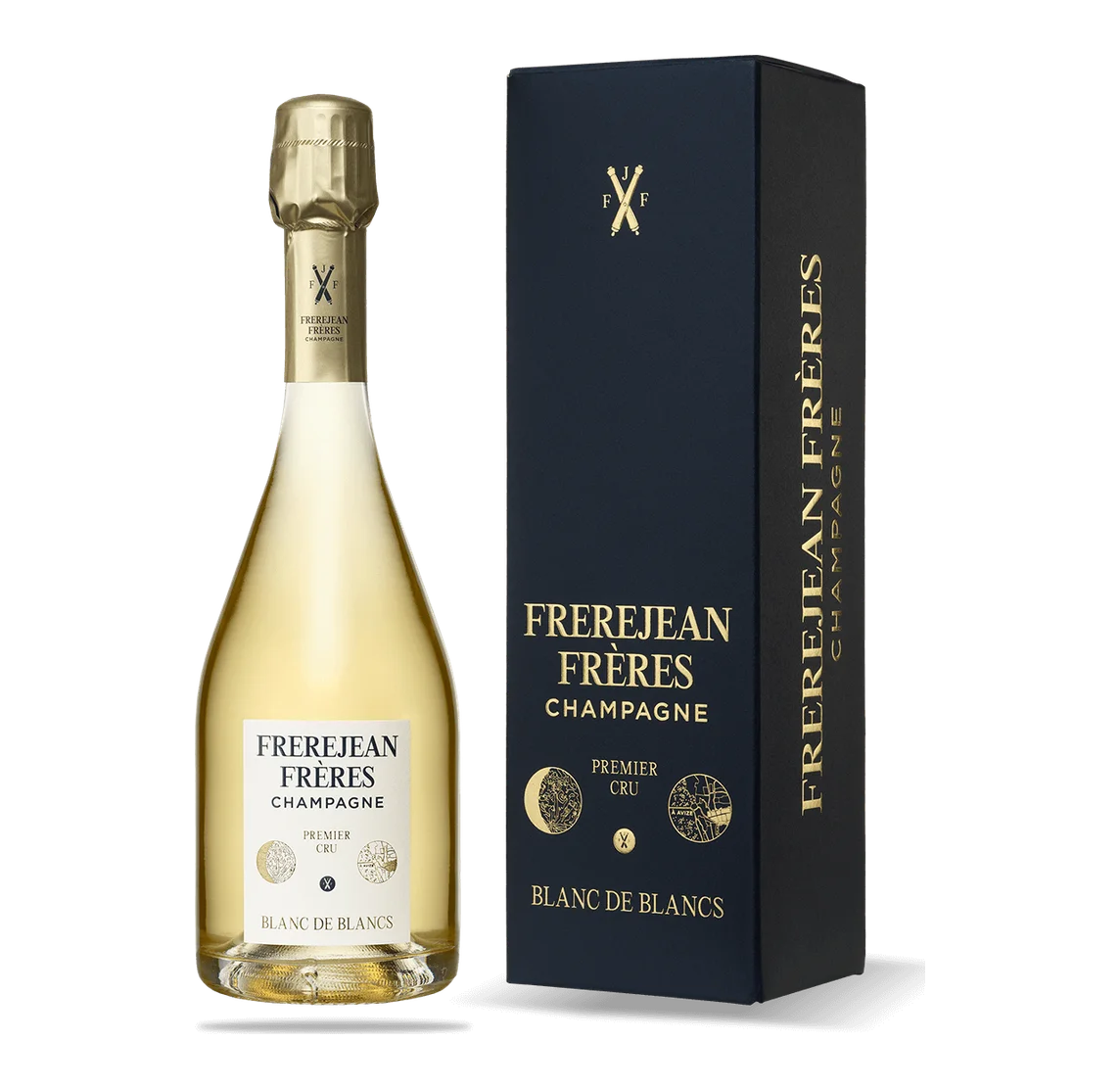
Soft cheeses with a mould-ripened rind (Brie, Camembert) pair wonderfully with a fresh Blanc de Blancs; a goat’s cheese calls for a crisp, mineral-driven cuvée; with a pressed cheese or a matured variety, a full-bodied Blanc de Noirs or a mature vintage provides the necessary structure.
Be bold with a platter of sparkling wines and extend your tasting experience with our food and champagne pairings, chosen from our selection of champagnes.
Yes, often better than red wine. The liveliness of the bubbles cuts through the richness and intensity of the cheeses, whereas the tannins in a red wine can make the pairing seem harsh. It is one of the most surprising and successful pairings at the table.
A fresh Blanc de Blancs pairs well with soft, white-mould cheeses (Brie, Camembert) and goat’s cheeses; a full-bodied Blanc de Noirs or a mature vintage champagne holds its own against pressed cheeses and mature, more robust varieties.
A dry, crisp brut remains the safest bet with most cheeses. A full-bodied rosé, which is fruitier and more structured, is particularly well-suited to pressed cheeses and those with a strong character. Avoid cuvées with high sugar content, as they are too sweet to pair with savoury dishes.