In a restaurant or hotel, the wine cellar is more than just a storage space. It represents a real lever of value, both for the image of the establishment and for its profitability. A well-monitored wine cellar means you can better advise your customers, keep your menu consistent and avoid management errors that often cost more than you think.
For a long time, many professionals have managed their cellars with manual tables, internal files or an organization based mainly on experience in the field. This method may work for a small structure, but it quickly shows its limits as soon as the number of references increases, several people are involved in the management or the wine list changes frequently. This is precisely where wine cellar management software becomes a strategic tool.
Why use wine cellar management software?
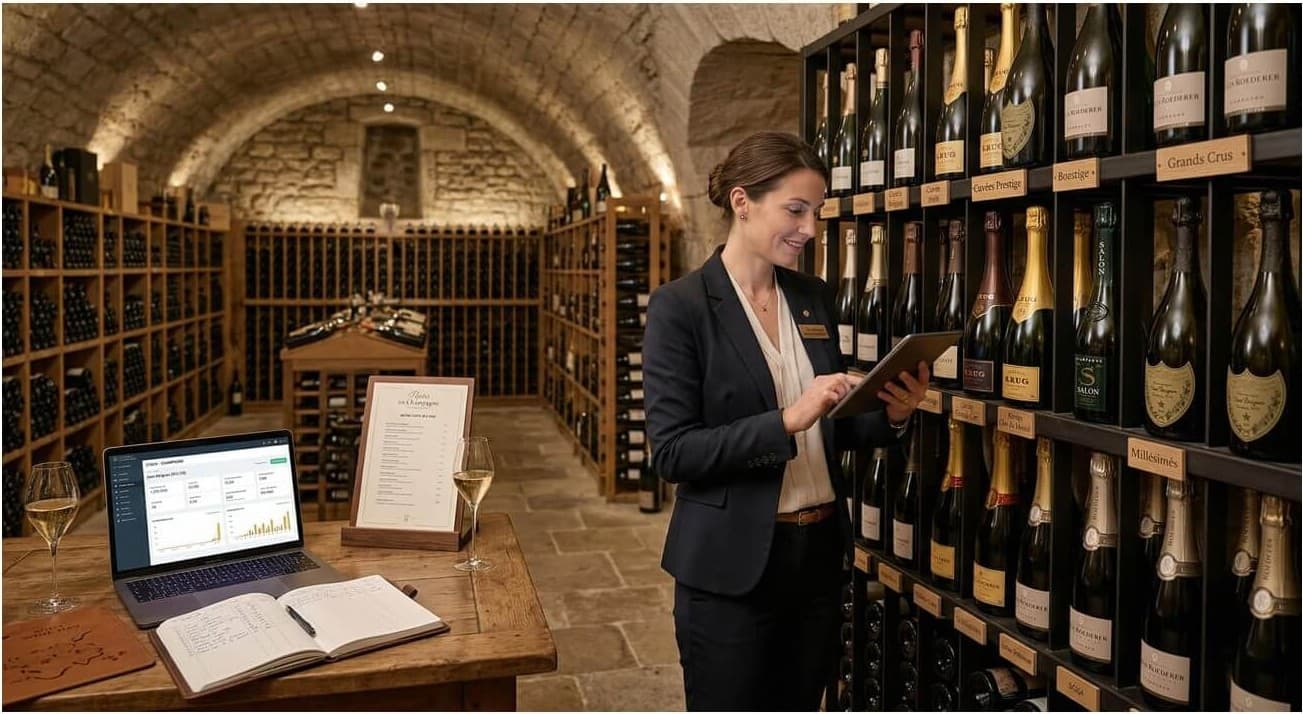
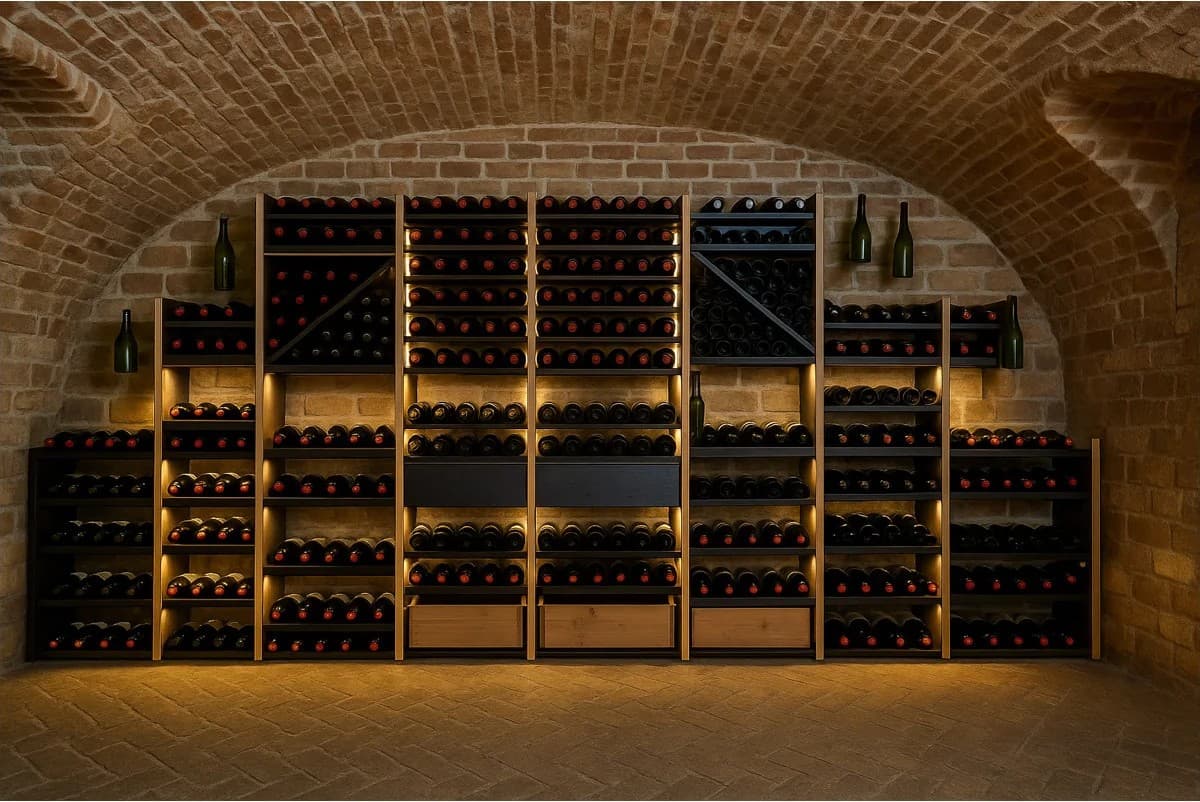
The first advantage of a specialized solution is a clear, up-to-date view of stock. Knowing exactly which bottles are available, in which quantities, at which vintage and in which location, helps limit errors at serving time. It also avoids unexpected stock-outs on important references, and helps to better anticipate restocking.
For an establishment wishing to offer a careful selection of wines, this control has become essential. Rigorous wine cellar management improves not only internal organization, but also the quality of service perceived by customers. When a sommelier or waiter can rely on reliable information, the overall experience gains in fluidity and credibility.
A major challenge: keeping the wine list up to date
Another decisive point concerns the wine list. In many restaurants, it is not always perfectly aligned with the actual stock, which can lead to frustration on both the waiter's and the customer's side. A good tool must therefore enable you to maintain a reliable, consistent and easy-to-update wine list.
In this respect, it may be useful to consult this site, which presents a thoughtful approach to keeping a wine list up to date and better synchronized with the reality of the cellar. This ability to connect stock management and commercial presentation is becoming a key criterion for today's demanding establishments.
How to choose the right wine cellar management software?
Choosing the right software is not just a question of choosing the right features. Ergonomics, ease of use and adaptation to the specific needs of the establishment are just as important. A gourmet restaurant, a high-end brasserie or a hotel will not necessarily be looking for exactly the same uses.
The ideal solution is one that is sufficiently comprehensive to structure management, without becoming a constraint for staff. Attention must also be paid to movement tracking, vintage management, rotation analysis and rapid consultation of available references.
Somm'IT, a solution to consider for professionals
In this world, Somm'IT is one of the solutions to consider for professionals who want to better manage their cellars and gain in efficiency in their day-to-day monitoring. The value of such a tool lies in its ability to centralize information, facilitate operational work and provide greater reliability in reference management.
To find out more, find out more about the solution and its uses for wine and catering professionals.
Compare tools according to your establishment's needs
It's also a good idea to evaluate the quality of the indicators proposed: stock valuation, bottle rotation, monitoring of outgoing sales or a more detailed reading of sales performance. These elements help to make better decisions and build a more coherent offer. Depending on your needs, some establishments will prefer simplicity, while others will be looking for a more analytical tool.
To enrich the debate around wine in restaurants, the reference media Guide MICHELIN also publishes quality content on the gastronomic experience and the enhancement of menus.
Good cellar management also means better wine promotion
Finally, good cellar management also means better protection of each bottle and better promotion of its identity. It's a subject that goes hand in hand with wine storage, service and presentation to customers. A well-managed cellar helps to avoid inconsistencies, sell better and provide a more qualitative experience.
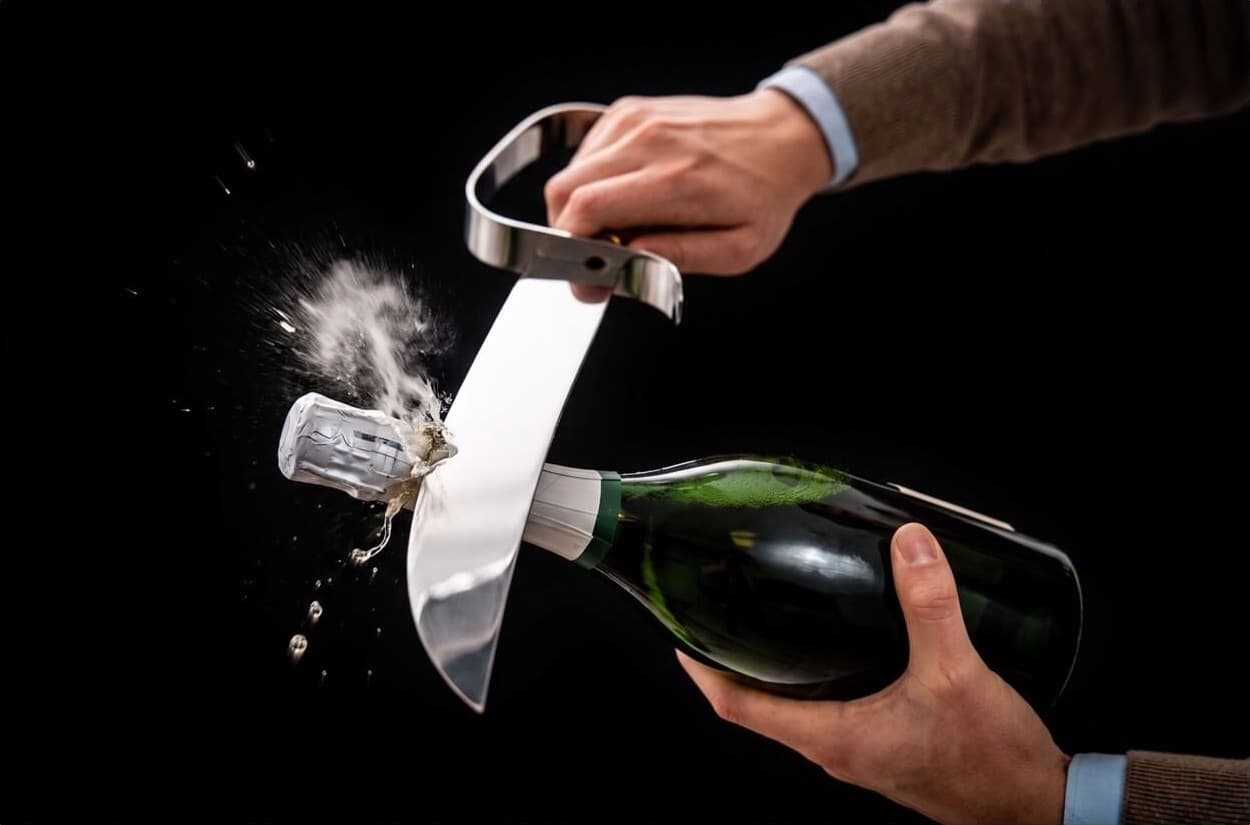
On this point, you can also read our article on how to store champagne in the best possible conditions.