Champagne pouilleuse, an enigmatic region in the heart of Champagne-Ardenne, arouses curiosity with its intriguing name. The name, which may seem unflattering at first glance, conceals a fascinating history linked to the area's geology and agriculture. Located mainly in the Aube department and extending as far as the Marne, this region has a considerable influence on Champagne's agricultural production and cultural identity.
To understand the origin of this particular name, it's essential to explore the unique characteristics of Pouilleuse Champagne. Its chalky limestone soil, a legacy of the Cretaceous era, has shaped its landscape and economy over the centuries. This geological composition has had a major impact on local agriculture, favoring the cultivation of cereals and sugar beet. The article will also examine how the evolution of agricultural practices and the use of fertilizers have transformed this land, once considered not very fertile, into a productive area.
Origin of the name 'Champagne Pouilleuse
The name "Champagne pouilleuse" derives from the region's historical poverty. This term, which may seem pejorative, reflects the difficult conditions that once prevailed in this area. The chalky limestone soil, a legacy of the Cretaceous era, made traditional farming almost impossible. Only sheep farming was practiced, which helped shape the local landscape and economy for centuries.
The word "pouilleux" refers to the misery and poverty that characterized this region. Interestingly, however, some historians attribute the name to the abundant presence of spearmint, a perennial plant that grew on the chalky ridges known as "savarts". This interpretation offers a more nuanced perspective on the origin of the name.
Despite its difficult past, Champagne pouilleuse has undergone a remarkable transformation over time. The introduction of fertilizers and the evolution of farming practices have enabled this land once considered barren to become a productive agricultural area, rivaling fertile regions such as Brie and Beauce.
Geographical features of the region
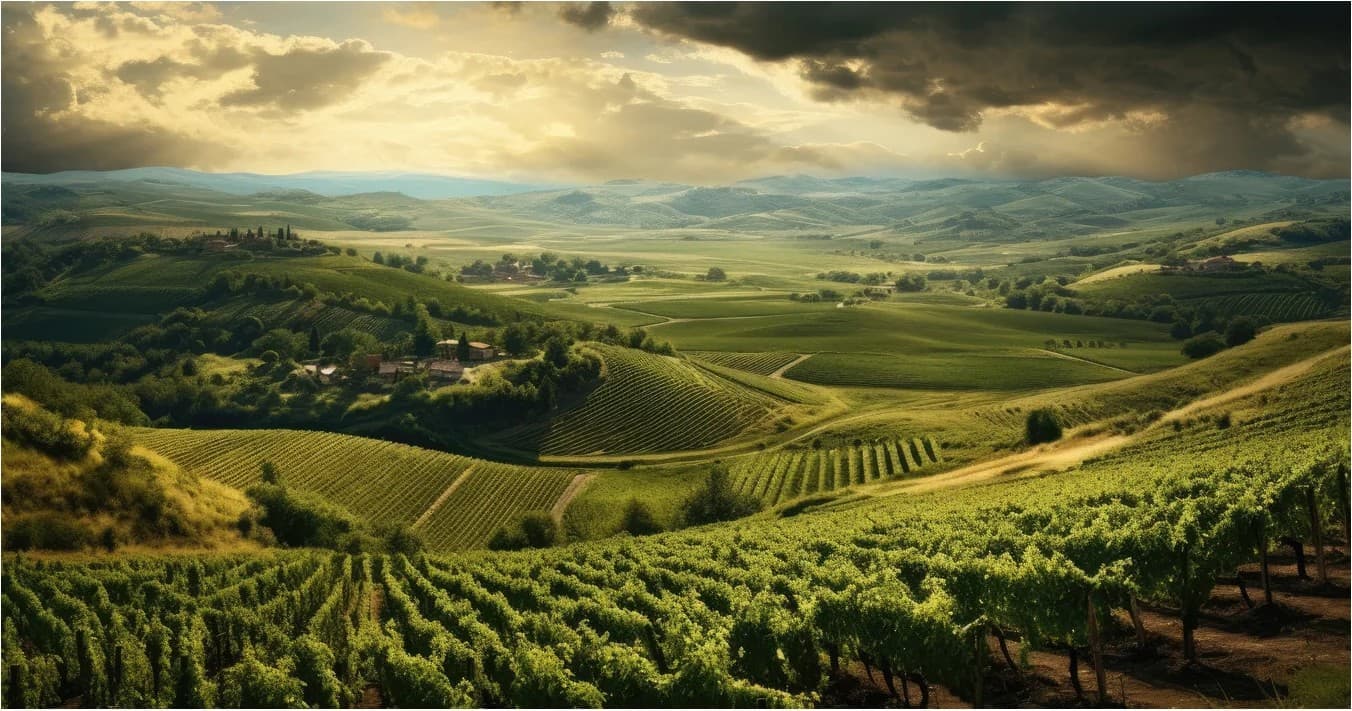
Champagne pouilleuse, also known as chalky Champagne, extends over a vast, undulating plateau. The region is characterized by its gentle relief, with altitudes ranging from 60 to 180 meters. The substratum is essentially made up of chalk, a legacy of the Cretaceous era, which often outcrops at the surface. This geological feature has a considerable impact on the landscape and agriculture.
Champagne pouilleuse's climate is influenced by both oceanic and continental currents. Winters can be harsh, while summers are generally hot and stormy. Average annual rainfall is around 620 mm, with a relatively even distribution throughout the year. The region is crossed by four main rivers: the Aisne, Aube, Seine and Marne, which play a crucial role in its ecosystem and economy.
FAQ
Why is the region called Champagne Pouilleuse?
The region known as Champagne Pouilleuse, or Champagne Crayeuse, takes its name from its historical poverty. The region's chalky soil made it difficult to cultivate the land, allowing only sheep farming.
Where is Champagne Pouilleuse located?
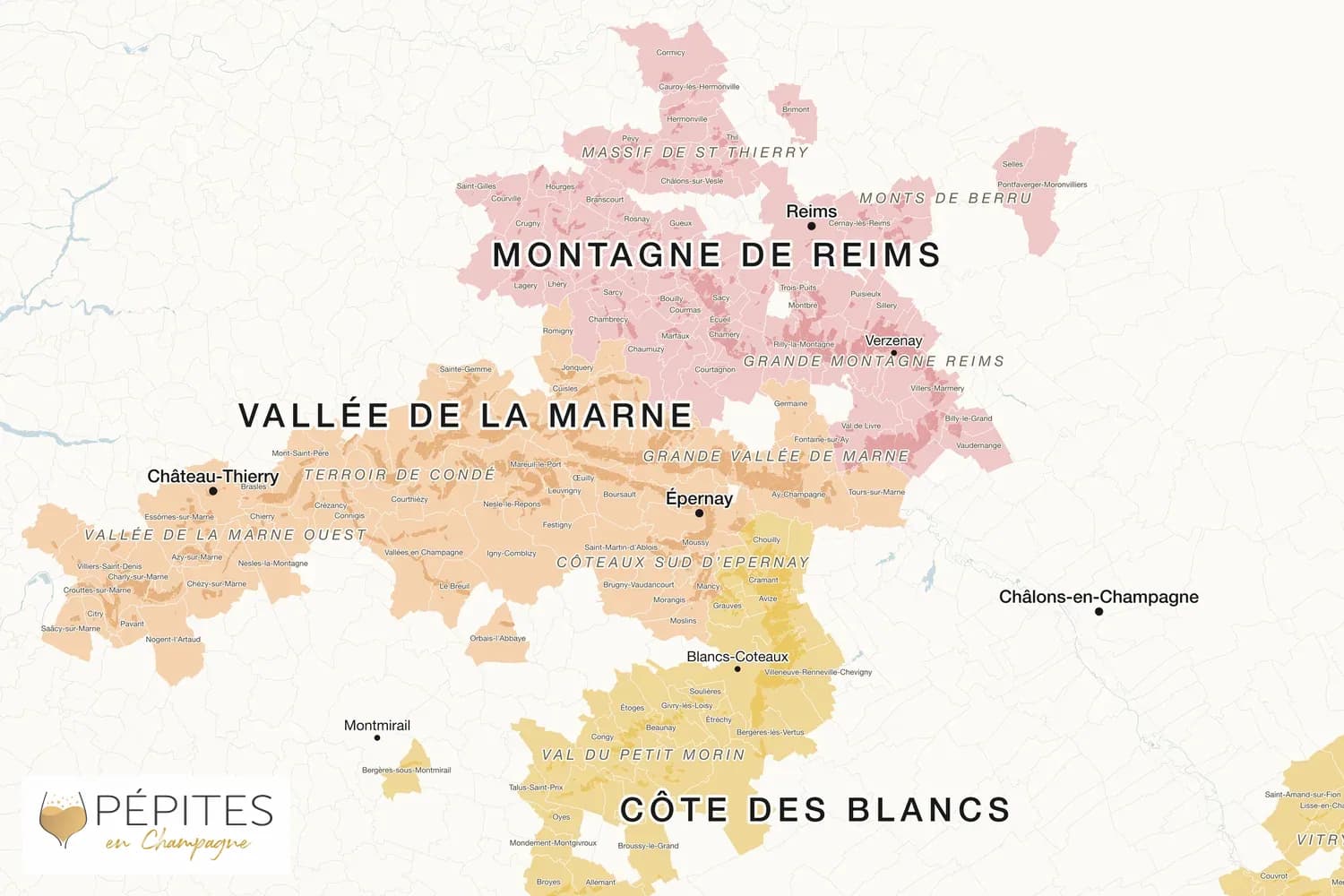
Champagne Pouilleuse extends mainly across the departments of Aisne, Ardennes, Marne, Aube, Seine-et-Marne and, in part, Yonne. It is bordered to the north by the Mosan, Thiérache and Hainaut regions, to the east by Champagne humide, and to the south by Pays d'Othe and Gâtinais oriental.
Which departments make up the Champagne-Ardenne region?
The Champagne-Ardenne region, located in northeastern Franceand bordering the Walloon region in Belgium, comprises the departments of Ardennes, Marne, Aube and Haute-Marne.
What do we call the residents of Champagne?
The inhabitants of Champagne are called Champenois.
Conclusion
Champagne pouilleuse, with its fascinating history and unique characteristics, has undergone a remarkable transformation over time. Its limestone soil, once considered unfertile, has had a considerable influence on local agriculture and wine production. This region, once synonymous with poverty, has become a productive agricultural area thanks to evolving practices and the use of fertilizers.
The appellation "Champagne pouilleuse" is a reminder of the region's difficult past, while underlining its resilience and adaptability. Today, this area plays a crucial role in Champagne's economy and cultural identity. Its history and geological features continue to shape its landscape and agriculture, making the Champagne pouilleuse a unique and captivating region to explore.