

5 tips to serve champagne like a pro
The essentials
To serve champagne like a pro, there are five key steps that make all the difference: chill to 8–9°C (in an ice bucket for 20 minutes), open the bottle by turning it to produce a subtle ‘pschitt’, use 20–30 cl tulip-shaped flutes washed without detergent, and hold the bottle by its base.
- At what temperature should champagne be served?
- Champagne is best served at 8–9°C. Older vintages and special cuvées may reveal their full potential at around 10–12°C. To reach this temperature, place two-thirds of the bottle in an ice bucket for 20 minutes.
- Which glass should you use for tasting champagne?
- It is recommended that you use a tulip-shaped glass with a capacity of 20 to 30 cl, washed in hot water without washing-up liquid. A glass washed in the dishwasher prevents the bubbles from forming properly.
- How do you open a bottle of champagne without the cork popping out?
- To open a bottle of champagne without the cork popping out, you need to twist the bottle (not the cork) whilst holding the cork firmly in place. The aim is to hear a soft ‘pschitt’ – a sign that the bottle has been opened properly.
From choosing the right glass to holding the bottle correctly: serving champagne like a pro requires a few precise steps that make all the difference.
2 min read

Serve the champagne at the right temperature...
... i.e. cool, at 8 or 9°C. Some vintages, however, are best served around 10 or 12°C, such as old vintages or special vintages. The ideal is to plunge the bottle 2/3 of the way into an ice bucket for 20 minutes.
If not, cool your bottle in the least cold part of your fridge to preserve the qualities of the wine for tasting. Avoid the freezer at all costs!
Open the bottle correctly...
... and with a smile! To open the bottle, you must tilt it slightly and release the loop of the liner. Then, remove the wirehood and its covering while holding the cork with your thumb and the bottle straight. Then, still holding the cork firmly, grasp the body of the bottle and twist it to gently release the cork from the neck
without letting it slip out. Normally, you should hear a gentle "spritz", not the famous "pop"! Finally, remember to taste the champagne before serving it.
Serve the champagne in clean glasses...
... washed in hot water. In a glass washed in the dishwasher, the bubbles do not bloom as they should.
It is best to wash the glass with hot water, without any product and let it dry. To avoid traces of limescale, you can wash it in hot water with a little white vinegar.
Serve the champagne in suitable glasses...
... in a flute. It is advisable to drink champagne in tulip-shaped glasses with a large container (20 to 30 cl) to give the bubbles room to develop and allow the aromas to express themselves.
Serve champagne with style...
... by holding the bottle by the base and not by the neck.
The ceremonial of serving champagne is as important as the champagne itself. The bottle should be held with one hand by the bottom, which has a conical cavity called the piqûre. To facilitate the service, you can put your thumb in the piqûre.
Our best sellers
À lire également
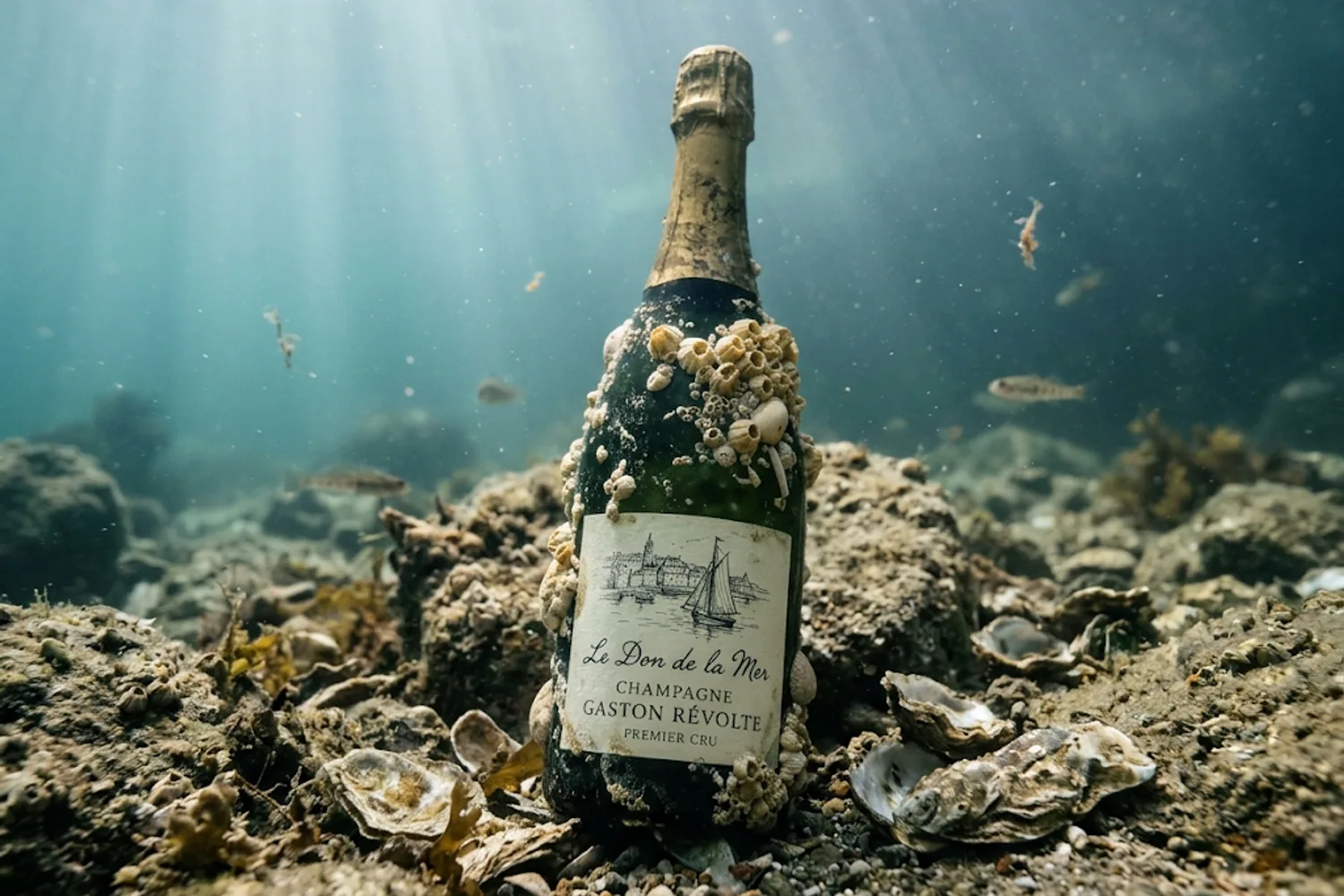
Gaston Révolte: which cuvée should you choose? From Brut Tradition to Don de la Mer, aged under the sea
In Avenay-Val-d'Or, the Gaston Révolte estate still works its vines with a plough and lets its wines rest on lees for anywhere from 24 to over 150 months. Its most astonishing cuvée then spends 12 to 18 months in the sea off Cancale and emerges covered in shellfish. Here is how to choose among the five cuvées in our cellar.
Private chef, exceptional cuisine designed for you
A gourmet meal at home, without spending the evening in the kitchen: how to book a private chef in Paris, create a tailor-made menu to suit your budget and choose quality products.
Champagne Henriot : le chardonnay de gastronomie à travers la cuvée Rose Noire
En Champagne, le chardonnay incarne la pureté, la tension saline et l’élégance minérale. Chez Champagne Henriot, ce cépage blanc d’élite constitue la colonne vertébrale du style de la Maison, portée par les grands crus de la Côte des Blancs. Si le Blanc de Blancs classique de la gamme illustre la vivacité crayeuse des terroirs d'Avize ou de Chouilly, une cuvée plus confidentielle attire le regard des connaisseurs : la cuvée Rose Noire Pur Chardonnay.
