Get a €40 discount on purchases of €500 or more, and a €100 discount on purchases of €1,000 or more of champagne (excluding shipping costs)
Logo of the Dom Pérignon Champagne house

Dom Pérignon Champagne — The art of vintage champagne, dating back to Hautvillers Abbey


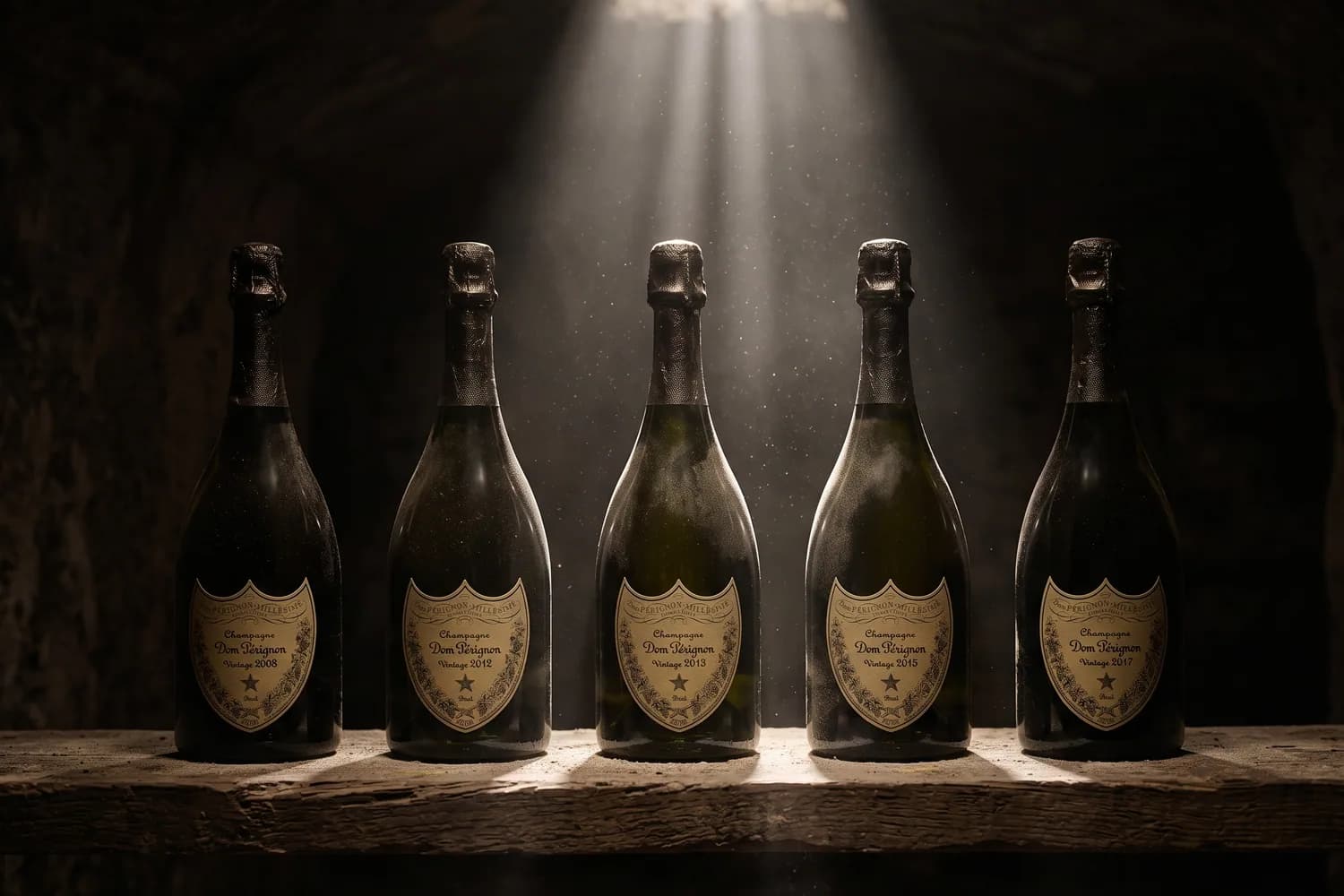
Dom Pérignon, born in Hautvillers in the Marne Valley, is the quintessential vintage champagne. Whilst most of the great houses build their reputations on non-vintage blends, Dom Pérignon has made the vintage its guiding philosophy since 1921: each bottle reflects a single harvest, a single season. Fromthe Abbey of Saint-Pierre d’Hautvillers, the cradle of the Champagne tradition, the house meticulously blends Grand Cru Pinot Noir from the Montagne de Reims and Chardonnay from the Côte des Blancs. Three cuvées make up this unique range: the Vintage, the Rosé and the Plénitude 2, each embodying a distinct stage of maturity from the same exceptional vintage.

Buy Dom Pérignon champagnes online


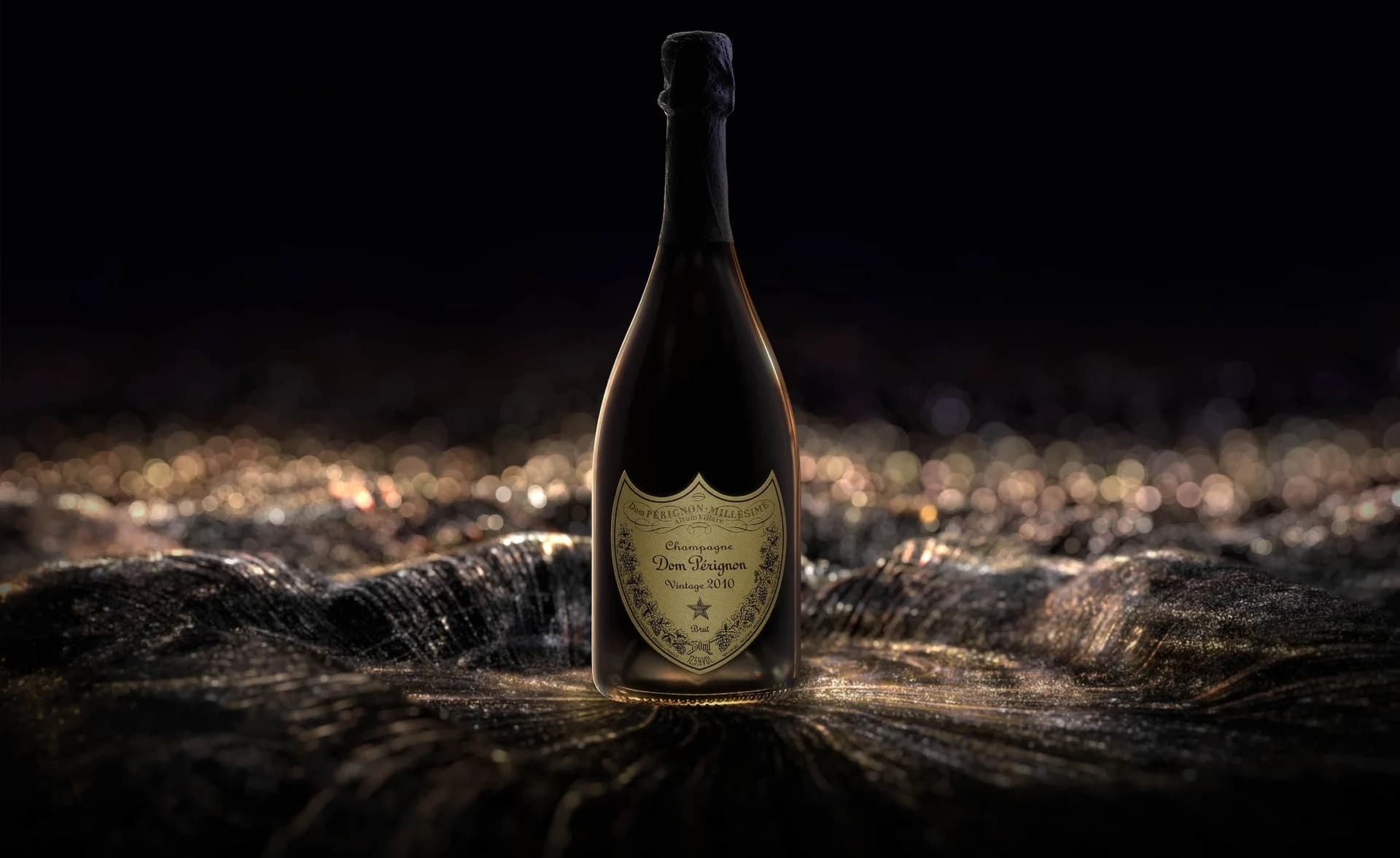
Dom Pérignon Champagne — 2010 vintage

The Dom Pérignon cuvées — Vintage, Rosé and Plénitude 2


The Vintage is the flagship wine: a blend of Pinot Noir and Grand Cru Chardonnay, it reveals notes of candied citrus, brioche and fresh chalk. It pairs beautifully with oysters, roasted lobster or poultry with truffles. The Rosé, fuller-bodied and fruitier, pairs well with smoked salmon, seared scallops or lightly spiced white meat. La Plénitude 2 (P2), after more than sixteen years on the lees, comes into its own with mature cheeses or dishes featuring truffles and wild mushrooms.

Serve the Vintage and the Rosé at 8–10 °C in a slightly flared wine glass; serve the Plénitude 2 at 10–12 °C after a brief decanting of a few minutes. When stored in a cool cellar (10–12 °C, away from light and vibrations), a Vintage from a great vintage will improve over 15 to 20 years; the P2 can age for 30 years or more.

Discover the Dom Pérignon selection at Pépites en Champagne — expert advice, carefully packaged, with express delivery in France and across Europe.

Dom Pérignon — The legacy of the monk Pérignon and the terroir of Hautvillers


The history of Dom Pérignon has its roots atthe Abbey of Saint-Pierre in Hautvillers, where the Benedictine monk Pierre Pérignon (1638–1715) began, from 1668 onwards, to develop a pioneering approach: blending complementary grape varieties and terroirs before pressing to create a wine of unprecedented complexity. The Abbey overlooks the Marne Valley from a hillside with a long tradition of winegrowing, a terroir that still shapes the identity of each cuvée.

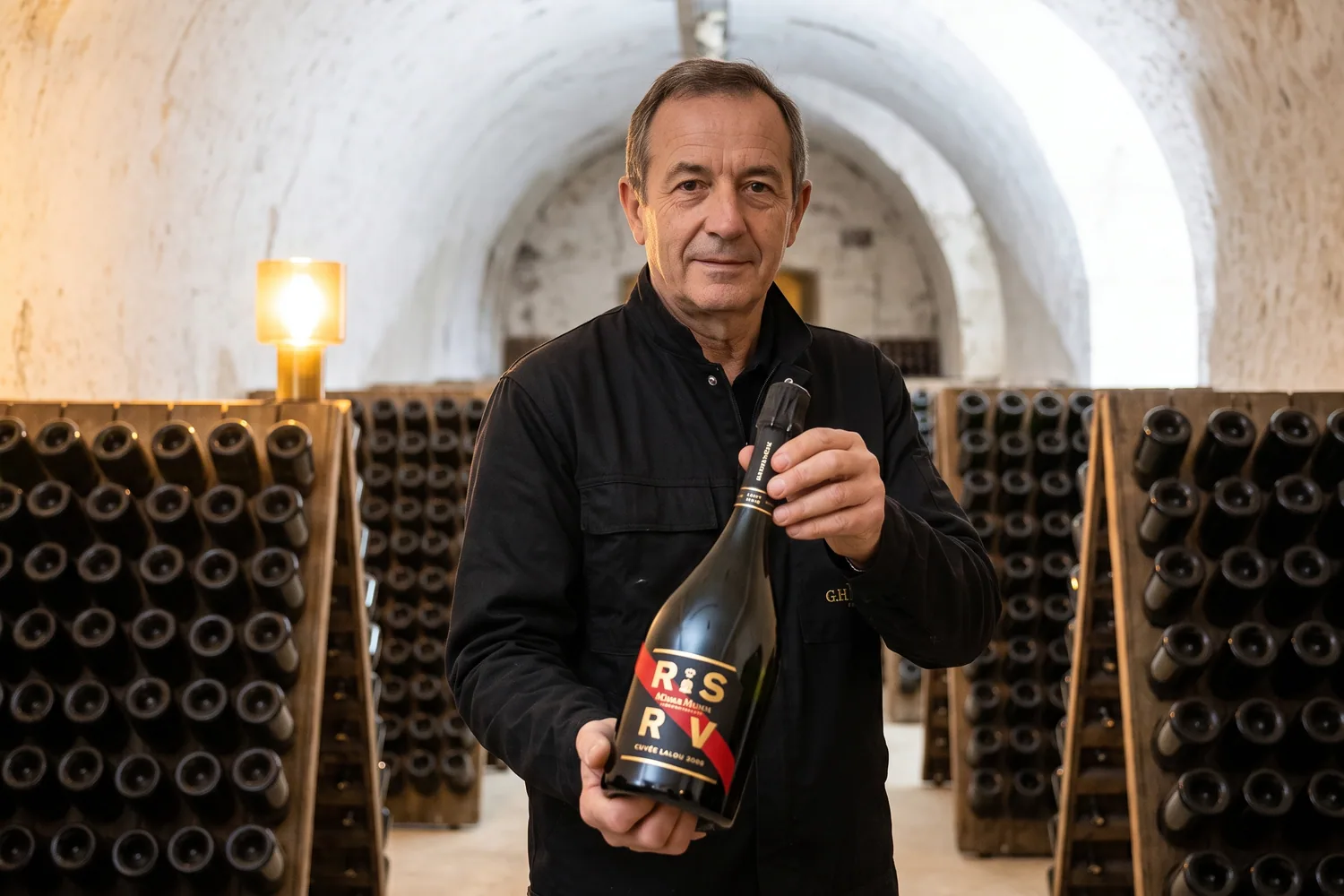
Today, under the guidance of cellar master Vincent Chaperon, the house only releases a vintage when the harvest achieves excellence — around forty vintages have been released since 1921. The winemaking process is based on the meticulous blending of Grand Cru Pinot Noir and Chardonnay, produced using the traditional Champagne method in the bottle.

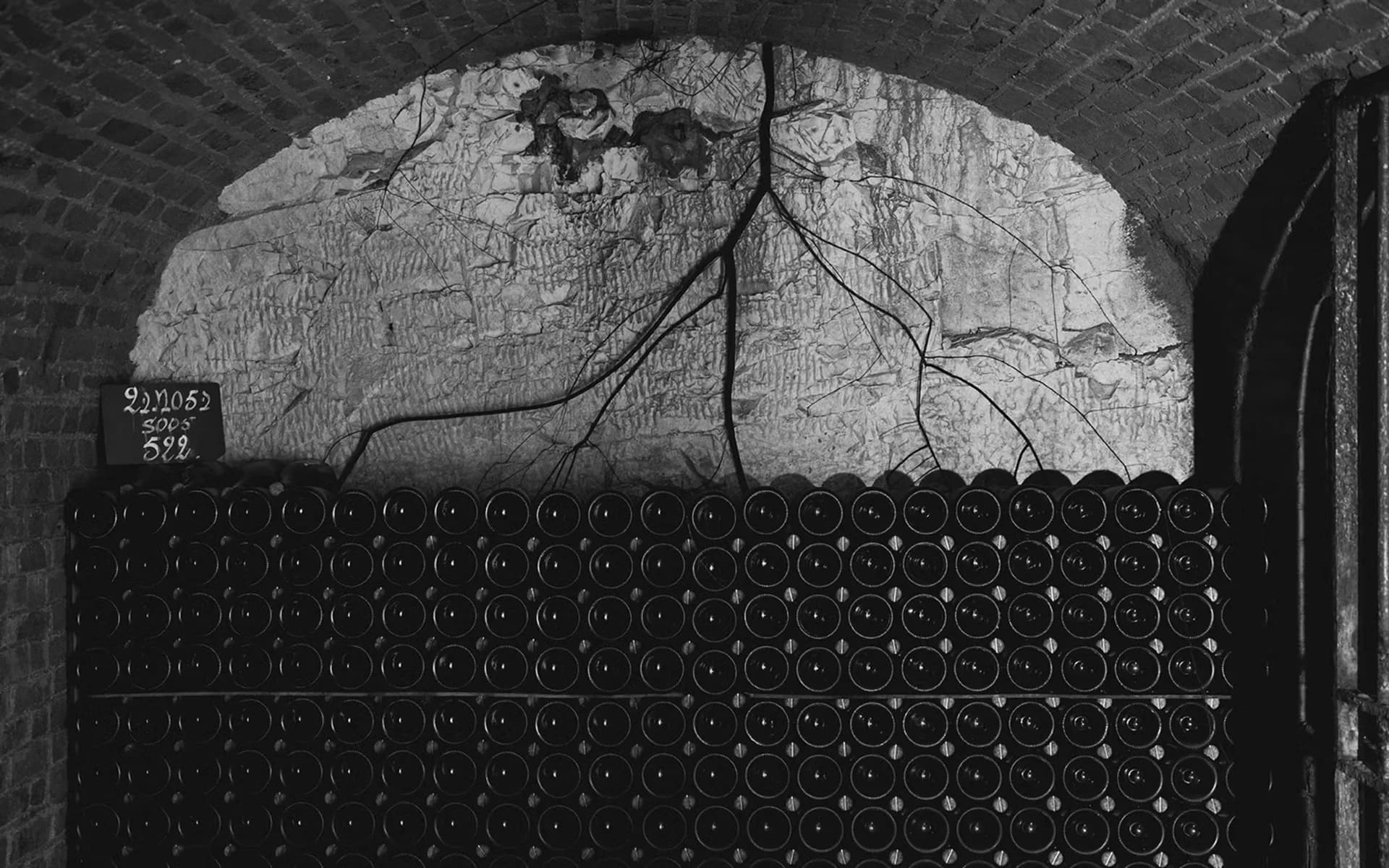
Dom Pérignon Estate in Champagne — cellars on the Marne

Your questions about Dom Pérignon champagnes


Why does Dom Pérignon only produce vintage champagnes?
Dom Pérignon has made vintage its absolute rule since 1921: the house only selects a harvest when it reaches a level of excellence deemed worthy of the brand. There are no non-vintage bruts in the range — this radical choice ensures that every bottle faithfully reflects a unique terroir and season, never smoothed out by the blending of several vintages.
What food and wine pairings go well with Dom Pérignon champagne?
The Vintage pairs well with oysters, lobster, turbot or poultry with truffles. The Rosé goes well with smoked salmon, seared scallops and lightly spiced white meats. La Plénitude 2, which is fuller-bodied and more complex, pairs well with mature hard cheeses, wild mushrooms or dishes featuring black truffles.
How should Dom Pérignon champagne be served and stored?
Serve the Vintage and the Rosé at 8–10 °C in a flared wine glass. La Plénitude 2 is best enjoyed at 10–12 °C after being decanted for five minutes. When stored in a cellar at 10–12 °C, away from light and vibrations, a Vintage from a great vintage will age for 15 to 20 years; the P2 will easily last for over 30 years.
Where can I buy Dom Pérignon champagne online?
Discover the full Dom Pérignon range at Pépites en Champagne — an artisanal selection, expert advice and express delivery throughout France and Europe.
Is Dom Pérignon a champagne worth investing in? Value, ageing potential and storage conditions
The great Dom Pérignon vintages — notably 2009, 2010 and 2013 — are among the most highly prized champagnes on the secondary markets. Their exceptional ageing potential (15 to 30 years depending on the cuvée) makes them safe havens for discerning connoisseurs. One essential requirement is a stable cellar at 10–12 °C, free from vibrations and direct light, with bottles stored horizontally.
Which vintage of Dom Pérignon should you choose, depending on your tastes and budget?
The 2015, sunny and generous, is ideal for a first taste (Vintage around €200). The 2013, lighter and more taut, is perfect for those who appreciate precision and freshness. The 2010, highly acclaimed by experts, is a must-have for collectors. La Plénitude 2, aged for over sixteen years, represents the pinnacle of the range, priced from €500.

About

Champagne Dom Pérignon — the essentials

Founder
Dom Pérignon (Pierre Pérignon, 1638-1715)
Location
Hautvillers, Vallée de la Marne, Épernay
Cuvées
Vintage 2015, Rosé 2010, Plenitude 2, Limited Edition Murakami, Golden Vines X Dom Perignon Auction