Get a €40 discount on purchases of €500 or more, and a €100 discount on purchases of €1,000 or more of champagne (excluding shipping costs)
Logo of the Ruinart Champagne house

Ruinart Champagne — The oldest Champagne House, established in 1729


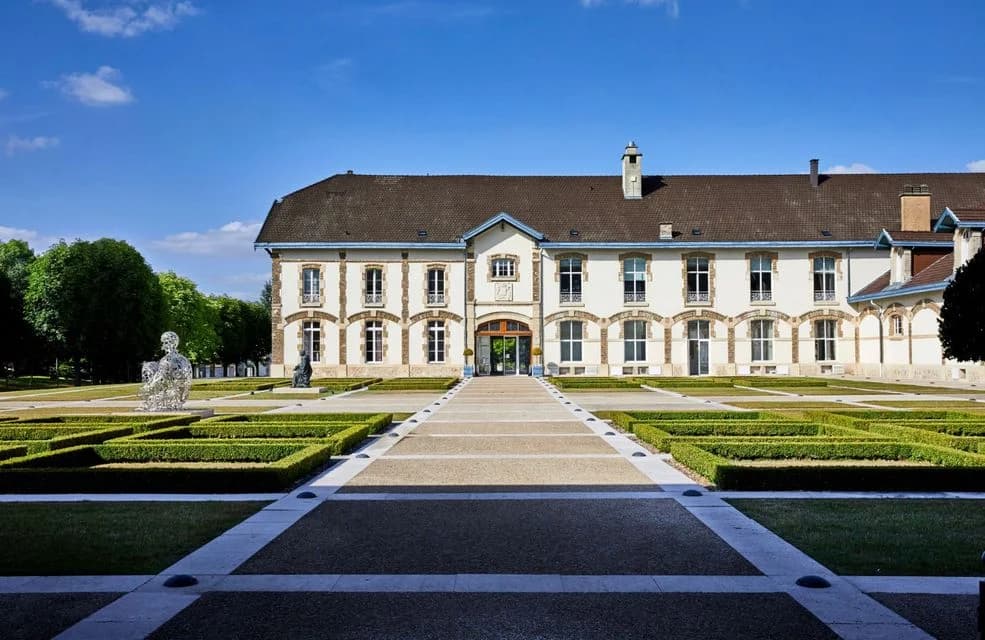
Founded in 1729 by Nicolas Ruinart, Maison Ruinart is the world’s first and oldest Champagne house. From its historic headquarters at 4 Rue des Crayères in Reims, it has built its identity on a radical commitment: Chardonnay as the pre-eminent grape variety, blended from some thirty exceptional crus — Sillery and Taissy on the Montagne de Reims, the Côte des Blancs and Sézanne further south. Each terroir brings its own nuance: the chalky tension of Sillery, the floral liveliness of the Côte des Blancs, and the ripe roundness of Sézanne. Far from diminishing this uniqueness, membership of the LVMH group (via MHCS) has enabled the preservation of the UNESCO-listed Gallo-Roman chalk cellars, which form a natural cellar stretching 8 kilometres, dug 38 metres beneath the town. A geographical, historical and stylistic foundation unrivalled in Champagne.

Buy Ruinart champagnes online


Ruinart Champagne — the cuvées

The Ruinart cuvées — from Ruinart’s ‘R’ to Dom Ruinart


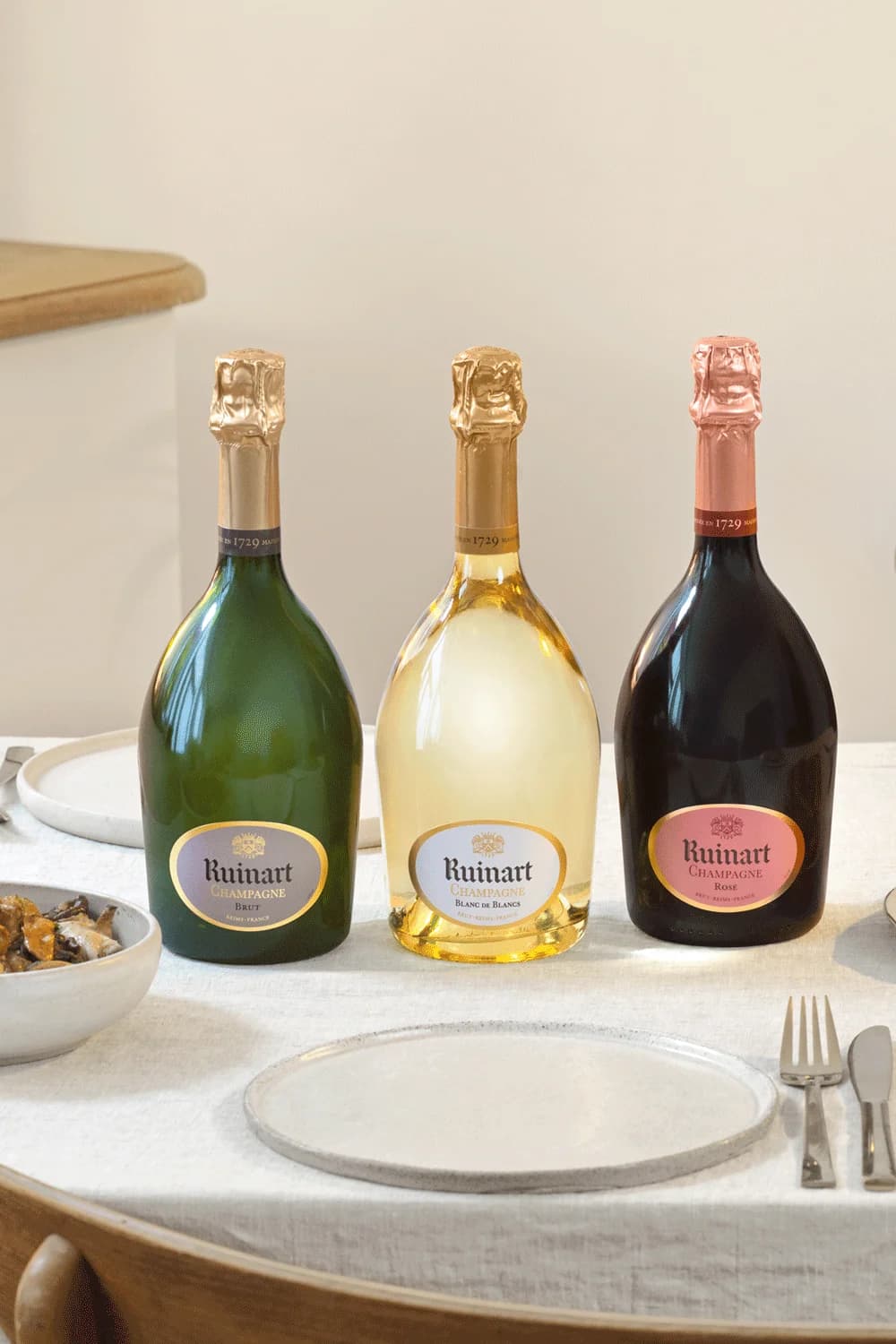
The Ruinart range is built around four pillars. Ruinart R (from €50) is the perfect introduction to the house’s world, ideal as an aperitif or with delicate canapés. Ruinart Blanc de Blancs — 100% Chardonnay — offers a creamy texture and a lemony, mineral finish that pairs beautifully with fine oysters, langoustines and premium fish. Ruinart Rosé, with its rare aromatic delicacy, pairs well with salmon tartare, roast poultry or a lightly fruity starter. The prestige cuvées Dom Ruinart Blanc de Blancs (vintages 2009, 2013) and Dom Ruinart Rosé (vintages 2007, 2009) reach gastronomic heights, best reserved for Breton lobster, scallops or a mature, long-aged Comté cheese.

Serve the Blanc de Blancs at between 8 and 10 °C in a slender white wine glass to reveal notes of chalk and citrus. Dom Ruinart is best served at 10 to 12 °C in a slightly wider glass. Non-vintage Ruinart can be cellared for 3 to 5 years in a cool, dark cellar; vintage Dom Ruinart can reach its peak between 10 and 15 years.

The entire Ruinart range is available from Pépites en Champagne — a premium selection, personalised advice and careful delivery throughout France and Europe.

Ruinart — Three centuries of Chardonnay in Reims


Nicolas Ruinart founded his House in 1729 in Reims — this marks the birth of the very first Champagne House. Based at 4 Rue des Crayères, it made Chardonnay the cornerstone of its style, a philosophy that has remained unchanged throughout the centuries. Now owned by the LVMH group through its subsidiary MHCS, the House retains a sense of identity that is rare for a brand of this international stature.

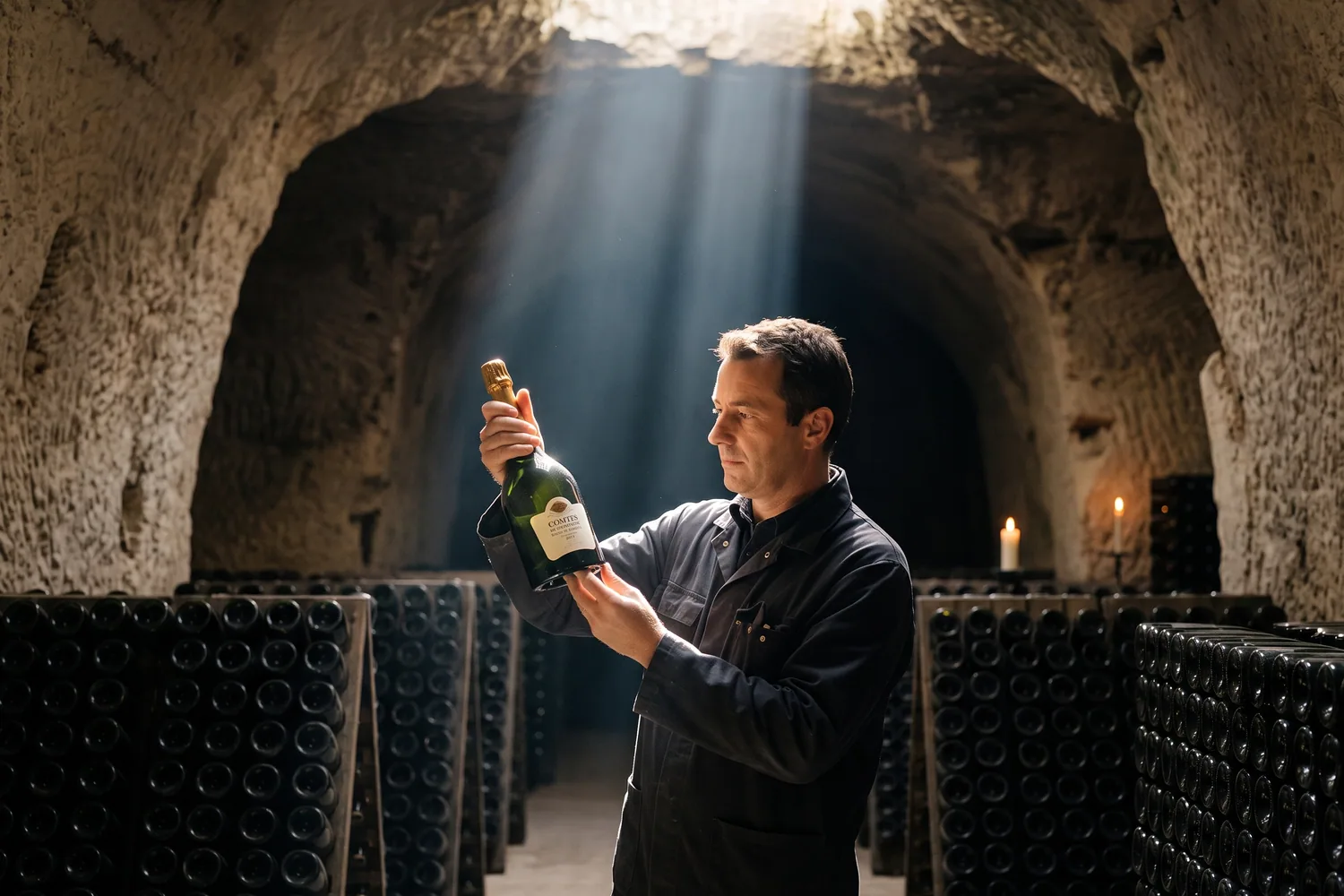
Beneath the city of Reims, Ruinart’s Gallo-Roman chalk cellars stretch for 8 kilometres of galleries dug 38 metres underground. Listed as aUNESCO World Heritage Site, they maintain a constant temperature of 10 to 12 °C — ideal conditions for the slow ageing of the cuvées, from the entry-level range right through to the prestigious Dom Ruinart vintages.

Domaine Ruinart in Champagne — vineyards and cellars on the Marne

Your questions about Ruinart champagnes


How much should you budget for a bottle of Ruinart champagne?
The Ruinart range extends from around €50 for the R de Ruinart to €150–225 for the vintage Dom Ruinart cuvées. The Blanc de Blancs and Rosé are priced between €70 and €90, offering particularly good value for money in this price range.
What food and wine pairings go well with Ruinart champagne?
Ruinart’s R is superb as an aperitif or served with Comté gougères. The Blanc de Blancs comes into its own with oysters, langoustines and fine fish. The Rosé pairs well with salmon tartare, roast poultry or lightly fruity starters. Dom Ruinart is best enjoyed with Breton lobster, pan-fried scallops or a long-matured hard cheese.
How should Ruinart champagne be served and stored?
Serve the Blanc de Blancs at 8–10 °C in a flûte or a slender white wine glass; serve the Dom Ruinart at 10–12 °C in a slightly wider glass. When stored in a cellar at a stable temperature (10–12 °C, away from light and vibrations), non-vintage champagnes can be kept for 3 to 5 years, whilst vintage Dom Ruinart champagnes can be kept for up to 15 years.
Where can I buy Ruinart champagne online?
Discover the full Ruinart range at Pépites en Champagne — a selection of artisanal wines, expert advice and express delivery throughout France and Europe.
Ruinart is owned by LVMH: is quality really being maintained?
Ruinart is owned by MHCS, the champagne subsidiary of the LVMH group. Unlike other acquisitions that tend to homogenise a style, Ruinart retains its almost exclusively Chardonnay identity and its commitment to sourcing grapes from around thirty selected vineyards. In particular, the group has helped to preserve the Gallo-Roman chalk cellars, which are listed as a UNESCO World Heritage Site — a heritage investment that few independent houses could afford to undertake on their own.
Ruinart Blanc de Blancs or Ruinart Rosé: which one should you choose?
Choose the Blanc de Blancs for its mineral intensity, citrus notes and hints of fresh chalk — ideal with seafood or as a sophisticated aperitif. Opt for the Rosé if you’re looking for a rounder, fruitier profile and delicate floral notes — perfect with slightly more structured dishes. For a prestigious gift, the Dom Ruinart vintage is the obvious choice.

About

Champagne Ruinart — the essentials

Founded in
1729
Founder
Nicolas Ruinart
House / owner
MHCS (groupe LVMH)
Location
Reims (4 rue des Crayères), Champagne
Grape varieties
Chardonnay
Cuvées
Ruinart Blanc de Blancs, Ruinart Rosé, R de Ruinart, R de Ruinart Millésimé, Dom Ruinart Blanc de Blancs, Dom Ruinart Rosé