

Champagne
Buy Champagne and exceptional grand cuvées online
Pépites en Champagne is your go-to destination for buying champagne online. We select the finest champagnes from the region at the best prices: from the great houses to independent winegrowers. Whether you’re looking for a Brut, an Extra-Brut, a Rosé, a Blanc de Blancs or a Vintage, order your exceptional bottles with complete confidence and enjoy fast, careful delivery.
Deals of the Month
The most sought-after
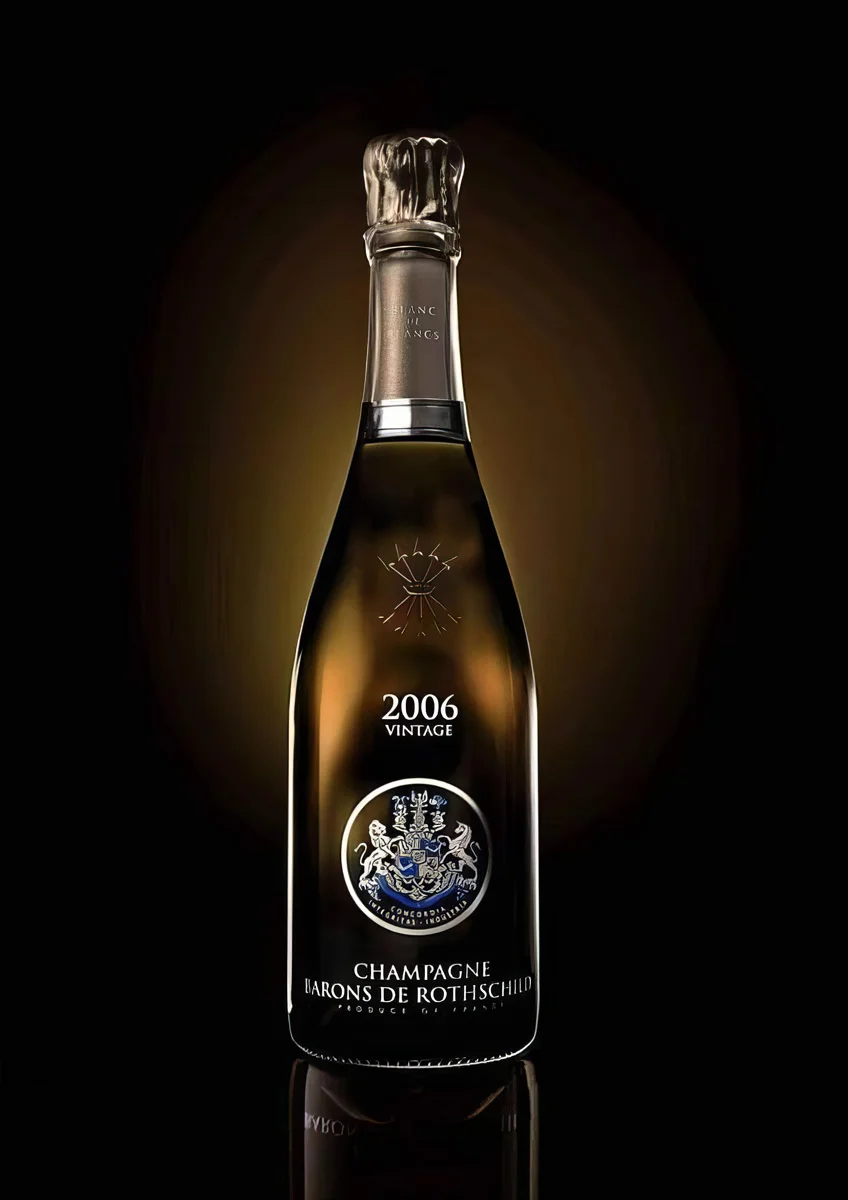
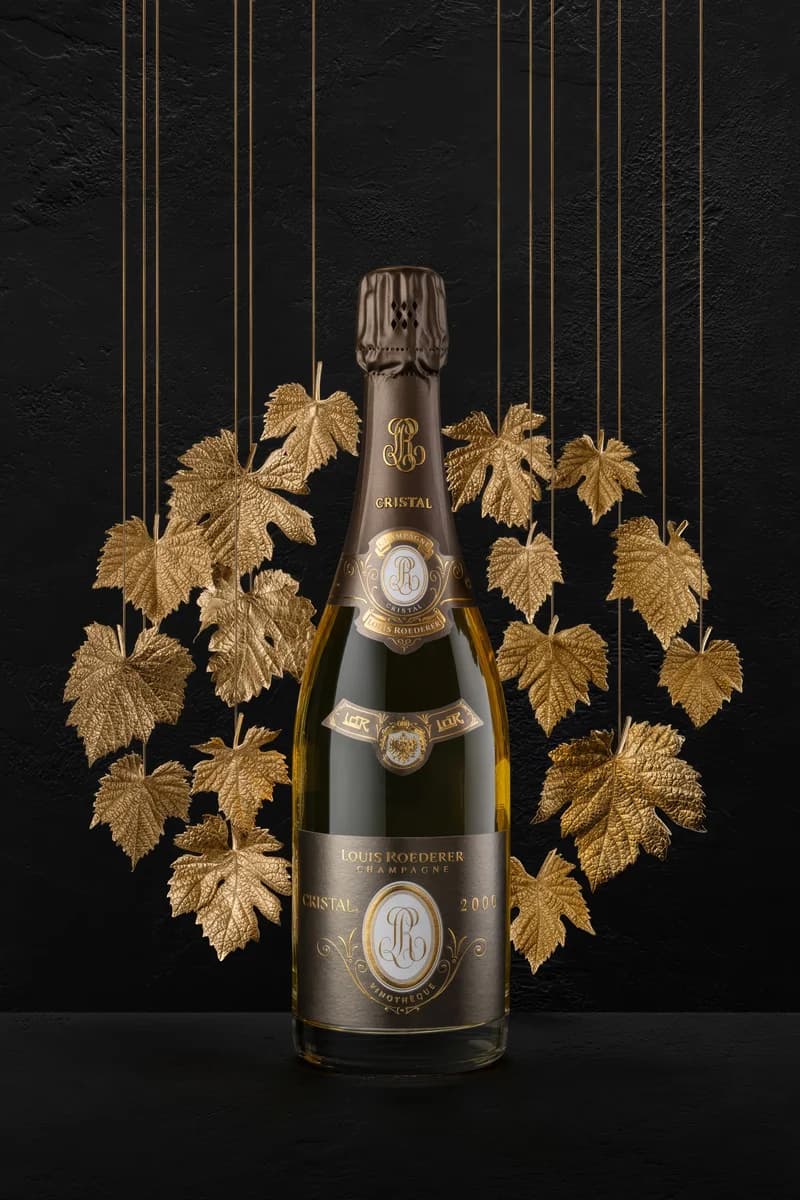
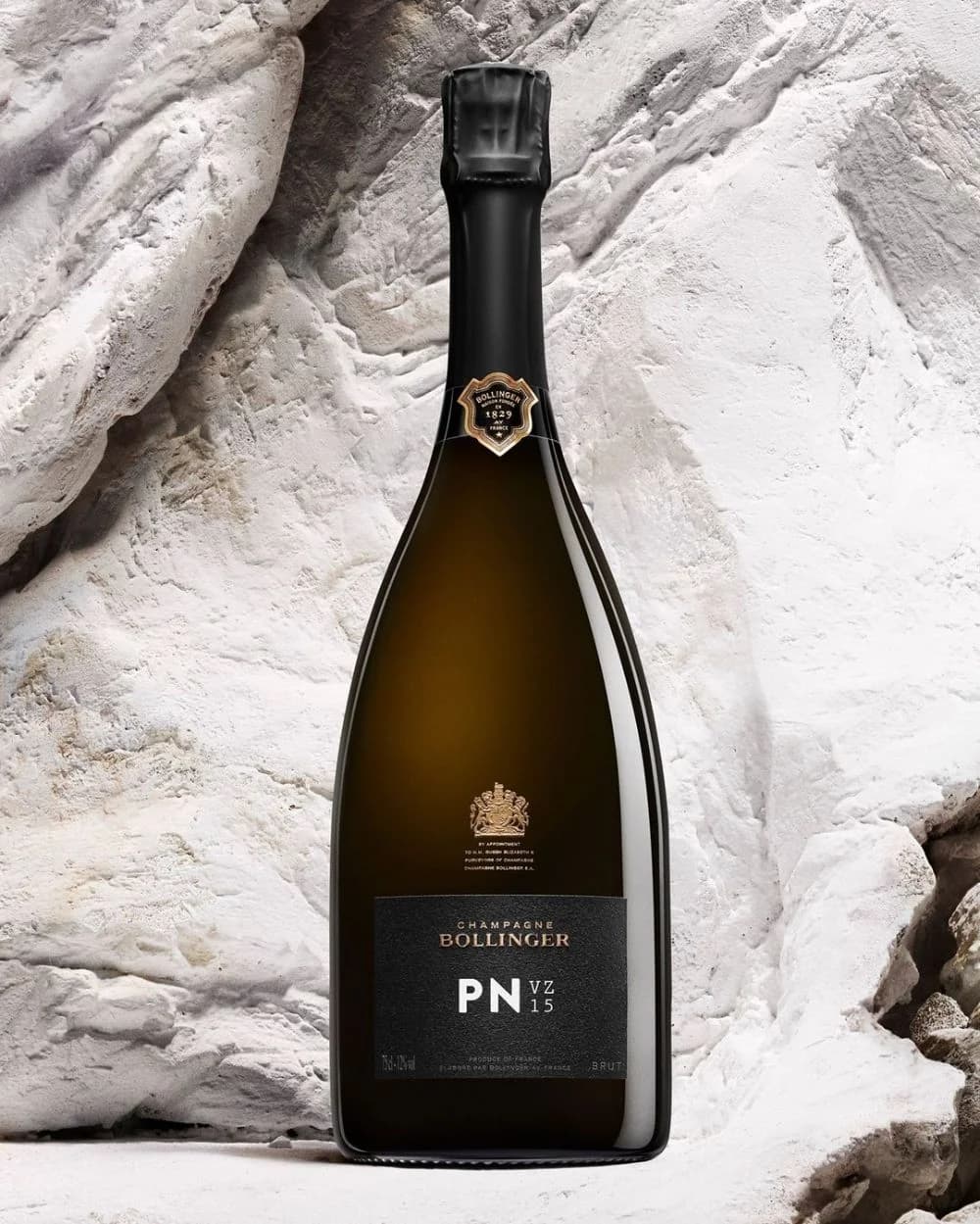
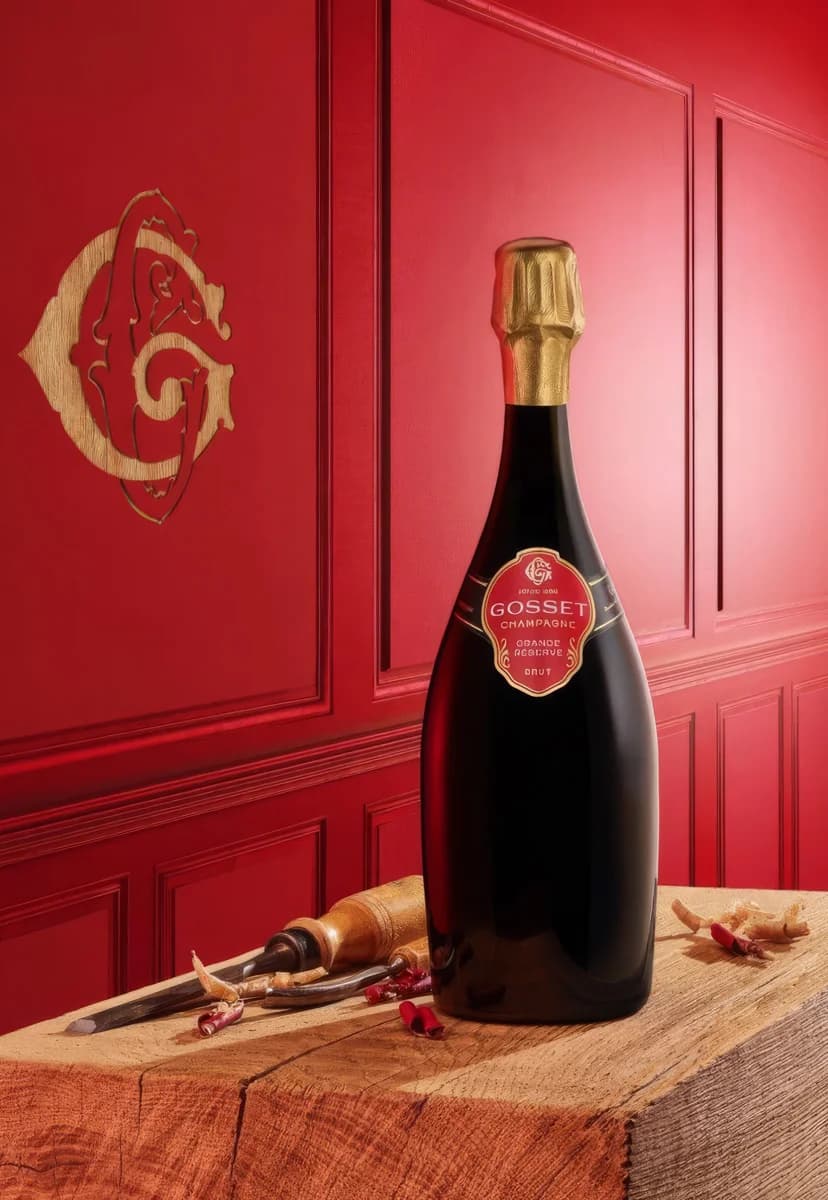
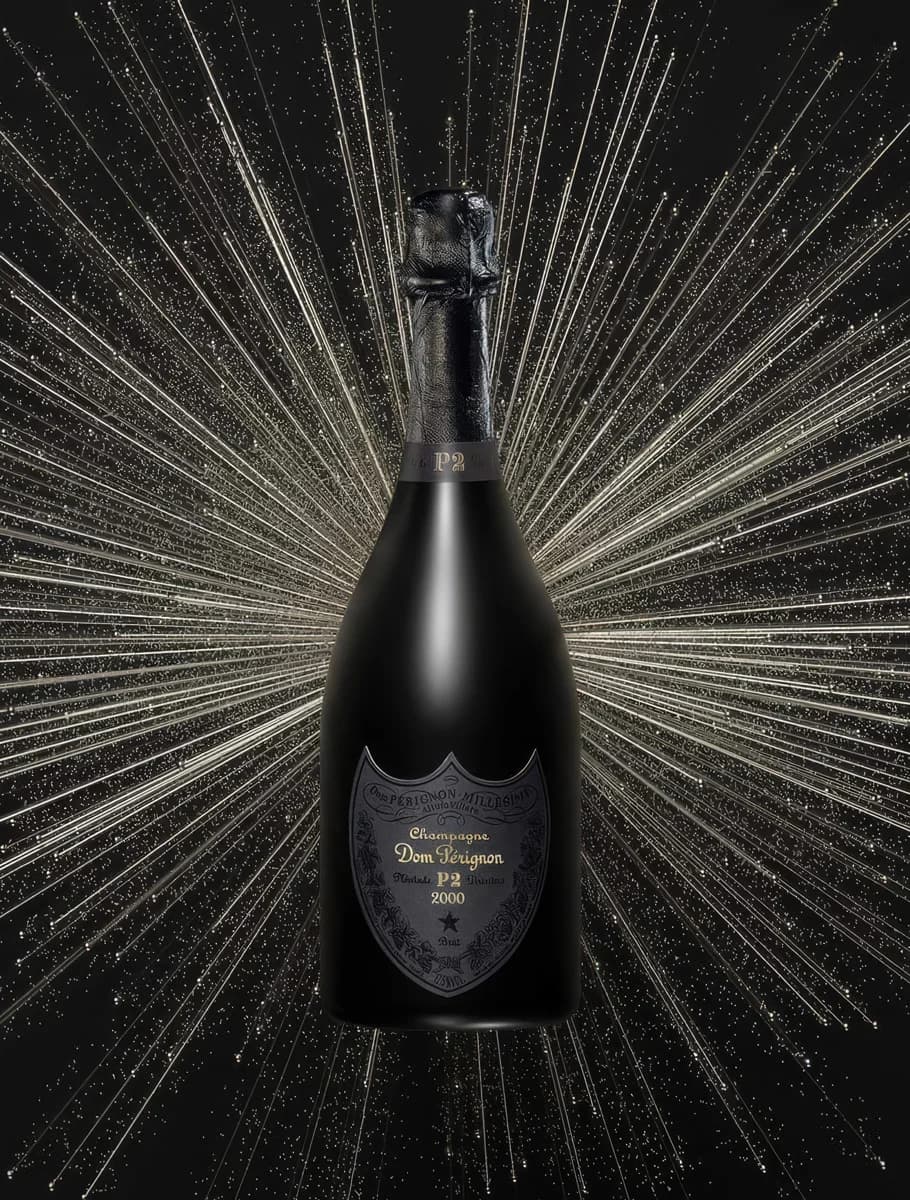
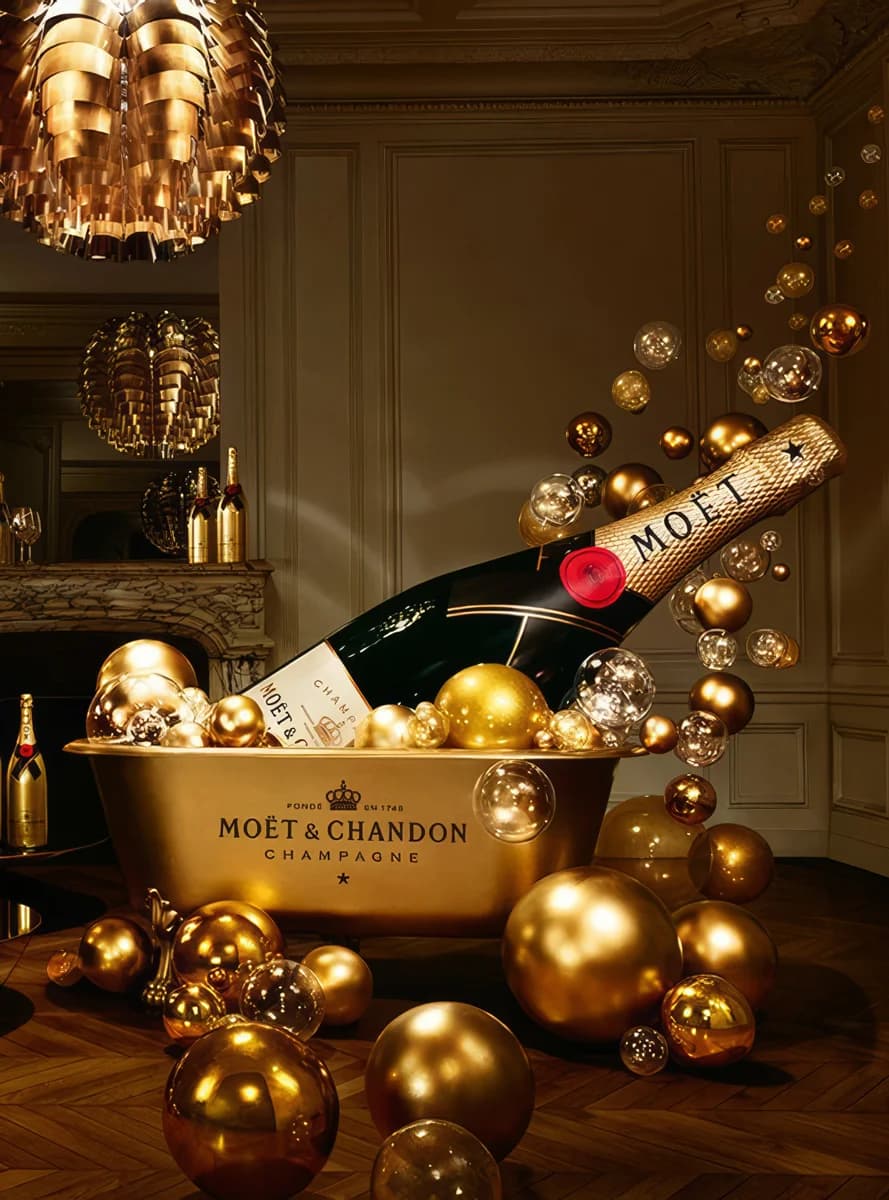
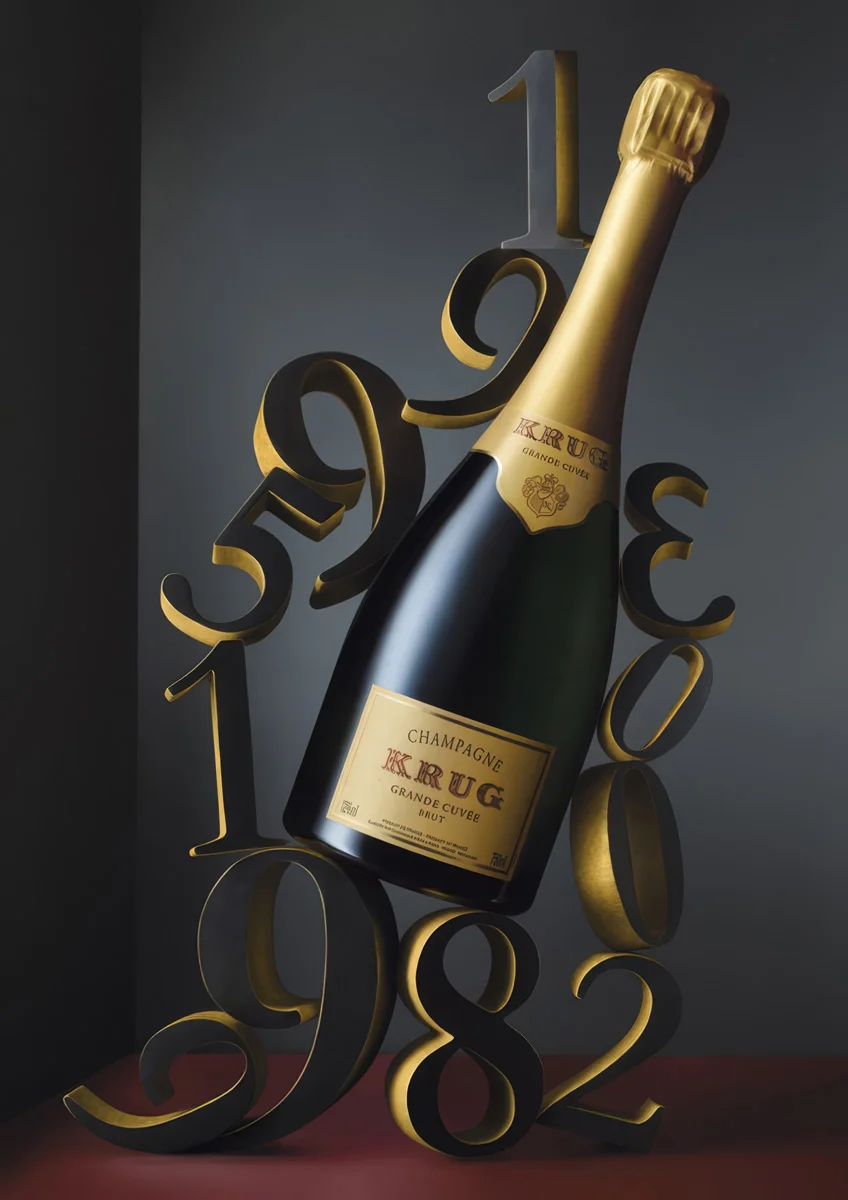
Best-sellers
The different
types of Champagne
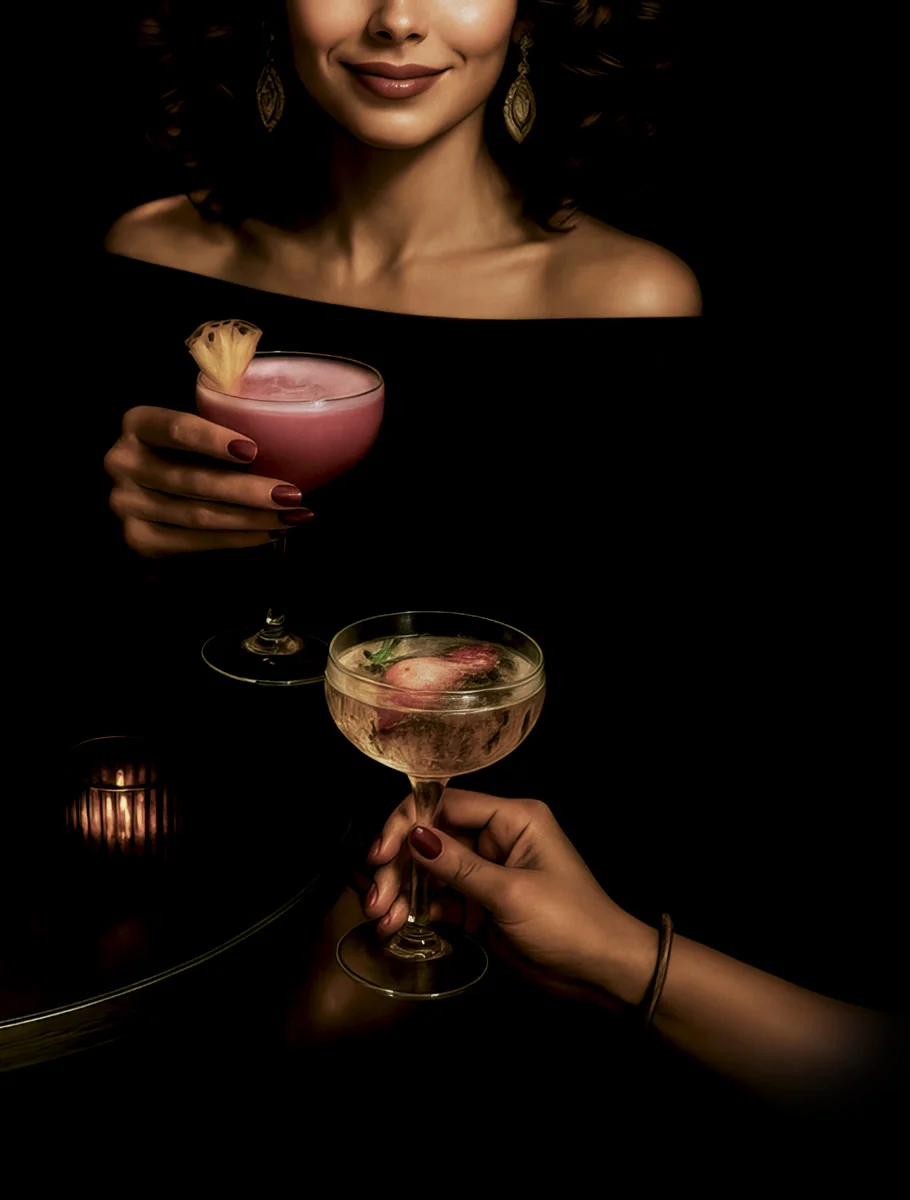
Champagne cocktail
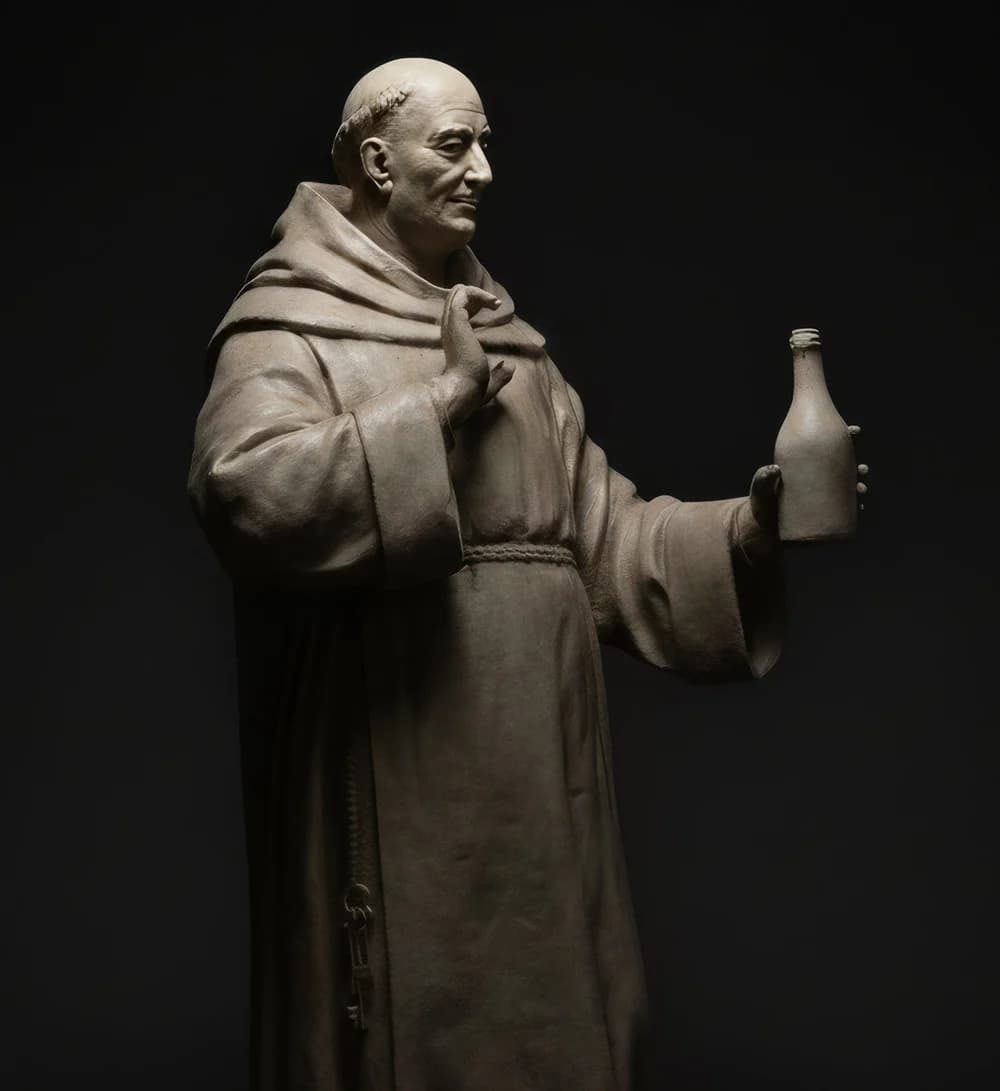
The story of Dom Pérignon
Champagne: prestigious houses,
independent winegrowers and rare vintages
Pépites en Champagne brings together the finest expressions of champagne in a single online wine shop, ranging from the great iconic houses to the independent winegrowers who craft exclusive cuvées. Buying champagne online gives you access to a carefully curated selection, dispatched with the utmost care, without leaving the comfort of your own home.
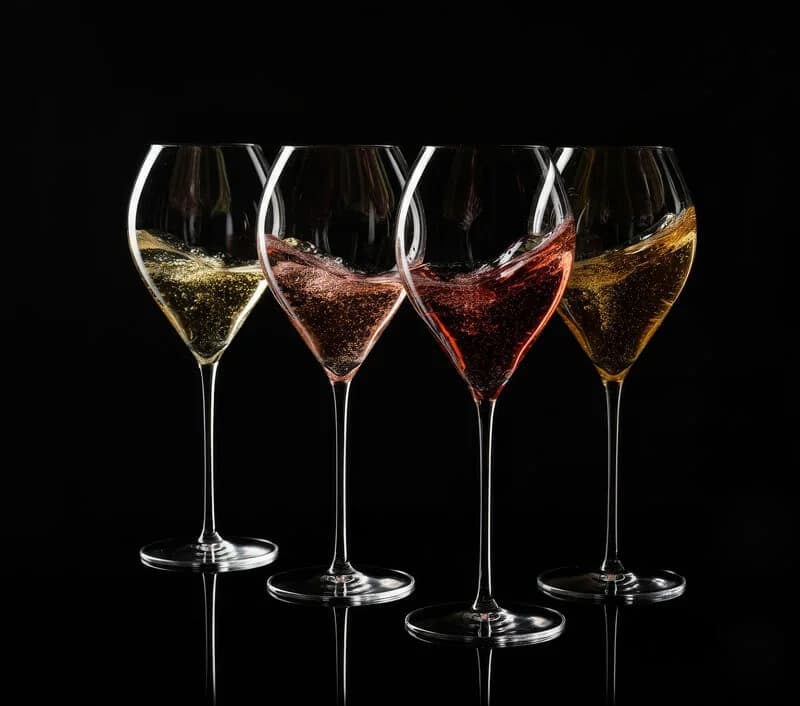
All styles of champagne. Champagne varies according to its dosage and blend. Brut remains the benchmark for aperitifs and large dinner parties;Extra-Brut and Brut Nature appeal to lovers of crisp, gastronomic bubbles; Rosé pairs just as well with a dessert as it does with a spicy dish. Purists will seek out a 100% Chardonnay Blanc de Blancs, full of finesse, or a more full-bodied Blanc de Noirs made from Pinot Noir and Meunier. For special occasions, vintage champagnes and prestige cuvées offer unrivalled depth and ageing potential.
Grand houses and winemaker’s champagnes. Our catalogue brings together the iconic names the world envies — from Dom Pérignon to Krug, from Louis Roederer to Bollinger — alongside winemaker’s champagnes, produced by vignerons who vinify grapes from their own vineyards. Here you will find the full diversity of the Champagne appellation’s terroirs: the chalk of the Côte des Blancs, the power of the Montagne de Reims, the richness of the Marne Valley, not to mention a prominent place given to organic and biodynamic viticulture.
Choosing and serving champagne correctly. Champagne should be served chilled, between 8 and 10 °C, in a glass wide enough to allow the aromas to develop, rather than in a narrow flute. Store your bottles lying down, away from light and heat. Whether for a gift, a gift set, a wedding or simply the pleasure of a fine sparkling wine, our advisers will help you find the perfect cuvée.
Explore our selection, compare the cuvées and order your champagne online with complete confidence: every bottle is chosen for its character, its terroir and the emotion it evokes.
Frequently Asked Questions about Champagne
What is the difference between a winemaker’s champagne and a champagne from a major house?
A major house (Moët, Veuve Clicquot, Roederer, etc.) blends grapes purchased from numerous winegrowers to ensure a consistent style year on year. A ‘vigneron’ champagne, or ‘récoltant-manipulant’, is produced by the winegrower using grapes from their own vineyards: it reflects a specific terroir and is produced in limited quantities.
How do you choose the right champagne?
Choose according to the occasion and your personal taste: a Brut for an aperitif, a delicate Blanc de Blancs, a Rosé to accompany dessert, or a vintage or prestige cuvée for a special occasion. Choose the dosage (Brut, Extra-Brut, Brut Nature) depending on whether you prefer rounded or crisp bubbles, and opt for a winemaker’s own cuvée for authenticity.
What is the difference between Brut, Extra-Brut and Brut Nature?
These terms indicate the dosage, i.e. the sugar added after disgorging. Brut contains less than 12 g/l of sugar, Extra-Brut between 0 and 6 g/l, and Brut Nature (or zero dosage) less than 3 g/l with no added sugar. The lower the dosage, the livelier and more gastronomic the champagne.
At what temperature should champagne be served?
Serve your champagne chilled, at between 8 and 10 °C, ideally after twenty minutes in a bucket filled with water and ice cubes. Avoid the freezer, as this stifles the aromas. Opt for a fairly wide wine glass rather than a narrow flute: it allows the wine’s aromas to develop much better.
How long can you keep a bottle of champagne?
A non-vintage brut champagne can be kept for 2 to 3 years, whilst a vintage champagne can be aged for 10 years or more. Store the bottles lying down, away from light, vibrations and heat, at a stable temperature of around 10 to 12 °C.
What are the grape varieties used in champagne?
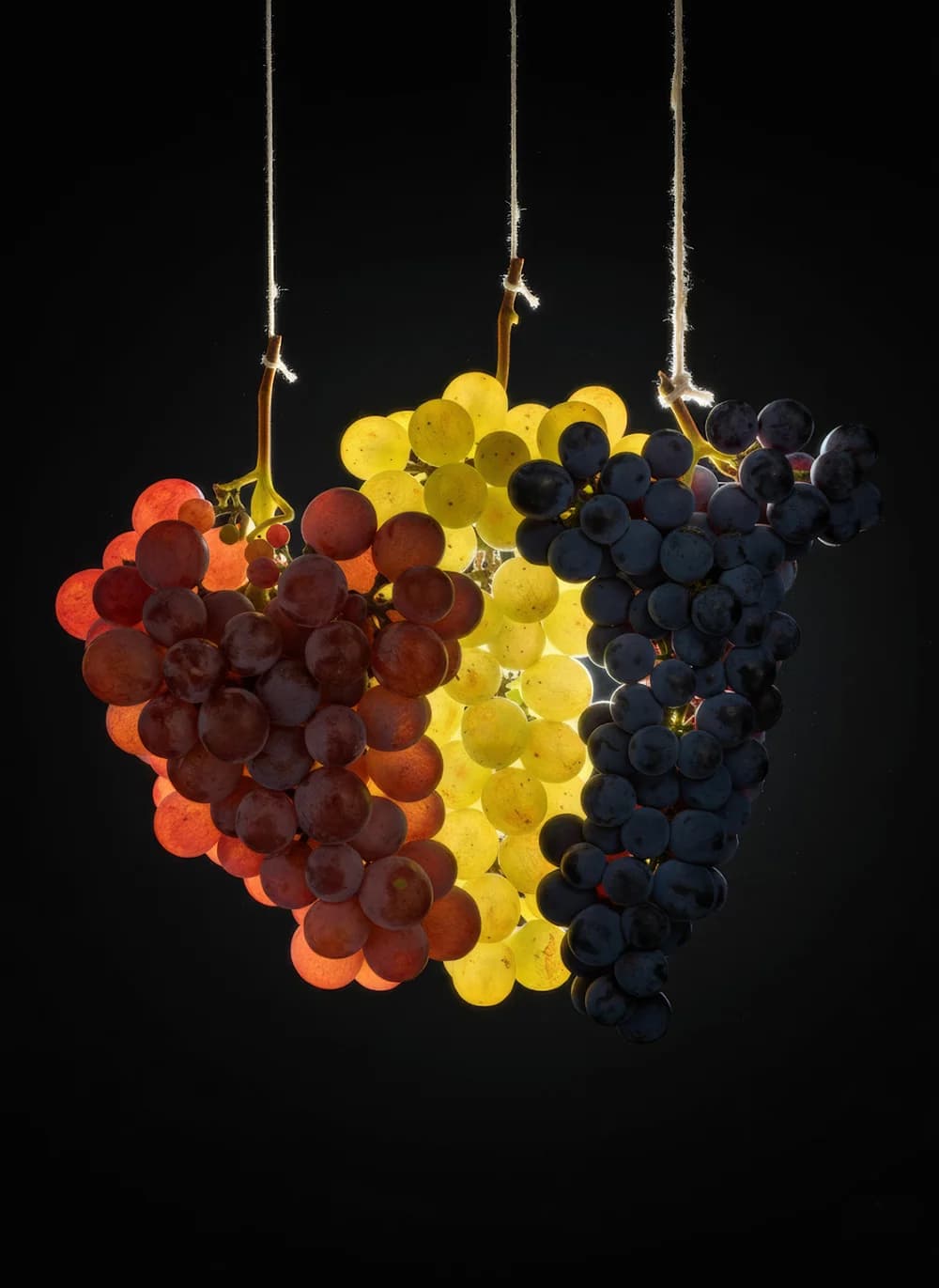
Champagne is primarily made from three grape varieties: Chardonnay (finesse and freshness), Pinot Noir (structure and power) and Meunier (roundness and fruitiness). A Blanc de Blancs is made from 100 per cent Chardonnay, whilst a Blanc de Noirs is made exclusively from black grapes (Pinot Noir and Meunier).
