

Champagne and food pairing, for a meal with friends or a celebration, from aperitif to dessert!
The essentials
Champagne can accompany a meal from the aperitif right through to dessert, with different styles chosen according to the dish’s sweetness: an Extra-Brut or Brut Nature for its briny notes and as an aperitif, a Rosé with red meat, and a Demi-Sec with desserts.
- Which champagne should you drink with fish or shellfish?
- An Extra-Brut or Brut Nature champagne is ideal with fish and shellfish: their low sugar content complements the briny notes, which do not pair well with sweeter champagnes.
- Which champagne should you serve with dessert?
- Dry, demi-sec and sweet champagnes are the best choice for dessert: their sweetness blends naturally with the sweet flavours of the dessert.
- Which champagne should you choose to go with cheese?
- When it comes to cheese, Brut Millésimé champagne is the boldest choice: its slightly oxidised character pairs well with flavourful hard cheeses, provided they are not too strong in flavour.
Pairing food with champagne: from Brut Nature as an aperitif to Demi-Sec with dessert, each style reveals its finest flavours when paired with the right dish.
3 min read

Do you often hear about wine and food pairing? Let'stalk about Champagne pairings!
Do you think it's possible to enjoy Champagne with your meal? To help you make the most of your champagne experiences, we're looking at all the possible food and wine pairings.
Champagne is best paired with a particular dish, choosing between brut nature, extra-brut, Brut, sec and demi-sec. It's important to consider the sugar content of Champagne when pairing it with a dish. Champagnes with a high sugar content go better with low-sugar dishes.
Can you imagine a Champagne-based meal that includes a starter, main course and dessert? Or even a complete Champagne menu?
Food and champagne pairing
Our best sellers
Champagne Brut
Whether vintage or non-vintage, Brut Champagne goes perfectly with poultry, especially if it's rich in Pinot grapes. The light aromas and supple, melt-in-the-mouth texture of delicately roasted poultry will not overpower the wine.
Champagne Rosé
Thanks to its mellow, fruity, unctuous aromas, Rosé Champagne is particularly well-suited to complementing red meat dishes and red fruit desserts, such as strawberry tart. For the more adventurous, you can dare a surprising and pleasing pairing with salmon-based recipes.
Champagne Blanc de Noirs
The winey, powerful and more accomplished harmony provided by the majority of pinot noir and pinot meunier in Blancs de Noirs champagnes will subtly accompany roast poultry, semi-cooked foie gras and is the ideal choice for recipes involving truffles.
For less mature Blancs de Noirs, they can be subtly blended with poule au pot.
Vintage Champagne
Although most champagnes can be paired with a wide range of cheeses, particularly hard cheeses, Brut Millésimé champagne remains the most daring choice, thanks to its slightly oxidized character that goes wonderfully well with tasty cheeses that aren't too pronounced either. In addition to cheeses, Brut Millésimés champagnes are the perfect accompaniment to meats.
Non-Millésimé
Our palates are accustomed to non-vintage brut champagnes, as this is the most classic and widely available. Its slightly sweet taste makes it an easy accompaniment to any meal, from start to finish. The balance of white and black grapes in this type of champagne goes particularly well with seafood dishes such as sole or sea bass.
Champagne Demi-Sec
Sec, Demi-Sec and Doux champagnes are the perfect accompaniment to desserts, with their sweet properties blending beautifully with the sweet aromas of the dessert.
Champagne Extra-Brut
Champagne Extra-Brut and Brut Nature, with their liveliness, freshness and low sugar content, are perfect to awaken your taste buds as an aperitif.
They also go perfectly with iodized notes such as fish or shellfish, as iodized notes don't go well with sweet ones. In this way, the less sweet your champagne is, the more you'll be able to pair it with a dish that isn't very sweet.
In the same way, poultry and white meats go wonderfully well with a Cuvée Extra-Brut, which is all the more preferable to a Brut Nature if your dish has a slightly sweet note.
Our best sellers
À lire également
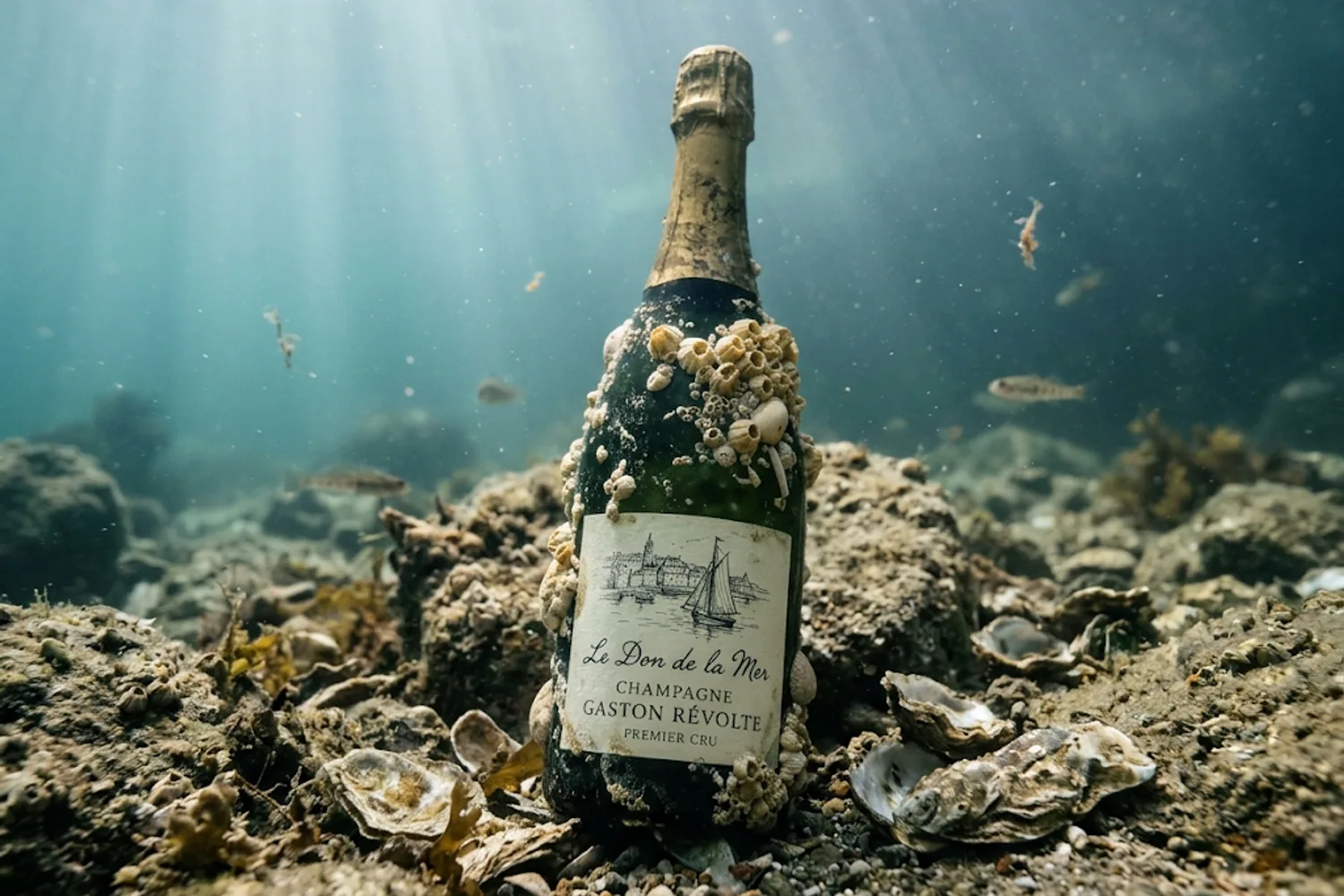
Gaston Révolte: which cuvée should you choose? From Brut Tradition to Don de la Mer, aged under the sea
In Avenay-Val-d'Or, the Gaston Révolte estate still works its vines with a plough and lets its wines rest on lees for anywhere from 24 to over 150 months. Its most astonishing cuvée then spends 12 to 18 months in the sea off Cancale and emerges covered in shellfish. Here is how to choose among the five cuvées in our cellar.
Private chef, exceptional cuisine designed for you
A gourmet meal at home, without spending the evening in the kitchen: how to book a private chef in Paris, create a tailor-made menu to suit your budget and choose quality products.
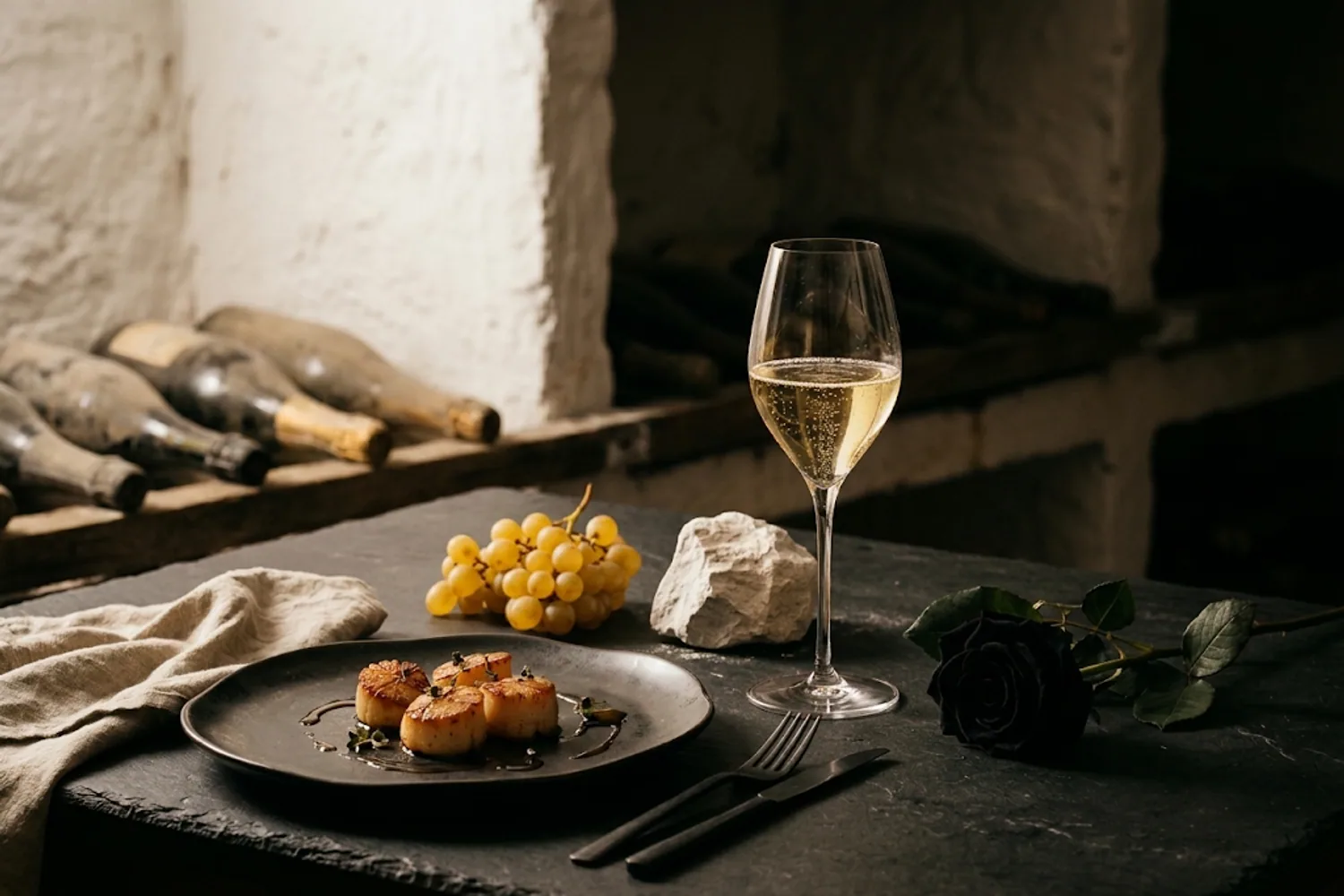
Champagne Henriot : le chardonnay de gastronomie à travers la cuvée Rose Noire
En Champagne, le chardonnay incarne la pureté, la tension saline et l’élégance minérale. Chez Champagne Henriot, ce cépage blanc d’élite constitue la colonne vertébrale du style de la Maison, portée par les grands crus de la Côte des Blancs. Si le Blanc de Blancs classique de la gamme illustre la vivacité crayeuse des terroirs d'Avize ou de Chouilly, une cuvée plus confidentielle attire le regard des connaisseurs : la cuvée Rose Noire Pur Chardonnay.
