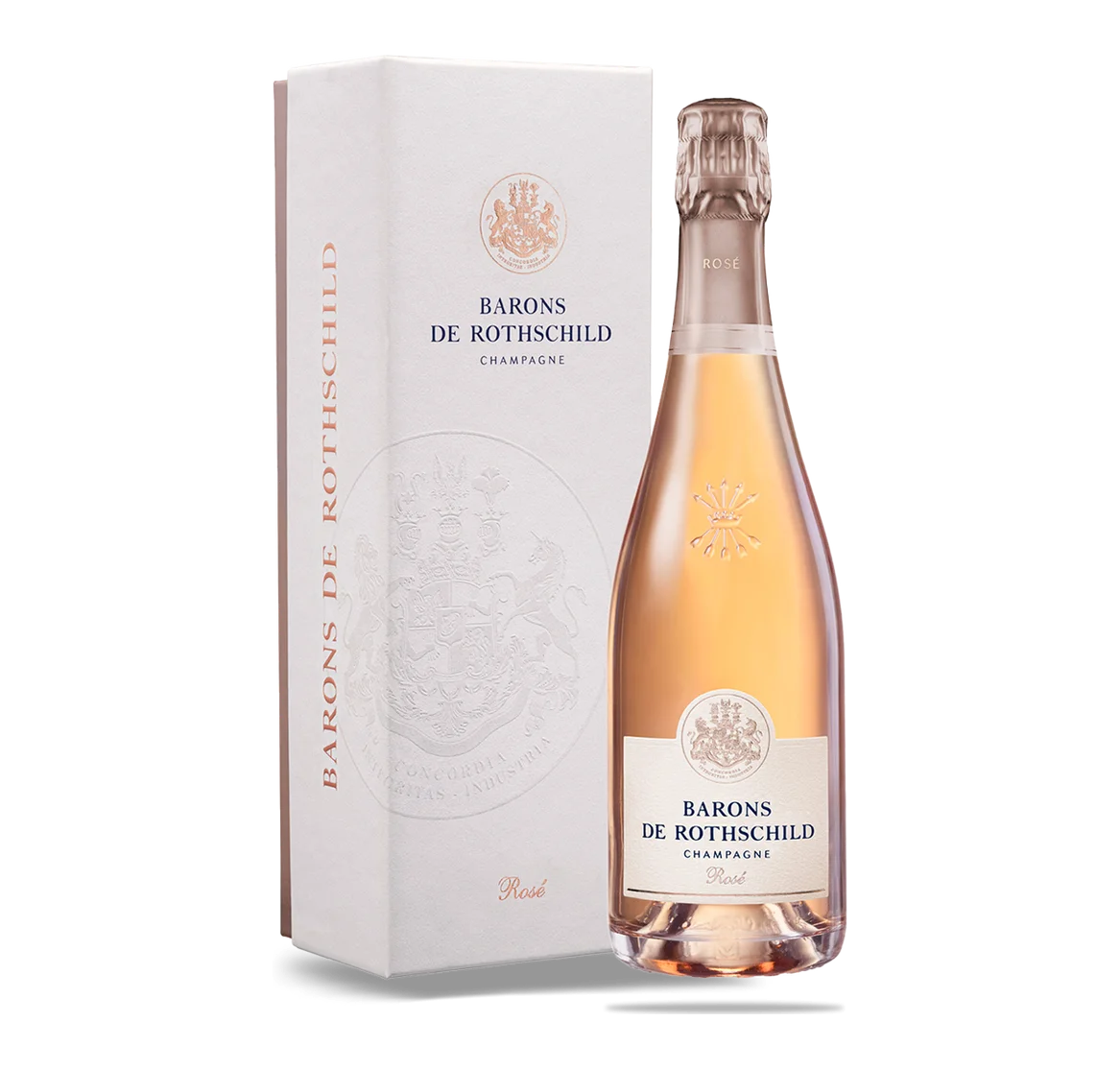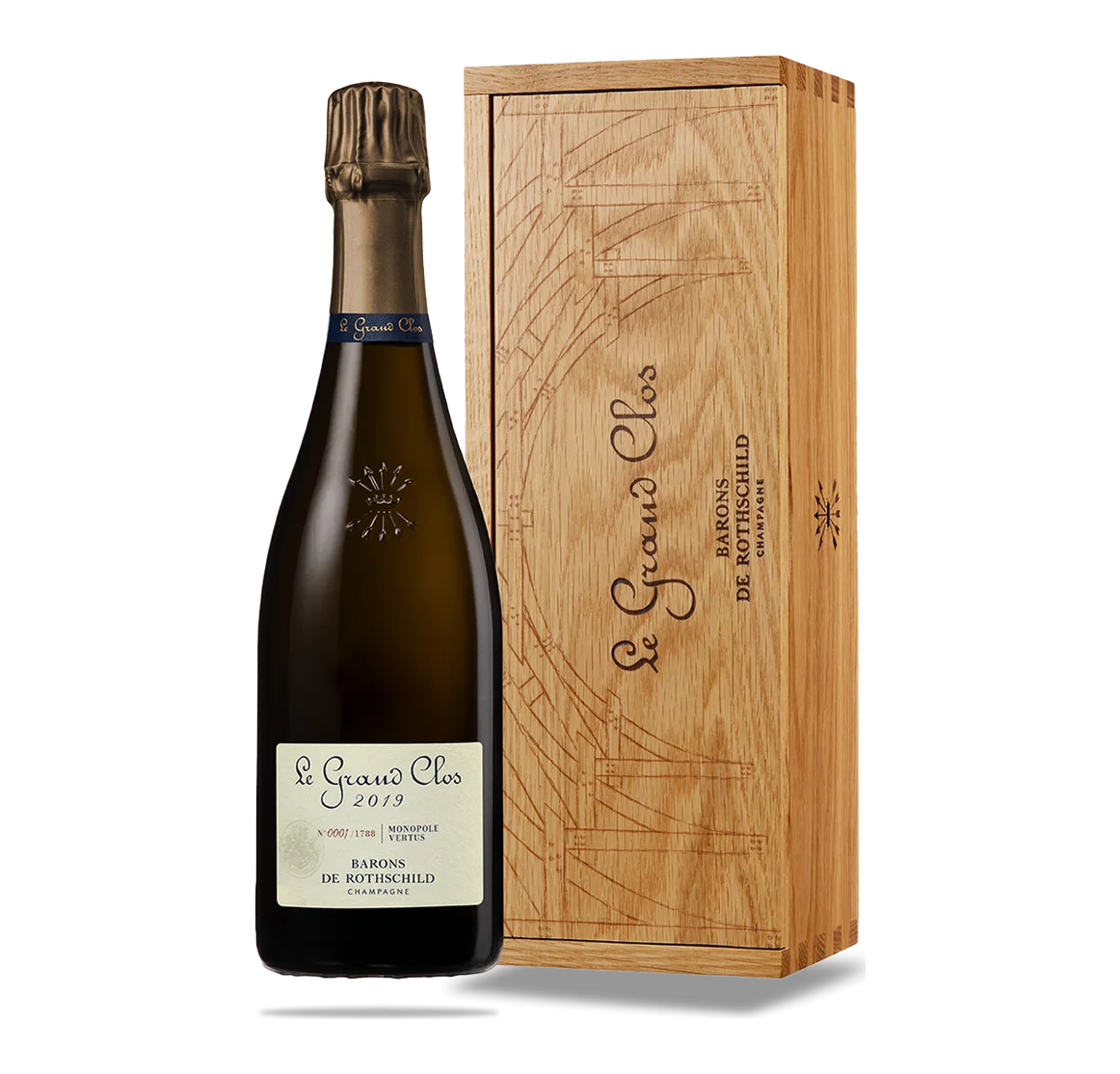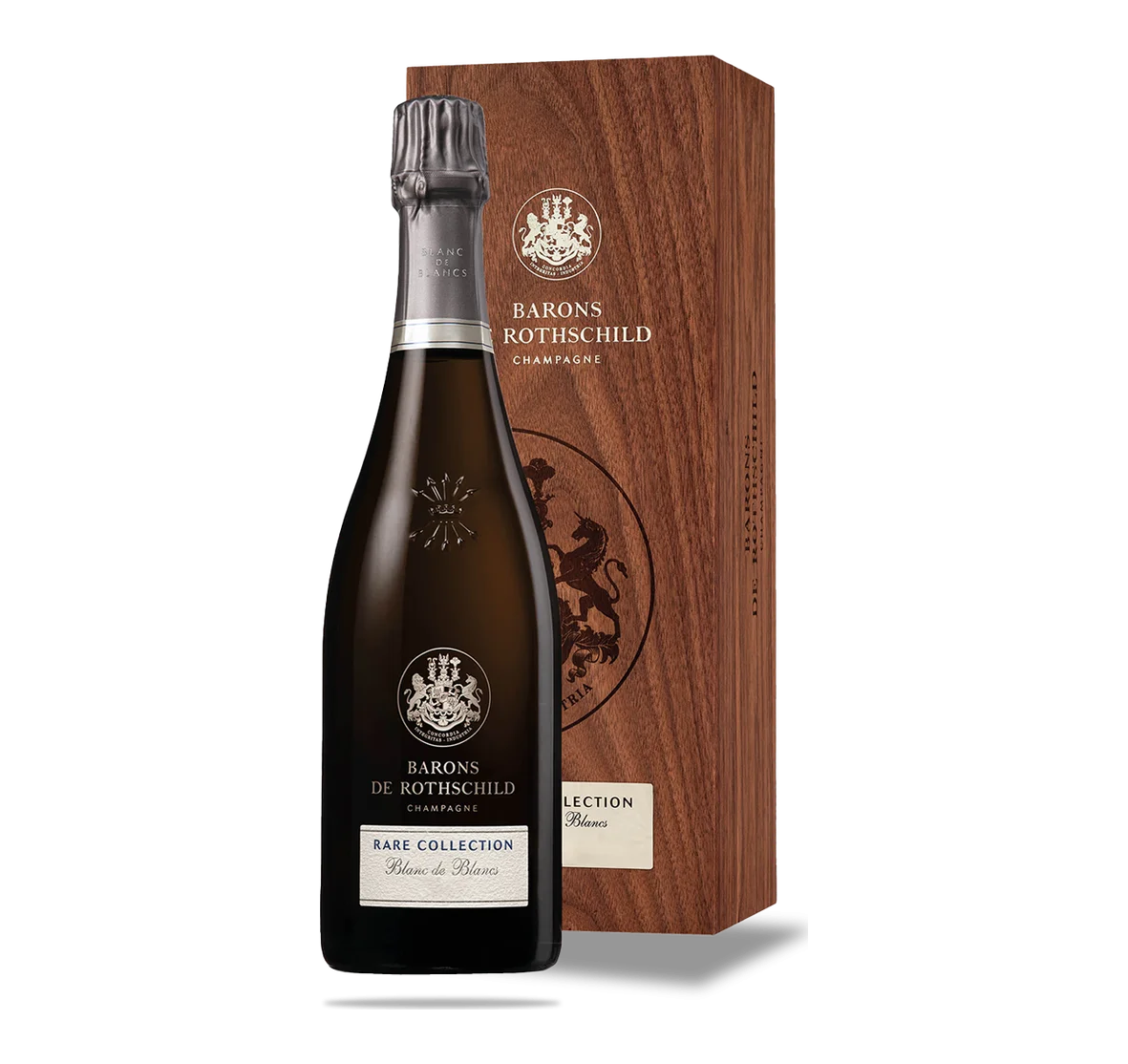

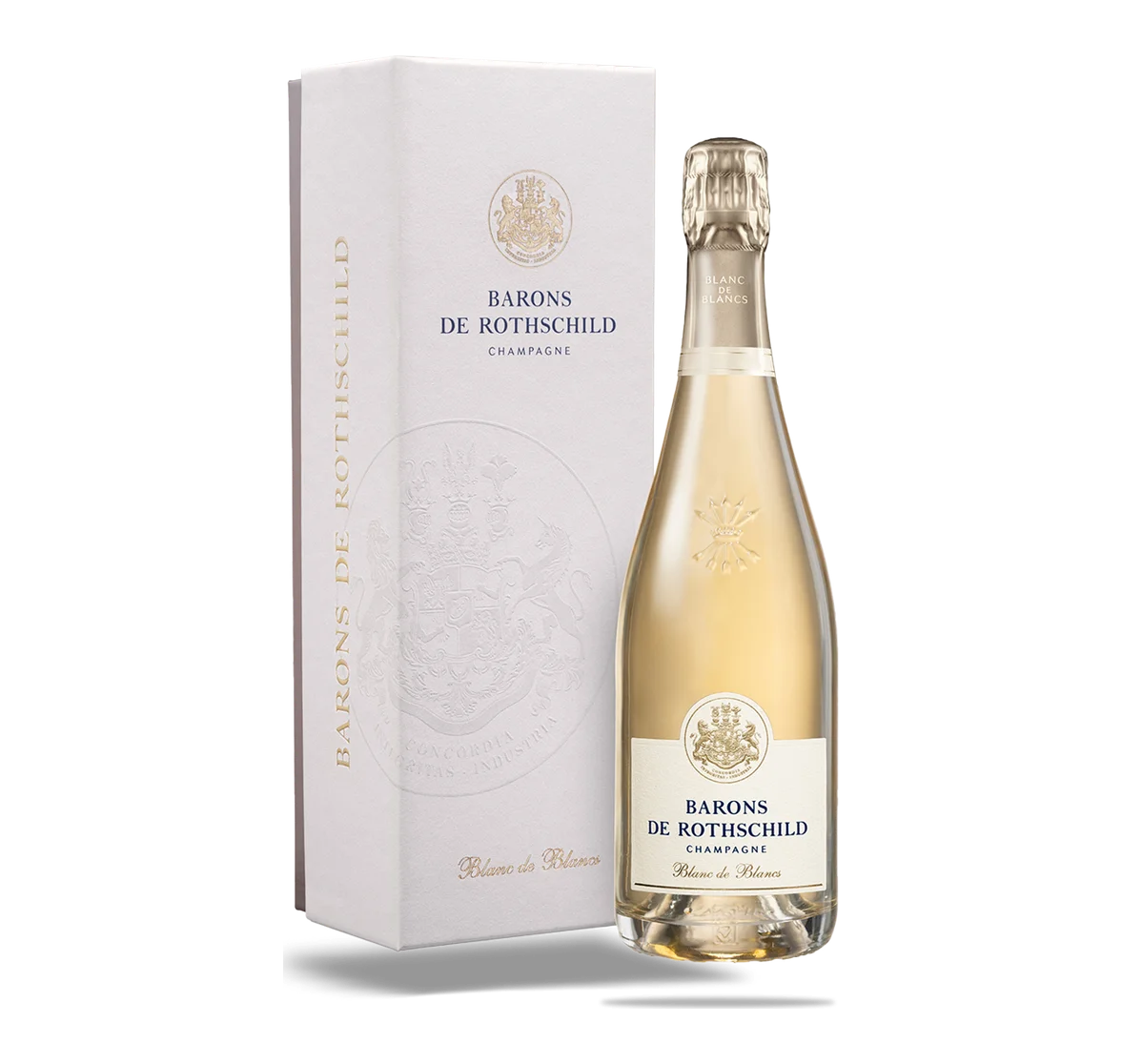
Barons de Rothschild
Blanc de Blancs
82,00 €
Which champagne goes with which dish? Our food and champagne pairings, from aperitifs to dessert, to enhance every moment of your meal.
Long confined to aperitifs and desserts, champagne can in fact accompany an entire meal. Its strength? The bubbles and its lively acidity, which cleanse the palate, lighten rich dishes and reawaken the appetite where a still wine would run out of steam.
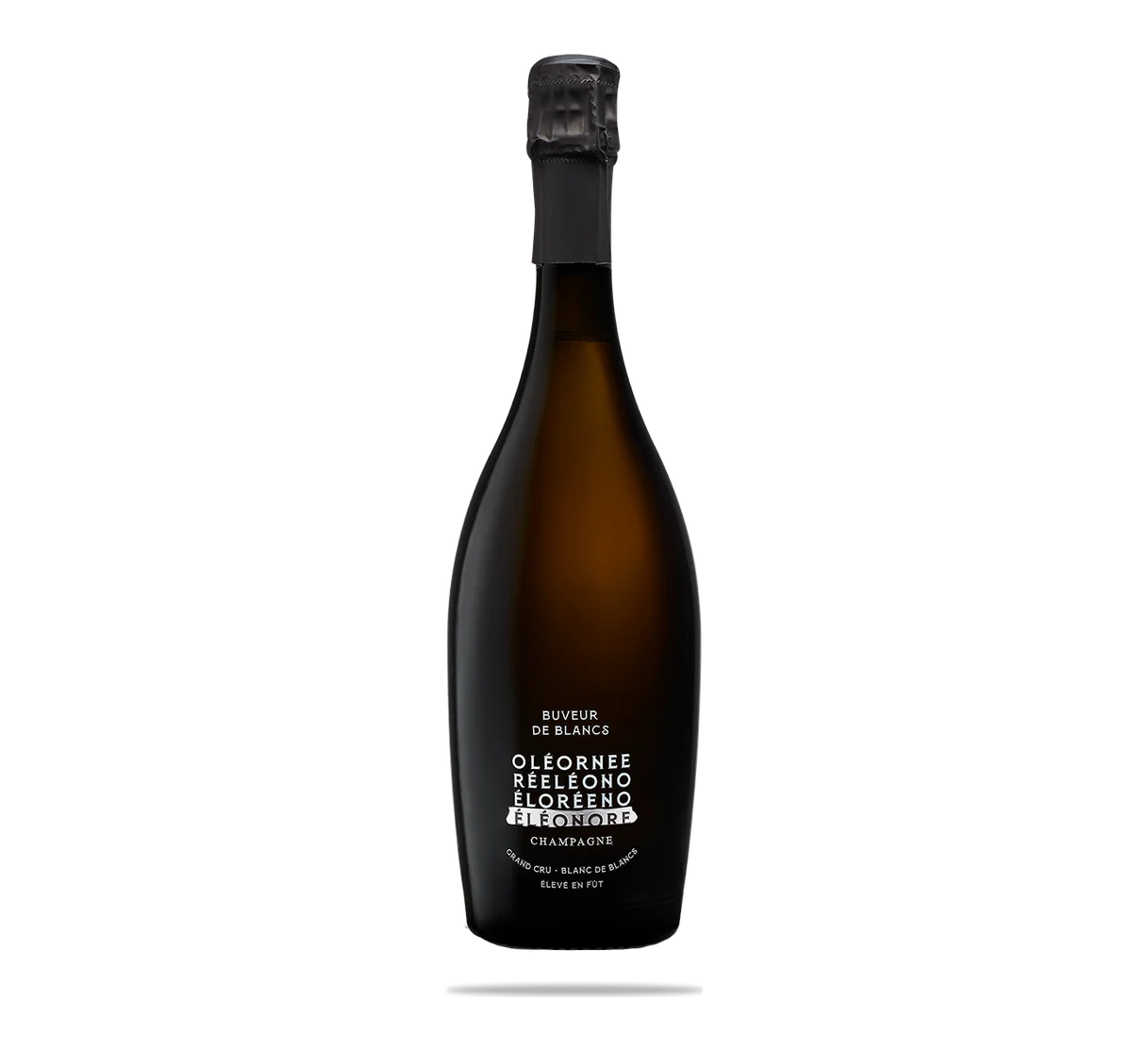
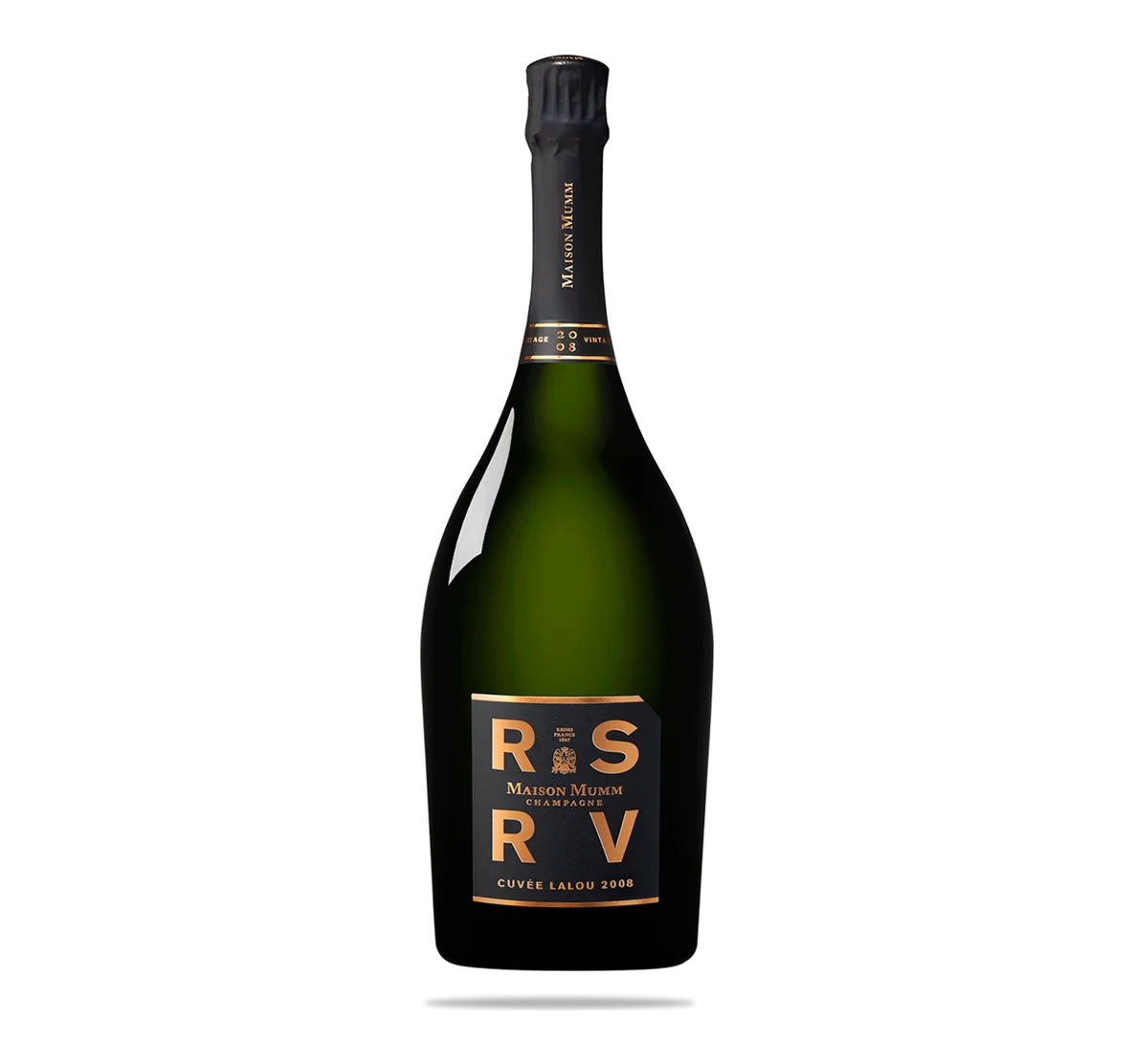
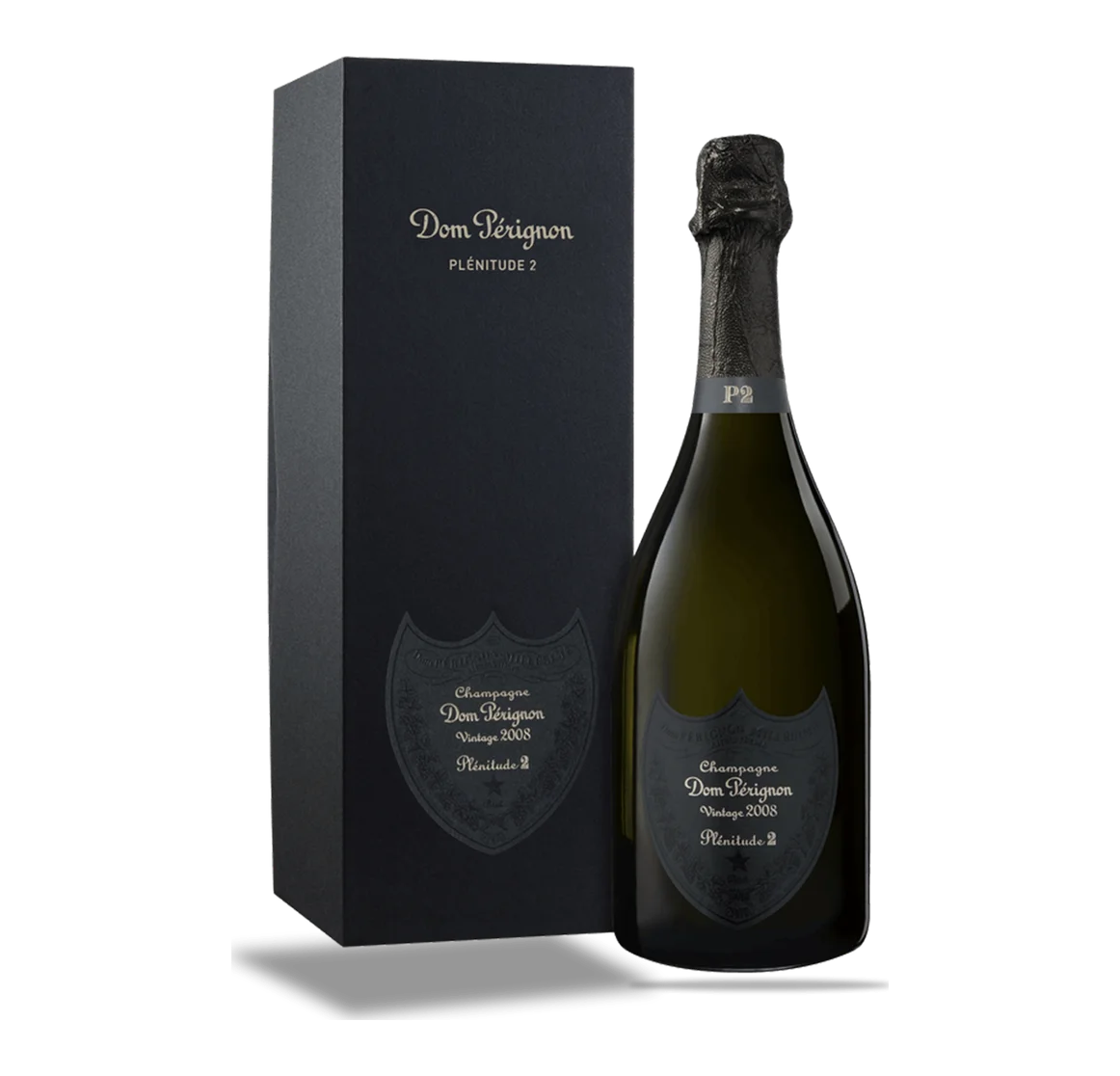
The key to a good pairing: creating a dialogue between the style of the champagne and the dish. A mineral-driven Blanc de Blancs enhances shellfish and fish; a full-bodied Blanc de Noirs holds its own against white meat; a fruity rosé complements red berries and desserts.
Follow our step-by-step suggestions: as an aperitif, with starters, main courses, cheeses and dessert. Everything you need to create a 100 per cent champagne meal from our selection of champagnes.
Yes. Thanks to its bubbles and acidity, champagne pairs well with an entire meal, from the aperitif to dessert. Simply match the style of the cuvée to each course: light and mineral for starters, more full-bodied for main courses, and dosé or rosé for dessert.
Plan for several styles: a fresh blanc de blancs as an aperitif and with starters, a blanc de noirs or a structured vintage champagne with main courses and cheeses, then a rosé or a dosé cuvée for dessert. This allows the intensity to build as the meal progresses.
Yes, and it often works better than red wine: the bubbles cut through the richness of soft and mature cheeses. A Blanc de Blancs suits mild cheeses, whilst a Blanc de Noirs or a vintage champagne suits stronger cheeses.