Blog navigation

Latest posts

4 essential types of champagne for your aperitif toasts
458 views

Rien n’évoque la fête et l’élégance comme un bon toast accompagné de bulles raffinées. Savourer du champagne autour...

Read more
How can you tell a good Champagne from a bad one?
464 views

Champagne is much more than just a sparkling wine; it's a symbol of celebration, elegance and French savoir-faire....

Read more
Multi-temperature wine cellar: each wine at its ideal temperature
617 views

Choisir le bon vin, c'est bien. Le conserver et le servir dans des conditions optimales, c'est mieux. Que vous soyez...

Read more
Which software should you choose to manage your wine cellar?
1425 views

Dans un restaurant ou un hôtel, la cave à vin ne se résume pas à un simple espace de stockage. Elle représente un...

Read more
How exceptional storage enhances the pleasure of your champagne
2219 views

Creating a dedicated Champagne space in your home allows you to celebrate this prestigious wine in a setting that...

Read more

The perfect glass for champagne: between aesthetics and sensory experience

3534 Views
 

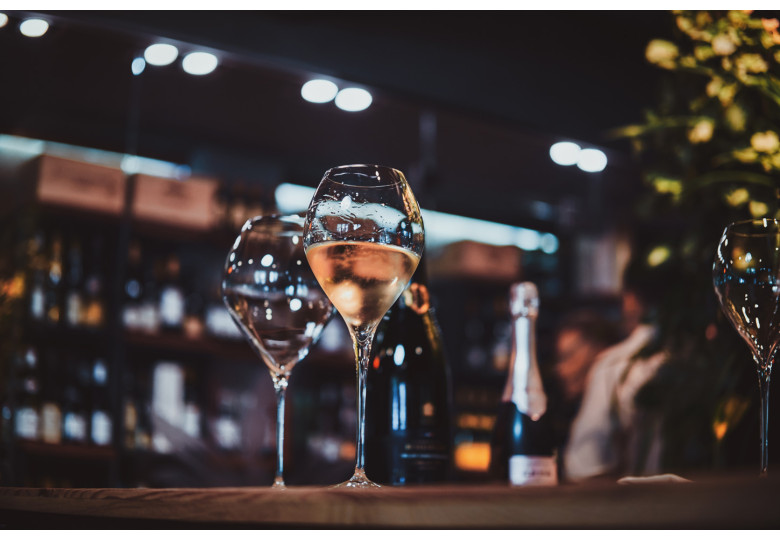
Tasting champagne is more than just drinking a sparkling wine: it's a multi-sensory experience. The moment is often charged with emotion - celebration, surprise, sharing - and every detail counts to magnify its intensity. Among these details, often underestimated, is the choice of glass. It determines the perception of the champagne's bubbles, aromas, texture and even color.

The essential role of the glass in tasting

Even before we put the champagne in our mouths, the glass becomes the wine's first interpreter. Its shape, material, finesse, transparency... all these elements influence the way we experience the wine, right from the first glance.

-Sight: The glass must allow us to appreciate the champagne's color, brilliance, clarity and the finesse of its bubbles.

- Thesense of smell: The glass must allow the aromas to concentrate properly, without enclosing them.

-Taste: The shape of the chalice directs the flow of the wine on the tongue, influencing the perception of its freshness, acidity and smoothness.

In short, the glass is an extension of the hand, a tool that links wine to our senses.

The champagne flute: an emblematic silhouette

Traditional and elegant, the champagne flute is part of our collective imagination. Its narrow, elongated shape is designed to enhance effervescence, allowing the bubbles to rise in a continuous, vertical ballet. This visual spectacle plays an integral part in the emotion of tasting.

But beyond its aesthetic appeal, the flute preserves the freshness and vivacity of champagne. It is ideal for young, lively and expressive champagnes, where primary aromas and bubbles play a central role.

Prestigious houses offer exceptional pieces to sublimate this moment. A crystal flute, crafted by master glassmakers such as Baccarat or Lalique, becomes a work of art in itself. It amplifies the light, the finesse of the wine, and adds an aura of luxury and poetry to the moment.

The universal glass: for gourmet champagnes

With the evolution of champagne styles - windier, more complex, sometimes woody or long-aged - the world of sommellerie has seen the emergence of another type of glass: the universal glass.

This glass, wider at the base and closed at the top, allows controlled aeration of the wine and better concentration of aromas. It gives the champagne room to blossom, revealing the full complexity of its aromatic bouquet. Its shape also guides the wine to specific areas of the tongue, enabling its structure, texture and minerality to be appreciated.

The universal glass is particularly well-suited to champagnes with character, rare vintages or structured blanc de noirs. It also lends itself to daring food and wine pairings, as part of a gastronomic approach to champagne.

The art of serving champagne

Whichever glass you choose, there are a few simple rules to enhance your tasting experience:

-Always serve champagne at a temperature of between 8 and 10°C.

-Avoid using glasses that are too cold or that have been taken out of the dishwasher without rinsing, as these alter the aromas.

-Fill the glass only a third of the way up to allow the best olfactory expression.

-Hold the glass by the stem to avoid heating the wine.

The magic of champagne lies in its finesse and liveliness: the art of serving lies in preserving and revealing them.

Crystal: the quintessence of refinement

To use a crystal glass for champagne is to take another step towards excellence. Crystal, with its finesse, sonority and transparency, magnifies the perception of wine. It vibrates with the light, giving the bubbles an incomparable sparkle.

At Vessière in Baccarat, this passion for crystal has been passed down from generation to generation. Their selection of crystal champagne glasses, crafted by the greatest houses, combines tradition, expertise and exacting standards. Each piece is designed to combine beauty, ergonomics and oenological expression.

In conclusion: make every glass a unique moment

More than just a container, the glass becomes a partner to emotion. It accompanies champagne in its purest or most audacious expression. Choosing the right glass means respecting the work of the winemakers, exalting the richness of the terroir, and above all, giving each tasting the place it deserves: that of a suspended moment.