

Our Champagne Brands
Audacity, innovation, a perpetual quest for excellence… the success of many Champagne houses bears the mark of illustrious enthusiasts whose pioneering spirit continues, generation after generation, to enhance the extraordinary quality of the Champagne terroir.
You’re probably wondering, what are the best Champagne brands?
In our online shop, we offer you a selection of the most prestigious Champagne brands.
Great Champagne Houses
Moët & Chandon – Veuve Clicquot – Dom Pérignon – Ruinart – Krug – Louis Roederer – Cristal – Bollinger – Laurent-Perrier – Taittinger – Mumm – Perrier-Jouët – Piper-Heidsieck – Charles Heidsieck – Pol Roger – Pommery – Henriot – Ayala – Billecart-Salmon – Deutz – Gosset – Joseph Perrier – Lanson – Canard-Duchêne – Nicolas Feuillatte – Palmer & Co – Collet – Castelnau – Champagne C – De Venoge – De Castellane – Abelé 1757 – Chanoine Frères – Alfred Gratien – Boizel – Duval-Leroy – G.H. Martel – Charles de Cazanove – Demoiselle – Charles Mignon – Malard – Alain Thiénot – Cattier – Jeeper – Devaux – Paul Goerg – Haton & Fils – Beaumont des Crayères – Pannier – Jacquart – Gremillet – Vollereaux – Drappier – Waris-Larmandier – Michel Gonet – Nicolas Maillart – Baron-Fuenté – Pierre Mignon – Bernard Remy – Lallier – Lanson Père & Fils – Bonvalet – Pertois-Moriset.
Exceptional Vintages and High-End Local Wineries
Salon – Delamotte – Jacquesson – Philipponnat – Leclerc Briant – Bruno Paillard – Gosset-Brabant – Mailly Grand Cru – Henri Giraud – Paul Bara – Roger Coulon – Pierre Gimonnet & Fils – Pierre Péters – Larmandier-Bernier – Vilmart & Cie – Egly-Ouriet – Agrapart & Fils – Ulysse Collin – Jacques Selosse – Franck Bonville – Benoît Lahaye – Chartogne-Taillet – Georges Laval – David Léclapart – Laherte Frères – Alexandre Bonnet – Diebolt-Vallois – Marguet – Moussé Fils – Marc Hébrart – Doyard – René Geoffroy – Savart – André Clouet – Bérêche & Fils – Paul Déthune – Dumenil – Doyard-Mahé – Pierre Paillard – Aspasie – Guy Charlemagne – Barnaut – Pierre Gerbais – Bonnaire – Eric Rodez – Pierre Moncuit – Veuve Fourny & Fils – Henri Billiot – Perseval-Farge – De Sousa – Pascal Doquet – Grongnet – Vazart-Coquart – Lancelot-Pienne – Michel Arnould – Gaston Chiquet – Damien Hugot – André Roger – Lancelot-Royer – A. Bergère – A. Margaine – H. Goutorbe – Michel Loriot – Edmond Barnaut – Pierre Trichet – Hugues Godmé – Janisson-Baradon – François Secondé – André Jacquart – Lacourte-Godbillon – Josselin – Pierre Legras – R&L Legras.
Key points in the world of Champagne brands
Champagne houses boast a rich history and distinctive terroirs, which influence their style, reputation and excellence.
Exceptional terroirs – the Montagne de Reims, the Vallée de la Marne, the Côte des Blancs and the Côte des Bar – give rise to an immense diversity of styles and brands.
The 2024–2025 market highlights a balance between historical prestige, innovation and a commitment to biodiversity and biodynamics.
A broad spectrum of prices and styles, ranging from prestige cuvées to lesser-known champagnes, including independent producers, cooperatives and trading houses.
Intergenerational transmission, the emotions evoked by tasting, digitalisation and new trends are reshaping the image of the great Champagne brands.
Prestige, awards, creativity and terroir lie at the heart of the race for renown, offering both the dedicated and the novice consumer an unrivalled experience.
Beneath the historic vaults of Reims’ crayères, or at the gateway to family vineyards, Champagne embodies a blend of age-old magic and inventive passion. Behind every bottle lies a world of its own: the expertise of the great houses intertwines with the richness of the terroir, whilst the diversity of styles bears witness to a constantly renewed creativity. Between founding myths, international prestige and a commitment to responsible viticulture, each Champagne house reveals an identity shaped by history and carried forward by entire dynasties. In 2025, more than ever, the wide variety of Champagne brands caters to every taste: rare bottles for collectors, signature cuvées, daring innovations, or tried-and-tested favourites for enthusiasts and connoisseurs. Navigating this abundance means exploring as many emotions as there are regions, where tradition and modernity interplay with every effervescent bubble. This comprehensive feature will guide you through the legendary houses, pioneering winemakers, supportive cooperatives and emerging talents that shape the living soul of today’s Champagnes.
Champagne brands at a glance
The world of Champagne is dominated by houses whose reputation has been forged over centuries and across terroirs. Among them, some embody the very essence of tradition, such as Bollinger, Krug and Dom Pérignon, whilst others – whether emerging or family-owned – bring innovative energy and creativity, acclaimed by connoisseurs. Lists of the best brands, such as those published on Pépites en Champagne, highlight the diversity of the sector, where historic names such as Moët & Chandon, Piper-Heidsieck and Veuve Clicquot stand alongside lesser-known names. These brands share a commitment to excellence, from iconic brut to vintage cuvées, through respect for the terroir and innovation in viticulture and winemaking methods.
International prestige: Krug, Dom Pérignon, Ruinart
Family-run houses: Billecart-Salmon Fleury, Chartogne-Taillet
Successful cooperatives: Palmer & Co, Nicolas Feuillatte
History and tradition of the great Champagne houses
Behind every Champagne house, history is written in gold: as early as the 18th century, visionary families such as the Clicquots, Moëts and Heidsiecks harnessed the genius of the Champagne terroir. It was their audacity and thirst for excellence that set the tone for the region’s current worldwide reputation. There are countless anecdotes, such as the exploits of Barbe-Nicole Ponsardin – the widow Clicquot – who revolutionised production with the remuage table, or the innovation of Madame Pommery, creator of the brut style. These stories span the centuries, weaving a family narrative in which each generation passes on passion and expertise. In 2025, more than ever, these values lie at the heart of the communication and prestige of Champagne brands. Read more.
- Family tradition and closely guarded winemaking secrets
- Evolution of style: from sweet to brut
- Investment in preserving our built and natural heritage
The origins of champagne: the birth of a legendary brand
Legend has it that Dom Pérignon invented Champagne, but the evolution of sparkling wine has been a series of small revolutions. The first legendary brands, such as Moët & Chandon, founded in 1743, or Ruinart– the oldest official Champagne house – were founded on this quest for perfection. The legend stems from the combination of exceptional terroir, the founders’ intuition and technical innovations, giving rise to cuvées that have endured across generations. International recognition marked a major turning point, establishing Champagne as a universally celebrated drink from the 19th century onwards.
Champagne terroir: the foundation of brand identity
The mosaic of Champagne terroirs shapes the identity and nuances of each brand. The chalky soils of the Montagne de Reims, the alluvial deposits of the Marne Valley and the clays of the Côte des Bar impart their character to the grapes. This diversity, combined with a mosaic of plots, enables the creation of wines with varied profiles, ranging from powerful brut to subtle vintage. Houses such as Egly-Ouriet and Larmandier-Bernier are renowned for their art of highlighting the uniqueness of the original cru, sometimes through strong commitments such as biodynamic viticulture.
- Calcareous soils promote freshness and tension
- Diverse aspect and microclimates
Montagne de Reims: exceptional terroir and great Champagne houses
The Montagne de Reims is the ideal terroir for Pinot Noir, and is home to houses with a distinctive style, such as Bollinger and Mailly Grand Cru. Its chalky, wooded terroir lends power, structure and ageing potential to the region’s cuvées. The houses capitalise on the complexity of the villages classified as Grand Cru (Verzenay, Ambonnay...). Here we find the strength of the great houses, future legends of ‘brut de caractère’, which appeal as much to discerning connoisseurs as to discerning collectors.
- Major brands: Bollinger, Mailly Grand Cru, Charles Heidsieck
- Characteristics: deep, expressive wines, suitable for ageing
The Marne Valley and its iconic Champagne brands
The Marne Valley is renowned for its Pinot Meunier-dominated champagnes, a grape variety emblematic of this region, home to renowned houses such as Aÿala and … Billecart-Salmon. The aromatic richness and roundness of these wines captivate with their immediate approachability and indulgent character. Tradition and boldness go hand in hand, with independent winemakers such as Chartogne-Taillet demonstrating the sector’s vitality. The Marne’s ability to combine historic houses with young talent explains its prominent place in all recent selections – more details here.
Côte des Blancs: the hallmark of fine, elegant champagnes
The Côte des Blancs, the hallowed terroir of Chardonnay, offers the most delicate cuvées, characterised by minerality and great purity. Houses such as De Sousa,Delamotte, Pierre Moncuit, Guy Charlemagne and the legendary Salon draw their identity from this region, creating refined wines for ageing, often with a strong commitment to sustainable or biodynamic practices. Champagnes from this region are prized for their ageing potential and their perfect pairing with haute cuisine, such as the ‘blanc de blancs’ grands crus featured in La RVF.
- Leading houses: Salon, Delamotte, Pierre Gimonnet, Pierre Péters
- Style: minerality, tension, floral elegance
Champagnes from the Marne: diversity and richness of the vineyards
The Marne department is home to the highest concentration of Champagne houses in France, ranging from major names such as Krug,Lanson and Philipponnat to winegrowers with just a few hectares of organic vineyards. The diversity of styles, from vinous brut to blended rosé, reflects the diversity of soils, grape varieties and approaches. The houses adopt a variety of strategies: some, such as Thiénot, invest in haute couture, whilst others focus on enhancing the value of a village or grand cru. The Marne remains a laboratory of excellence for new challenges in sustainable viticulture and digital technology.
- The influence of terroir on brand identity
- Development of HVE certification and conversion to organic farming
Champagnes de l’Aube: revelations and houses of character
Although historically less prominent, the champagnes of the Aube region are making a strong statement thanks to the creativity of their producers. Families such as Drappier and Fleury embody this passion for Pinot Noir and a deep respect for nature. International accolades are multiplying, signalling the breakthrough of the terroirs of southern Champagne on the world stage. This revival, celebrated in the distilleurs.fr awards, invites us to rediscover a mosaic of styles and balances.
Founding families: the soul of Champagne brands
The great names in the industry draw strength and inspiration from family continuity. Whether it is the Bollinger, Henriot, Philipponnat or Gosset dynasties, the nobility of Champagne is expressed in the ability to pass on a vision and methods from generation to generation. Some houses, such as Perrier-Jouët and Pol Roger, still stand out today for their steadfast family management. The emotion of tasting is all the more palpable when you realise that, behind every flute, lies the passion of families whose identity is inextricably linked to that of the terroir.
- Passing on expertise: the secret to a strong identity
- Example: the continuity of the Billecart-Salmon or Gosset houses over several centuries
Expertise and its transmission at the great Champagne houses
Expertise is the cornerstone of every Champagne house. Vineyard techniques, blending skills and cellar management are learnt and perfected over the years. In 2025, leading names such as Deutz, Palmer & Co and Henriot are promoting the transfer of knowledge through ongoing training, sponsorship of young talent and the creation of apprenticeship programmes. This attention to detail, adapted in the light of environmental and technological challenges, ensures the longevity of a unique, internationally recognised style.
- Pruning and disgorging schools within the wineries
- Promoting apprenticeships and training
The influence of terroir on the style of Champagne brands
- Each Champagne terroir has its own distinctive character: the power of the Grands Crus d’Aÿ at Ayala , and the mineral brilliance of Avize and Mesnil-sur-Oger for Salon or De Sousa. The houses are experimenting with ‘single plot’ blending to reveal the essence of each hillside.
- Lively, powerful Champagnes from the Montagne de Reims
- A more floral, airy expression on the Côte des Blancs
Champagne grape varieties shaping brand identity
The grape variety defines the aromatic profile of Champagne. Houses blend Pinot Noir for structure, Pinot Meunier for richness, and Chardonnay for freshness. This alchemy gives rise to signature cuvées such as Egly-Ouriet’s Blanc de Noirs or Laurent-Perrier’s Grand Siècle. Some houses,such as Larmandier-Bernier, favour a single grape variety to explore the purity of their terroir, thereby contributing to the diversity of their styles.
Champagne and biodiversity: brands committed to sustainable viticulture
The growing importance of respect for biodiversity marks a turning point in the sector. Champagne houses such asFleury-Larmandier-Bernier and De Sousa have made a name for themselves by anticipating demand for organic, HVE and biodynamic wines. Through their commitment to soil conservation, the promotion of beneficial wildlife and the preservation of ecosystems, they are inspiring new practices and building their brand image on a foundation of responsibility.
- Champagnes certified organic or in conversion
- Promoting mixed farming and hedgerows
Traditional and innovative winemaking methods for Champagne brands
Whilst the ‘traditional’ Champagne method remains the cornerstone, each house makes its own mark with innovative choices: barrel vinification at Krug andDe Venoge Ruinart or De Venoge, and precise control of malolactic fermentation at Diebolt-Vallois. Innovation is also evident in the development of cuvées that are sulphur-free, organic, or with an ultra-brut dosage (extra brut, brut nature), promoting purity and aromatic transparency.
- Cutting-edge techniques in the service of aromatic distinctiveness
- Development of “zero dosage” ranges
Prestige and excellence: the hallmarks of leading Champagne houses
International recognition is based on a number of criteria: consistent quality, capacity for innovation, house style and worldwide renown. Houses such as Moët & Chandon, Perrier-Jouët and Louis Roederer embody this prestige through their iconic cuvées and their mastery of brut for widespread distribution, but also through an impressive collection of international awards and medals – see the ranking.
Iconic cuvées: the ultimate expression of each Champagne brand
Iconic cuvées embody the soul of each house: “Belle Epoque” at Perrier-Jouët, “Cristal” at Louis Roederer, “Sir Winston Churchill” at Pol Roger. Each one brings together the finest elements of the house’s terroir, the most meticulous selection of grapes and the art of blending. These cuvées are sought after by connoisseurs worldwide and can generally be enjoyed for over 20 or even 30 years, offering a rare sensory experience.
- Limited production and meticulous grape selection
- Regularly featured in international wine rankings
Prestige champagnes: prestige, innovation and worldwide renown
Prestige champagnes symbolise the fusion of time-honoured expertise and bold creativity. For example, Salon produces its wines only in exceptional vintages and exclusively as ‘blanc de blancs’, further enhancing their aura of rarity amongst collectors. Bollinger’s “Grande Année”, Laurent-Perrier’s “Grand Siècle” and Pommery’s “Cuvée Louise” are global benchmarks, selected by the specialist press and sommeliers for their ability to embody the excellence and emotion of Champagne.
Champagne houses with the most international awards
Recognition takes the form of awards at international competitions. The 22 houses and winegrowers featured on Pépites en Champagne include such established names as Krug,Deutz-Lanson and Perrier-Jouët. The impact of these awards is considerable, boosting consumer confidence and the prestige of vintage or collector’s vintages. Medals and titles won in Asia and the USA also reflect the conquest of emerging markets.
- Selections in the Wine Spectator Top 100
- International trophies (IWC, Decanter, Mundus Vini...)
Sensory experience: the art of tasting great Champagne brands
Tasting a prestige cuvée is like exploring a whole sensory universe. The balance between acidity, aromatic complexity and fine bubbles is the hallmark of these leading houses. Workshops can be organised at Philipponnat orRuinart , or during guided tours of Charles Heidsieck’s cellars, enabling wine lovers to understand why a Grand Brut or Blanc de Blancs is such a delight to the palate. The experience becomes an unforgettable memory, combining sensory pleasure with cultural enrichment.
- Vertical tastings of vintages to explore sensory evolution
- Food pairings curated by Michelin-starred chefs in honour of each cuvée
Hospitality and wine tourism at Champagne houses
The hospitality offered by Champagne houses is a strategic element in reinforcing their global image and building customer loyalty. Guided tours, tastings in historic chalk pits or workshops where visitors can create their own cuvée – offered by houses such as De Venoge or Nicolas Feuillatte – make Champagne both accessible and memorable. The rise of experiential tourism allows visitors to immerse themselves in the daily life of winegrowers, creating a direct link between terroir, history and the emotional experience of taste.
Champagne and digital: modernity and brand communication
Digitalisation is accelerating the way Champagne houses communicate with an international, connected audience. Social media platforms (Instagram, YouTube) showcase life in the vineyard, the creation of cuvées, the art of service, or host live masterclasses. By 2025, every Champagne brand will be competing creatively to strengthen its online presence and win the loyalty of a young, international clientele, as exemplified by Bruno Paillard’s famous ‘digital cellar tour’ or Pommery’s podcasts.
- Immersive content marketing strategies
- Private sales and online events
Intergenerational transmission: family heritage and Champagne brands
The dynasties, from Taittinger to Billecart-Salmon, keepthe spirit of the company alive through patient, passionate transmission. Corporate culture, traditions and secrets become intangible assets, a guarantee of consistency and trust. This transmission, often highlighted in internal communications and ‘open days’, adds an emotional dimension to the act of purchasing.
Winemakers’ testimonials: passion at the heart of Champagne brands
Here is what winemakers have to say, for example at Roger Coulon or Vilmart & Cie: “We pride ourselves on offering the world a true reflection of our vineyard and terroir – a Champagne imbued with emotion, a far cry from standardised recipes,” confides Arnaud, cellar master at a family-run estate. The winegrowers are proud of this sensitive, artisanal approach, which places the craft at the heart of the process. Passion, here, is not a meaningless word, but a tangible, day-to-day commitment, passed on with every tasting.
- Close ties between artisans and connoisseurs
- The key role of human relationships in building brand loyalty
Value for money: how to choose a Champagne brand on a budget
The price range has broadened, combining exclusive cuvées from independent producers(Lancelot-Pienne, Diebolt-Vallois) with affordable options from prestigious houses(Canard-Duchêne, Castelnau). The specialist press and wine guides highlight the wide range of value for money, depending on sourcing methods, vintages and reputation. If you’re on a tight budget, opt for a brut from a major house or an extra-brut from an independent winemaker, for a unique experience at every meal.
Opt for non-vintage bruts for good value for money
Explore cooperatives and niche houses for budget-friendly discoveries
Exceptional champagnes for connoisseurs: must-have selections and recommendations
Choosing an exceptional champagne is often a quest for the Holy Grail. Today’s sommeliers and award winners recommend the vintage cuvées from Deutz, the blanc de blancs from Pierre Gimonnet, or the lively blends from Henri Giraud and Philipponnat. These bottles are distinguished by their rarity, their ageing potential and the emotion they evoke when tasted.
Affordable Champagnes: quality houses at reasonable prices
To make Champagne accessible to as many people as possible, houses such as Canard-Duchêne, Castelnau and Nicolas Feuillatte offer elegant, affordable brut wines. Supermarket selections focus on houses renowned for their consistency and accessibility, ideal for celebrations or for discovering the Champagne style at a lower cost.
- Focus on young, fruity Bruts, perfect as aperitifs
- Alternatives: small estates or cooperatives for discovery and authenticity
Champagnes from independent estates: the strength of small brands
Independent estates demonstrate the vitality and diversity of Champagne. Houses such as Larmandier-Bernier, Diebolt-Vallois and Pierre Péters stand out for their commitment to terroir, their vineyard-plot-based winemaking and, in many cases, their transition to organic farming. These Champagnes offer a vibrant alternative to the model of the major houses, attracting a clientele of students or those new to the world of wine who are seeking something different.
- Flexibility and creativity in winemaking methods
- Direct relationships with consumers
Cooperative Champagnes: collective brands and shared authenticity
Cooperatives play a fundamental role in the Champagne ecosystem. With brands such as Palmer & Co and Castelnau, they bring together dozens, if not hundreds, of independent winegrowers, ensuring quality and consistency in brut and special cuvées. This pooling of resources and expertise makes excellence accessible to all and broadens the range of styles on offer, from classic brut to innovative extra-brut.
Trading houses: the expertise of the great Champagne brands
Trading houses such as Moët & Chandon, Piper-Heidsieck and Charles Heidsieck identify, purchase and blend grapes from different terroirs to guarantee a consistent signature. This model ensures large-scale production, whilst at the same time allowing for innovation within the range. Star cuvées such as Brut Impérial and Rare Rosé demonstrate their ability to combine tradition and modernity in a remarkable way.
- A wide range of terroirs for complex blends
- Ability to innovate and refresh the product range
The great historic houses: symbols of Champagne tradition
Venerable houses such as Veuve Clicquot, Taittinger and Pommery remain symbols of tradition, with each cuvée embodying a chapter of history. Their influence is rooted as much in their longevity as in the ability of their cellars to produce legendary vintages – such as ‘Comtes de Champagne’ at Taittinger or ‘Cuvée Louise’ at Pommery. Their strength lies in their ability to combine innovation, respect for heritage and excellence on global markets.
- Late disgorgement and special collector’s editions
- Museums and historic routes open to visitors
Innovative brands: boldness and creativity in the world of Champagne
A new wave of houses, such as Laherte Frères and Bruno Paillard, are bringing a breath of fresh air, exploring sulphur-free winemaking, plot selection and single-vintage cuvées. Their creativity also extends to digital communication and label design, responding to the younger generation’s demand for transparency and originality.
- Limited-edition cuvées, rare grape varieties in the spotlight
- Podcasts, blogs and collaborations with artists
Champagne and the environment: organic labels and eco-friendly brands
Faced with the challenges of climate change, more and more producers are adopting eco-friendly certifications such as HVE or AB. Fleury and De Sousa are among the pioneers. This trend enhances traceability, credibility and brand image, whilst appealing to an international audience keen on wines that respect the planet.
- Sustainable and biodynamic practices promoted on social media
- Bottle optimisation (lightweighting, eco-friendly packaging, etc.)
Vintage champagnes: brand prestige and annual selections
The vintage is the ultimate expression of the year and the terroir. Houses such as Alfred Gratien, Jacquesson and Joseph Perrier set themselves apart each year through their precision in grape selection and their ability to bring out the vintage’s distinctive character. These cuvées are highly sought-after worldwide and form the centrepiece of discerning connoisseurs’ private cellars.
Rosé champagnes: the leading brands and their iconic cuvées
Signature rosés from Laurent-Perrier, Billecart-Salmon and Piper-Heidsieck exude freshness, indulgence and complex fruity aromas. Renowned for the consistency of their style, these houses compete with one another through the boldness of their blends to win over customers seeking originality. Rosés are just as at home as aperitifs, accompanying light dishes as well as fine meats.
- Pinot Noir blends and red/rosé winemaking
- Leading brands: Laurent-Perrier, Billecart-Salmon, Piper-Heidsieck
Blanc de blancs champagnes: prestigious brand signatures
The purity of the “blanc de blancs” is captivating: produced exclusively from Chardonnay, this signature cuvée is brought to its peak by Pierre Moncuit and Pierre Péters atSalon Pierre Moncuit or Pierre Péters. With their crystalline freshness, these wines have found their way onto the finest Michelin-starred tables, captivating lovers of minerality and floral complexity, and are frequently acclaimed in professional guides.
- Iconic vintages: Salon Pierre Péters “Cuvée de Réserve”
- A tribute to the terroir of Avize and Mesnil-sur-Oger
Blanc de noirs champagnes: the houses’ distinct character and originality
Produced exclusively from Pinot Noir or Pinot Meunier grapes, these “blancs de noirs” reflect the richness of the Champagne vineyards. The signature styles of Egly-Ouriet, Philipponnat and Drappier highlight the power of the fruit and the wine’s character, whilst preserving the finesse of the bubbles. These cuvées appeal as much to traditional wine lovers as to the younger generation seeking new experiences.
- Full-bodied wines with a long, aromatic finish
- Perfect with poultry or mature cheeses
The impact of location on Champagne brand awareness
Location offers a distinct advantage, whether in terms of the prestige of Grand Cru villages or the ability to enhance the value of a specific appellation area. Houses situated in the Montagne de Reims or Côte des Blancs terroirs enjoy above-average recognition, as reflected in the Paysages du Champagne awards. This geographical factor contributes to each house’s narrative and its presence on the world stage.
- The “Grand Cru” effect on brand image
- Example: Ay, Cramant, Ambonnay
Global recognition for French Champagne brands
French Champagne brands embody a way of life and cultivate an unrivalled image of refinement. Their presence is synonymous with celebration at tables across the globe, from Japan to China to the United States. Carefully selected, distinguished and associated with exceptional moments, they enjoy unwavering enthusiasm, driven by networks of importers, star sommeliers and luxury influencers.
- Record exports in 2024–2025 according to market figures
- Presence at artistic, sporting and film events
Artisanal champagnes: the uniqueness of family-run houses
For artisan producers such as Lancelot-Pienne or Diebolt-Vallois, each cuvée tells an intimate story: that of a winemaker, a family and a piece of terroir. Traditional methods, often organic or in the process of conversion, allow us to explore a distinctive flavour, emphasising the human element and the connection to the soil. A deep connection to the land is passed down from generation to generation, lending a rare authenticity to the bottles.
- Showcasing micro-cuvées and special editions
- Relationships of trust with loyal customers
Champagne and gastronomy: pairings recommended by the house’s experts
The perfect pairing of a house cuvée with haute cuisine has become an art form cultivated by sommeliers and Michelin-starred chefs. Blanc de Blancs with shellfish at Salon or De Sousa, or Brut Rosé with roast poultry at Billecart-Salmon, illustrate the diversity of the aromatic palette of Champagnes at the table. Each house shares its recommendations, often tried and tested at gala dinners or culinary masterclasses.
- Food and wine pairing suggestions from the houses themselves
- More Champagne and regional cuisine pairing dinners
Champagnes for collectors: rare brands and limited editions
The quest for ‘collector’ cuvées has brought limited editions from houses such as Thiénot or the legendary ‘S’ from Salon to the fore. These bottles fetch record prices at auction, sought after by collectors and art lovers alike. Their rarity is maintained through controlled distribution strategies and exceptional vintages that are cellared for several decades.
Champagne, tradition and modernity: brand evolution in 2025
The green revolution, the launch of new ranges, a strong social media presence and the promotion of short supply chains are accelerating the transformation of Champagne in 2025. Brands are combining vineyard tradition with modern demands, setting new standards for traceability and transparency. This dynamic is evident in the emergence of new houses in the annual rankings and the proliferation of exclusive micro-cuvées.
- Modernising wineries and digitising the customer experience
- Promoting short supply chains and ethical practices
Champagnes to discover: a selection of hidden gems
Alongside the great classics, houses such as Guy Charlemagne, Pierre Moncuit and Lancelot-Pienne also have plenty of surprises in store. The specialist press, such as *Journal du Vin*, regularly compiles lists of hidden gems that combine quality, the uniqueness of the terroir and stylistic originality. These are the discoveries of tomorrow, for Champagne, more than ever, remains a land of inspiration and the unexpected.
- Focus on micro-cuvées and special editions in blanc de noirs
- Young independent houses in high demand
The unique identity of each Champagne brand: terroir and history
Each bottle tells a story of terroir, family and innovation. From De Venoge to Barons de Rothschild, uniqueness is shaped as much by history as by the challenges undertaken, the quest for purity and the patient building of a reputation. As a result, wine lovers find in each house a companion for festivities, celebrations or fine dining, rooted in heritage, respect for tradition and the ability to constantly reinvent itself.
- Illustrated by family anecdotes or major innovations
- An emotional impact often evoked during tastings
Champagne and innovation: new brand trends in 2025
Innovation is embedded in winemaking (amphora fermentation, extended ageing, ultra-low dosage), communication (virtual immersive experiences, NFTs) and packaging (signature bottles, eco-design). Champagne houses are focusing on limited editions and the revival of forgotten historical grape varieties, whilst maintaining a steadfast commitment to digital innovation and social responsibility (see Bruno Paillard or Pommery).
- Adoption of tech tools for customer loyalty and training
- Launch of creative series or annual themes
Vineyards and acreage: an overview of the major Champagne brands
The size of a vineyard influences a brand’s strategy and capacity for innovation. Moët & Chandon and Lanson have more than 1,000 hectares of vineyards, whilst other houses cultivate only a few dozen hectares, focusing on precision and the distinctive character of individual plots. Recent award lists illustrate the variety of the range on offer, reinforcing the competitive dynamic and innovation in styles.
- Vineyard area, number of crus, choice of grape variety: impact on product range segmentation
Flagship grape varieties: how they influence Champagne brand styles
Pinot Noir, Pinot Meunier and Chardonnay are the cornerstones of the stylistic diversity of our Champagnes. The selection, blending and maturation of each grape variety create the aromatic signature of each Champagne house. The purity of a blanc de blancs(Chardonnay), the vinosity of a blanc de noirs, or the boldness of multi-varietal blends (Piper-Heidsieck Palmer & Co) become key differentiating factors.
- Varietal choices influence ageing and culinary versatility
Winegrowing certifications: the commitment of Champagne brands
Wine certification (organic, HVE, Terra Vitis, etc.) reassures and attracts international customers. Houses such as Fleury (organic, biodynamic), De Sousa (organic) and Pommery (HVE) emphasise these commitments in their communications strategy to highlight their uniqueness and appeal to responsible consumers.
- Labels displayed on bottles and official websites
Production process: from harvest to bottle at the Champagne houses
The magic of Champagne lies in the meticulous nature of the process: hand-picking, gentle pressing, juice selection, fermentation and double ageing in the cellar, followed by prolonged ageing. Disgorgement, which often takes place late in the process, is the hallmark of the house and a key factor in the quality of top-of-the-range cuvées.
- Mastery of time and blending: the hallmark of the house style
Champagne and the passing on of expertise: a living heritage
Workshops designed to pass on this heritage, whether held in-house (apprenticeship schemes) or open to the public (masterclasses, guided tours), ensure the continuity of a vibrant Champagne culture. This heritage, celebrated across generations, imbues the product with an aura that transcends mere wine to become a timeless art of living.
- The key role of Champagne schools and training
Collector’s Champagnes: limited editions and prestigious brands
The limited editions fromKrug de Venoge or Ruinart are jealously guarded by collectors. Their rarity, combined with their unique history and winemaking process, creates a form of liquid heritage, prized for investment, gift-giving or sheer passion. This phenomenon stimulates the creativity and strategic thinking of the houses, which regularly release new, exclusive series.
- Innovative packaging and in-depth storytelling for each series
Champagne houses with a strong regional identity
Houses such as Diebolt-Vallois(Côte des Blancs), Roger Coulon (Vallée de la Marne) and De Venoge (Épernay) embody a strong regional identity, showcasing the diversity of the vineyards. These local roots give meaning to the tasting experience and are frequently sought after by connoisseurs and tourists in search of authenticity.
- Limited but highly distinctive production, reflecting the village or cru of origin
Champagne and the art of living: the prestige of great brands
A key element of the French art de vivre, Champagne enhances special occasions, from glamorous galas to family celebrations. Its association with elegance, culture and sensory pleasure enhances the image of the great houses and inspires communications, artistic collaborations and sponsorships in the luxury and fashion sectors.
Frequent references in literature and film
Responsible Champagnes: a selection of sustainable brands in 2025
In 2025, the selection of leading sustainable brands has been strengthened. Alongside the organic pioneers (Fleury), new players have emerged, focusing on the circular economy, solar energy and carbon neutrality. Consumers are rewarding these commitments through their purchasing decisions, making environmental awareness a decisive factor in their buying choices.
- Example: labels and environmental innovation highlighted in branding
Champagne and emotions: the sensory impact of brands
The emotion experienced when tasting a Champagne, whether from Billecart-Salmon or from a lesser-known Champagne house, is linked to the olfactory memory of the terroir, the work of the family and the ability to surprise. This sensory element, increasingly used in brand communications, transforms every tasting into a lasting memory, conveying a part of the magic of Champagne.
- Evoking emotions in promotional campaigns
The Champagne market in 2025: trends and brand positioning
The market is evolving, incorporating expectations of sustainability, authenticity and digitalisation. The 2025 report from the international ranking highlights the resurgence of family-run houses, the rise of cooperatives and the emergence of brands with strong personalities, driven by the values of commitment and innovation.
- A new lease of life for artisanal Champagne
- Emphasis on transparency and traceability
Champagne and family succession: stories of brand dynasties
Behind every label, family histories become part of history, from the success story of Philipponnat to the remarkable continuity of Taittinger or Henriot. These stories bring the company and the consumer closer together, based on shared values and a deep connection to the terroir.
- Examples of dynasties spanning several centuries that have weathered crises and wars
Champagnes and awards: accolades for the finest houses
Top rankings, such as La RVF and Le Bouchon, which are updated annually, recognise houses for their consistent quality, the originality of their cuvées and their international presence. These rankings influence the purchasing decisions of wine lovers, investors and collectors alike.
- Updated list of award-winning houses
Exclusive champagnes for connoisseurs: brands to discover
The search for rare cuvées encourages enthusiasts to broaden the range of their cellars, towards signature brands such as Henri Giraud or Vilmart & Cie, which are harder to find but synonymous with a unique sensory experience. These brands, often produced in small batches, reward curiosity with their originality and expressive intensity.
- Recommended by Michelin-starred sommeliers and specialist guides
Exclusive champagnes for connoisseurs: brands to discover
The search for rare cuvées encourages enthusiasts to broaden the range of their cellars, turning to signature brands such as Henri Giraud or Vilmart & Cie, which are harder to find but synonymous with a unique sensory experience. These brands, often produced in small batches, reward curiosity with their originality and expressive intensity.
- Recommended by Michelin-starred sommeliers and specialist guides
Champagne and digitalisation: brand strategy and online visibility
Brands are competing with one another in creativity to stand out in the digital landscape: influencers, Instagram Live, private VIP clubs, sales via NFTs… Interactivity is becoming key to bringing enthusiasts together, educating new consumers and renewing the connection with terroir and home.
- Launch of private digital clubs
Sustainable innovation at emerging Champagne brands
Young companies are prioritising sustainability. Solar energy, compostable labels and new recycled bottles – these innovations, championed by Larmandier-Bernier and Henriot, for example, are set to become a highly sought-after selling point for international customers by 2025.
- Eco-labelling and an engaged digital community
Award-winning champagnes: a selection of award-winning brands
Success in international competitions raises the profile of the houses featured on IdealWine or Le Bouchon. These accolades confirm both stylistic relevance and consistent quality – essential criteria for winning over a discerning audience.
Significant growth for young houses with innovative cuvées
Champagne and culture: the influence of brands on art and society
Champagne is not just a wine; it is also a symbol of culture and evocative power in society, cinema, novels and painting. The Champagne houses take part in exhibitions, biennials and art prizes, contributing to the influence of French heritage and emotion in the arts.
- Regular collaborations with contemporary artists
Champagnes with character: the distinctiveness of the houses and unique experiences
The distinctive character of Larmandier-Bernier or Pierre Gimonnet cuvées offers wine lovers the promise of a truly distinctive experience, rooted in the winemaker’s sincerity and the uniqueness of the vineyard plot. Unforgettable experiences are created during on-site tastings or VIP events organised by the great houses.
- Organisation of private or themed tastings
Marketing strategies for Champagne brands: reaching new audiences
The art of storytelling, international outreach and the integration of the art of living into communications are the cornerstones of contemporary marketing strategies. Champagne houses are focusing on product range segmentation, digital education and the ability to meet personalised demand, including through bespoke experiences and exclusive subscriptions.
- Tasting clubs, online masterclasses, culinary collaborations
Champagnes for events: which brands to choose?
For a celebration, the choice is between a versatile brut(Moët & Chandon, Nicolas Feuillatte, Pommery) or a signature cuvée suited to the occasion(De Venoge for weddings, Perrier-Jouët Belle Époque for anniversaries). These service-oriented houses also offer personalised labels and bespoke boxes.
- Wide range for private and public events
Champagne and human values: the social commitment of major brands
Behind every bottle lies a commitment to diversity, fairness within teams and involvement in social causes. The leading houses aim to set an example in terms of short supply chains, fair remuneration for winemakers and social inclusion, thereby strengthening the emotional bond between wine lovers and the product.
- Social initiatives, foundations and programmes to support local young people
Signature champagnes: iconic houses and inimitable style
Signature producers such asJacquessonegly-Ouriet and Roger Coulon offer cuvées in which each vintage is a unique work of art. Their rarity, the expressiveness of the terroir and the winemaker’s distinctive touch captivate connoisseurs seeking new experiences and authentic flavours.
- Labels often featured in specialist guides
Explore the different categories of Champagne brands
The categories are divided into major historic houses, independent winegrowers, cooperatives and trading houses, each catering to a different market segment and set of expectations. This diversity encourages a wide range of choices and the discovery of new talent each season.
- Adaptability and creativity: the keys to Champagne’s longevity
Champagne and social media: the power of brand image
Instagram, TikTok and YouTube are driving the houses’ contemporary communication strategies, as they invest in photography, video storytelling and the creation of immersive filters to reach a global audience. Wine influencers play an active role in building brand awareness and educating young consumers.
- Launching challenges, web series and hashtag campaigns
The pleasure of tasting: an introduction to Champagne brands
Tasting Champagne is an introduction to a way of life and a time-honoured culture. Champagne houses are increasing the number of introductory experiences, workshops and masterclasses to give everyone a better understanding of the diversity of styles and the emotion evoked by great sparkling wines. Encouraging discovery is the guiding principle shared by all the region’s leading names.
- Events for the general public, introductory clubs, themed tasting boxes
What distinguishes a Champagne house from an independent estate?
A Champagne house refers to a commercial organisation, sometimes with a long history, which buys or cultivates grapes from across the region, whereas an independent estate focuses its production on its own vineyards, showcasing a specific terroir and its family’s distinctive style.
Which are the most famous bicentenary houses?
Houses such as Moët & Chandon, Ruinart, Veuve Clicquot, Taittinger and Pommery are renowned for their longevity, each embodying a chapter of history and iconic cuvées that have spanned the centuries.
How do you choose the right Champagne for the right occasion?
For a celebration, opt for a brut or prestige cuvée from a great house for consistency, a cuvée d’auteur for discerning connoisseurs, or a blanc de blancs to accompany fine dining. Specialised guides and rankings are useful resources for refining your choice.
Are organic and biodynamic champagnes affordable?
Yes, the range has expanded. Some pioneering houses, such as Fleury and De Sousa, offer organic or biodynamic cuvées at reasonable prices, available from specialist wine merchants and online.
Where can I find the annual rankings of the best houses?
Consult specialist resources such as idealwine.net, larvf.com, paysagesduchampagne.fr or le-bouchon.fr, which regularly update their selections based on quality, style and innovation.
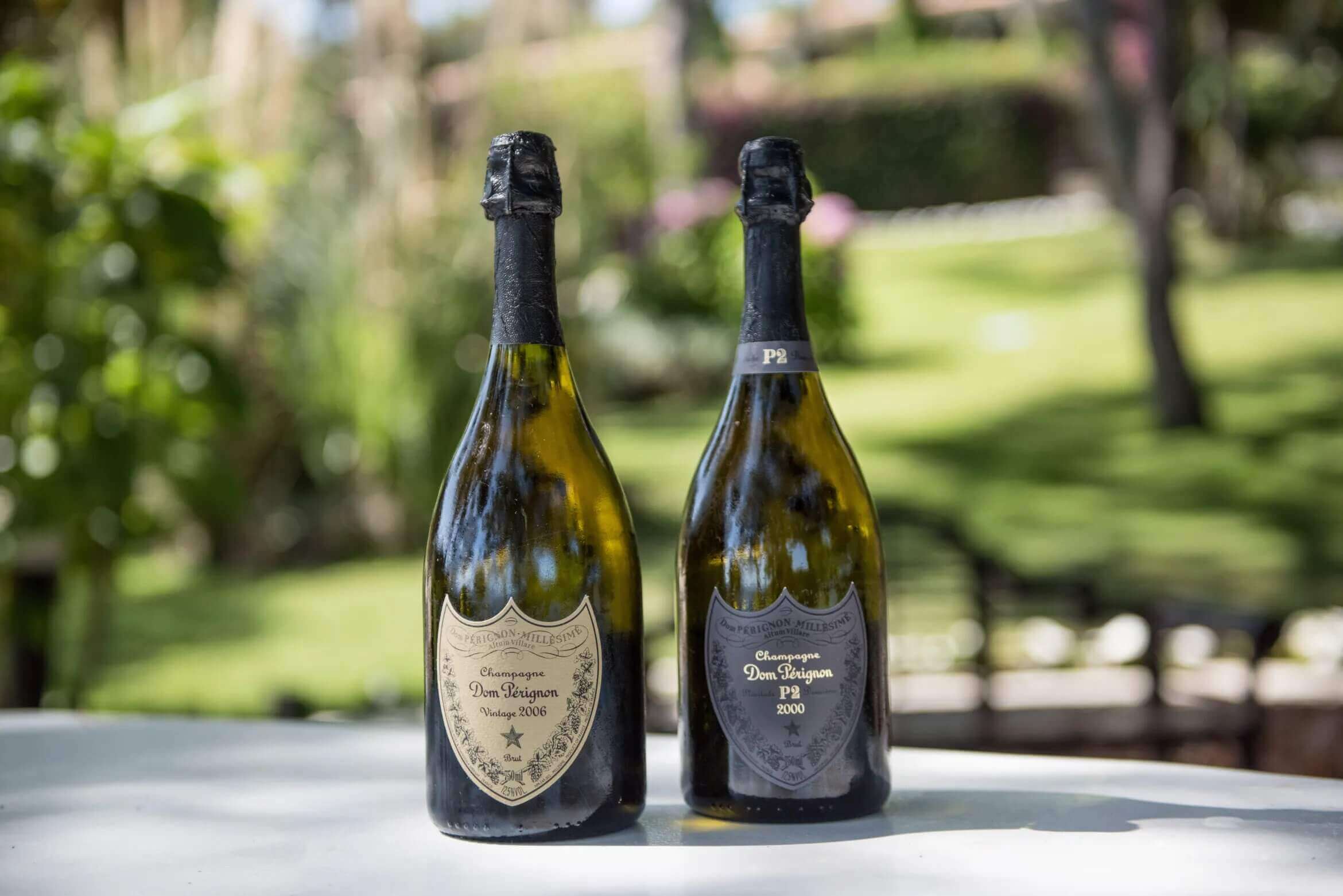
Dom Pérignon
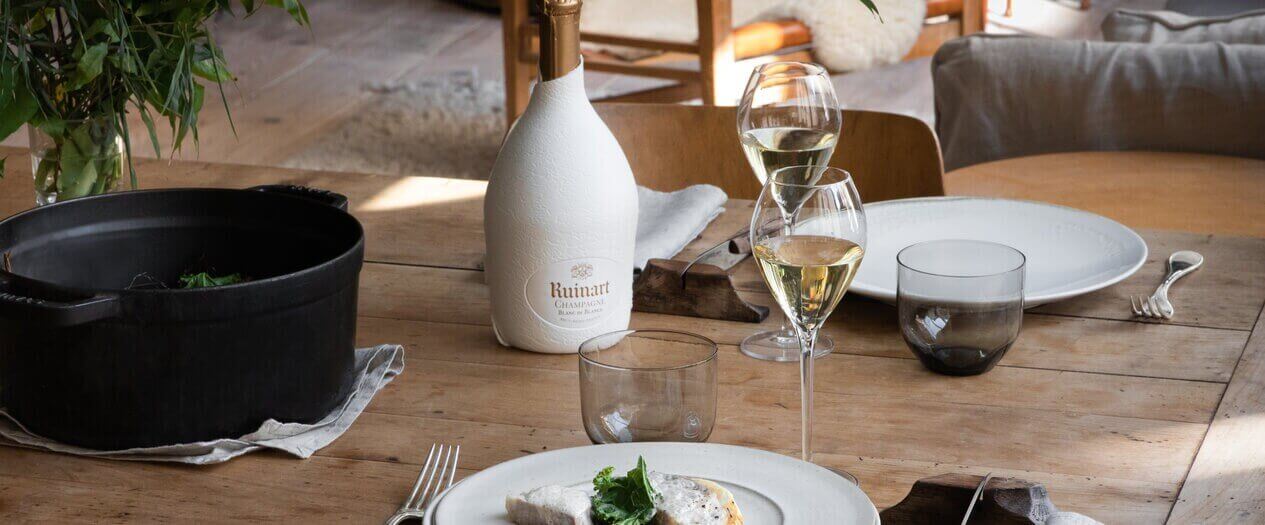
Ruinart
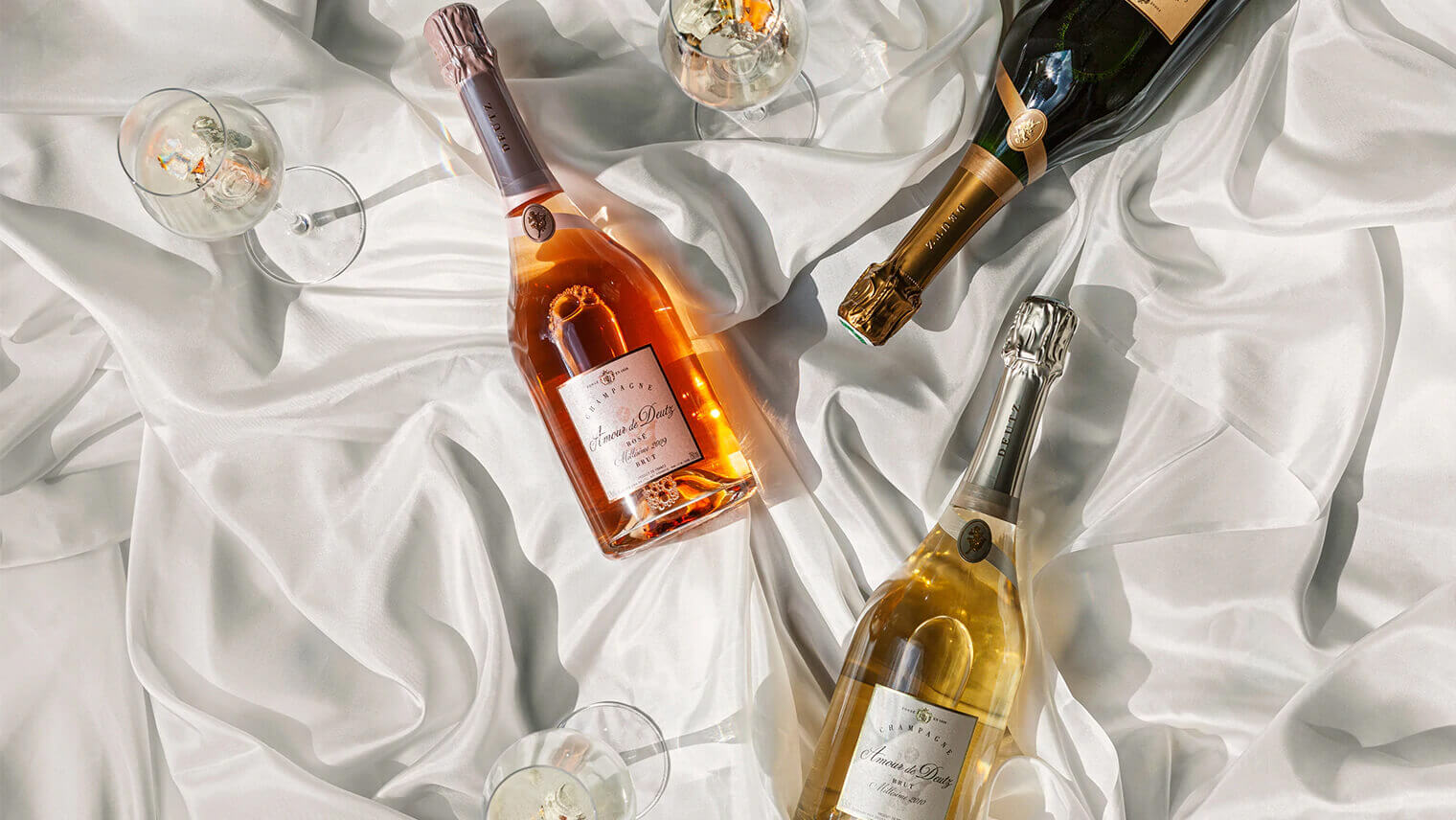
Deutz
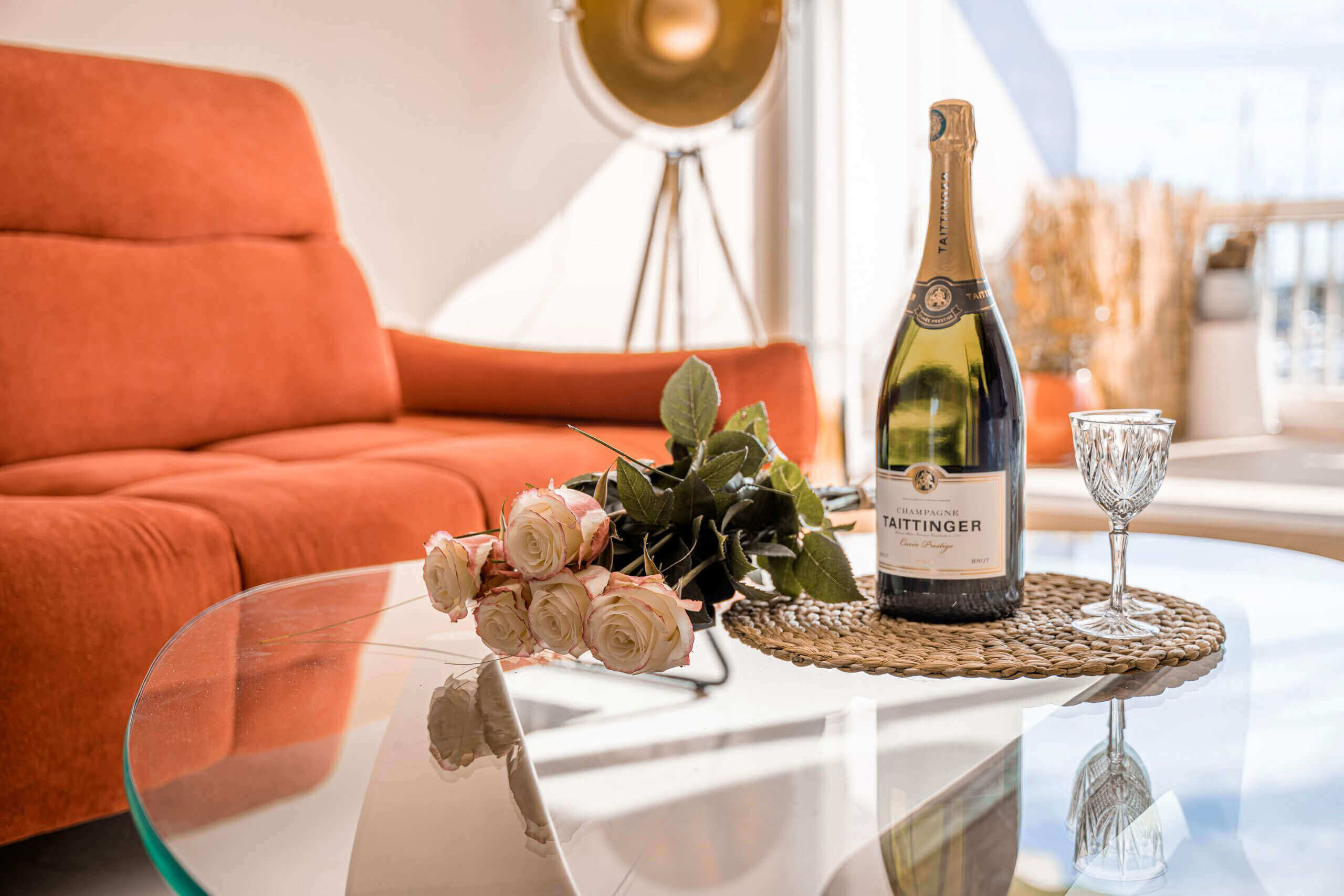
Taittinger
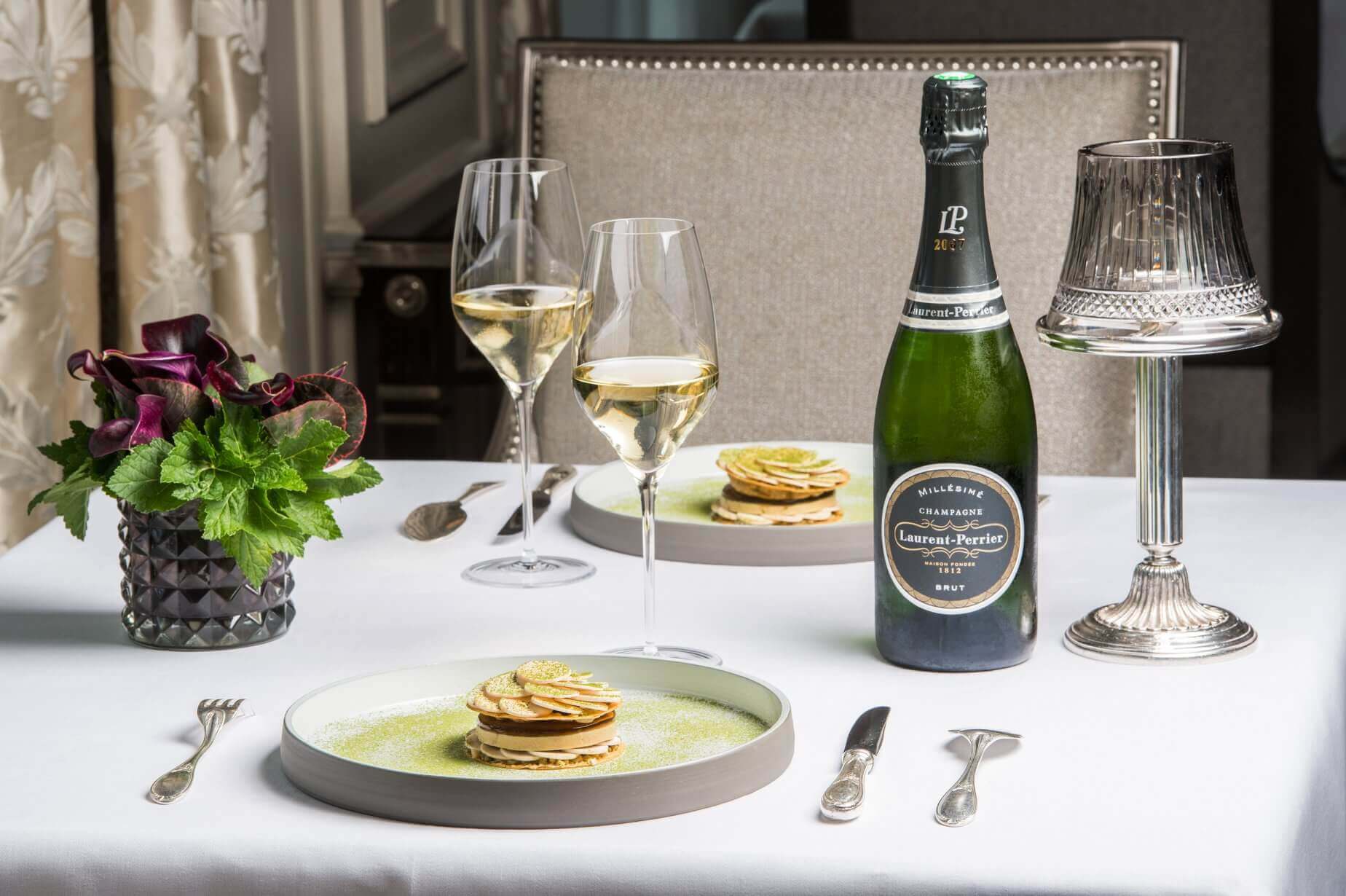
Laurent Perrier
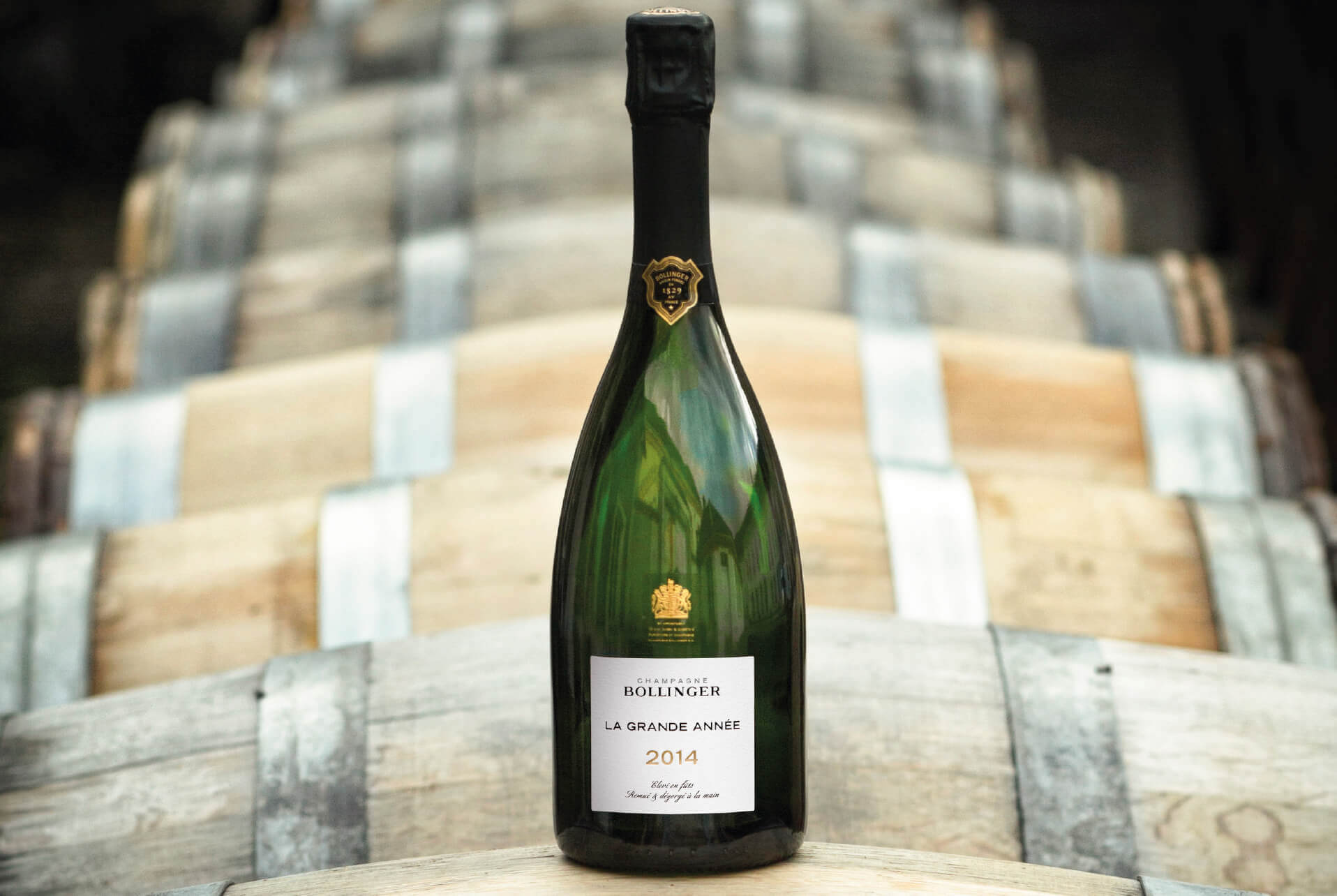
Bollinger
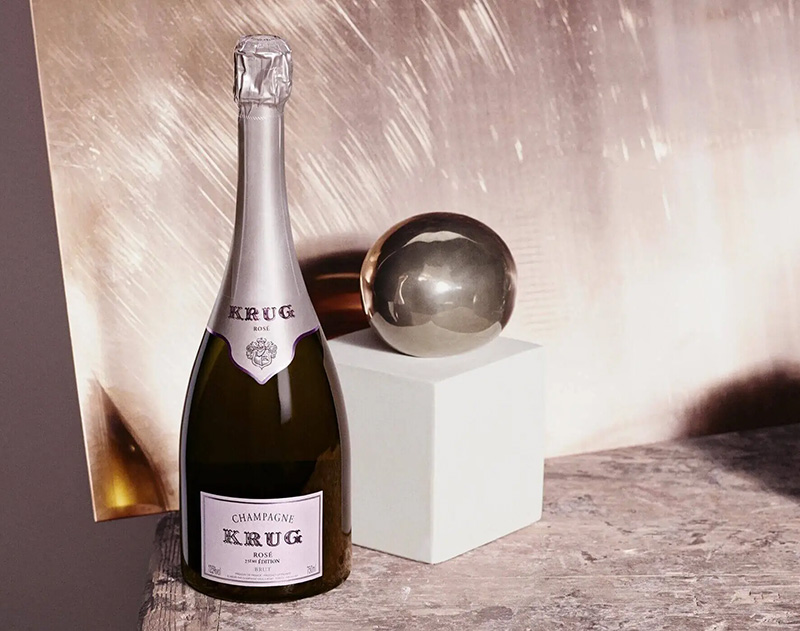
Krug
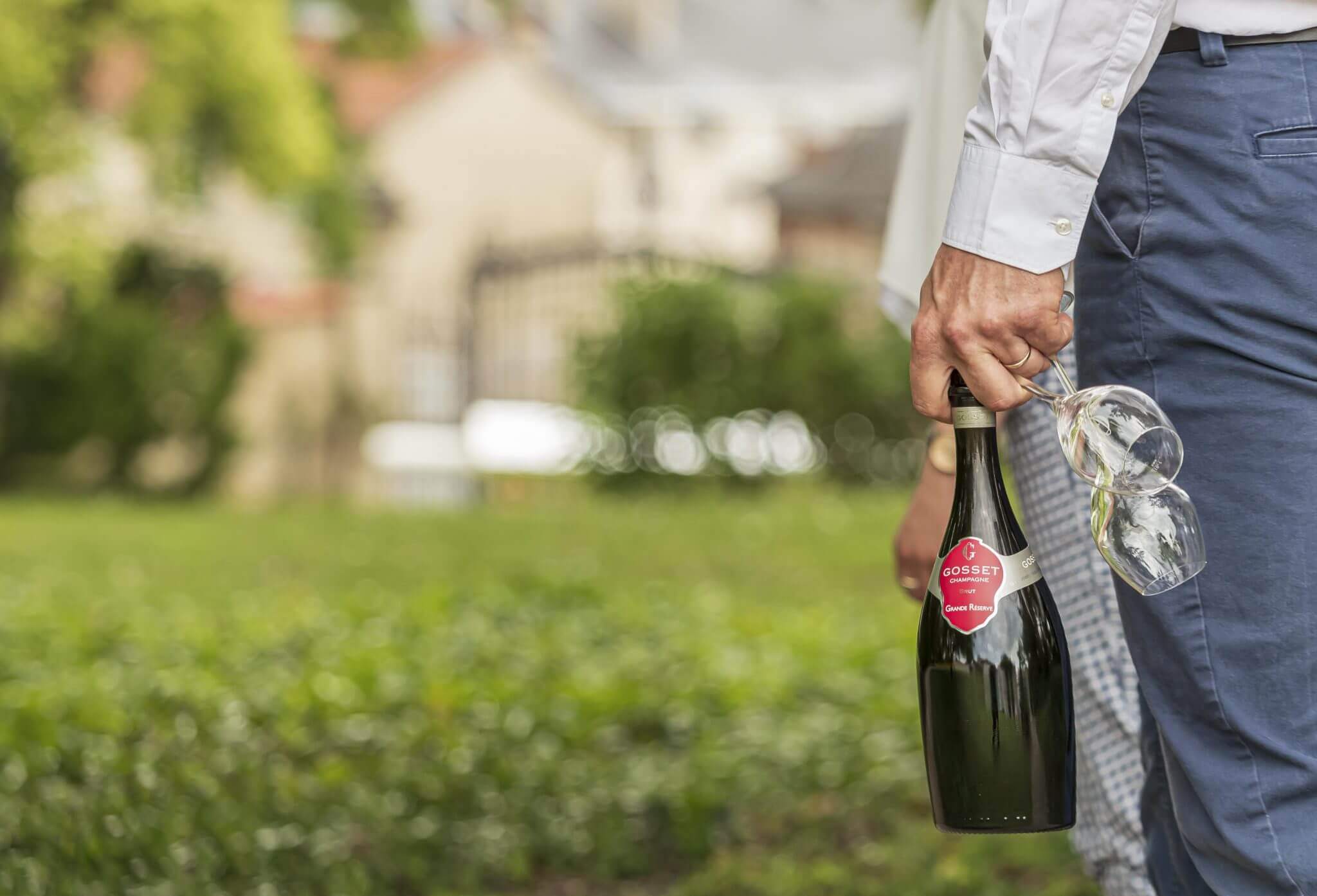
Gosset

Armand de Brignac
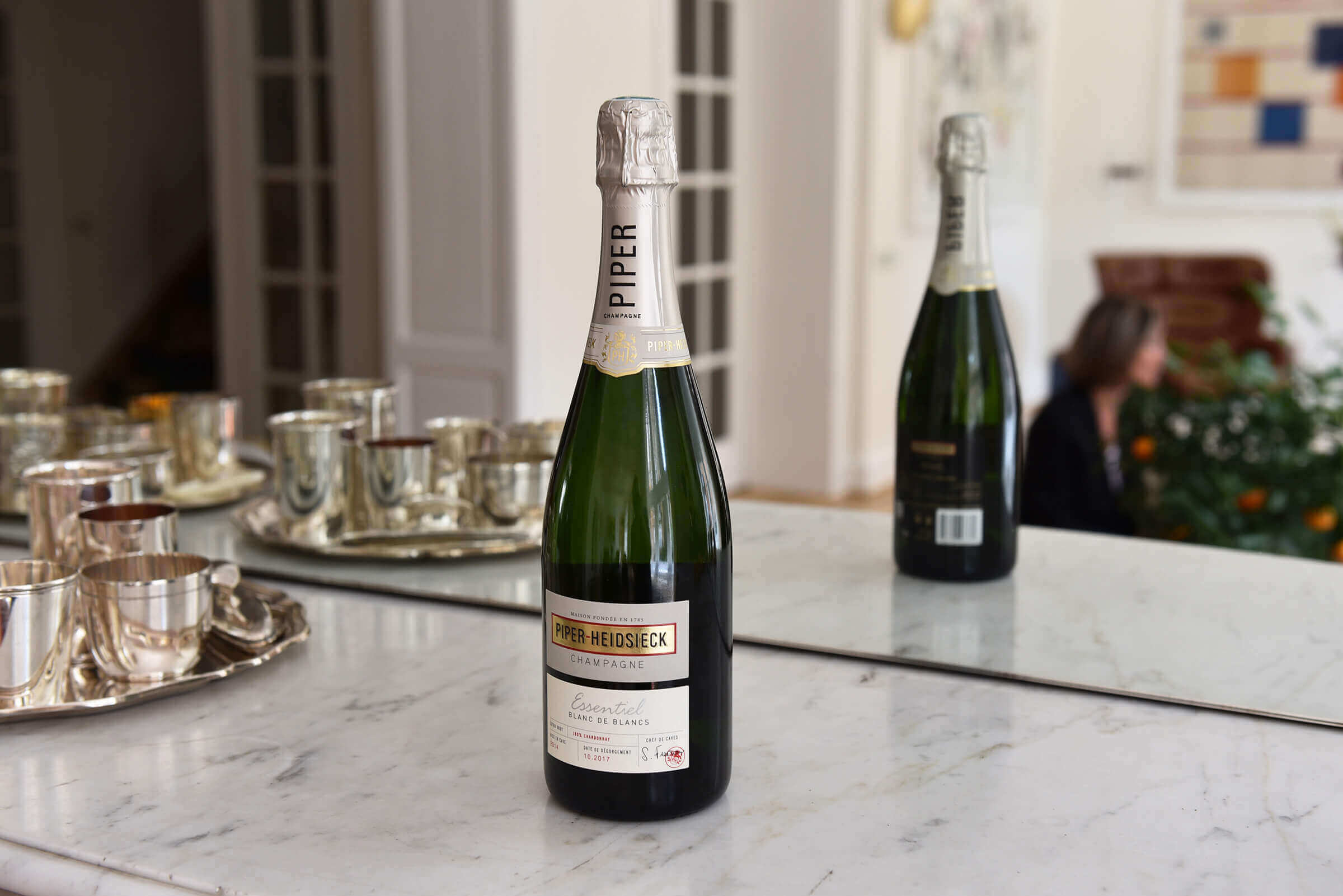
Piper-Heidsieck

Rare

Carbon
%20(1)_bk.jpg)
David Léclapart
Billecart-Salmon

Frèresjean Frères
.jpg)
Louise Brison

Exhibition
Veuve Clicquot
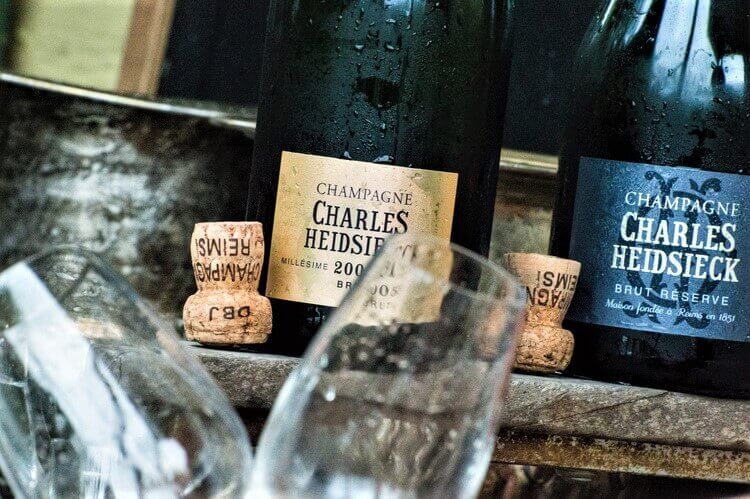
Charles Heidsieck
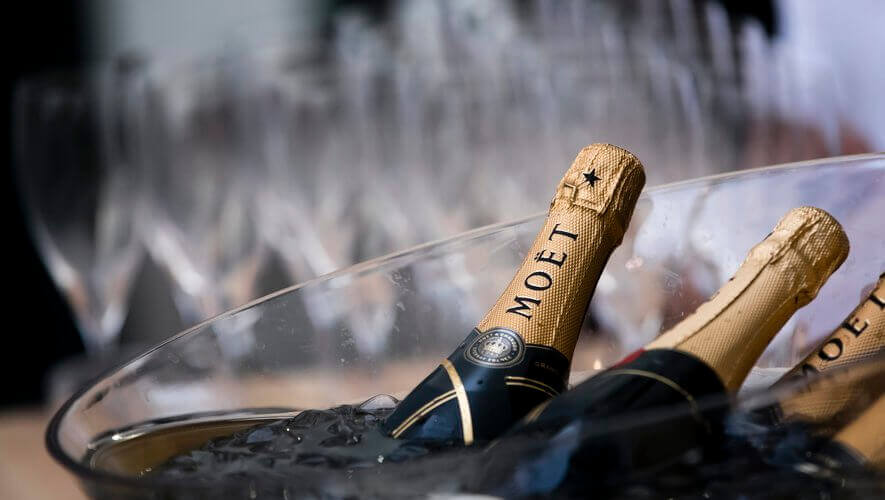
Moët & Chandon
Henri Giraud
Leclerc Briant
.jpg)
De Sousa
Delavenne
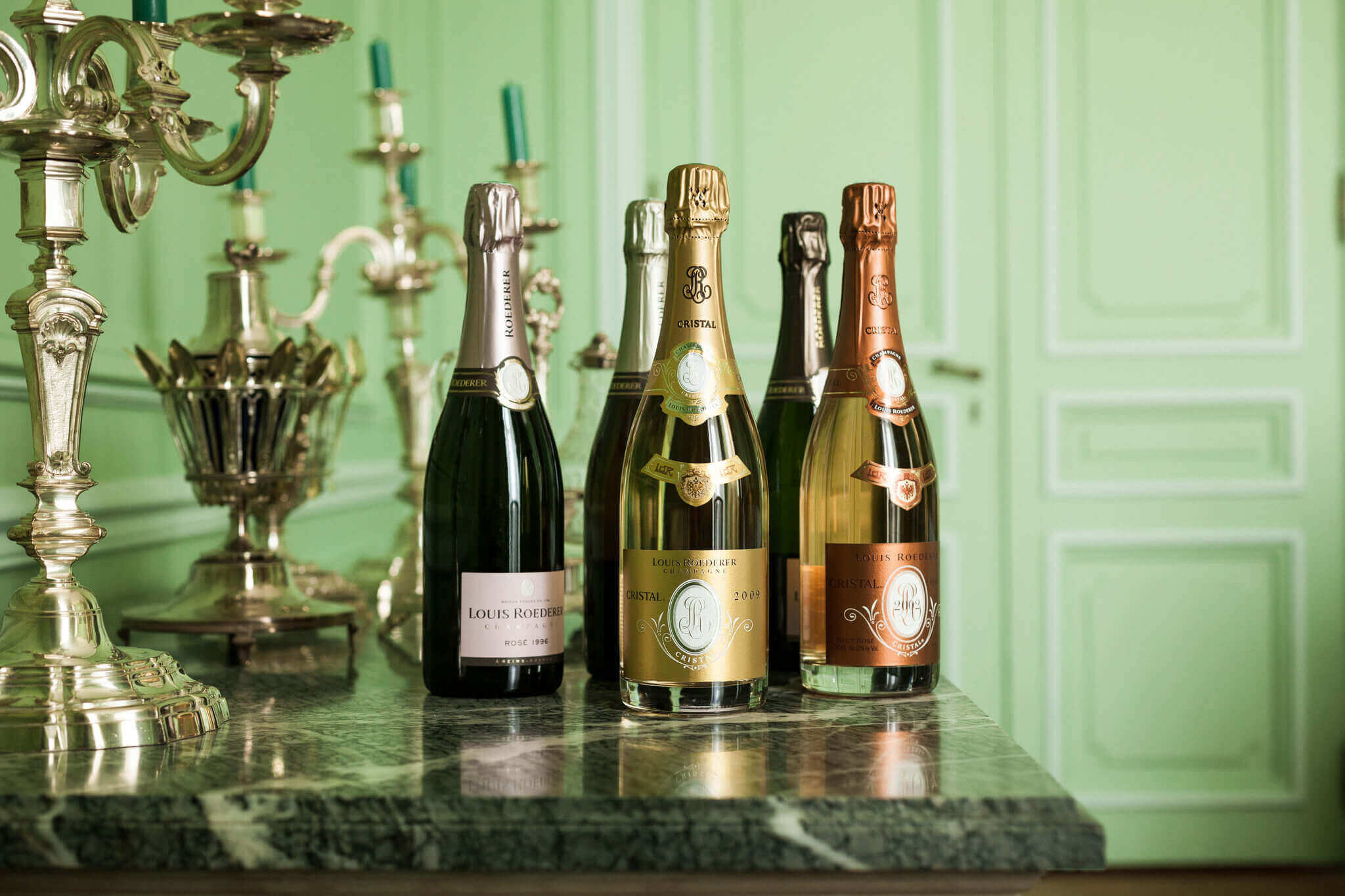
Louis Roederer
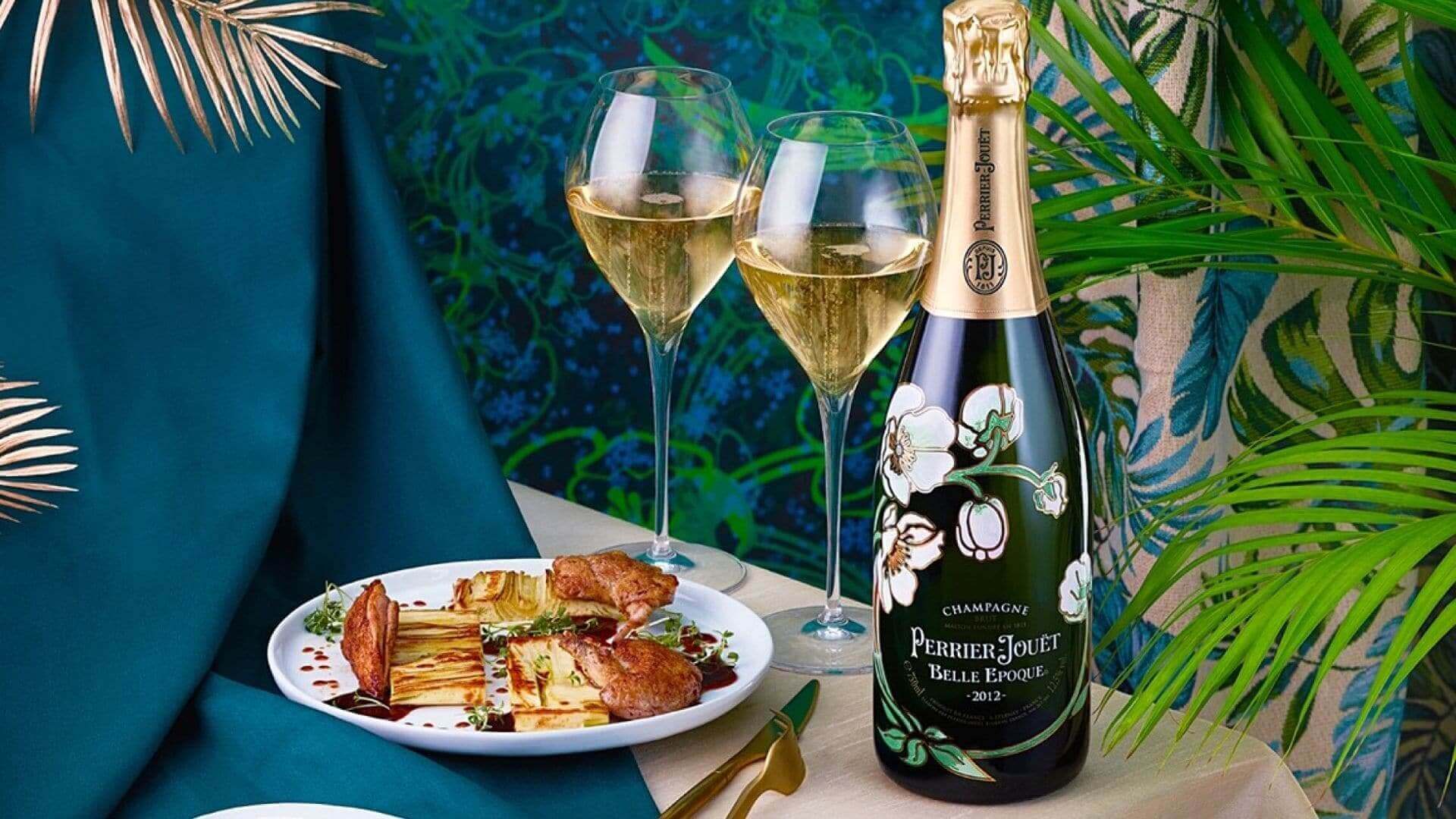
Perrier-Jouët
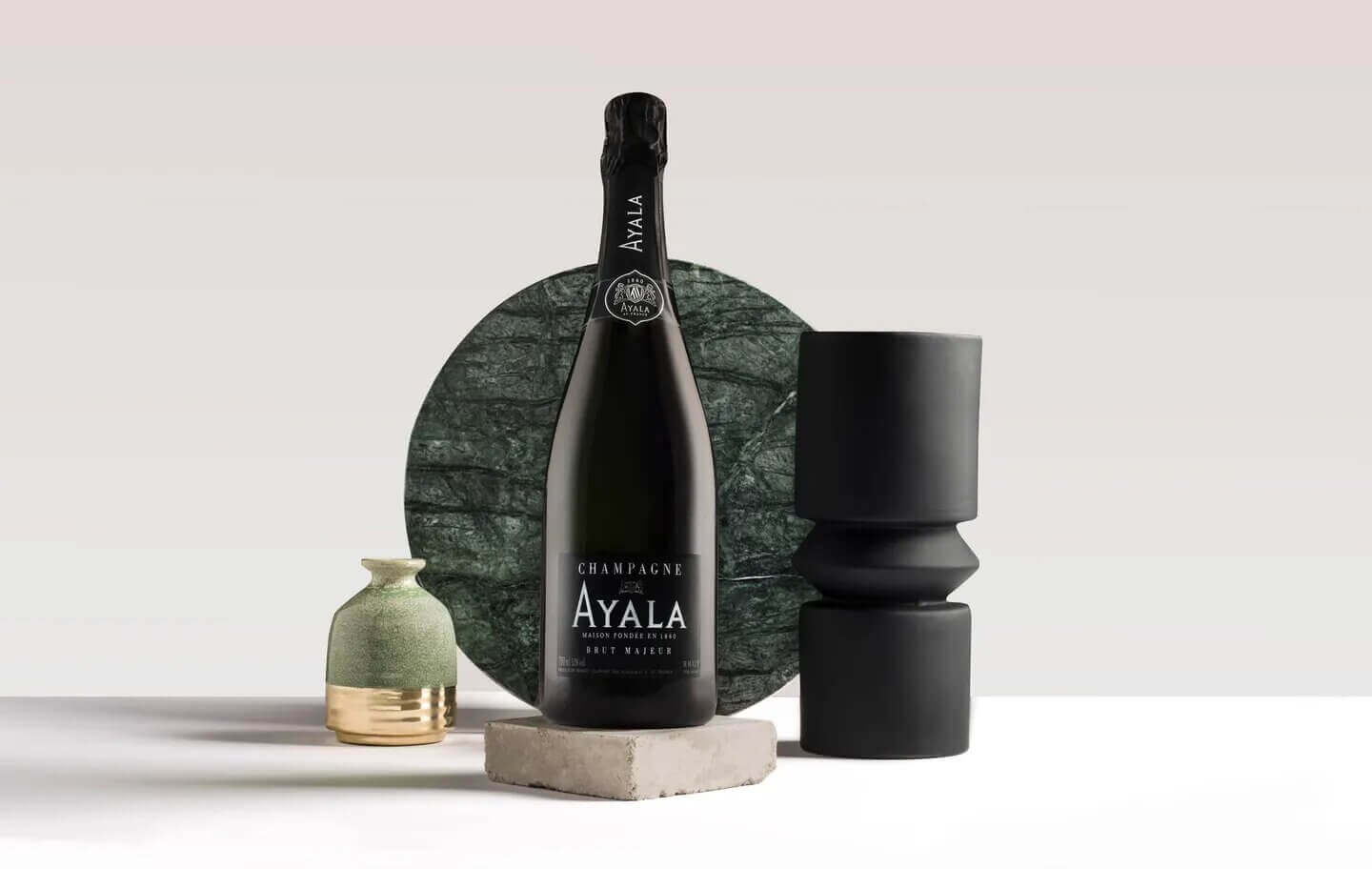
Ayala
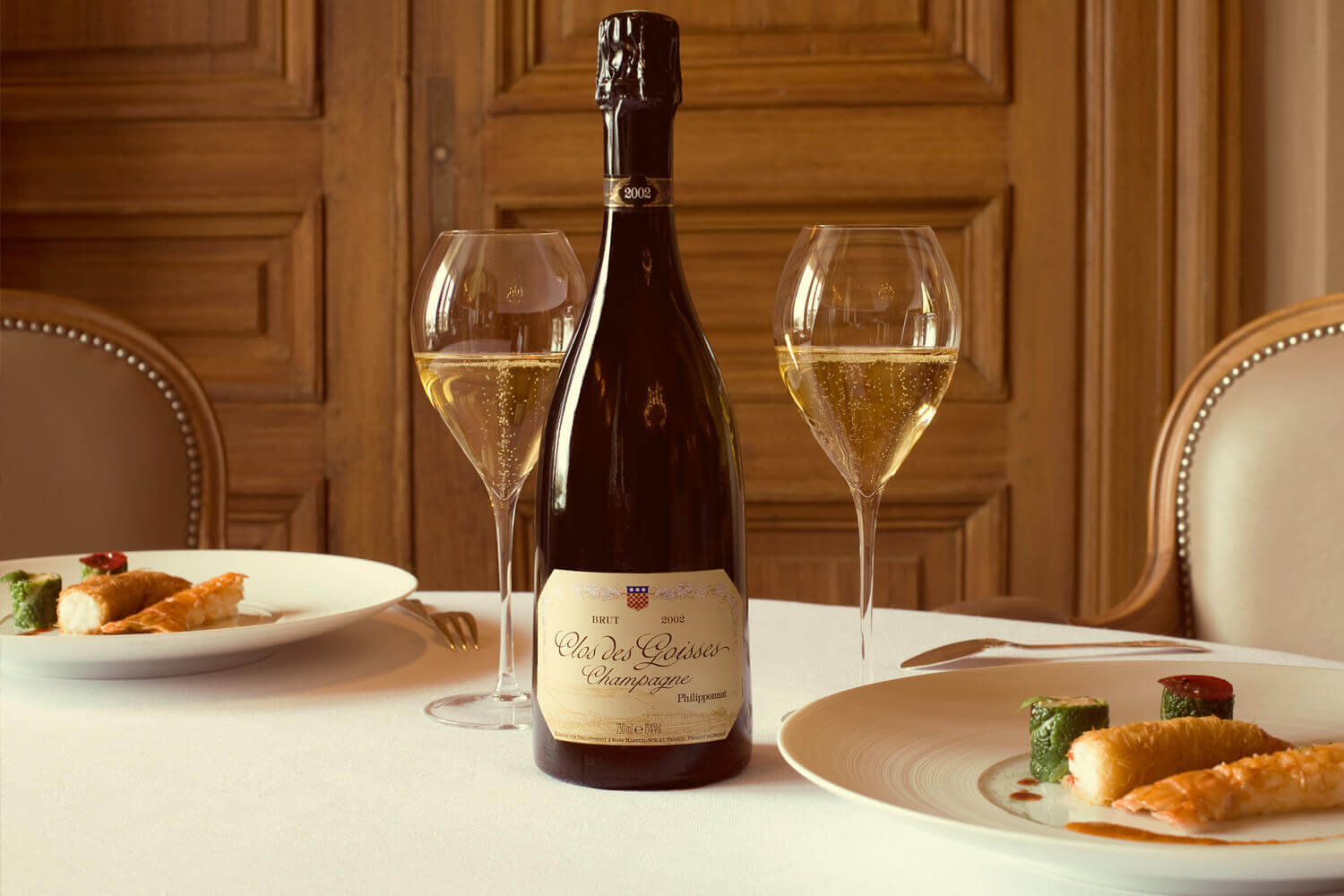
Philipponnat

René Rutat
A. Bergère
Péhu Simonet
Champagne Fleury

Drappier

Maurice Choppin Champagne
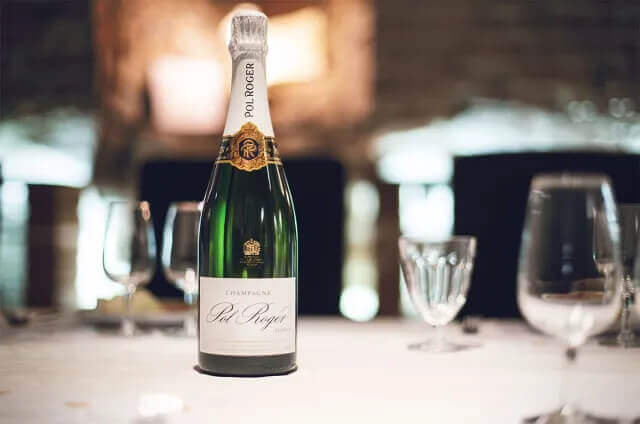
Pol Roger

Françoise Bedel
Discover other brands of Champagne not available on our online shop.

Champagne Jarry Héritage
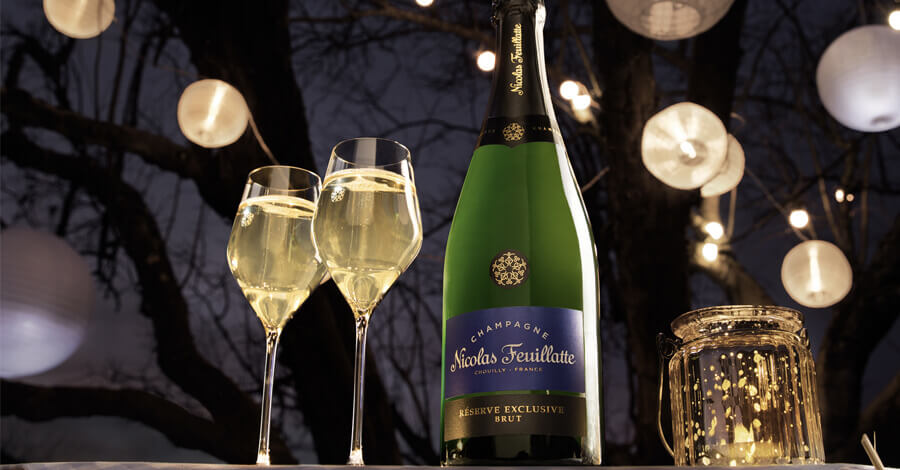
Nicolas Feuillatte
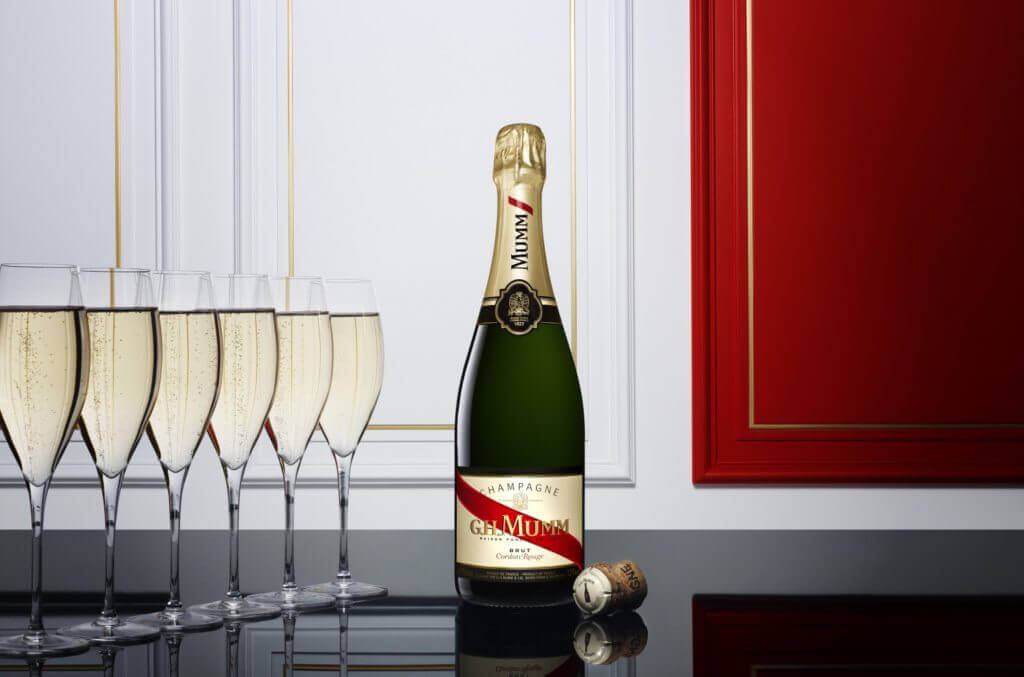
Mumm

Pommery
.jpeg)
Lanson
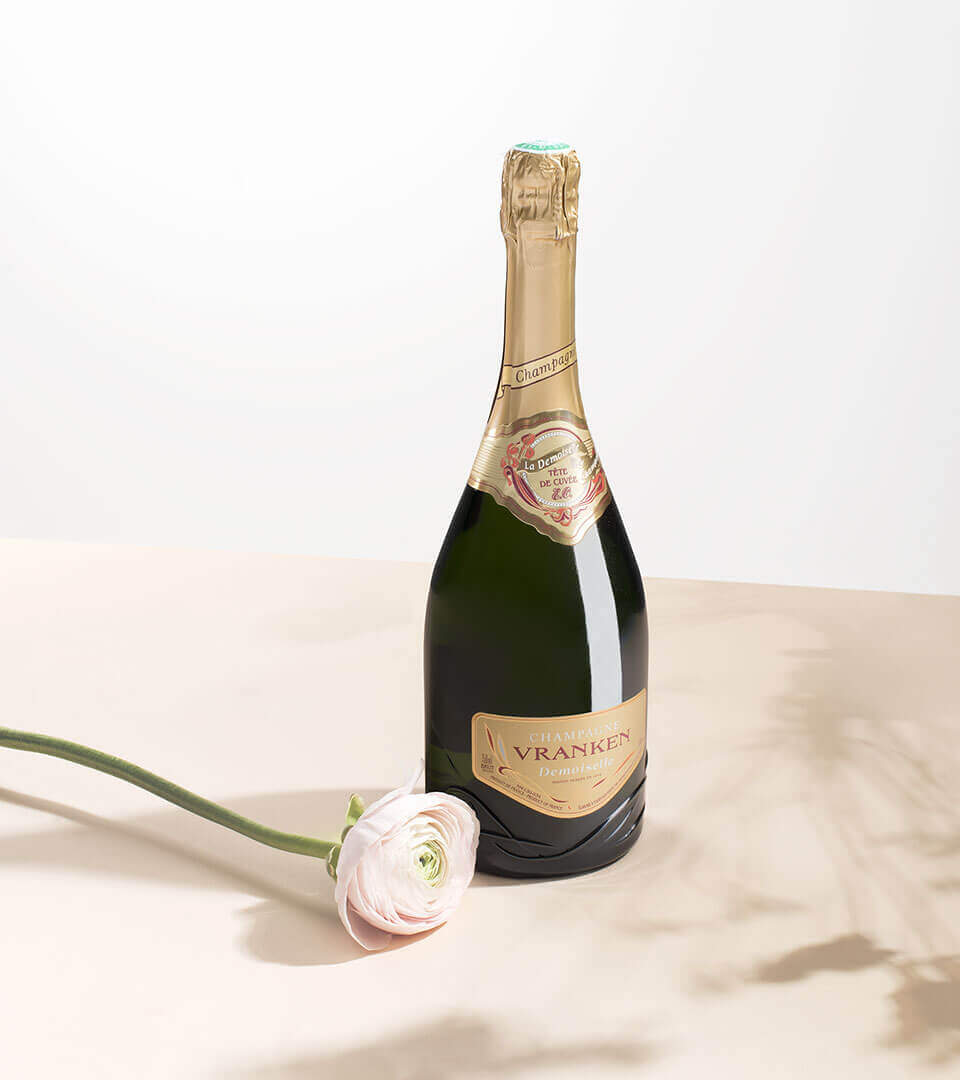
Demoiselle Vranken
Besserat de Bellefon
Mercier

Champagne Louis Dousset
Tsarina

Canard-Duchêne

Devaux
Jacquart

de Castellane
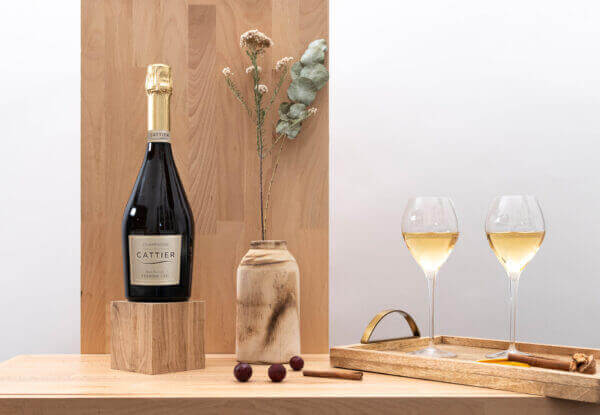
Cattier

Mailly Champagne
the best
champagnes to discover
An overview of all champagne brands
Champagne is synonymous with celebration, luxury and elegance. Leading brands have captivated the world with their refined flavours and prestigious image. In this article, we’ll explore the most renowned champagne brands, reveal their well-kept secrets and help you choose the perfect bottle for your next special occasion
The appeal of luxury champagne brands
Great brands have undeniable appeal. Not only do they offer delicate flavours and unrivalled quality, but they also represent a symbol of status and sophistication. The most luxurious houses have a long history and have been favoured by royalty, celebrities and connoisseurs alike. Their exceptional craftsmanship and attention to detail are reflected in every bottle, creating a unique sensory experience
Discovering the best French champagne brands
France is the birthplace of champagne and home to some of the most prestigious brands. These include legendary houses such as Moët & Chandon, Dom Pérignon, Veuve Clicquot and Krug. These brands are renowned for their excellence and consistency in producing top-quality champagne. Each offers a range of cuvées, from classic champagnes to exceptional vintages, providing a variety of choices to satisfy every palate.
Finding good-value champagne: Quality and price
Finding the perfect bottle means considering both quality and price. Leading brands set themselves apart through their commitment to quality, using carefully selected grape varieties and adhering to traditional winemaking methods. The result is champagnes with complex aromas, delicate effervescence and a silky texture. However, it is important to note that quality comes at a cost. The major brands are often more expensive due to their reputation and high demand. There are, however, affordable options that offer decent quality without breaking the bank.
Champagne brand ranking
Most admired brands (2025)
, Louis Roederer, Krug, Bollinger, Billecart-Salmon, Charles Heidsieck
RVF 2025 Awards
Krug – Louis Roederer – Jacquesson – Bollinger – Philipponnat
Leading brands by sales
Moët & Chandon – Dom Pérignon – Mercier – Ruinart – Veuve Clicquot – Krug – Vranken-Pommery Monopole
Laurent-Perrier – De Castellane – Salon – Delamotte
A list of well-known champagne brands
Here is a list of leading champagne brands that are renowned for their quality and worldwide fame
Moët & Chandon, Dom Pérignon,Veuve Clicquot, Krug, Laurent-Perrier,
Bollinger, Ruinart, Taittinger, Pol Roger, Piper-Heidsieck
Discover the best champagne to suit your budget
If you’re looking for quality champagne at a more affordable price, here are a few brands that offer excellent value
Deutz, Gosset, ,Ayala, Charles Heidsieck, René Rutat, , , , Taittinger,Philipponnat, Péhu, Simonet, Picard , Fleury, , , LouiseBrison,De Sousa, Piper Heidsieck , David Léclapart, ,MauriceChoppin, Delavenne
Tasting tips for beginners
Champagne tasting can be an enriching experience, whether you’re a novice or a connoisseur.
Here are a few tips to help you enjoy your tasting to the full.
- Start by chilling your champagne to the right temperature, usually between 8 and 10 degrees Celsius.
- Use a champagne flute to appreciate the effervescence and aromas.
- Observe the colour and clarity of the champagne.
- Gently inhale the aromas before taking your first sip.
- Take a small sip and let the flavours develop on your palate.
- Appreciate the texture and effervescence by letting the champagne sit in your mouth for a few moments before swallowing.
- Make a note of your impressions to help you remember your preferences for future tastings.
Looking for a good, affordable champagne?
Over the years, there has been a rise in affordable champagne brands that offer a luxurious experience without the exorbitant price tag. These brands strive to make champagne accessible to a wider audience whilst maintaining high quality standards. They offer excellent value for money and are perfect for special occasions or simply to treat yourself.
Champagne brand recommendations for special occasions
When it comes to choosing the perfect champagne for a special occasion,
here are a few recommendations based on your budget
For major celebrations:
DomPérignon, Rare, Krug, VeuveClicquot, Roederer, Laurent-Perrier
For more intimate occasions:
Laurent-Perrier, Louis Roederer, Bollinger, Charles Heidsieck,
,, Jacquesson, Ruinart, Ayala, Billecart-Salmon
For relaxed moments:
Deutz, René Rutat, , , , ,Taittinger, Gosset, Philipponnat, Péhu, Simonet, Picard, Fleury, , , Louise Brison
DeSousa, Piper Heidsieck, David, Léclapart, Maurice Choppin, , Delavenne, Champagne Jacquart
Conclusion: A glass of luxury and elegance
Champagne is much more than just a sparkling drink. It is an experience of luxury and elegance that adds a special touch to every occasion. The great champagne brands are the guardians of centuries-old traditions and exceptional expertise, producing beverages of unrivalled quality. From prestige Champagnes to Grand Cru cuvées, each bottle reflects the character of a unique terroir and meticulously selected harvests. Whether you choose a world-renowned Champagne brand or a more affordable option, every sip will transport you to a world of refinement and celebration.
What is the best value Champagne?
There are many champagnes that offer excellent value for money. Among them is Champagne Ayala, which combines freshness and finesse at an affordable price. Another interesting choice is Champagne Nicolas Feuillatte Brut, which offers fruity flavours and beautiful effervescence. Finally, Champagne Charles Heidsieck is also highly regarded for its balance and consistent quality.
What are the brands of the 10 best champagnes?
There are many criteria for determining the best champagnes, such as the reputation of the champagne house, the quality of the grapes used, cellar ageing and, of course, taste. Among the top 10 champagnes are prestigious brands such as Dom Pérignon, Krug and Louis Roederer Cristal. These champagnes are distinguished by their finesse, aromatic complexity and length on the palate, making them the preferred choices for champagne lovers.
Which champagne should you buy in 2025?
It’s always difficult to choose the perfect champagne, but in 2025, there are a few options that stand out. If you’re looking for an elegant, refined champagne, you might opt for a vintage cuvée from a renowned house. For those who prefer a fresher, fruitier champagne, non-vintage cuvées often offer a beautiful harmony of flavours. Whatever your choice, remember to enjoy it in moderation and to savour every sparkling sip.
What are the great champagne houses?
The great champagne houses are renowned and iconic brands in the champagne industry. They include names such as Moët & Chandon, Veuve Clicquot, Champagne Perrier-Jouët, Dom Pérignon, Krug and Bollinger. These houses are renowned for their traditional craftsmanship, exceptional quality and rich history, making them popular choices amongst champagne lovers worldwide.
How many brands of champagne are there in France?
There are over 300 brands of champagne in France. Champagne is one of the country’s most iconic drinks, produced mainly in the Champagne region. Each brand has its own production method and style, offering champagne lovers a wide range of choices.
What is the most prestigious brand of champagne?
There are many prestigious champagne brands, but one of the most renowned is undoubtedly Dom Pérignon. Founded in the 17th century, this champagne house is renowned for its exceptional quality and traditional craftsmanship. Its cuvées are often considered a symbol of luxury and elegance, making it a popular choice amongst connoisseurs worldwide.
How many brands of champagne are there in France?
In France, there are far more champagne brands than you might think:
- Some 370 Champagne houses (e.g. Moët & Chandon, Veuve Clicquot, Ruinart, Bollinger...).
- More than 16,000 winegrowers who produce their own labels.
- In total, more than 4,500 champagne brands are sold every year in France and around the world.
💡 This means that the term ‘champagne brand’ refers not only to the large, prestigious houses, but also to hundreds of artisanal cuvées from independent winemakers.
How do you create your own champagne brand?
Creating your own champagne brand is possible, but it requires compliance withthe Champagne appellation and a very precise set of rules.
🥂 1. Choose your legal status
You can become a ‘vigneron récoltant-manipulant’ (RM) if you grow your own vines and produce your own wine, a ‘négociant-manipulant’ (NM) if you buy grapes or base wine to produce your own wine, or an ‘acheteur-distributeur’ (MA) if you buy ready-made champagne and re-label it under your own name (ideal for private cuvées).
🍇 2. Comply with the AOC specifications
The production area is strictly defined (Montagne de Reims, Vallée de la Marne, Côte des Bar, Côte des Blancs). Only Chardonnay, Pinot Noir and Pinot Meunier grapes are permitted. Yields, pressing, ageing time and sugar content are strictly regulated.
🏭 3. Winemaking
The crus and grape varieties must be blended; the wine must undergo secondary fermentation in the bottle to produce bubbles, be aged on the lees (for a minimum of 15 months for a brut), then disgorged and dosed before being labelled and packaged.
🏷️ 4. Creating the brand identity
It is necessary to register the brand name with the INPI, design the label and bottle, and develop a marketing strategy (distribution, e-commerce, trade fairs).
📜 5. Legal declarations
Creating a brand involves registering with the CIVC (Comité Champagne), obtaining a number in the Casier Viticole Informatisé, and complying with tax and customs obligations (DGDDI).
💡 Tip: if you do not own any vineyards, you can collaborate with a winemaker or cooperative to create a bespoke cuvée and focus on marketing and sales.
Which champagne brand does not belong to the LVMH group?
The LVMH group (Moët Hennessy – Louis Vuitton) owns several major champagne brands: Moët & Chandon, Veuve Clicquot, Dom Pérignon, Ruinart, Krug and Mercier. All these houses are part of the LVMH portfolio.
However, some prestigious houses are not owned by LVMH. Bollinger remains an independent, family-owned company. Laurent-Perrier is a listed but independent group. Billecart-Salmon, founded in 1818, is still family-owned. Louis Roederer is independent and produces the famous Cristal. Pol Roger, highly regarded in England, also retains its family-owned status.
In short, if you wish to choose a prestigious house outside the LVMH portfolio, Bollinger, Roederer, Billecart-Salmon or Pol Roger are excellent options.
Which champagne should you choose?
To decide which champagne to choose, first consider the occasion: a non-vintage brut for an aperitif, a blanc de blancs for finesse, or a rosé for a treat. The major houses guarantee consistency and prestige, whilst independent producers offer authenticity and originality. Budget is also a factor: excellent bottles can be found for as little as €25. Finally, serve well chilled (8–10°C) to bring out all its bubbles and aromas.
The best champagne in the world
Krug Clos du Mesnil 2008 A truly great cuvée, with extraordinary complexity, finesse and exceptional ageing potential.
Louis Roederer Cristal Vinothèque Rosé 2002 Perfect balance, rarity, prestige – highly regarded in the rankings
Salon Blanc de Blancs Le Mesnil 2002 100% Chardonnay, crystalline elegance, often cited as the benchmark for the ‘blanc de blancs’ style.
Dom Pérignon (vintage versions) Very famous, widely recognised, consistent quality, distinctive style.
UMC champagne
UMC stands for Union des Maisons de Champagne.
Here are the key points to know:
- Founded in 1882, the Union des Maisons de Champagne (UMC) is a trade association for Champagne houses, major négociants and those who also purchase grapes.
- Its mission: to defend the name ‘Champagne’, protect the appellation, and oversee the quality, image and interests of member houses, both in France and abroad.
- It has close ties with the Comité Champagne, the inter-professional organisation that regulates the Champagne appellation as a whole.
- It represents many prestigious houses (the Grandes Marques) that make a major contribution to Champagne’s worldwide renown. 
