

Best Champagne 2026: our selection by budget, style and occasion
The essentials
There is no single "best champagne", but there are safe choices for every budget. Under €40: Courtois Brut (€22), Delavenne Dom Basle (€29.80), Geoffroy Expression 1er Cru (€39.55). From €40 to €80: Gosset Grande Réserve (€44.35), Bollinger Spécial Cuvée (€56), Louis Roederer Collection 245 (€58.90), Billecart-Salmon Le Rosé (€69.95). Prestige: Taittinger Comtes de Champagne 2014 (€189.80), Dom Pérignon Vintage 2017 (€229.90), Krug Grande Cuvée (€262), Cristal 2016 (€295).
- What is the best champagne in the world?
- There is no official ranking: the "best" depends on individual taste. The cuvées most often mentioned by enthusiasts and critics are the grand prestige cuvées — Krug Grande Cuvée, Dom Pérignon, Cristal by Louis Roederer, Taittinger's Comtes de Champagne — and a few single-vineyard wines such as Philipponnat's Clos des Goisses. These are long-ageing champagnes, produced in small quantities, priced between €190 and €600 per bottle.
- What is the best affordable champagne?
- Under €40, growers' champagnes often offer more character than brut champagnes from large houses at the same price: Courtois Brut (€22), Delavenne Dom Basle (€29.80), Texier Brut Réserve (€32) or Geoffroy Expression 1er Cru (€39.55). Among the large houses, Laurent-Perrier La Cuvée (€40.50) and Moët & Chandon Brut Impérial (€40) remain benchmarks.
- Grand house or grower champagne: which should you choose?
- A grand house buys part of its grapes and blends wines from many villages to achieve a consistent style from one year to the next. A grower-producer makes their champagne with grapes from their own vines: the wine expresses more of its village and its vintage. Both are excellent; the house reassures, the grower surprises — often at a better price.
- How can you recognize a good champagne?
- A fine, persistent bubble, a clean nose (fruit, flowers, brioche with age), a palate balanced between freshness and body, and a finish that lasts. The dosage (brut, extra brut, brut nature) and the disgorgement date also indicate the style. Our guide details the criteria for knowing whether a champagne is good.
The best champagne is not necessarily the most expensive one: it is the one that matches your budget, your taste and the moment you open it. Here is our 2026 selection, cuvée by cuvée, from growers' bruts under €40 up to the great prestige cuvées.
5 min read
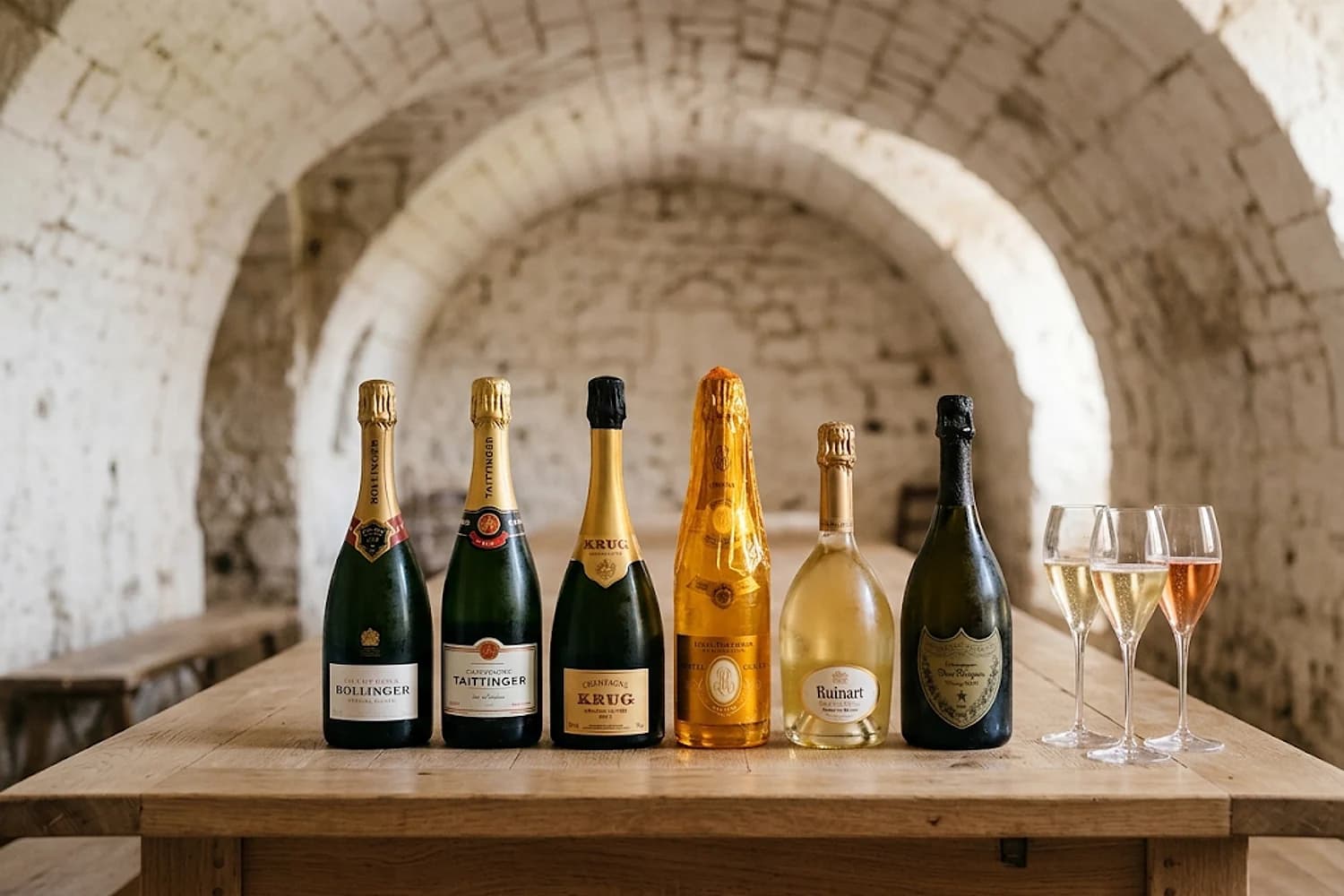
“What is the best champagne?” This is the question we are asked most often at our cellar, and the honest answer fits in one sentence: the one that matches your budget, your taste and the moment you open it. A €30 grower's brut can make a better aperitif than a prestige cuvée served too cold; a great vintage reveals its full interest at the table, paired with a dish that responds to it. Rather than a fixed ranking, here is our 2026 selection, organised by budget, style and occasion. All the cuvées mentioned are available in our cellar, at the prices indicated.
How we chose
We taste every cuvée before listing it, and we have chosen here the ones our customers recommend most and that we would open ourselves. Three criteria: a clear, recognisable style, consistent quality from one bottle to the next, and a fair price for what is in the glass. We have deliberately mixed big houses and growers: both worlds produce remarkable champagnes, each with its own personality.
The bottles in this article
The best champagnes under €40
This is the price range where grower champagnes make the difference. The Brut de Courtois (€22) is our best value for money: a straightforward, fruity champagne, perfect for an aperitif. The Dom Basle de Delavenne (€29.80), from Bouzy, has the richness of the grands crus of the Montagne de Reims. The Brut Réserve de Texier (€32) and the Expression 1er Cru de Geoffroy (€39.55), from the vines of Cumières, offer more body, to go with a meal. On the big houses' side, Laurent-Perrier La Cuvée (€40.50) relies on the freshness of chardonnay, and the Moët & Chandon Brut Impérial (€40) remains the best-known brut in the world. More ideas in our selection of good champagnes under €40.
The best champagnes from €40 to €80
This is the heart of the big houses' range, and the best ground for comparing styles. The Grande Réserve de Gosset (€44.35) plays on tension and fruit, without malolactic fermentation; the Bollinger Spécial Cuvée (€56), dominated by pinot noir and partly vinified in barrels, is a powerful, vinous champagne. The Louis Roederer Collection 245 (€58.90), a multi-vintage blend, is one of the most complete bruts available right now. Among the growers, the Extra Brut Grand Cru Terroirs d'Agrapart (€77.70) shows what the Côte des Blancs can give at its purest, and the Hommage au Pinot Noir d'Henri Giraud (€69.95) all the depth of Aÿ. For a rosé, the Rosé de Billecart-Salmon (€69.95) is a benchmark of elegance.
The best prestige cuvées
These are the champagnes that feed the “best champagne in the world” rankings: produced in small quantities, aged for many years in the cellar, they can be kept for fifteen or twenty years. The Comtes de Champagne 2014 de Taittinger (€189.80), a blanc de blancs from grands crus, is one of the finest. The Dom Pérignon Vintage 2017 (€229.90) only exists as a vintage, while the Krug Grande Cuvée 173e Édition (€262), on the contrary, blends more than a hundred wines from many different years. The Cristal 2016 (€295), created in 1876 for Tsar Alexander II, and the Clos des Goisses 2013 de Philipponnat (€330), from one of the steepest slopes in Champagne, complete this summit. Our comparison Cristal ou Dom Pérignon helps you choose between the two most famous.
The best champagne for your style
Blanc de blancs (100% chardonnay), for finesse: the Ruinart Blanc de Blancs (€90) or the Latitude de Larmandier-Bernier (€57.50); the full selection is in our blancs de blancs. Blanc de noirs, for power: the Blanc de Noirs de De Sousa (€54.90) or the one from Bruno Paillard (€79.90) — our blanc de noirs guide compares them. Rosé: Laurent-Perrier Cuvée Rosé (€75.90), a rosé de saignée with an intense colour, and our other rosés. No added sugar: the Dosage Zéro de Bruno Paillard (€63.95). Bio and growers: our guides to the best bio champagnes and the best grower champagnes cover more than fifty cuvées.
The best champagne for every occasion
Aperitif: a fresh, fruity brut, such as Brut de Courtois or Laurent-Perrier La Cuvée. Meal: a vinous champagne, Bollinger Spécial Cuvée or a blanc de noirs, that can stand up to poultry. Gift: a prestige cuvée in a gift box, Dom Pérignon or Comtes de Champagne. Wedding or big celebration: a big house's brut in magnum, more festive and easier to serve — our article explains how many bottles to plan for a wedding. End-of-year celebrations: see our selection of the best champagnes for Christmas.
Serving it well to enjoy it fully
Even the best champagne disappoints if it is poorly served. Serve it between 8 and 13 °C — closer to 8 °C for an aperitif brut, closer to 12 °C for a prestige cuvée or a millésimé — in a tulip glass or a white wine glass, which lets the aromas express themselves better than a narrow flute. To learn how to recognise a great champagne when tasting it, read our guide how to know if a champagne is good. The prices shown are those of our cellar at the date of publication; all our champagne houses are presented on their page.
The bottles in this article
À lire également
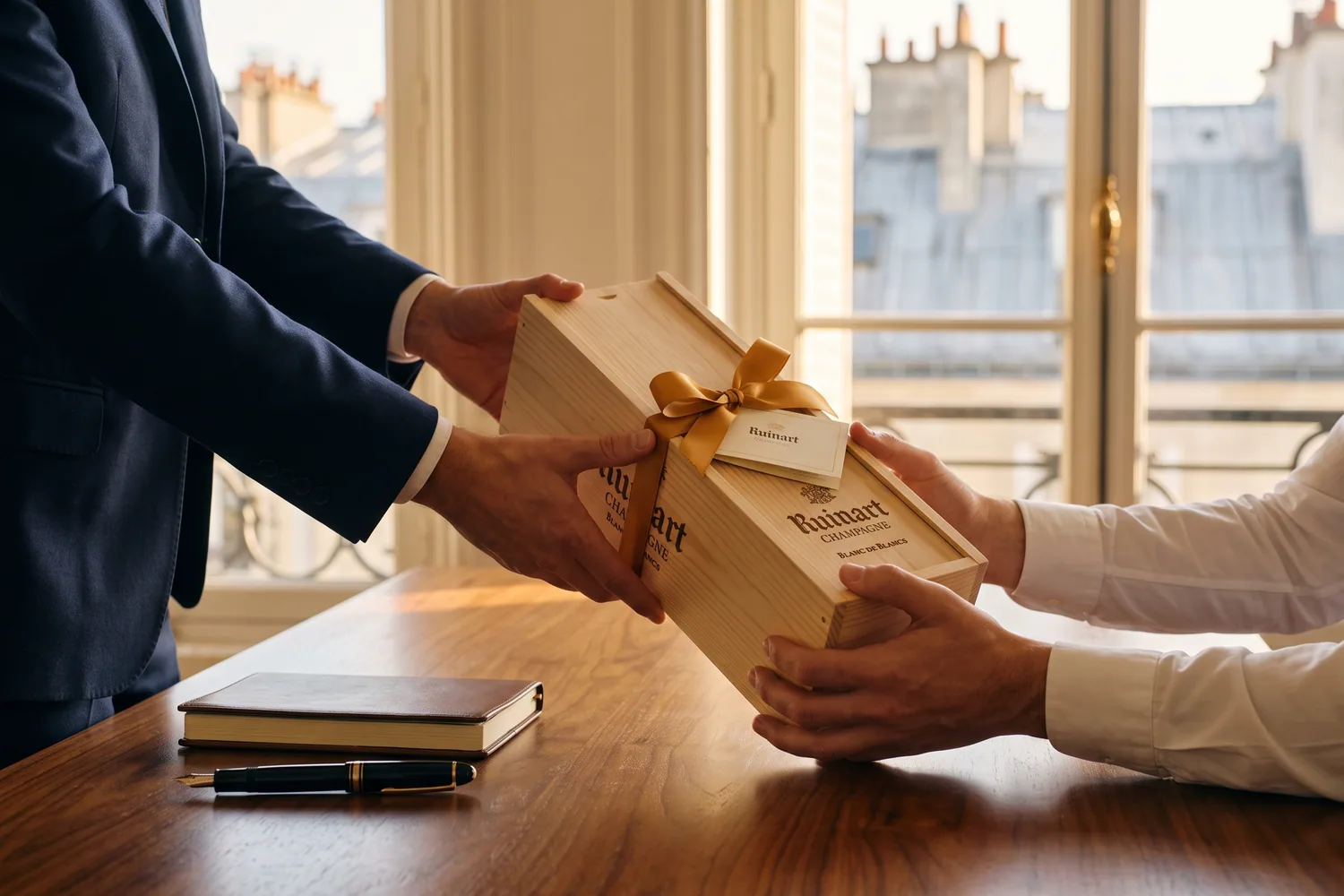
Champagne as a corporate gift: budget, bottles and rules — the 2026 guide
Champagne is the corporate gift that needs no explaining: it evokes celebration, France and thoughtfulness, without ever being in poor taste. However, you still need to choose the right budget, the right bottle and stick to the rules. Here is our 2026 guide: how much to budget per person, the gift sets that are always a hit, gifts that make an impression, the menu, tax implications and delivery.
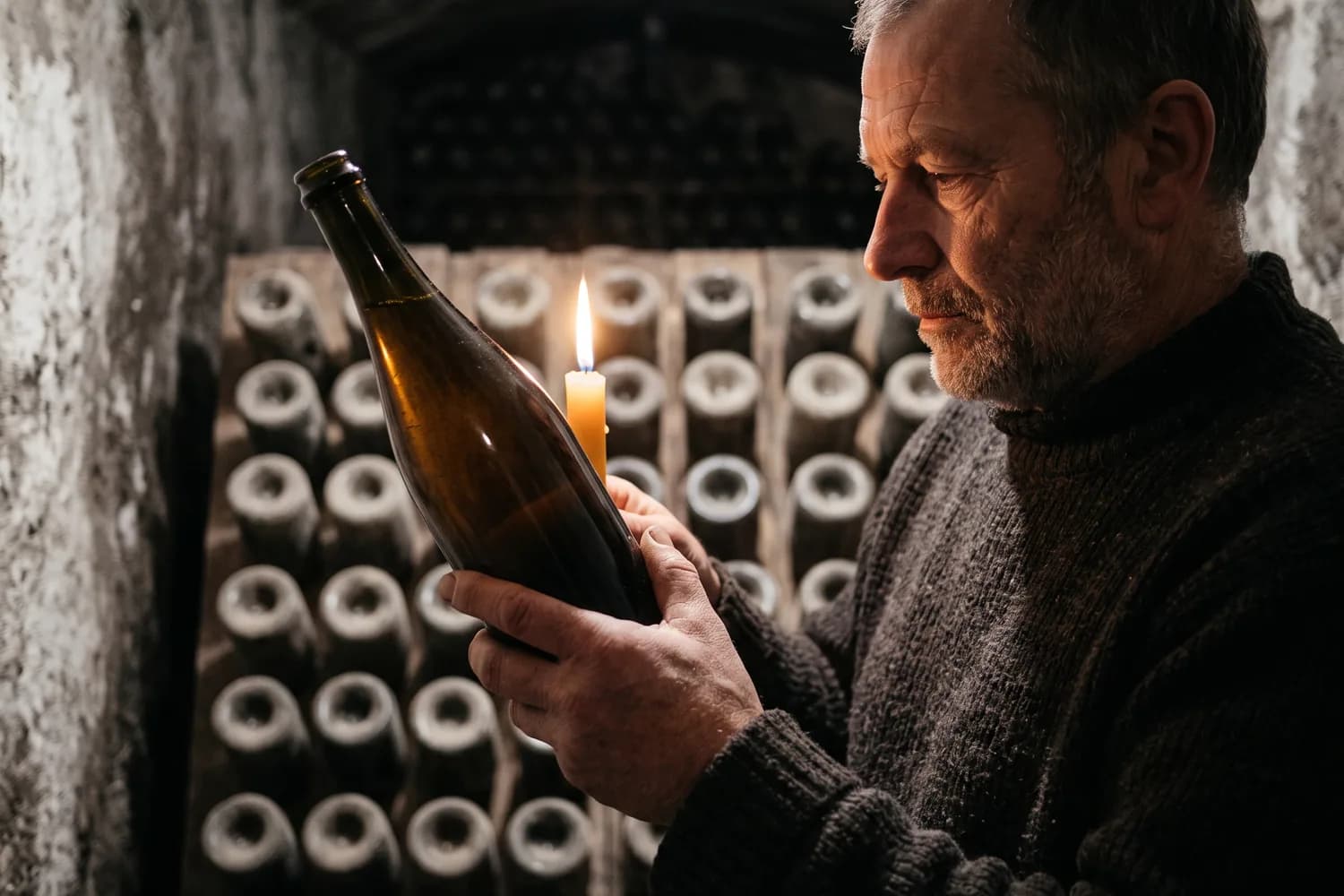
The best winemaker-produced champagnes of 2026: 26 producers to watch, ranging from €22 to €190
A ‘vintner’s champagne’ is a champagne where the person who pruned the vines has also signed the bottle. There are several thousand of these in Champagne; around thirty have found their way into our cellar, and not by chance. Here is our 2026 selection, region by region, with the cuvée to start with and its price for each one.
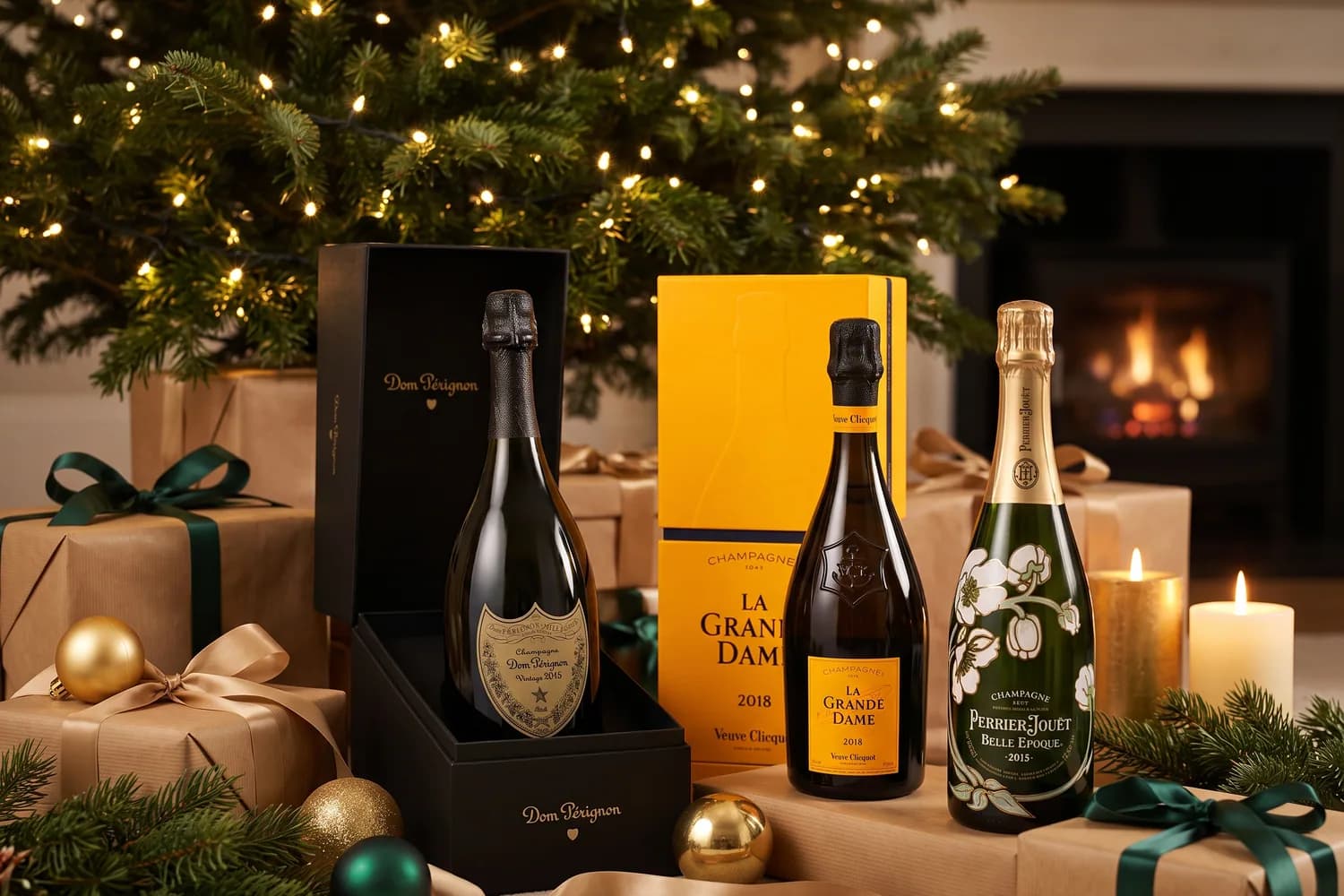
The best champagnes for Christmas 2026: our selection by stage of the meal and by budget
Which champagne should you open on the evening of the 24th? It depends on the occasion: you wouldn’t serve the same bottle with oysters, capon and the Yule log. Our Christmas 2026 selection, moment by moment, ranging from €31 to €300, including recommended quantities and delivery times.
