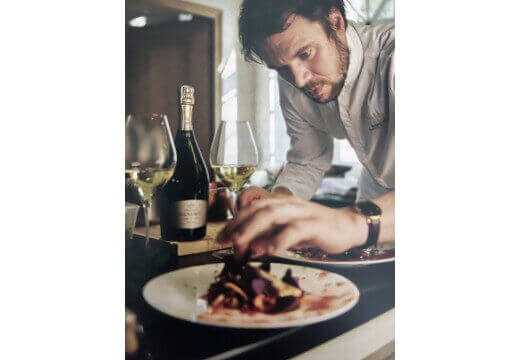
For the starter
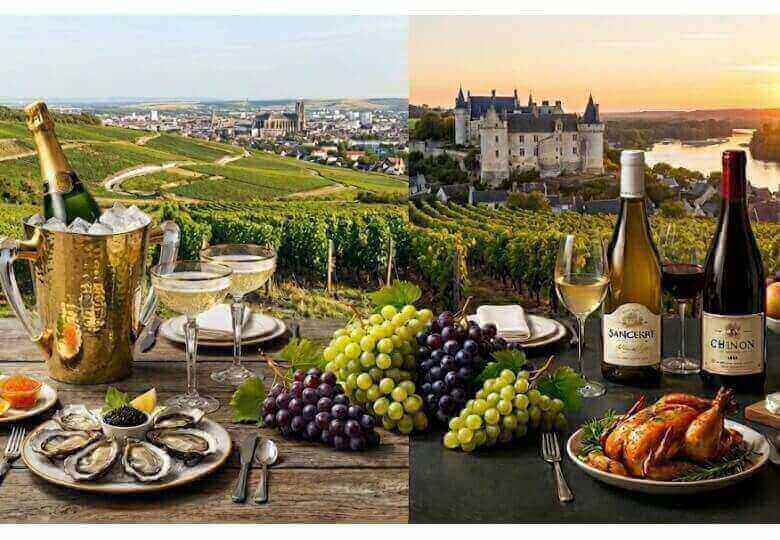
With a Champagne that is a little lively and low in sugar, opt for the aperitif to awaken your taste buds. What is important at this moment is the freshness of the drink. With these same champagnes, it is possible to continue with starters based on shellfish and raw fish such as oysters, smoked salmon, seafood platters, etc. If the foie gras is prepared pan-fried, choose a blanc de blanc champagne to combine the fat of the liver with the acidity of the wine. You can taste all this, by going to a gastronomic restaurant in Lille, or in any prestigious restaurant.
For the main course
With a rather tasty roasted poultry, it is possible to go for a more vinous champagne, often made with a large majority of pinot noir or pinot meunier. This corresponds to a blanc de noir champagne, i.e. made from black grapes. The non-vintage brut champagne is the most common, classic and consensual. You can drink it from the beginning to the end of the meal, it will please your guests.
The vintage brut champagne will go very well with meat dishes, which you can find in Lille restaurants. Younger vintages should precede older wines, as complexity is less noticeable in younger wines. It is recommended to go from the least complex champagne to the most complex.
For dessert
Dry, semi-dry or sweet champagne will be perfect to accompany a dessert. Its very sweet side goes very well with the sweetness of the latter.