Stars in the eyes
"Come my brothers, I drink of the stars!" cried a blind monk named Pérignon as he tasted the nectar.
The Benedictine friar's moment of ecstasy would be set in stone, and the life-size statue of the man holding a bottle overflowing with bubbles, which sits on the Moët andamp; Chandon estate in Épernay, was used in the 1950s to promote the Dom Pérignon brand. In 2007, the House abandoned it in favor of the image of Claudia Schiffer, in very seductive underwear on an unmade bed, a magnum of champagne in hand.
What Dom Pérignon would have thought of the German supermodel defies imagination, but one thing's for sure: he certainly didn't invent champagne. Besides, he was by no means blind, and as for "drinking from the stars", the only trace of this metaphor comes from an advertisement from the late 19th century, two hundred years later.
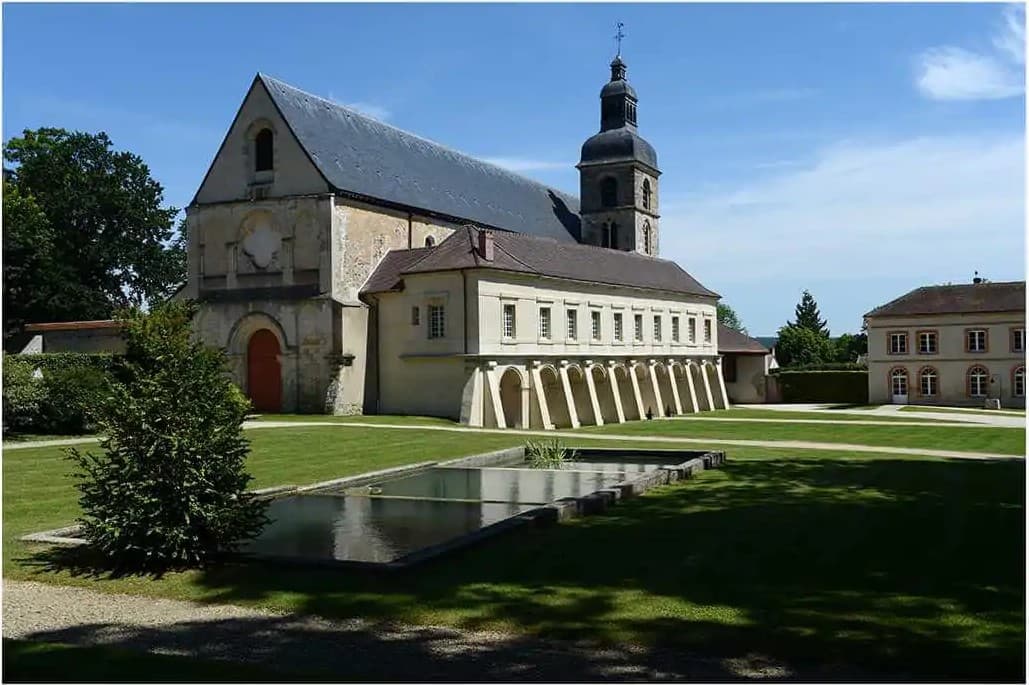
However, Pierre Pérignon did work in the vineyards of the monastery of Saint-Pierre d'Hautvillers, north of Épernay, and played a major role in the improvement of the wines as cellarer. It was one of his successors, Dom Grossard, who created the myth in the 1820s.
Pierre Pérignon, father of Champagne
Pierre Pérignon joined the abbey in 1668, at the age of 30, and remained there until his death in 1715. Like other winemakers in the region, he initially produced a still wine, where the presence of bubbles simply indicated that fermentation had not been completed, and that the CO had not been completely eliminated via the broquelet (a primitive wooden cork, greased and tied with hemp). Bubbles were a defect to be corrected, if only because they presented a real danger: they risked shattering the relatively fragile glass of the bottles of the time. Until the Champenois adopted the cork stopper, an ancient Roman invention, it was best to avoid sparkling wines.
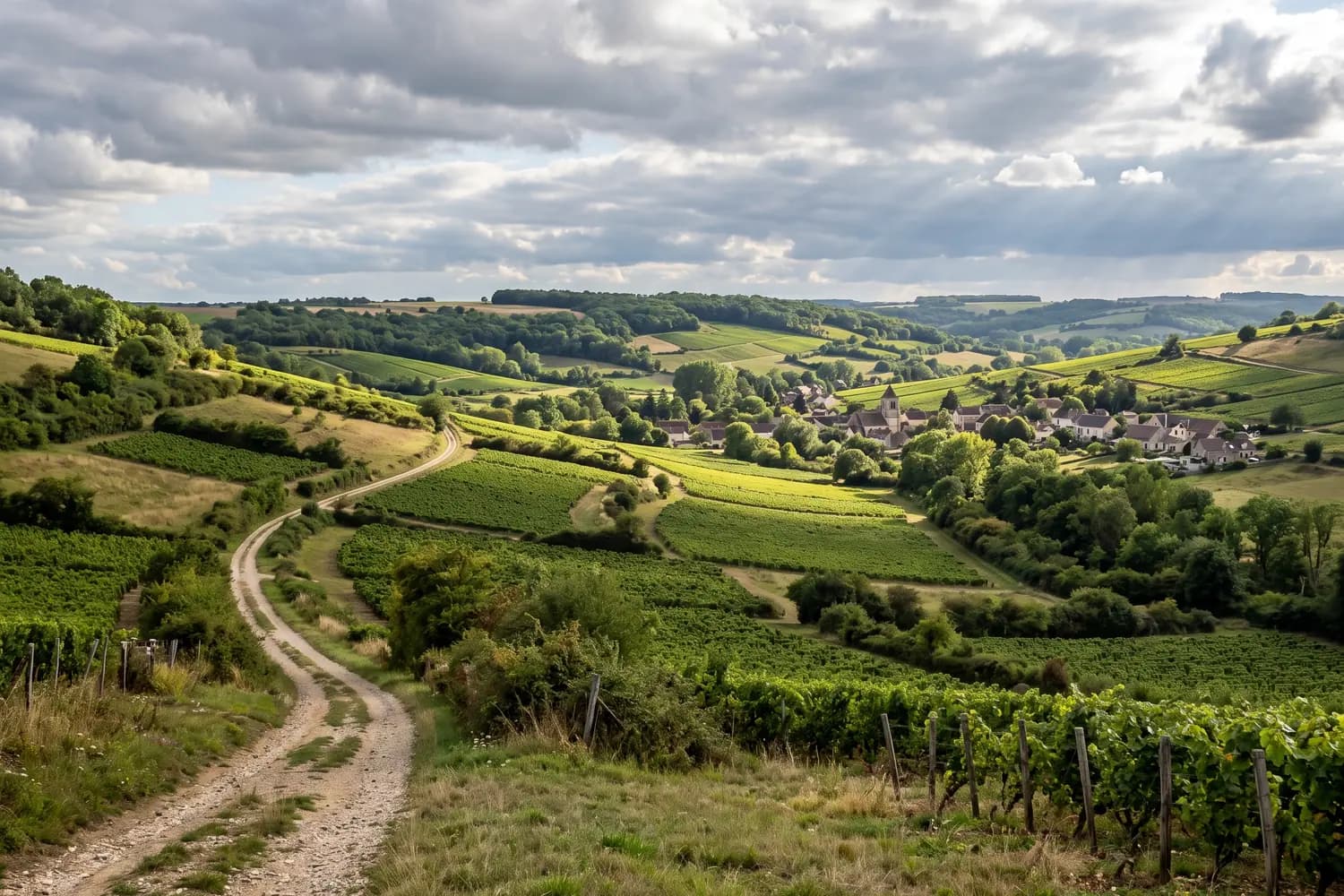
At Hautvillers, Pérignon doubled the size of the terroir to 20 hectares, favoring Pinot Noir over other varieties grown in the region. He was convinced that this noble grape variety, which produced the great reds of Burgundy, was less volatile than the white varieties, and therefore less likely to continue fermenting, whether in barrel or bottle.
He insists on cutting the vines back to less than 1 meter in height, and harvesting with care so that the berries remain whole. Likewise, he recommends replacing overly spirited horses with mules or donkeys to avoid shaking the bunches during transport
Lastly, as he is aiming for a white wine, and knowing that it is the skin of the grapes that gives the wine its color, he insists on pressing as soon as possible to limit this contact. When the color begins to darken (during the fourth or fifth pressing), he recommends rejecting the "second" juices. As his successors noted, Pérignon was a perfectionist.
History of Champagne
The name Champagne comes from the Latin Campania, which the Romans gave to the region east of Paris. Although it was in Campania that the Romans planted the region's first vines, the first documented vineyards in Champagne are those left by Remi in the 5th century. Famous for his involvement in the spread of Catholicism, the Bishop of Reims baptized Clovis I in 498, a turning point in French history.
As an archbishopric and major urban center, Reims became the spiritual capital of the country, and it was here that virtually all the kings of France were crowned, from Hugues Capet in 987 to Charles X in 1824. This link with royalty obviously played a part in the reputation of Champagne and its wines. In the 16th century, not content with being "only" King of France, François I decreed that he was also "King of Aÿ and Gonesse". Aÿ, a village to the east of Épernay, boasts vineyards of such renown that the name sometimes refers to any wine from the Champagne region.
These wines were also called "vins de Reims" or "vins de la Montagne", after the mountain of Reims, or "vins de la Rivière" for those from the Marne valley.
The Marne, which flows westward into the Seine near Paris, was a key route for bringing wine quickly to the capital. Champagne is a strategic crossroads, with access to the colossal Rhine valley to the east, the Netherlands to the north and Switzerland to the south. An enviable position, however, countered by the presence of the sunnier vineyards of Burgundy on the south-western route, where red wines were undoubtedly better.
Rough Champagne
In Champagne, winemakers could only claim to produce a pale imitation of Burgundy wines: dark rosé at best, with a bouquet that was undoubtedly lively, even acerbic. During the Little Ice Age that began in the 15th century, the wines became even more acidic. Some winemakers would have added elderberries to brighten up the color, but it's doubtful that many consumers were taken in. It seemed preferable to stick to white wines, especially when it was possible to obtain a clear juice from pinot noir by avoiding skin contact, according to the technique apparently perfected by Dom Pérignon d'Hautvillers. However, it was in the South, in another Benedictine abbey, that the first sparkling wines appeared in 1531. There, in the village of Saint-Hilaire, at the foot of the Limoux hills, corks were already being used that could withstand the pressure of the bubbles. Despite being 160 years ahead of its time, Blanquette de Limoux was largely eclipsed by Champagne.