

Discover Champagne: The Ultimate Guide to Visiting Champagne
Champagne, a historic region in north-eastern France, is world-renowned for its eponymous sparkling wine, a true symbol of celebration and luxury. Divided into five main wine-growing areas – the Montagne de Reims, the Côte des Blancs, the Vallée de la Marne, the Côte de Sézanne andthe Aube – it offers a region rich in diversity, where every glass of champagne tells its own story, bearing witness to the unique expertise passed down through the generations. This distinctive production process involves a second fermentation in the bottle, giving the drink its characteristic bubbles. Whether you are a lover of Blanc de Blancs, Blanc de Noirs or Rosé Champagne, Champagne promises unforgettable discoveries.
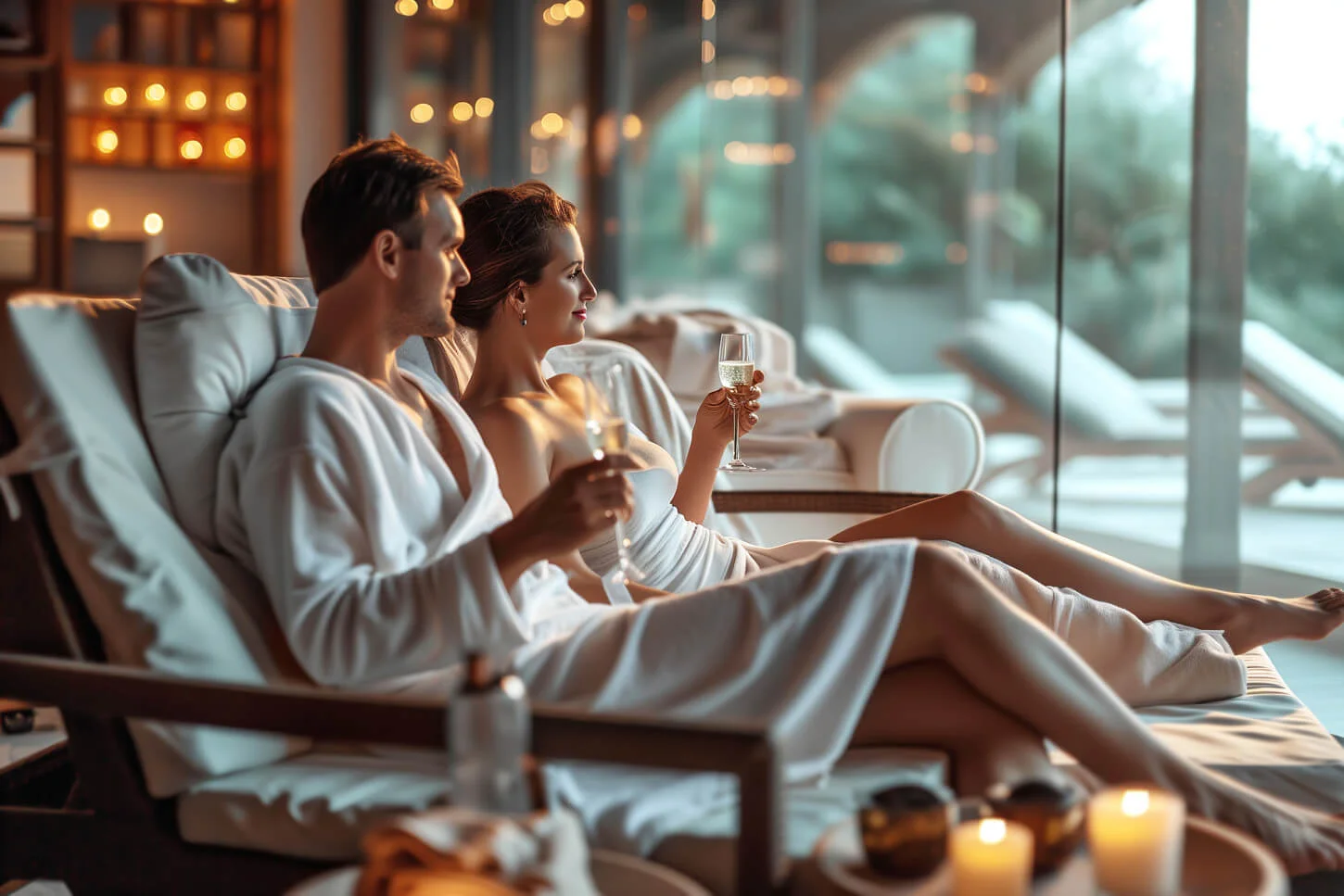
Visiting Champagne means immersing yourself in a region where cultural heritage blends harmoniously with nature. This ranges from tastings at renowned producers such as Dom Pérignon in Épernay to picnics in the lush vineyards, offering breathtaking views. A weekend in Champagne, France, also offers the chance to recharge your batteries in luxurious spas, whilst letting Michelin recommendations guide you towards an unforgettable gastronomic experience. So, for lovers of vineyards and history, or simply for those looking to get away for a weekend, Champagne is a top destination, combining luxury, culture and nature.
The history of Champagne
The Champagne wine region is steeped in a rich history, marked by innovations and traditions that have shaped the world of sparkling wine as we know it today.
Origins and Development
The creation of the Champagne wine-growing region is attributed to the abbeys of Saint-Pierre-aux-Monts in Châlons-en-Champagne and Saint-Pierre d’Hautvillers, which established a winemaking heritage as far back as the Middle Ages.
The invention of the ‘méthode champenoise’ by monks in the 17th century, notably by Dom Pierre Pérignon, revolutionised the production of sparkling wine. This method involved a second fermentation in the bottle, creating the characteristic bubbles of champagne.
In the 18th century, the use of cork stoppers and the invention of a more durable bottle made it possible to preserve the wine’s effervescence, contributing to its worldwide renown.
Protection and recognition
The phylloxera crisis of the late 19th century led to the restructuring of the region, with the formation of winegrowers’ associations and Champagne houses to overcome this challenge.
The Champagne appellation was officially recognised in 1935, establishing strict rules governing the region and the production method to protect the integrity and quality of Champagne.
In 2015, the Champagne wine-growing region was recognised as a UNESCO World Heritage Site, highlighting its historical and cultural significance.
These historical facts highlight not only the importance of the Champagne region in the history of wine, but also its ongoing commitment to excellence and sustainability.
Discovering the Champagne Houses
Épernay is often regarded as the ideal starting point for exploring the Avenue de Champagne, home to many renowned champagne brands. Guided tours of the Avenue de Champagne are available, offering an immersive experience at the heart of this famous avenue. For an authentic experience, visits to champagne cellars are a must to discover the traditional champagne-making process. Among the champagne houses not to be missed are Moët & Chandon, Veuve Clicquot and Mumm, where tours and tastings are organised.
Iconic Champagne houses to visit:
1Moët & Chandon: With its 28 km of cellars, this house offers an immersive tour into the brand’s history and tradition.
2Veuve Clicquot: Known for its yellow label, this house offers a tour that tells the story of Barbe Nicole Ponsardin, the first woman to head a Champagne house.
3Mumm: Famous for its Cordon Rouge, the tour includes an olfactory experience and a small museum showcasing the house’s history and expertise.
For those seeking a more intimate experience, tours of independent cellars such as Champagne Joseph Desruets and Champagne Julien Chopin offer a unique insight into champagne production, highlighting the winemakers’ artisanal expertise and passion. Whether you opt for a major Champagne house or an independent producer, a visit to Champagne offers a fascinating insight into the world of sparkling wine, combining history, culture and exquisite tasting.
Must-do activities in Champagne
Champagne offers a wealth of unmissable activities for visitors, ranging from wine tourism to getaways in the heart of the countryside:
Wine tourism and tastings:
1Champagne tasting workshops: To learn about the different types of champagne and refine your palate
2Visits to Champagne cellars: Epernay, known as the “Capital of Champagne”, offers fascinating cellar tours and a variety of tastings.
3Unique experiences at the producers’ estates:
- ‘Sabrage’ Champagne! at Maison de Champagne Pol Couronne to learn the art of sabrage.
- ‘Cycling with Maison Veuve Clicquot’ offers a tour of the vineyards by bike.
- ‘L’instant de grâce’ at Champagne Taittinger includes an introduction to the house, a tour of the cellars and an explanation of the champagne-making process
Nature et Découverte:
1 Hot-air balloon rides: For breathtaking views of the vineyards and the region
2Walks in the Montagne de Reims Regional Nature Park: Trails through forests and vineyards for nature lovers.
3Picnics in the vineyards: An idyllic way to enjoy the Champagne countryside.
Nature and Discovery:
1Reims and its UNESCO sites: Notre-Dame Cathedral and the Palais du Tau, testaments to France’s royal history.
2The Fête Johannique in Reims: Celebrations featuring parades, concerts and fireworks in honour of Joan of Arc.
2The Pressoria Museum in Épernay: To explore the history and production of champagne.
These activities offer visitors a rich and varied experience, combining culinary delights, visual wonders and cultural enrichment.
Nature and Landscapes of Champagne
Champagne, with its varied landscapes and natural attractions, invites you to explore and discover. Here is an overview of the natural treasures it has to offer:
Nature Reserves and Landscapes:
1Montagne de Reims: Designated a Regional Nature Park in 1976, it offers a mix of vineyards, forests, farmland, valleys and waterways, promising unforgettable walks and breathtaking views.
2The Marne Valley and the Surmelin Valley: These valleys are characterised by their picturesque landscapes combining water, forests and vineyards, as well as their authentic villages, offering a chance to immerse yourself in the heritage of Champagne.
2The Saint Gond Marshes: A unique landscape with a rich variety of flora and fauna, ideal for lovers of unspoilt nature.
Lakes and Forests:
1Lake Der: A popular spot for birdwatching – particularly of migrating common cranes – and for water sports. The surrounding area is known for its wooded countryside and ponds, enhancing the visitor experience.
1Verzy Forest: Home to over 800 ‘faux’ – unique, gnarled oaks – this forest in the Montagne de Reims is a must-see for nature lovers and photographers.
Champagne, situated in north-eastern France, is characterised by its five main valleys, each offering unique features that contribute to the region’s charm. Whether for wine tourism or exploring the natural landscapes, Champagne is sure to appeal to all travellers.
Gastronomy and Champagne
The art of pairing food with Champagne is a rich tradition that enhances the culinary experience in Champagne. Here are a few tips for choosing the ideal Champagne to accompany various dishes:
For Aperitifs and Light Starters:
- Champagnes made from white grapes, such as Chardonnay, offer the ideal freshness for aperitifs and light starters thanks to their high acidity and aromas of white flowers and citrus fruits.
- Recommended pairings: fresh seafood, sushi bars and lightly flavoured starters.
For Main Courses:
Blanc de Noirs and blended Champagnes, made from Pinot Noir and/or Pinot Meunier, pair well with richer, more structured dishes.
Suggested pairings: foie gras, grilled seafood, shellfish in sauce, white or red meat, game, and mushroom dishes.
Cheeses and Desserts:
Cheeses: Champagnes pair wonderfully with many cheeses, particularly cooked cheese dishes and soft cheeses.
Desserts: The challenge of pairing with desserts can be met by rosé Champagnes, which go well with fruit-based desserts.
By ensuring the ideal serving temperature (10–11°C for aperitifs and 12–13°C for main courses) and choosing the right glass (preferably a tulip-shaped glass), these pairings allow both the dish and the Champagne to shine.
Where to stay in Champagne?
For those planning a trip to Champagne, choosing the right accommodation is essential for a complete and memorable experience. Here is a varied selection of options to suit all tastes and budgets:
Luxury Hotels and Châteaux:
1Le Clos, Champagne: A 4-star hotel in a unique setting amongst the vineyards, with 12 rooms and a gourmet restaurant. From €160 per night.
2Château de Sacy, Champagne: A luxury hotel set in a historic château, offering 12 suites, a gourmet restaurant, a swimming pool and a spa. From €250 per night.
3Le Royal Champagne: A luxury hotel in Champillon with views over the vineyards of famous houses such as Moët & Chandon, featuring 47 rooms and suites.
Guesthouses and B&Bs:
- Domaine Sacret, Champagne: A guesthouse in a charming village, with 5 spacious rooms with en-suite bathrooms and a large garden. From €90 per night.
- La Maison de Rhodes, Champagne: A B&B in a renovated 17th-century house, offering 5 rooms with unique décor and a garden. From €120 per night.
- Chambres d’hôtes du Champagne Voirin Jumel: A family-run guesthouse in Cramant, offering an authentic Champagne experience.
These accommodation options, ranging from luxurious hotels and châteaux to intimate guesthouses and B&Bs, provide an ideal base from which to explore the riches of the Champagne region, whether for wine tourism, discovering the natural landscapes or enjoying the local cuisine.
Practical tips for visiting Champagne
To ensure a memorable visit to Champagne, here are a few practical tips to bear in mind:
Planning your visit:
1Choosing the right time of year: Visiting Champagne during October and November, after the grape harvest, is ideal for a more authentic experience.
2Booking tastings: It is necessary to book tastings in advance, even at the major houses.
3Getting there: As the region is easily accessible by train from Paris in under two hours, opt for the TGV Est to reach Reims in just 45 minutes.
Things to See and Do:
- Must-see attractions: Be sure to visit Reims to see its Gothic cathedral, the Palais du Tau and the Basilica of Saint-Remi, all of which are UNESCO World Heritage Sites.
- Exploring the Champagne Houses: Iconic houses such as Veuve Clicquot and Champagne Taittinger offer tours of their chalk cellars and modern facilities, promising a deep dive into the world of champagne.
Further tips:
- Local transport: As public transport options are limited and taxi fares can be high, consider booking a tour that includes transport for a hassle-free exploration of the region.
- Variety of experiences: For a deeper understanding of the region, it is recommended that you visit at least two different types of champagne cellars and consider being accompanied by a local guide.
FAQ
How can you explore the Champagne region?
To explore Champagne, follow the Champagne Tourist Route, a clearly signposted itinerary that will take you through the vineyards and picturesque hillsides, dotted with traditional villages, castles and churches.
Which are the most prestigious champagne cellars to visit?
Maison Ruinart offers an unforgettable tour where you’ll discover the secrets of champagne-making, the different vintages and its historic cellars filled with bottles of champagne. Unique in its kind, Maison Ruinart’s cellar has been listed as a Historic Site since 1931.
When is the best time to explore the Champagne Route?
When is the best time to explore the Champagne Route?
Which champagne houses would you recommend visiting in Reims?
In Reims, for a comprehensive tasting and discovery experience, consider visiting the Pommery cellars. It is also advisable to plan a visit to the Taittinger cellars or the Veuve Clicquot cellars to enhance your experience.
