Get a €40 discount on purchases of €600 or more, and a €100 discount on purchases of €1,200 or more of champagne on participating items (excluding shipping costs)
Gaston Révolte champagne logo

Gaston Révolte Champagne, Premier Cru from Avenay-Val-d'Or since 1963


Founded in 1963 by Gaston Révolte, this family estate has produced its wines on the same land and aged them in the same cellars for three generations, in Avenay-Val-d’Or, on the slopes of the Montagne de Reims. Its 7-hectare vineyard, exclusively Premier Cru, is planted with 90% pinot noir and 10% chardonnay, on chalky south- and southeast-facing subsoils. The vines are worked with a plough, with the help of draught horses. In the cellar, everything passes through enamel-coated steel tanks and undergoes long ageing on lees, from 24 months to over 150 months. The house produces table champagnes, served in starred restaurants, as well as Le Don de la Mer, its cuvée aged in the ocean.

Buy Gaston Révolte champagnes online


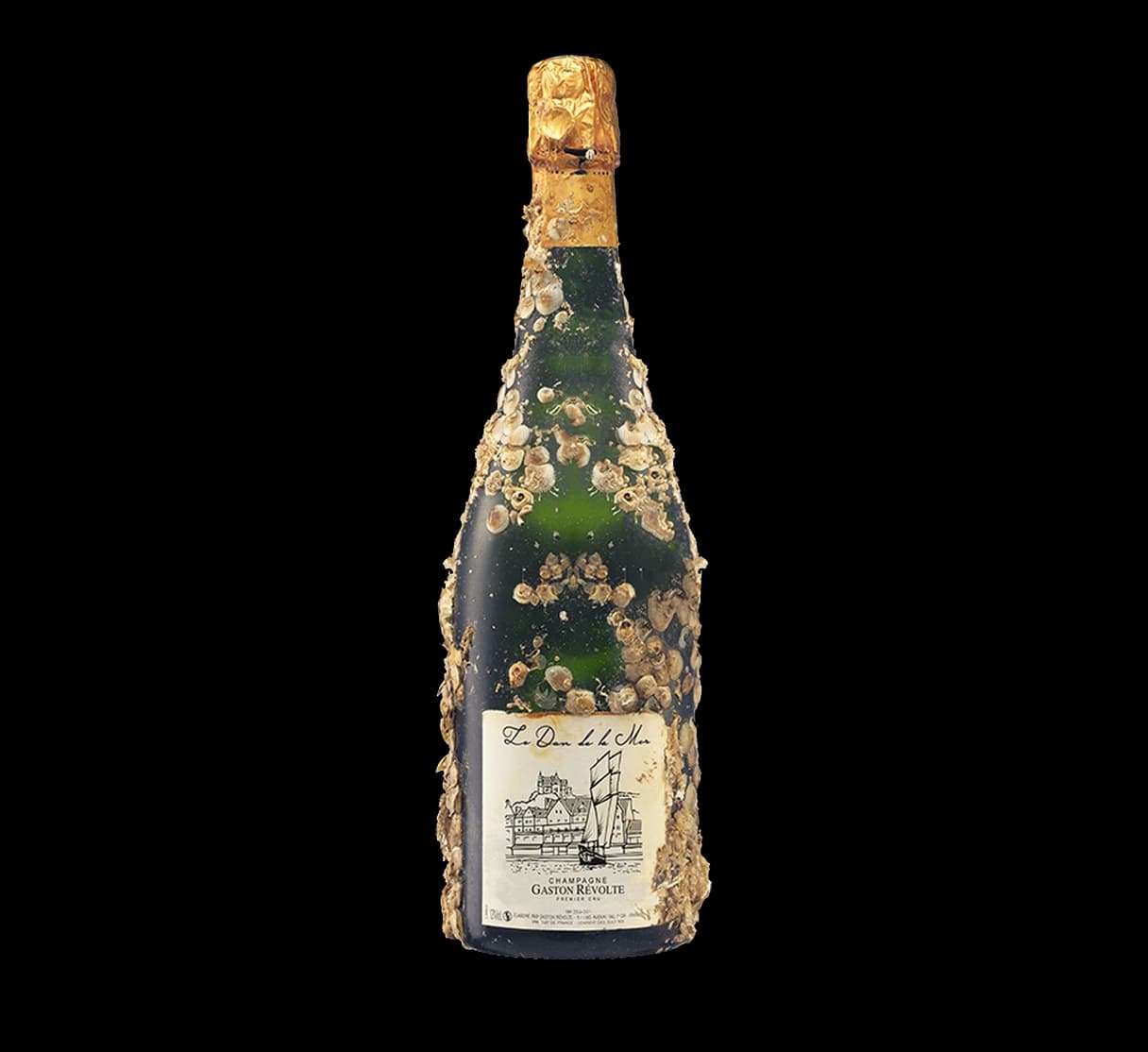
Le Don de la Mer, a bottle of Gaston Révolte champagne covered in shells and corals

From Brut Tradition to Le Don de la Mer, the house's cuvées


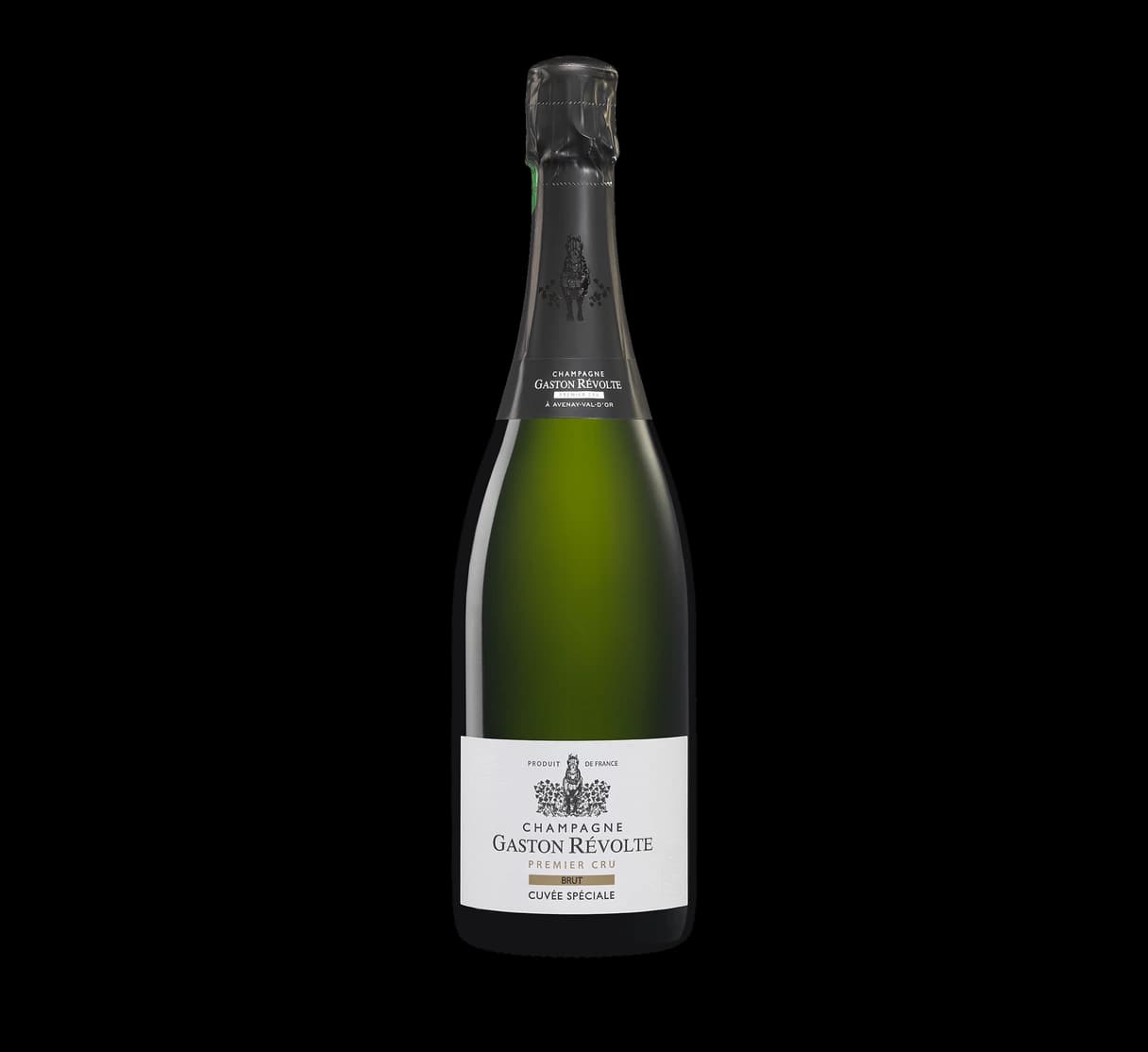
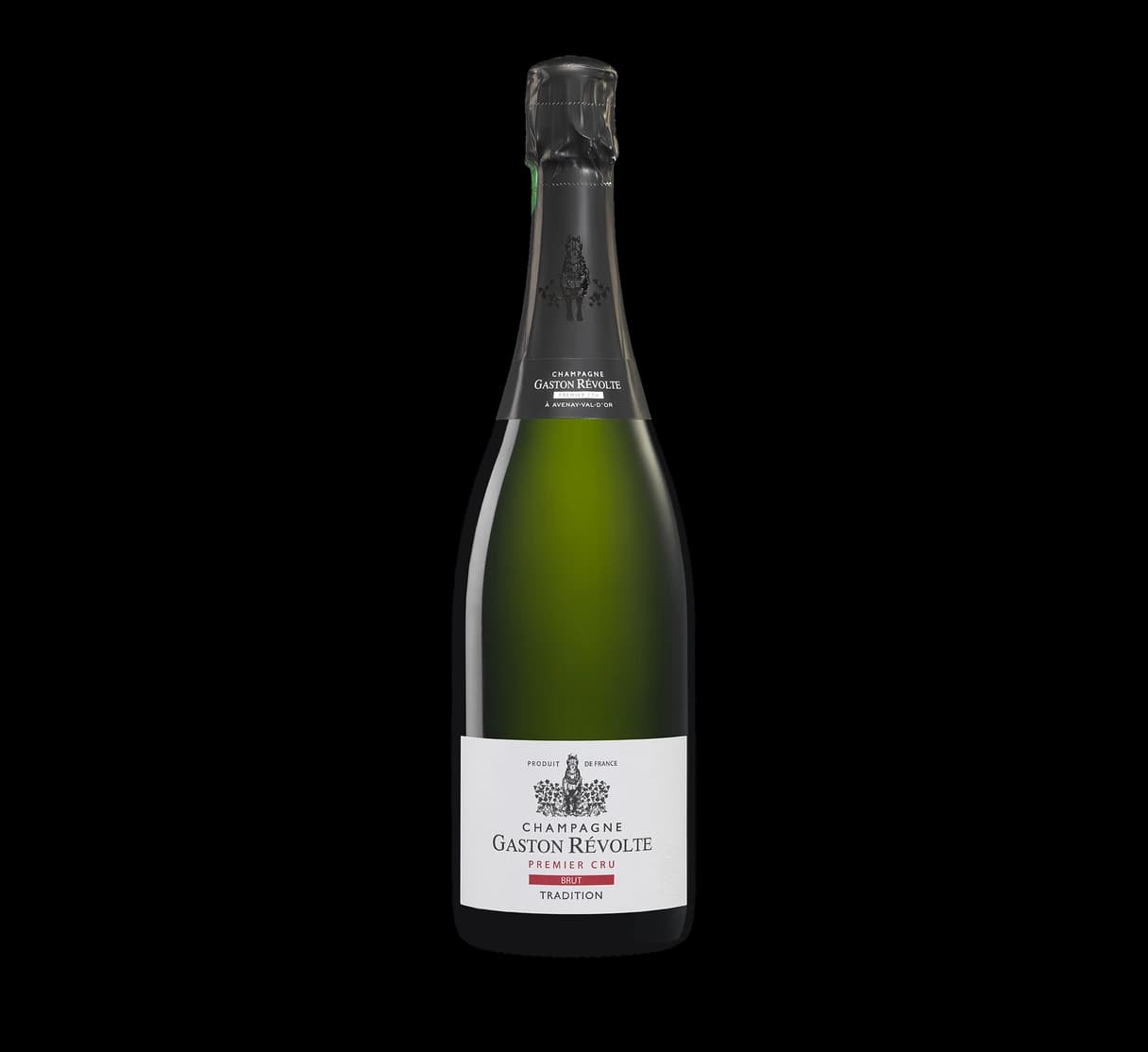
The Brut Tradition, half chardonnay, half pinot noir, plays on finesse and freshness: dried fruit, biscuit, peach and a hint of lemon. It is perfect as an aperitif and with oysters. The Cuvée Spéciale, 80% pinot noir, is richer, with notes of gingerbread and honey, and pairs well with white truffle risotto or scallops au gratin.

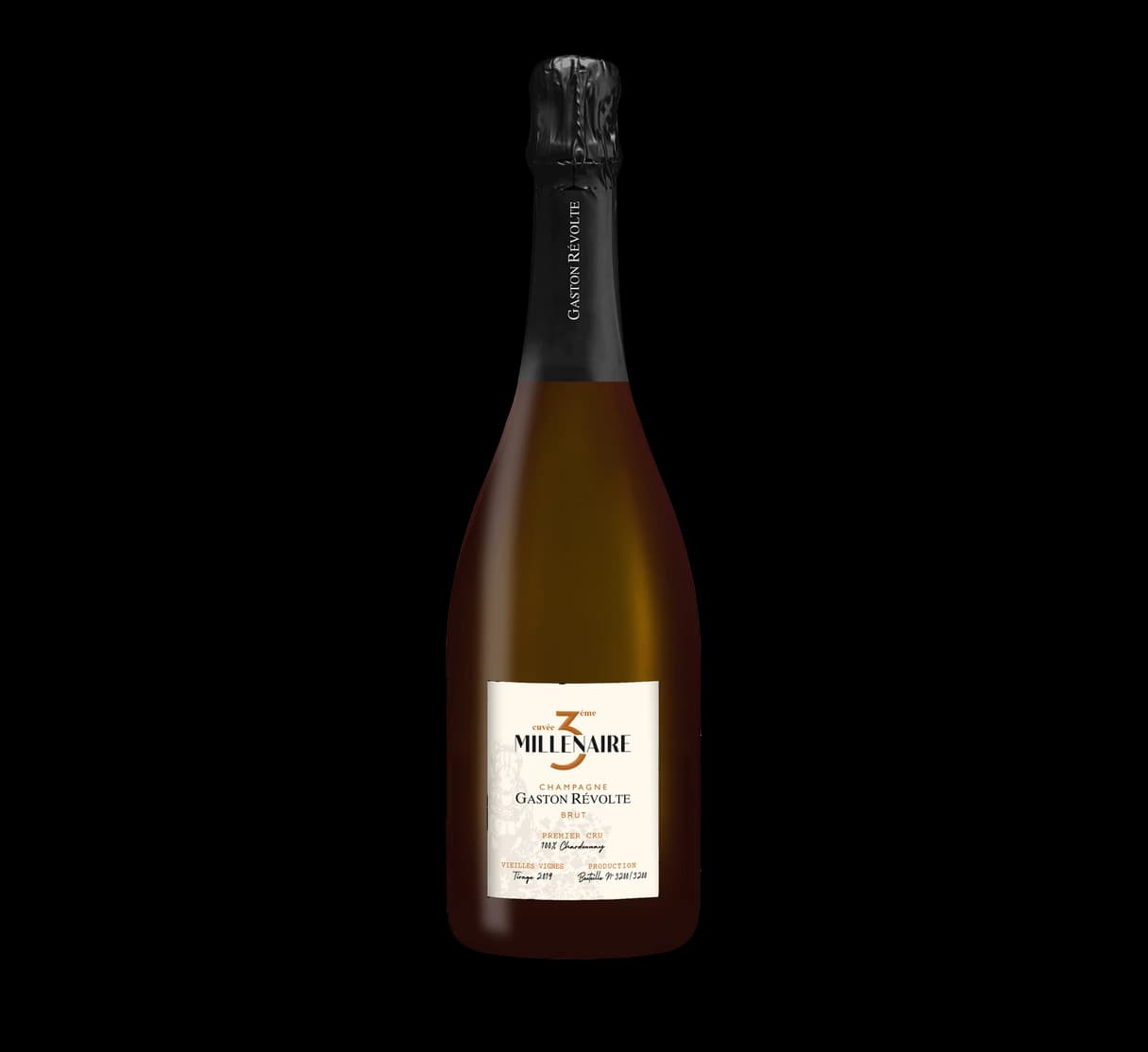
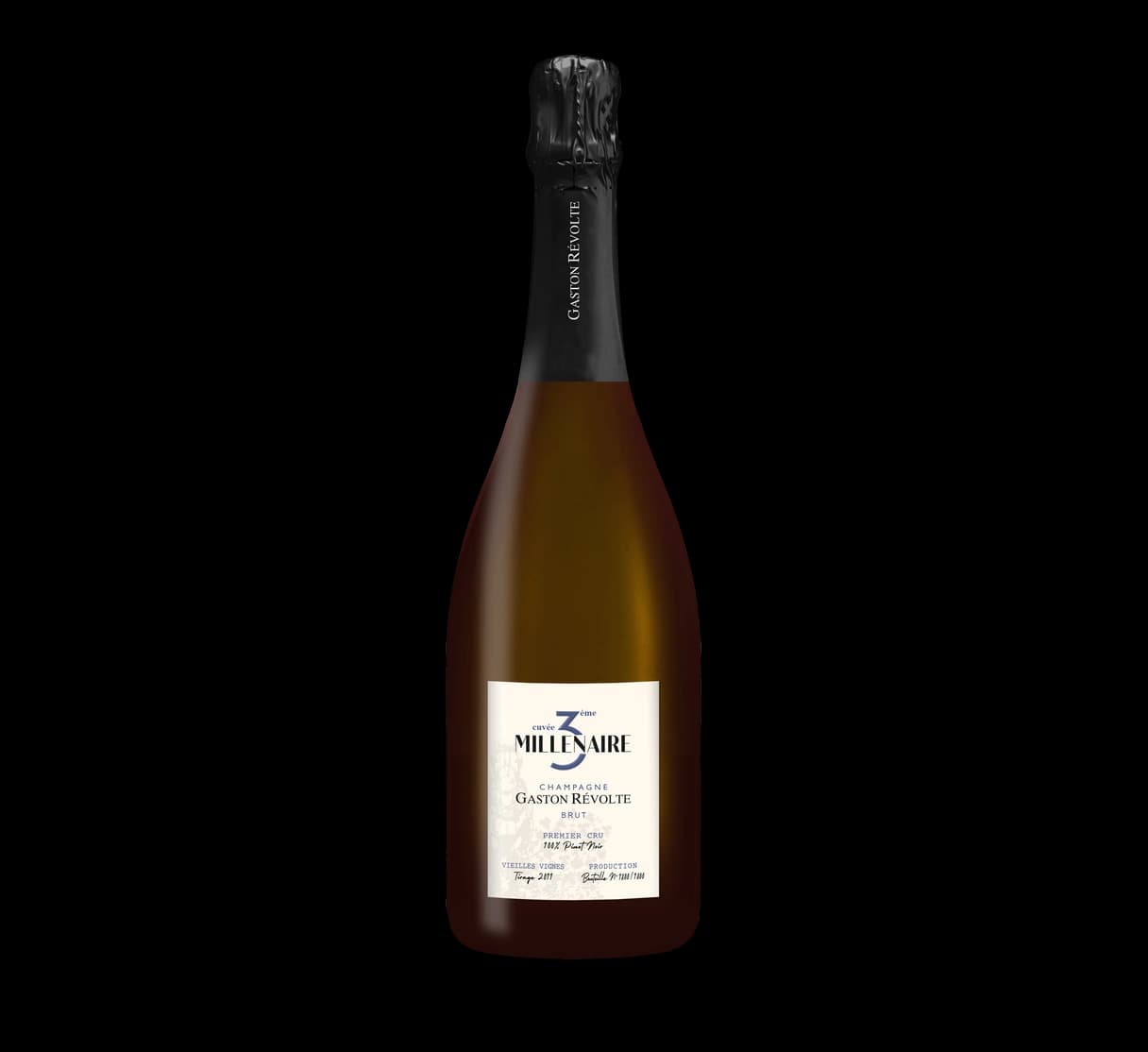
The two IIIème Millénaire wines isolate each grape variety, from vines around 45 years old. The Chardonnay, bottled in 2019, blends white flowers, citrus and brioche; the Pinot Noir, bottled in 2011 and aged 100 to 140 months on lees, moves towards candied figs, honey and cocoa. Their bottles are numbered.

Le Don de la Mer stands apart: 36 months in the cellar, then 12 to 18 months in the Atlantic Ocean, off Cancale. Each bottle emerges covered in shells and corals, and the wine gains subtle iodine notes. It is best reserved for scallops and Breton lobster.

Three generations in Avenay-Val-d'Or, from the plough to the cellar


The house was founded in 1963, in Avenay-Val-d'Or, around Gaston Révolte. Three generations later, it still works the same land and ages its wines in the same cellars. Out of respect for the terroir, the vines are still ploughed, with the help of draught horses: the horse even appears on the house's labels. The village lies at the crossroads of the Montagne de Reims and the Vallée de la Marne, and its chalky subsoil, facing south and south-east, is home to the house's two grape varieties.

The grapes are hand-harvested and vinified slope by slope, in enamelled steel vats. This is followed by a long ageing period on lees, which the house considers essential: never less than 24 months, and more than 150 months for certain bottles. These champagnes are sold across much of Europe, as well as in Korea, Japan, Taiwan and India.
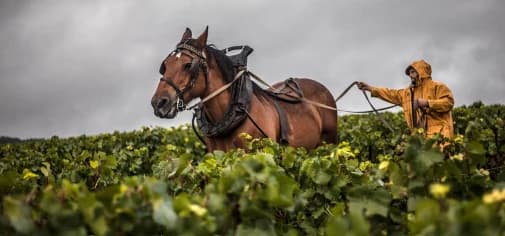
A draught horse ploughs the vines of the Gaston Révolte estate, in Avenay-Val-d'Or

Your questions about Gaston Révolte champagne


Where is the Gaston Révolte estate located?
The estate is located at 20 rue Gambetta, in Avenay-Val-d'Or (Marne), a village classified Premier Cru on the slopes of the Montagne de Reims. Its entire production is Premier Cru.
What is Le Don de la Mer?
It is the house's most iconic cuvée. The wine spends 36 months on lees in the estate's 14th-century cellar, then the bottles remain 12 to 18 months in the Atlantic Ocean, off Cancale. They emerge covered in shells and corals: each one is a unique piece.
What is the difference between the two IIIème Millénaire?
The Chardonnay is an elegant Blanc de Blancs, bottled in 2019 and aged 50 months on lees. The Pinot Noir is a more powerful Blanc de Noirs, bottled in 2011 and aged 100 to 140 months on lees. Both come from vines around 45 years old, in numbered bottles.
What grape varieties does Gaston Révolte use?
The 7-hectare vineyard is made up of 90% pinot noir and 10% chardonnay. The Brut Tradition blends them in equal parts, the Cuvée Spéciale and Le Don de la Mer at 80% pinot noir and 20% chardonnay; the IIIème Millénaire wines use only a single grape variety.
What food and wine pairings go with these champagnes?
The Brut Tradition is lovely as an aperitif, with oysters and razor clams in persillade. The Cuvée Spéciale pairs with white truffle risotto and scallops au gratin. The IIIème Millénaire Chardonnay goes with turbot in beurre blanc or sashimi, the Pinot Noir with duck à l'orange or aged Comté, Le Don de la Mer with Breton lobster.
What is the price of Gaston Révolte champagne and where can I buy it?
The price including VAT for each cuvée is shown on this page and on its product page. You will find them at Pépites en Champagne, with careful delivery across France and Europe.

About

Champagne Gaston Révolte — the essentials

Founded in
1963
Founder
Gaston Révolte
House / owner
The Révolte family, three generations
Location
Avenay-Val-d'Or, Premier Cru
Grape varieties
Pinot Noir, Chardonnay
Cuvées
Brut Tradition, Brut Cuvée Spéciale, IIIème Millénaire Chardonnay, IIIème Millénaire Pinot Noir, Le Don de la Mer