

The Effect of the Seasons on the Cultivation of Champagne Grapes
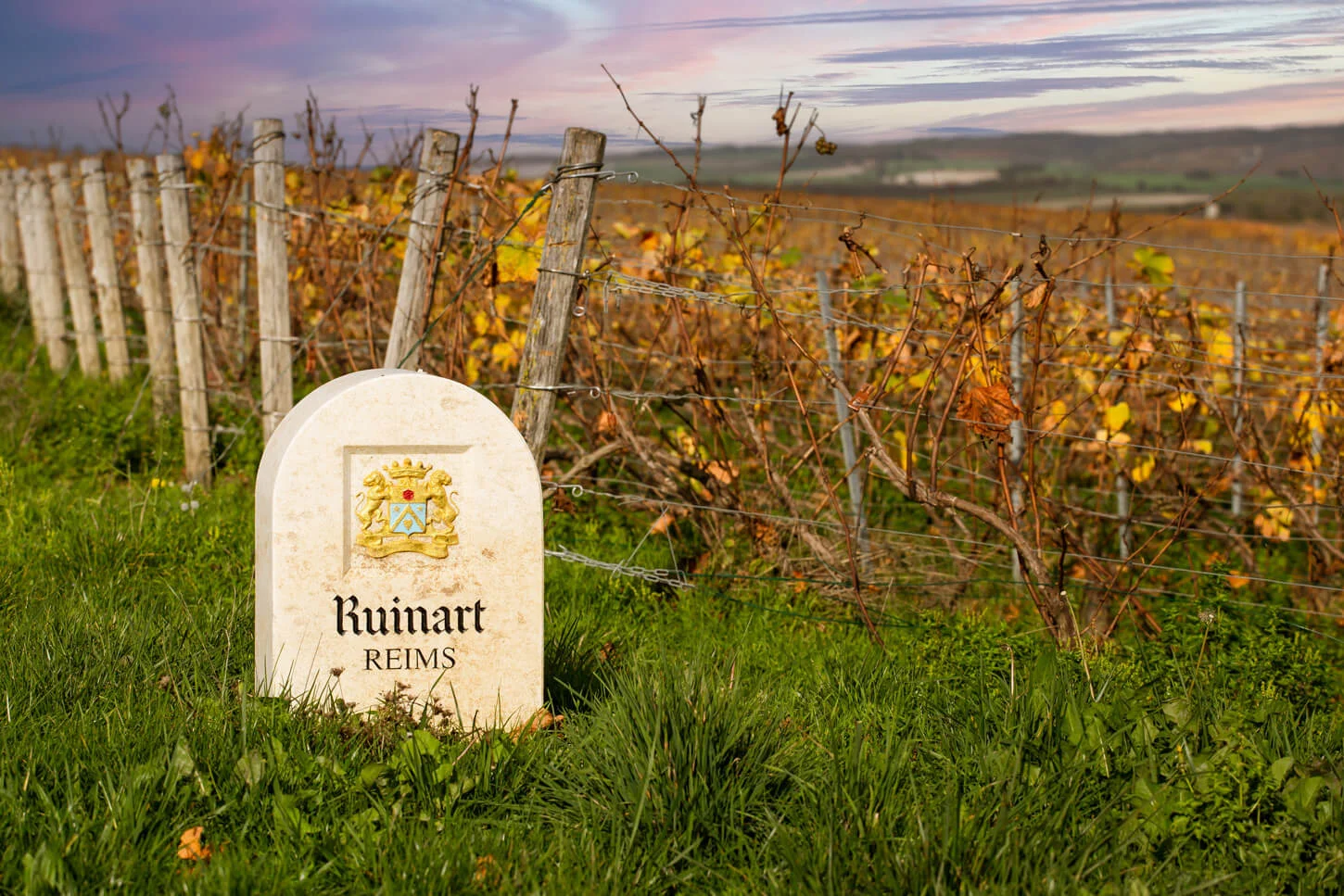
The vineyards of Champagne, situated in a region blessed with a unique climate influenced by both oceanic and continental factors, offer ideal conditions for growing Champagne grapes, particularly varieties such as Pinot Noir, Chardonnay and Meunier. The climate, which provides both abundant sunshine and moderate rainfall,
plays a crucial role in balancing the acidity and sugar levels of the grapes, which is essential for producinghigh-quality sparkling wine.
Faced with the challenges posed by climate change, which is leading to warmer and drier conditions, Champagne’s vineyards are adapting their viticultural techniques to continue
produce champagne in accordance with the appellation’s strict criteria,
Spring in Champagne
In spring, the vineyards of Champagne come to life, marking a time of renewal and hope. From March and April onwards, the buds burst open, heralding the start of the vine’s annual cycle. This period is crucial for winegrowers and oenologists, who embark on planning and maintenance projects, such as:
- Preparing the soil and vines: Pruning can resume as early as mid-January to prepare for the coming growing season. Although the soil is largely inert and sometimes littered with historical debris, it requires maintenance to control vegetation beneath the vines and prevent competition for water, which is essential for fruit production.
- Frost risk management: Late-season frosts pose a serious threat to tender plants. Active measures to combat frost include the use of wind machines, fans, smoke pots and sprinklers to alter temperatures in the vineyard. Site selection and delayed winter pruning are essential passive strategies.
- Pollination and flowering: Vines are self-fertile, pollinating without the aid of bees or the wind. Vine flowers generally appear in late spring, around 40 to 80 days after budbreak. Each flower holds the potential for a single grape, safeguarding the plant’s evolutionary insurance policy: its seeds.
These stages largely determine the quality and quantity of the Champagne grape harvest, highlighting the importance of careful and expert management in the spring.
Summer in Champagne
During the summer, from May to August, vineyard workers focus on pruning and training the vines, thereby ensuring optimal growth conditions. This period benefits from generous sunshine and an almost ideal water supply for the grapes, thanks to moderate and regular rainfall throughout the year. The combined influence of oceanic and continental conditions on Champagne’s climate results in moderate temperatures and consistent rainfall – key factors in maintaining a balance between acidity and sugar levels in the grapes, which are influenced by sunshine and rainfall.
Sun exposure and water management:
- The vines are planted on slopes to maximise sun exposure, which is essential for the grapes to retain their natural acidity.
- The summer is crucial for the growth of Champagne grapes, influencing the ripeness and acidity of the fruit.
Impact of climatic variations:
- A warmer summer can lead to early ripening of the grapes, potentially affecting acidity levels.
- Conversely, a cooler summer encourages slower ripening, helping to maintain high acidity.
- The 2003 heatwave in Europe had a significant impact on the growth of Champagne grapes, reducing yields and altering the characteristics of the grapes.
These factors highlight the importance of careful vineyard management during the summer to ensure the quality and distinctive character of Champagne grapes, which are essential for producing a high-quality sparkling wine.
Autumn in Champagne
Autumn in Champagne is characterised by a period of hustle and bustle, when every moment counts for winegrowers and oenologists. The grape harvest, or ‘vendange’, which takes place from late August to early October, is the key moment of the year. Champagne producers pay close attention to several factors:
Harvest and Climate:
The ripeness of the grapes is closely monitored, as in warmer regions such as Barossa, Australia, the desired sugar levels can be reached weeks, or even a month, earlier than in cooler regions. Excessive rainfall just before picking can lead to problems with berry splitting, mould and dilution. Prolonged storms and hurricanes around the harvest period also threaten crops in East Coast regions.
Visitor Experience:
The best time to visit the Champagne region in France is in the autumn, particularly from late September to November. Visitors can sometimes take part in the harvest, and after the harvest, numerous festive events celebrate the year’s yield.
Technological Innovations:
Moët & Chandon, a renowned champagne house, has partnered with Hiphen, a provider of agricultural imaging solutions, to revolutionise the assessment of grape quality
during the harvest. Imaging data collected by Hiphen’s PhenoStations ensures consistent grape batches before the winemaking process begins, monitoring grape crates 24/7
the crates of grapes throughout the harvest period to identify and track potential issues such as diseases, fungi and problems with ripeness.
Winter in Champagne
Winter in Champagne is a period of rest for the vines, but a busy season for winegrowers, who devote themselves to essential tasks to prepare for the next cycle. During this dormant period, in January and February, vineyard workers meticulously prune away excess canes, a crucial practice to ensure optimal sap flow to the buds and to give the vine its ideal shape. This pruning respects the winter dormancy of the vine, scientifically known as ‘Vitis vinifera’, which during this season stores carbohydrates in its trunk, roots and branches, thereby preparing itself to withstand the low winter temperatures.
- Pruning: Preparing the vines for the coming season through rigorous pruning.
- Protection against the Cold: The vine is resistant to low temperatures and benefits from snow as protection against pests.
- Treatment: Application of products to treat diseases and fungi.
Whilst the vines lie dormant, the Champagne region remains vibrant, particularly thanks to the Christmas and New Year festivities, such as the Reims Christmas market and the ‘Bulles Enchantées’ in Troyes. These events contribute to the region’s liveliness, even in winter. Furthermore, with champagne sales booming – reaching 325.5 million bottles in 2022 – the industry is also adapting to the challenges posed by climate change. Vineyard management strategies, such as adjusting planting density and the orientation of the vineyards, are being implemented to mitigate the effects of climate change on the growth of champagne grapes.
Conclusion
Throughout the seasons, from spring budbreak to the autumn harvest, every stage of the annual cycle of the Champagne vineyard is crucial, shaping the unique characteristics of the grapes destined for champagne production. Meticulous vineyard management, tailored to the varied challenges posed by the climate, alongside technological innovations, is fundamental to maintaining the high quality of this world-renowned wine. Champagne, with its distinctive climate and refined viticultural techniques, continues to overcome climatic challenges to produce a champagne that meets the appellation’s strict standards.
The implications of these practices extend far beyond the region itself, offering insights into adaptation to climate change in the global wine industry and highlighting the importance of preserving sustainable agricultural practices. By highlighting the interconnection between climate, viticulture and champagne production, this article encourages reflection on the future of viticulture and its ability to adapt to environmental changes. The continuation of these efforts is essential not only for the Champagne region but also for the wine sector as a whole, thereby underscoring the need for further research and innovation in this vital field.
FAQ
When do grape bunches start to form?
The first bunches of grapes begin to form between late May and early June. This period follows immediately after the leaves appear on the vines and marks the start of flowering, during which the clusters of flowers develop.
Why are vines in Champagne grown lower to the ground than in other regions?
In Champagne, the vines are kept at a relatively low height because their roots extend deep into the soil. This practice allows the roots to protect themselves and access essential nutrient reserves, a strategy that differs from that seen in other French vineyards, such as those in the Rhône Valley or Provence.
What specific tasks are carried out in Champagne’s vineyards in July?
During July, Champagne winegrowers focus on leaf removal, which is one of the final stages before the start of the grape harvest. This operation involves carefully removing certain leaves situated close to the bunches of grapes, and only on the eastern side of the vine, which faces the rising sun.
When does the grape harvest take place in Champagne?
The grape harvest in Champagne generally takes place between 5 and 15 September. Every year, the wine-growing community eagerly awaits the official announcement of the harvest dates. For 2023, these dates were announced on Saturday 2 September.
