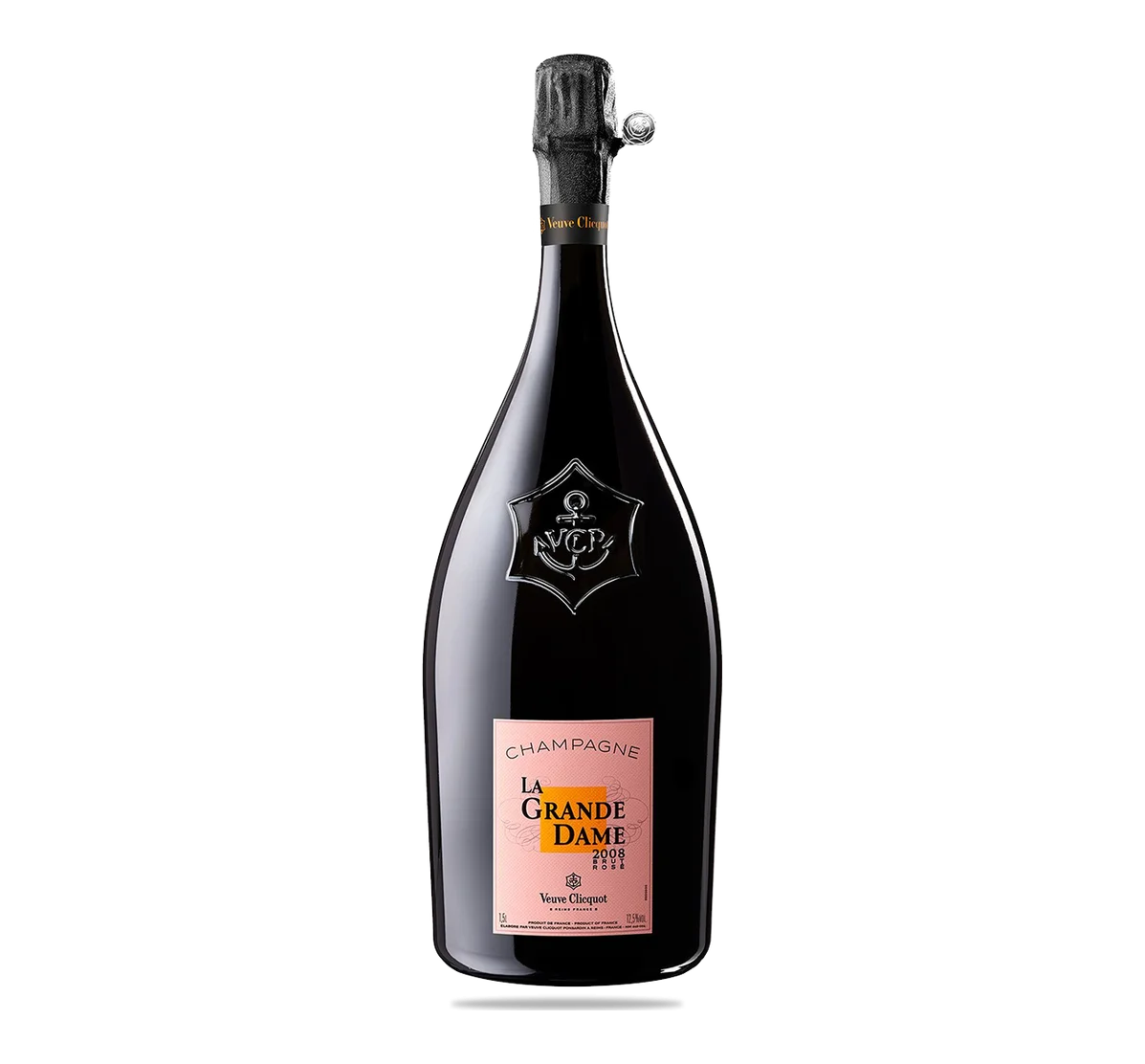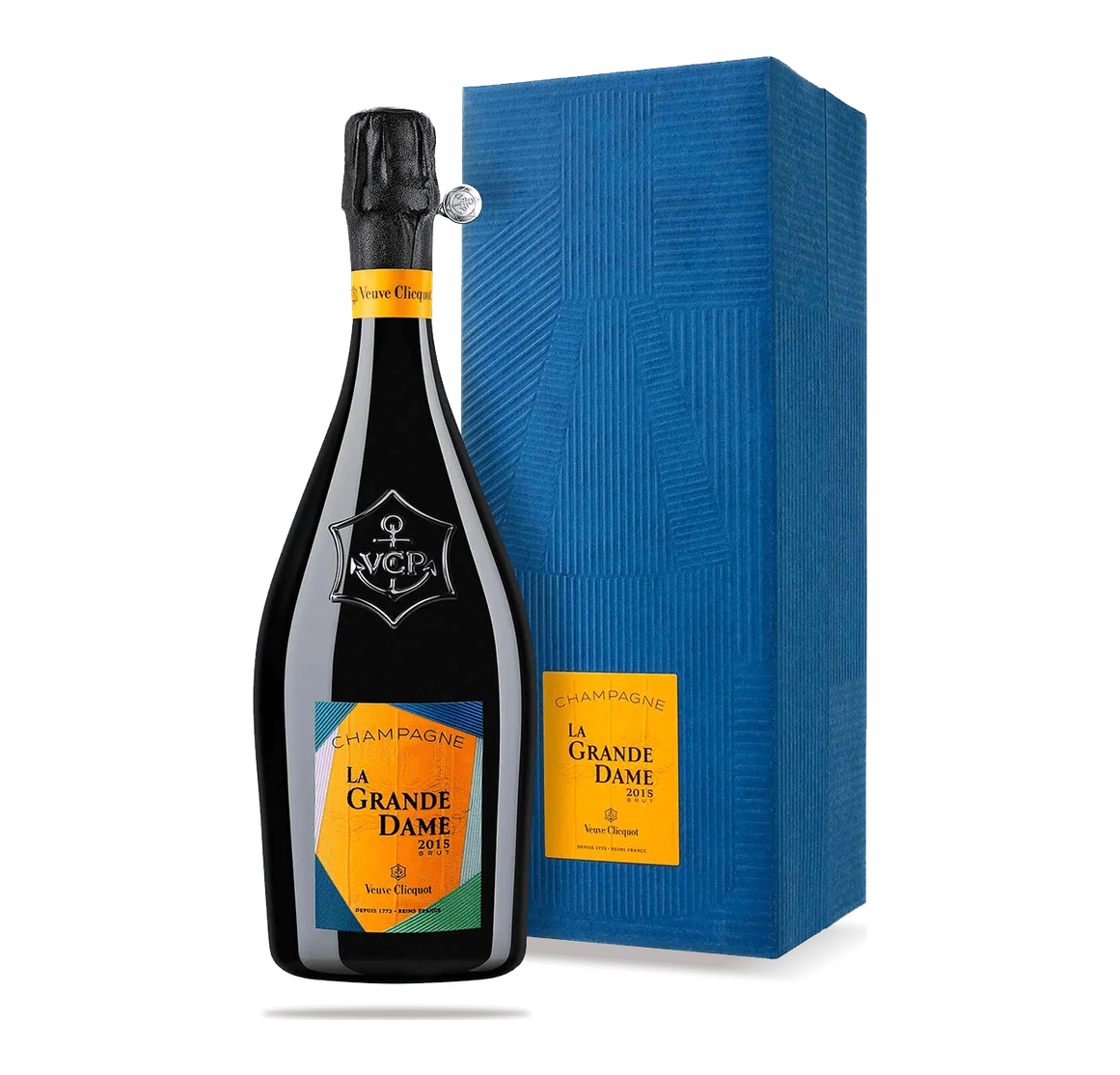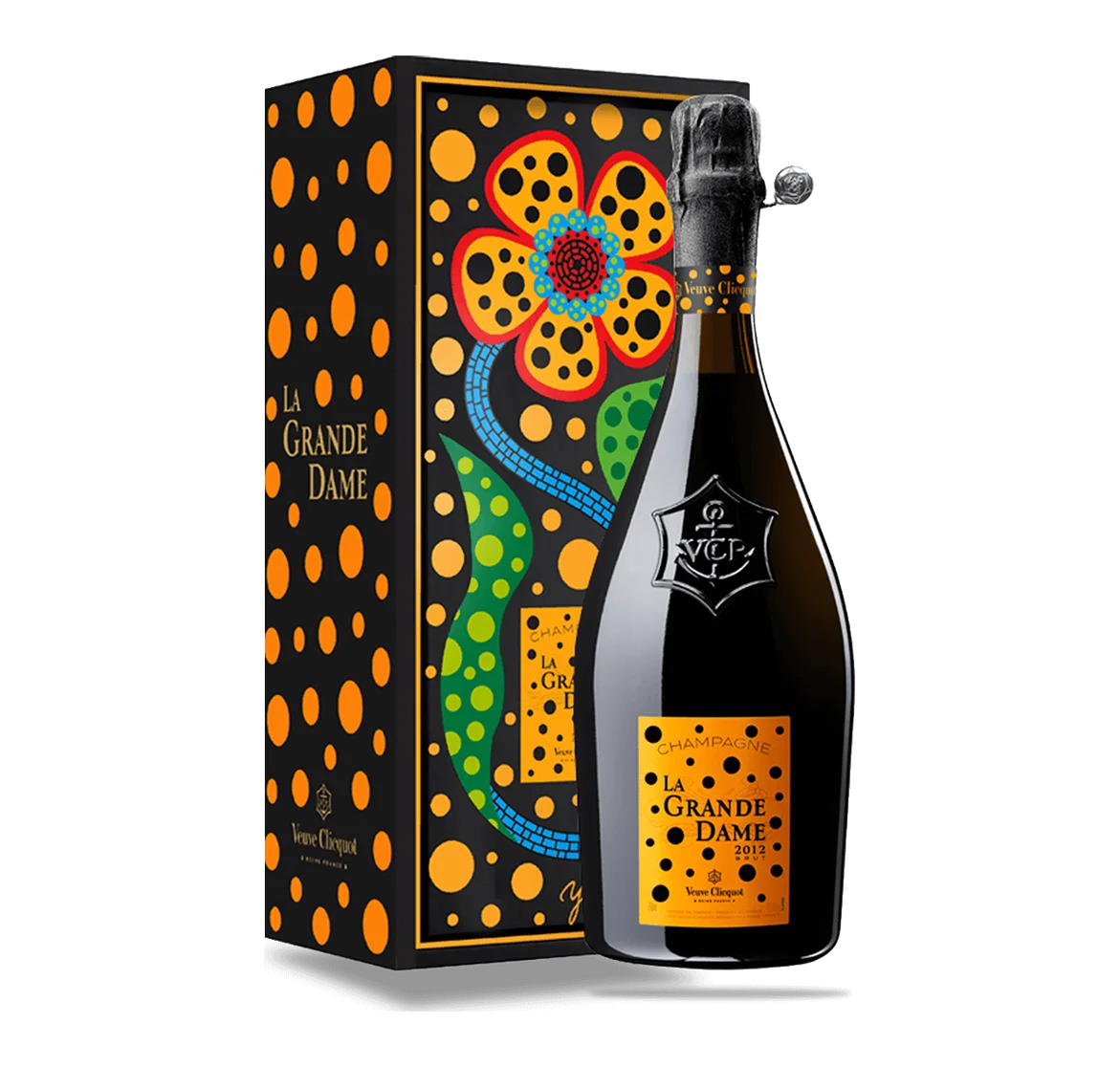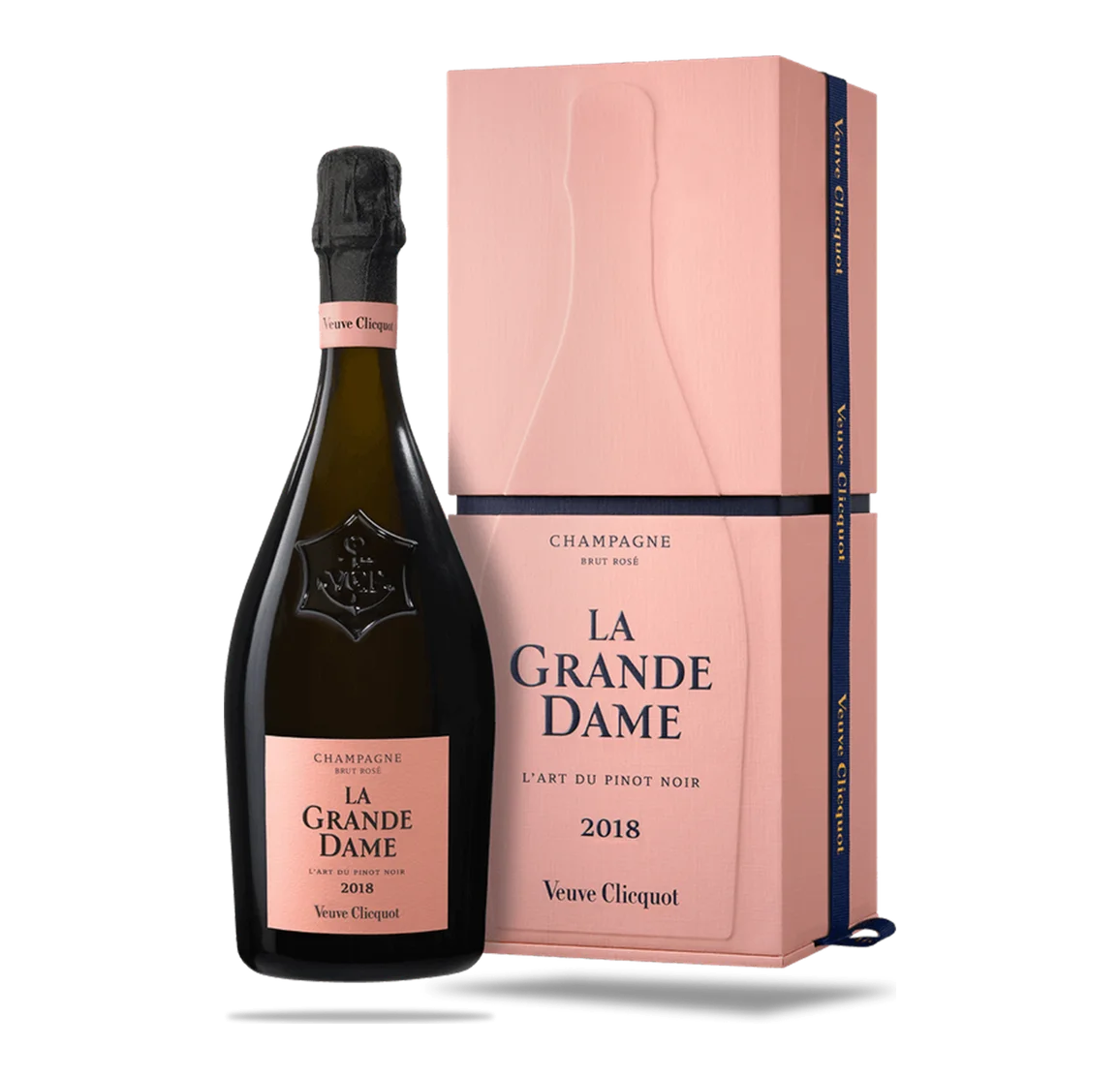

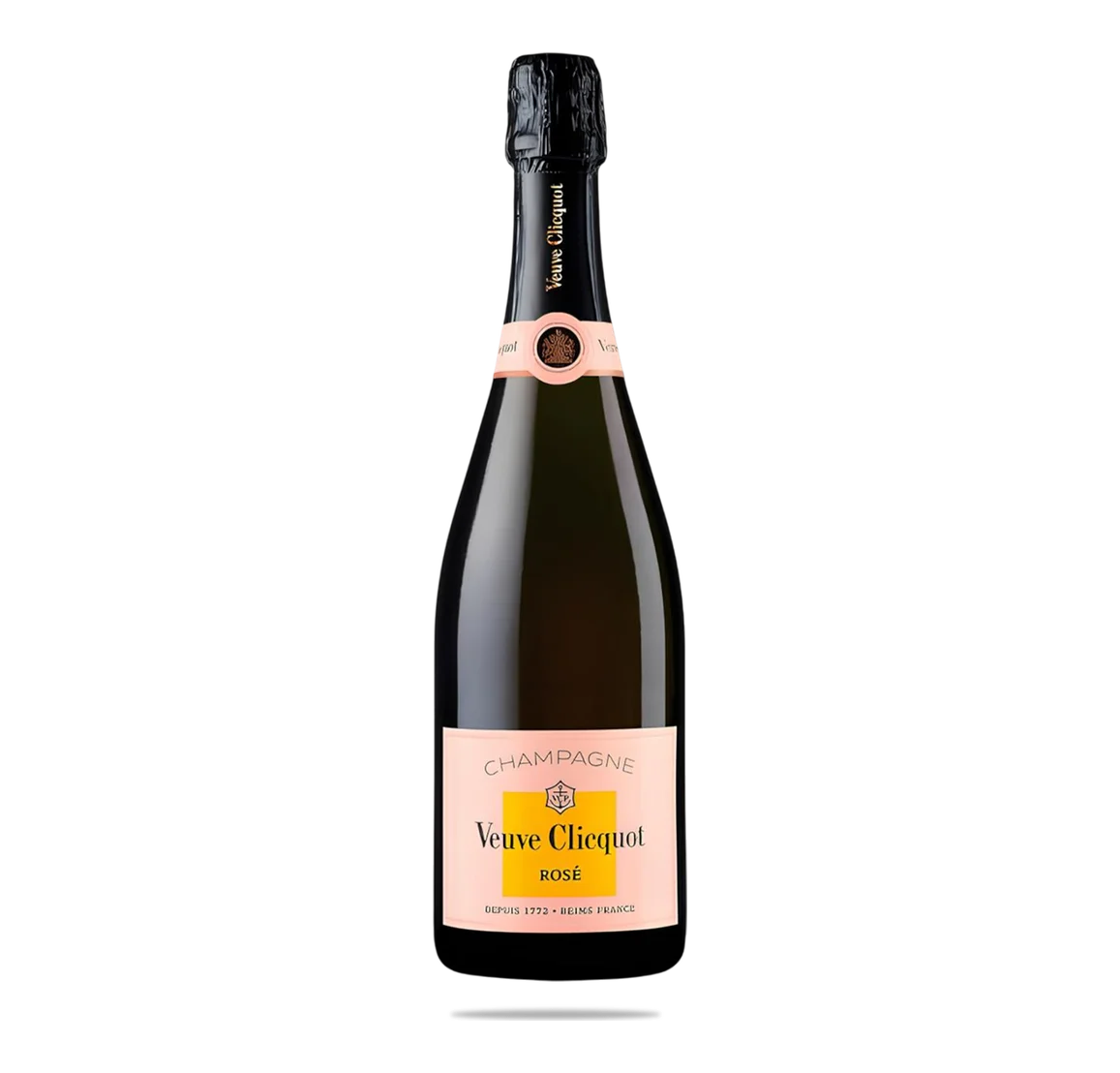
Veuve Clicquot Rosé
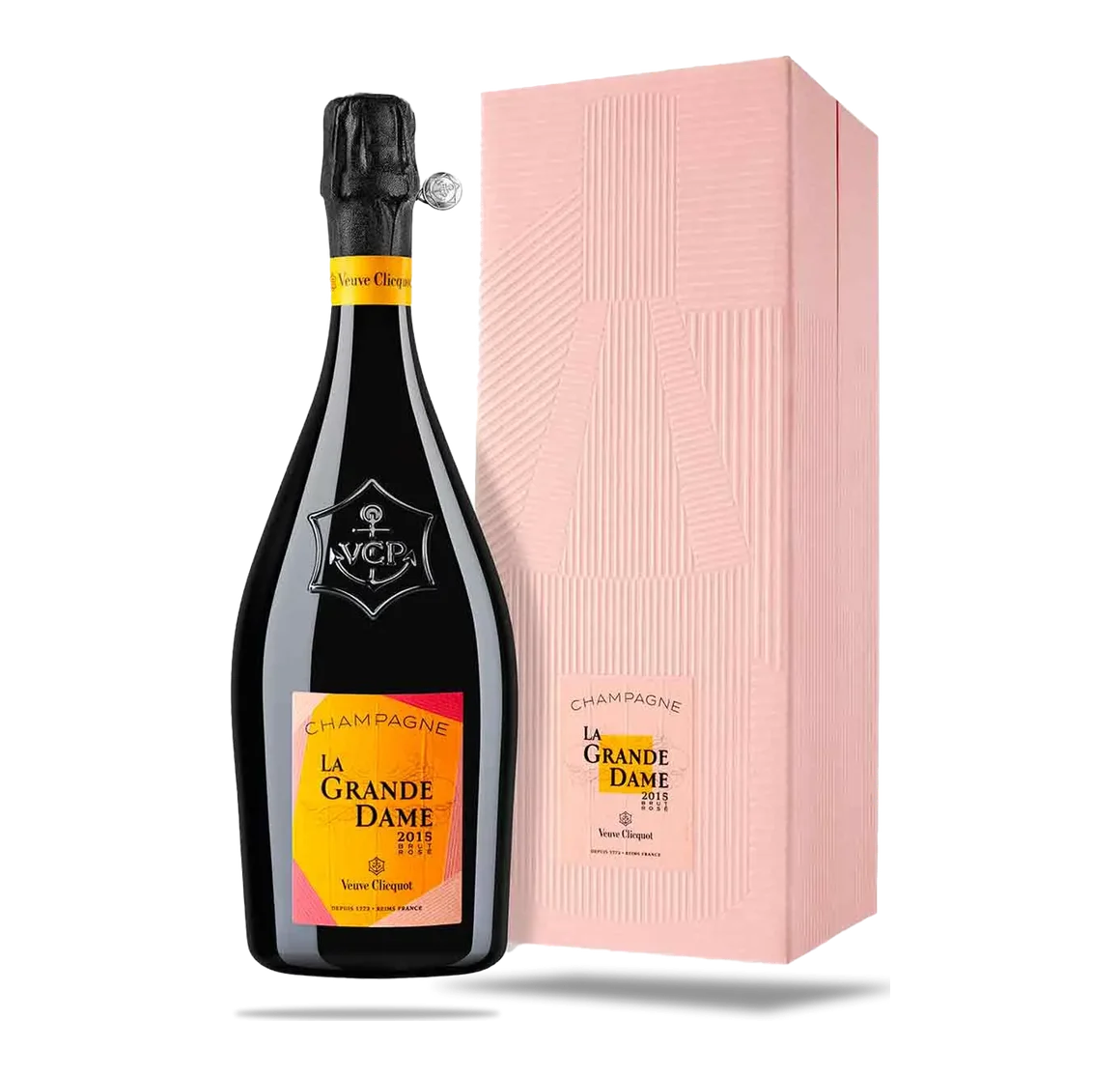
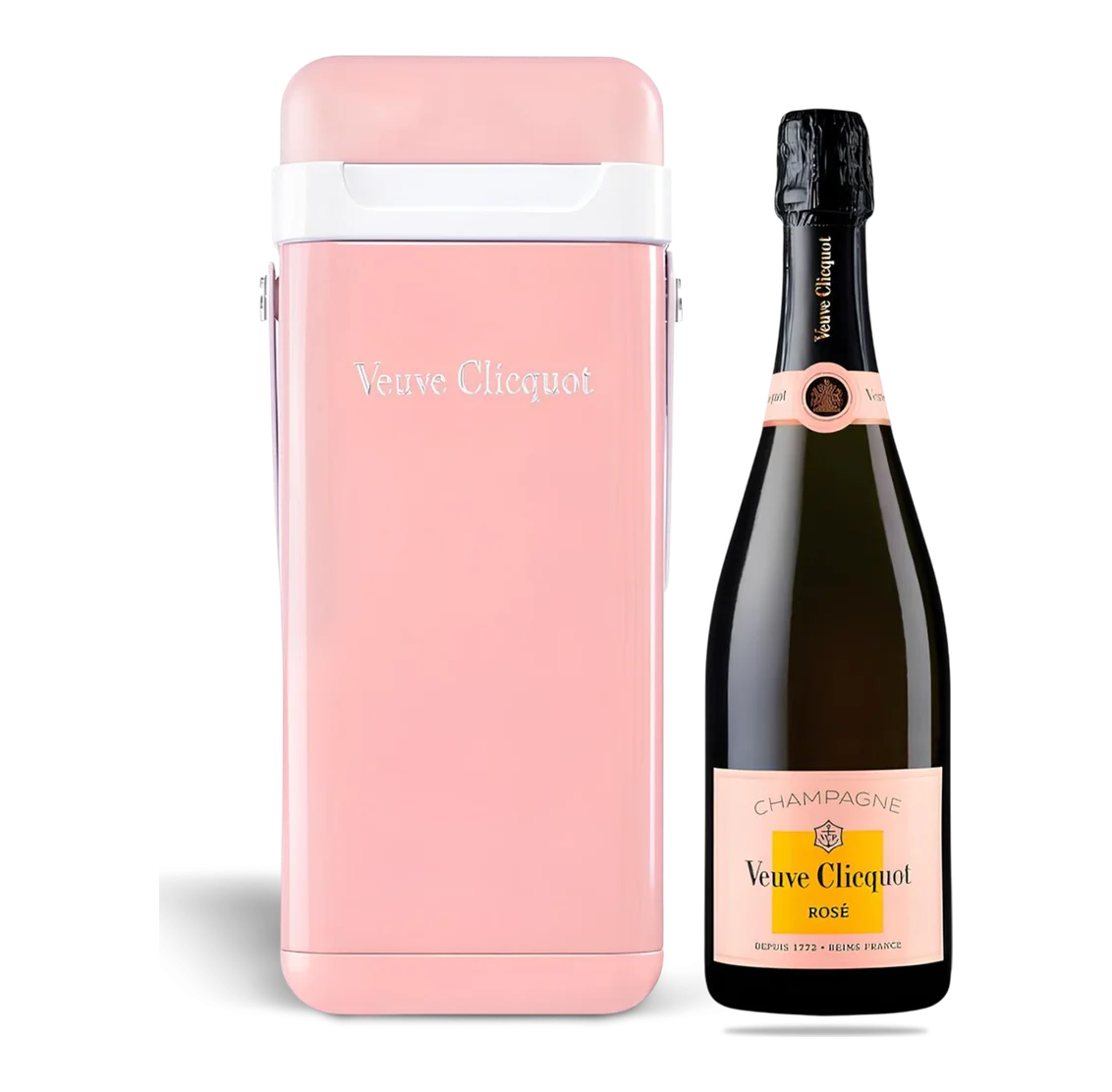
A luminous colour, a frank pink with coppery highlights, crossed by a stream of fine bubbles. The nose goes straight to red and black fruits — cherry, strawberry, raspberry, blueberry — then grows more complex with spices: white pepper, saffron, a touch of liquorice. Behind these come pastry notes,…
THE CUVÉES OF MAISON VEUVE CLICQUOTThe expert verdict
The structure of this champagne
TASTING NOTES
A luminous colour, a frank pink with coppery highlights, crossed by a stream of fine bubbles. The nose goes straight to red and black fruits — cherry, strawberry, raspberry, blueberry — then grows more complex with spices: white pepper, saffron, a touch of liquorice. Behind these come pastry notes, freshly baked biscuit, croissant, and with aeration, toast, orange peel and gingerbread. The palate is structured by the pinot noir, round without ever seeming sweet; the balance rests exactly between the freshness and the chewiness brought by the 12% red wine. The finish is long, on red fruit and biscuit. To be served between 8 and 10 °C.
The composition
Terroirs
The Rosé is not a champagne of place but a champagne of blending, and that is its whole purpose: fifty to sixty crus brought together each year to recreate the same taste. The base comprises 50% pinot noir, 30% chardonnay and 20% meunier, to which are added up to 45% of reserve wines drawn from previous years — this is the backbone of the Clicquot style, the one that allows a non-vintage cuvée to be identical from one bottle to the next. Finally comes the gesture of 1818: 12% of a pinot noir red wine, chosen for its colour and chewiness, added to the blend rather than obtaining the hue through maceration. The wine rests for at least three years in the cellar before being disgorged, then dosed at 9 g/L. 12.5% vol.
About this house
Founded in Reims in 1772, the house owes its name and character to Barbe-Nicole Ponsardin, widowed at twenty-seven and at the head of the business amid the Napoleonic turmoil. We owe to her the riddling table, which made champagne clear, and a business acumen that carried her bottles from Reims as far as Saint Petersburg. Two centuries later, the yellow of her label remains one of the most immediately recognisable markers of Champagne.
The Rosé is her other invention, and the lesser known. In 1818, she decided to add red wine from her own vineyards to her champagne, instead of tinting it as was then the practice: this is the first assemblage rosé in history, and the method that all of Champagne uses today. This cuvée is therefore the house's most direct lineage — the one that still applies, as is, the gesture it invented.
The perfect pairing
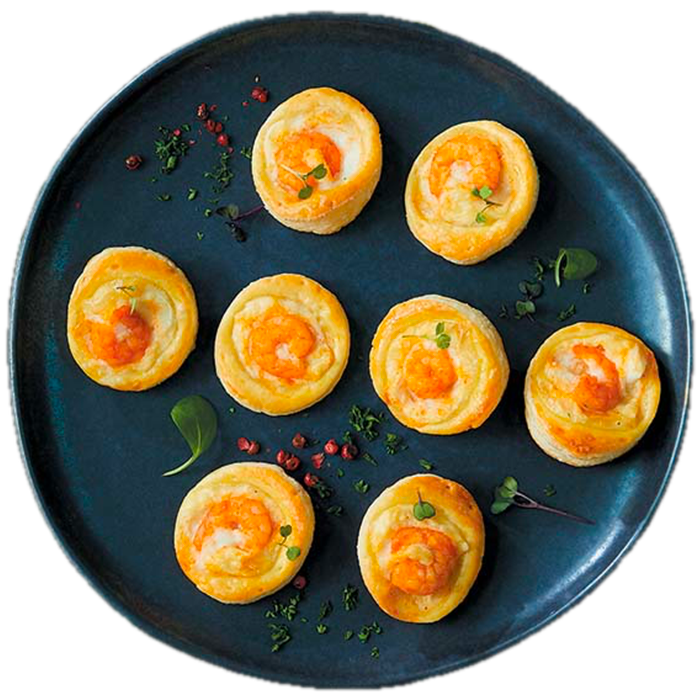
Aperitif
The 12% red wine gives the Rosé enough chewiness to stand up to the shrimp and its sauce; the biscuit note on the nose provides the link.
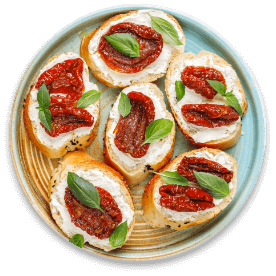
Starter
The house itself recommends antipasti: the sun-dried tomato and basil echo the wine's red fruit, and the 9 g/L holds its own against the acidity.
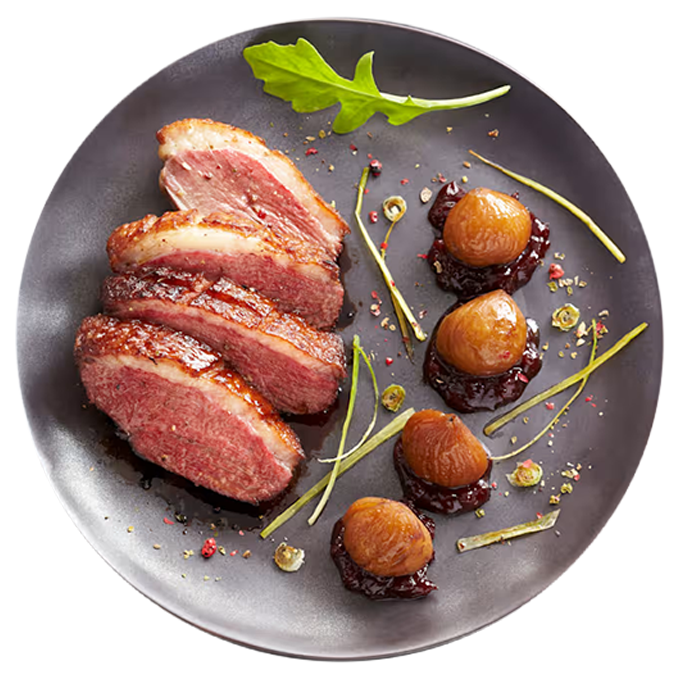
Main course
Cherry, saffron, white pepper: these are the spices of the dish. The pinot noir, being predominant, has the structure needed for red meat.
Other champagnes
from Maison Veuve Clicquot