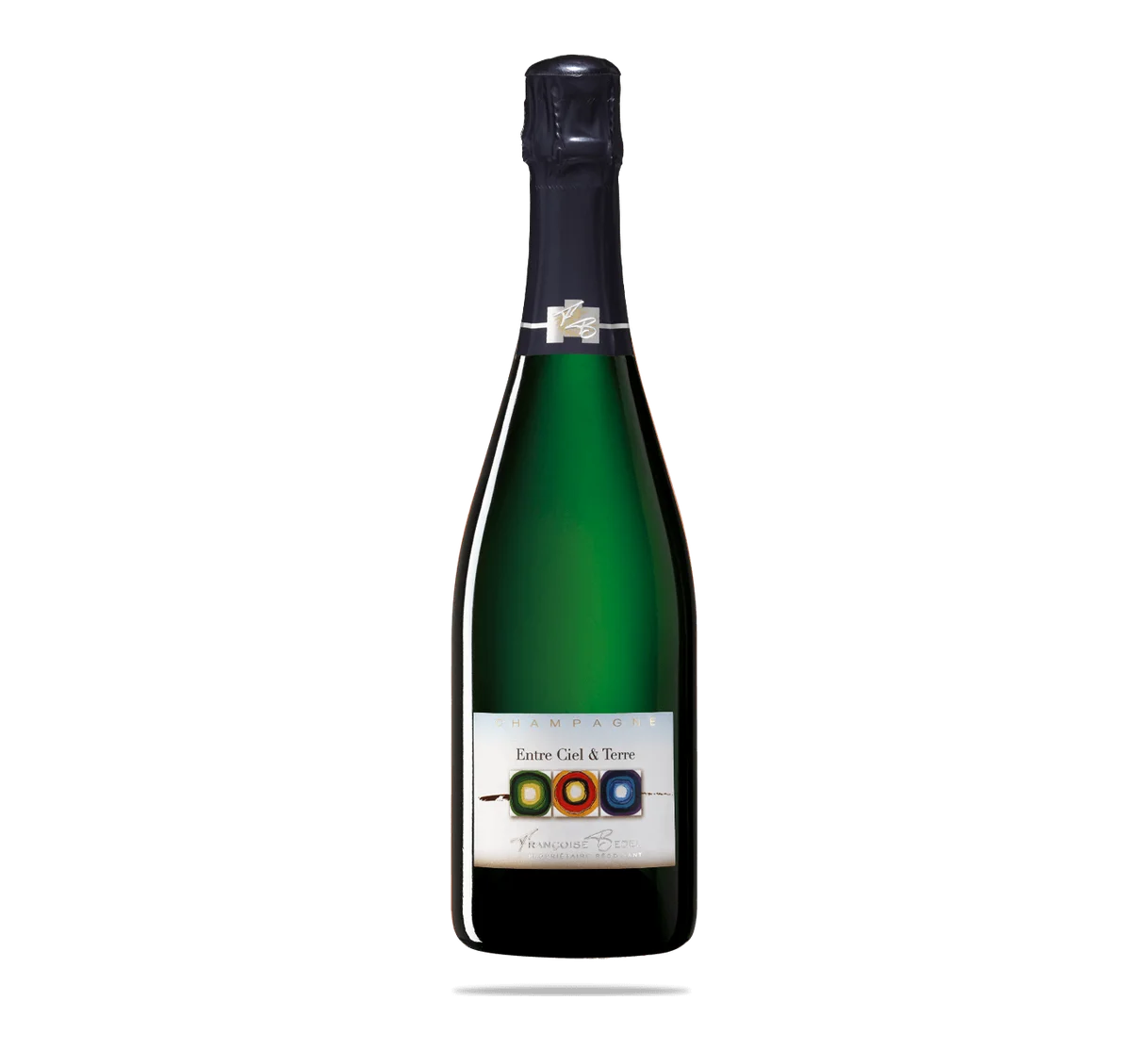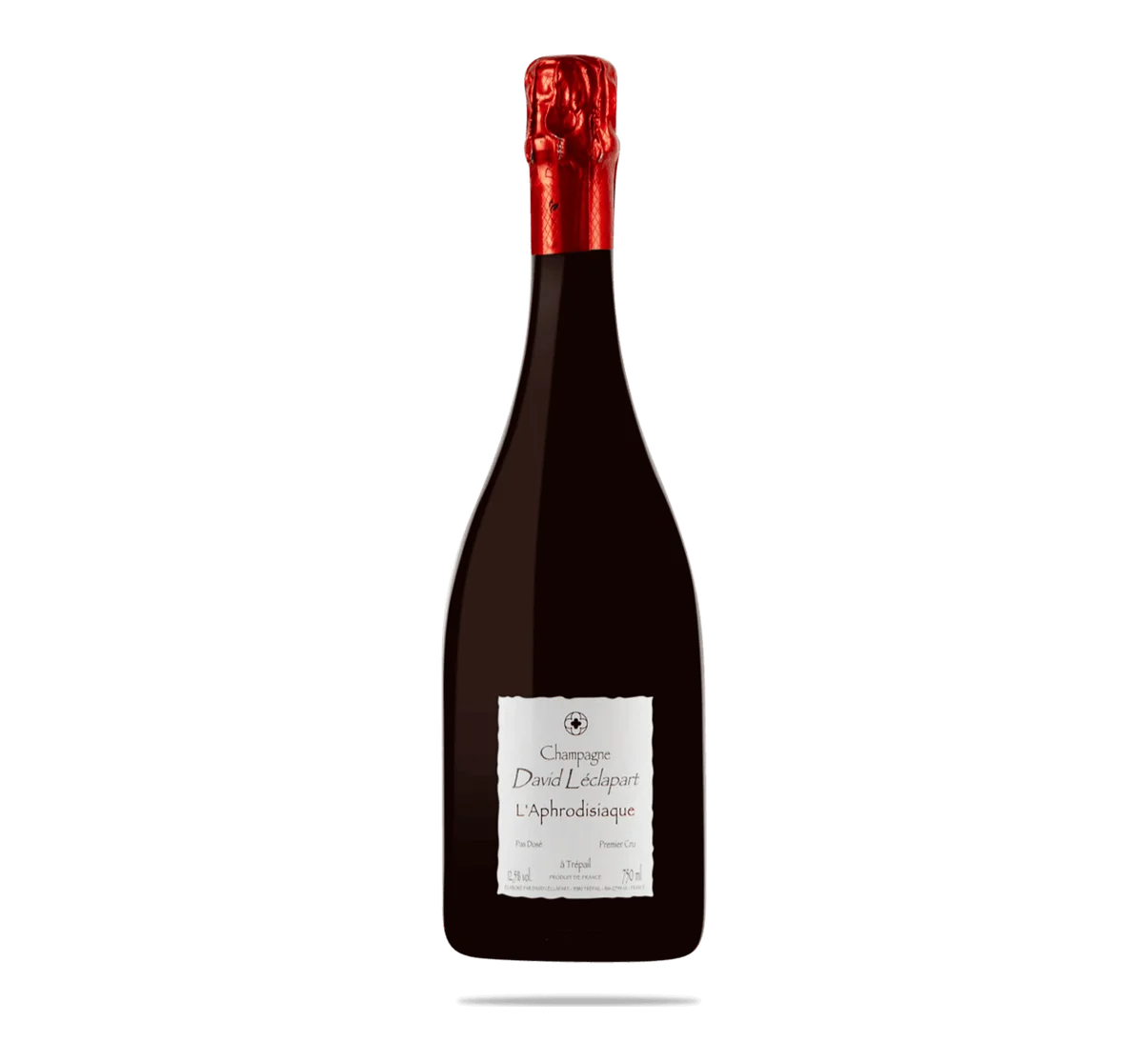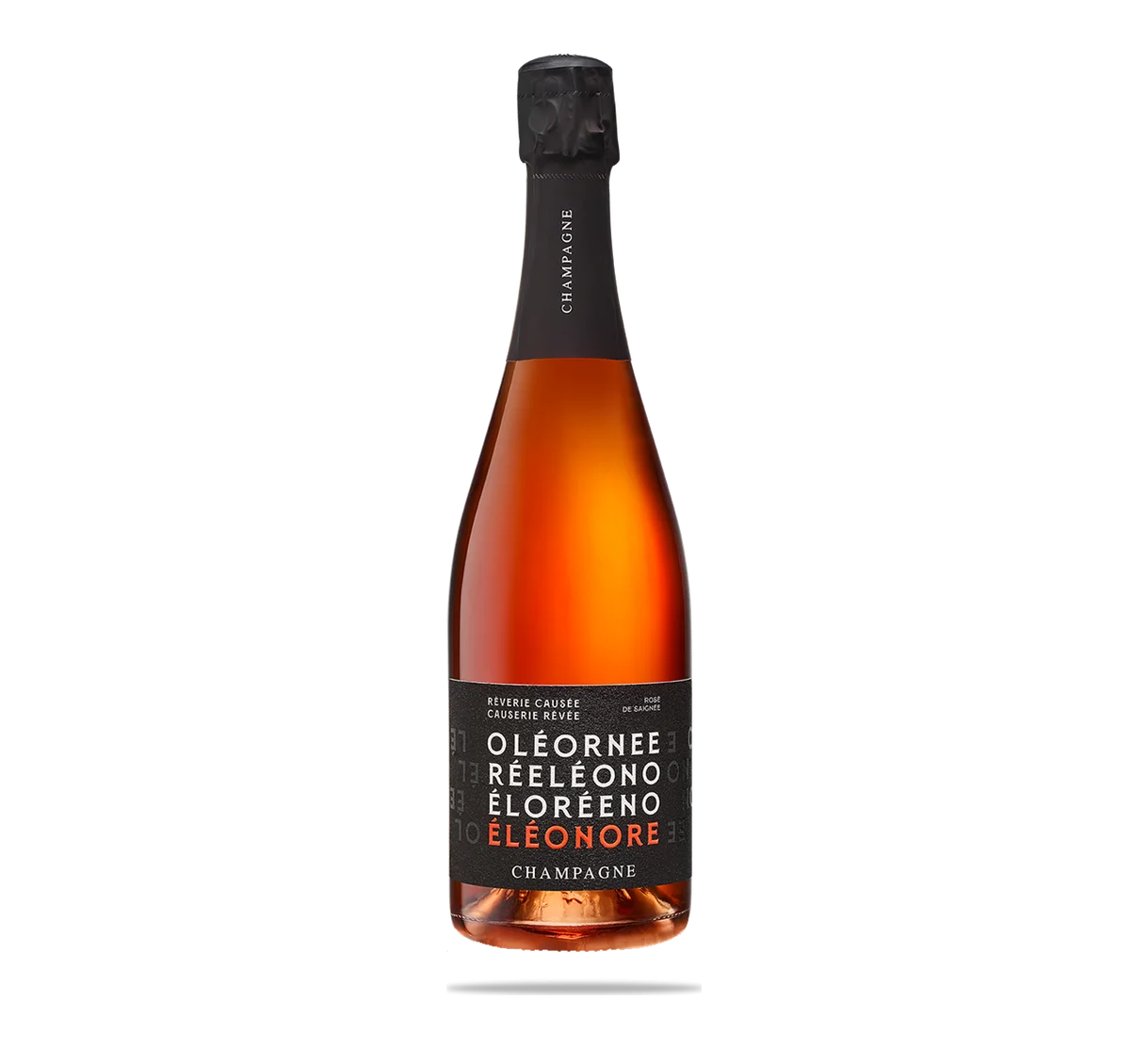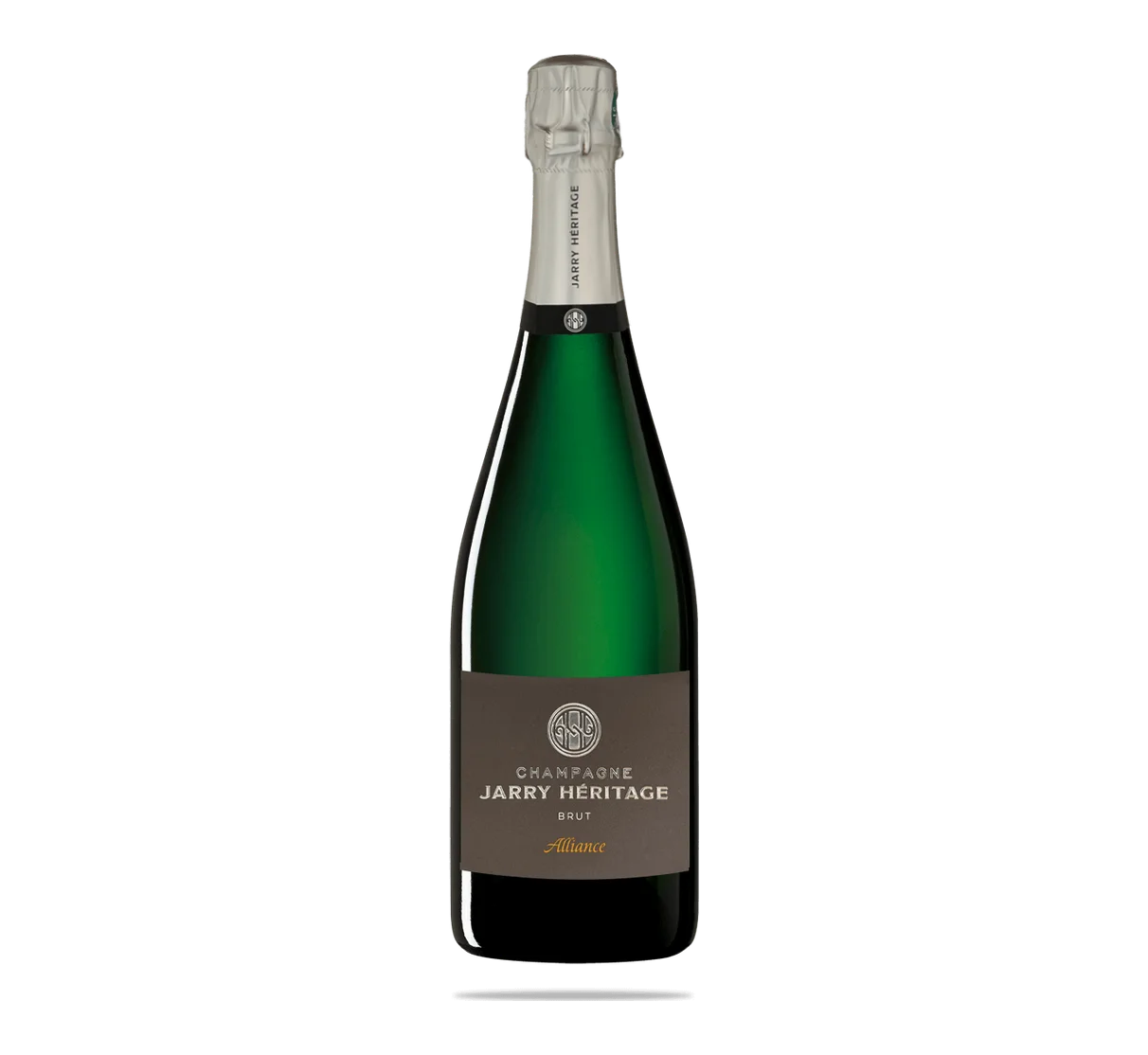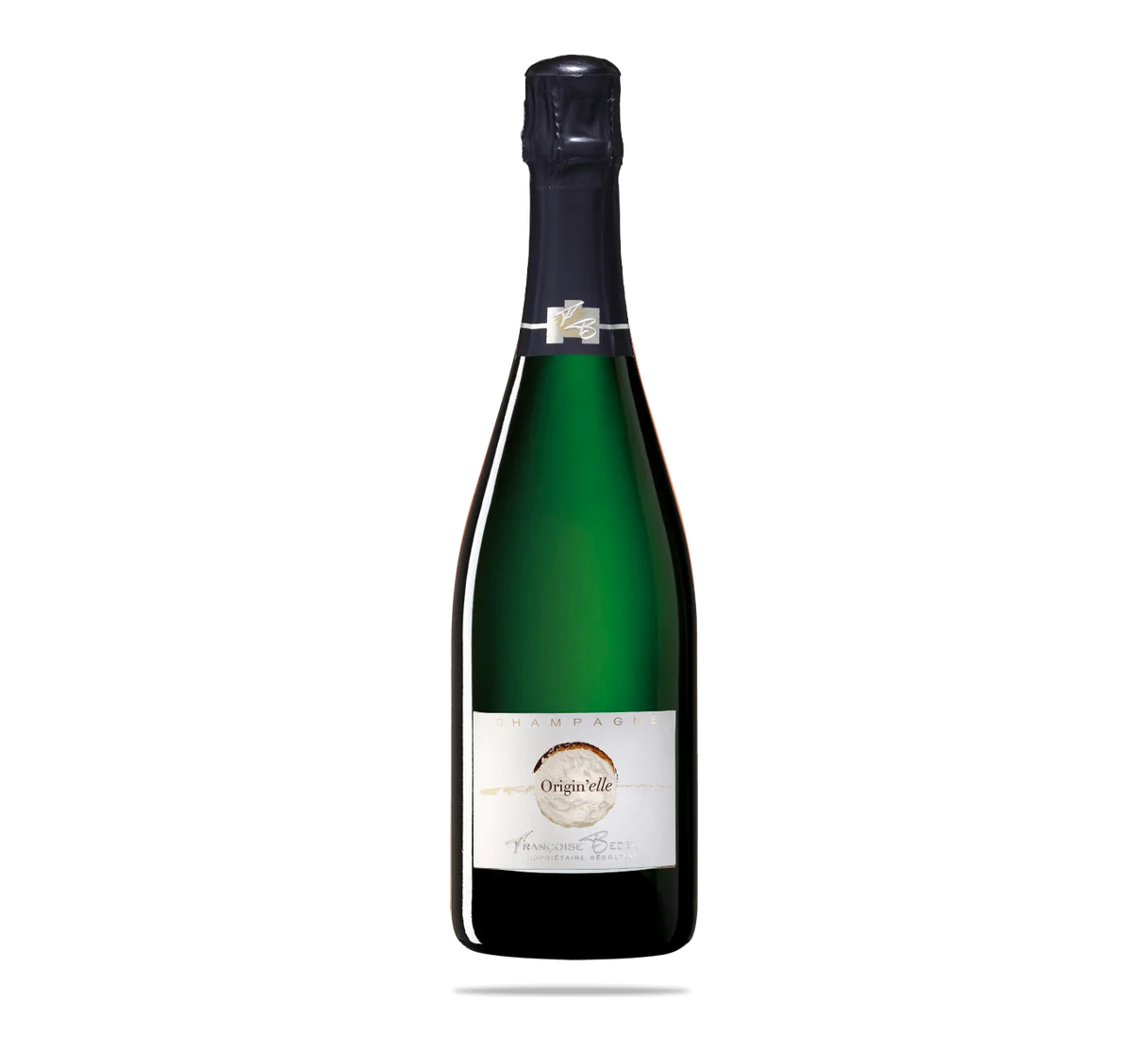


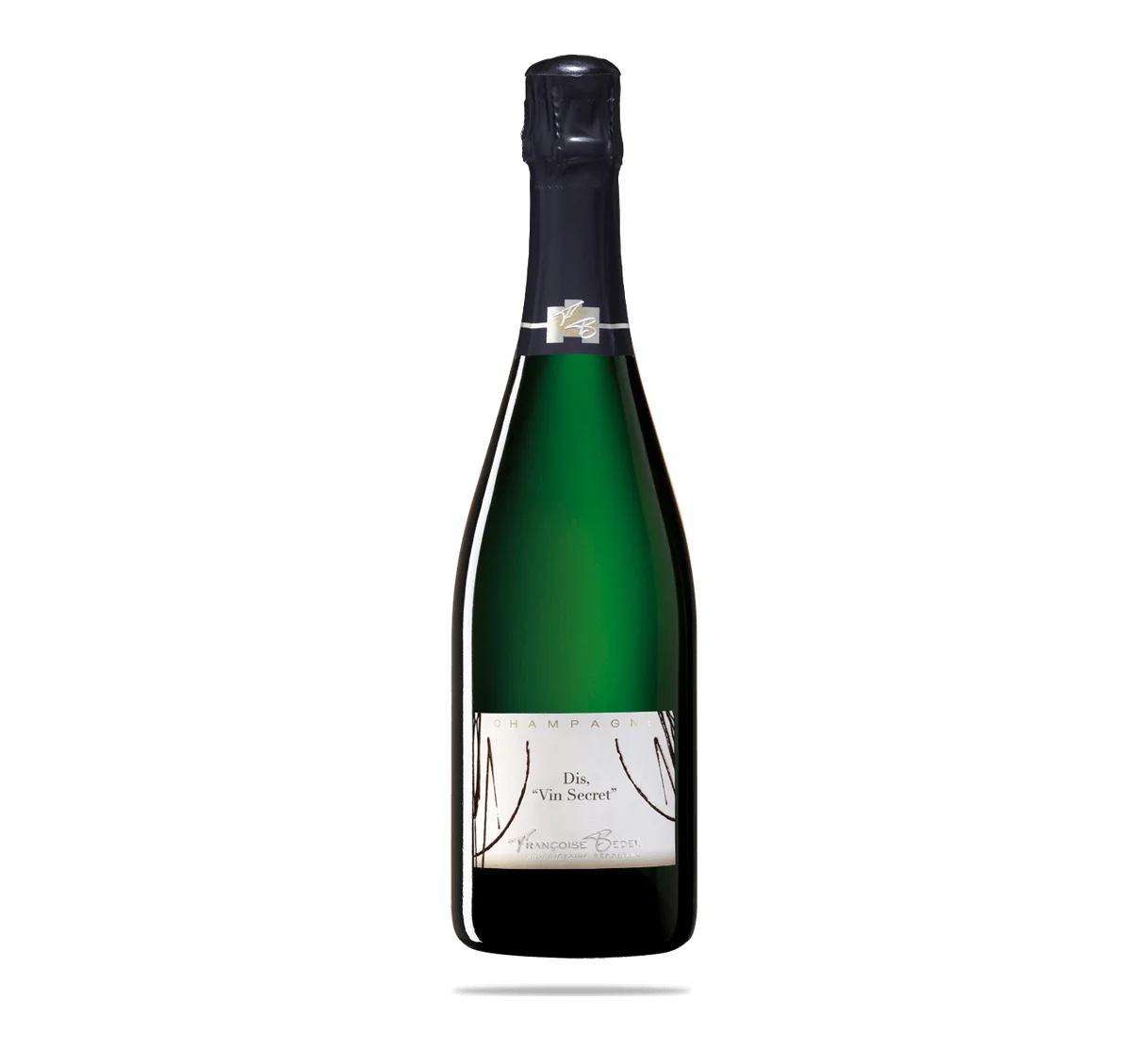
Françoise Bedel
Dis, Vin Secret
60,95 €
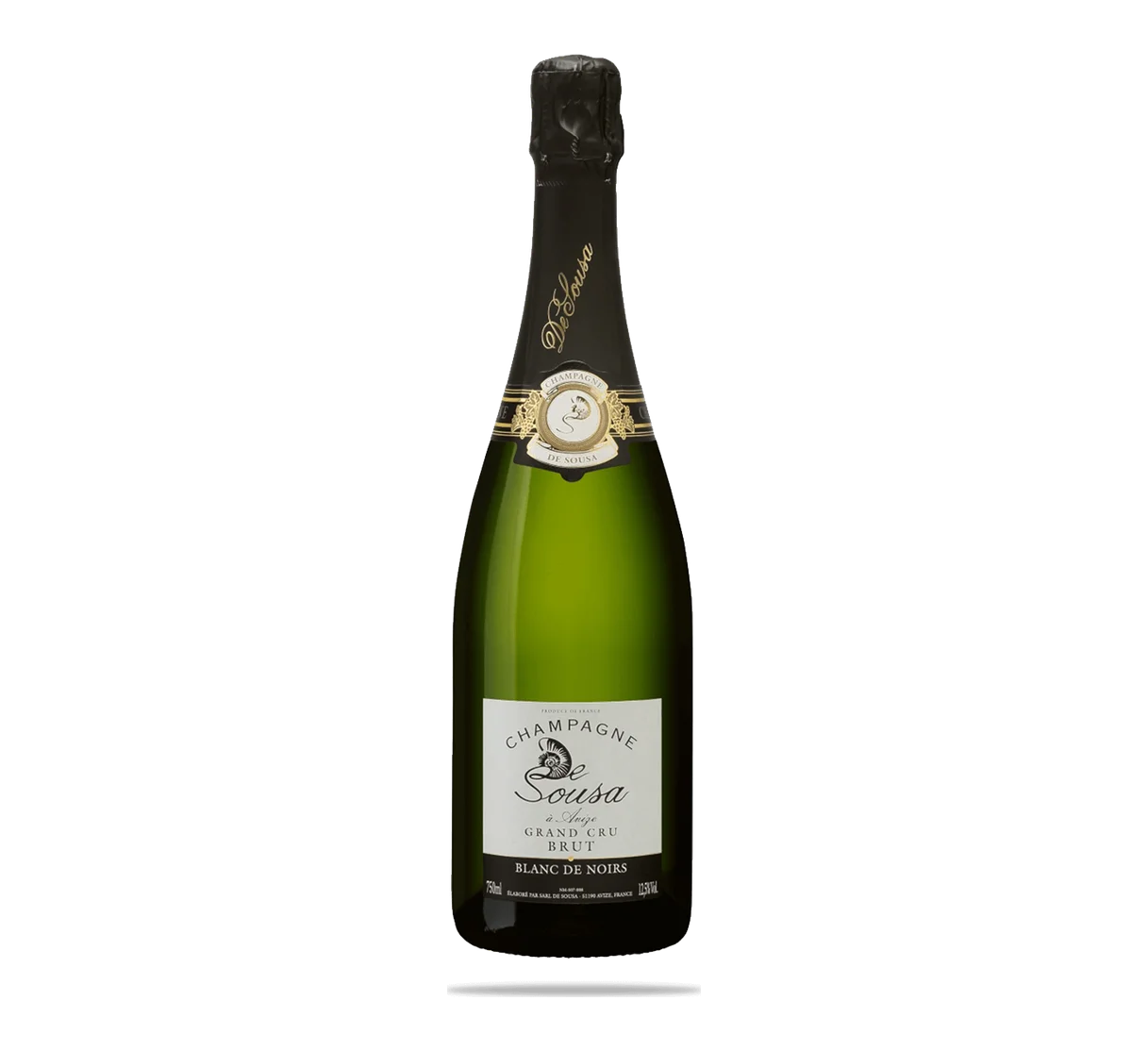
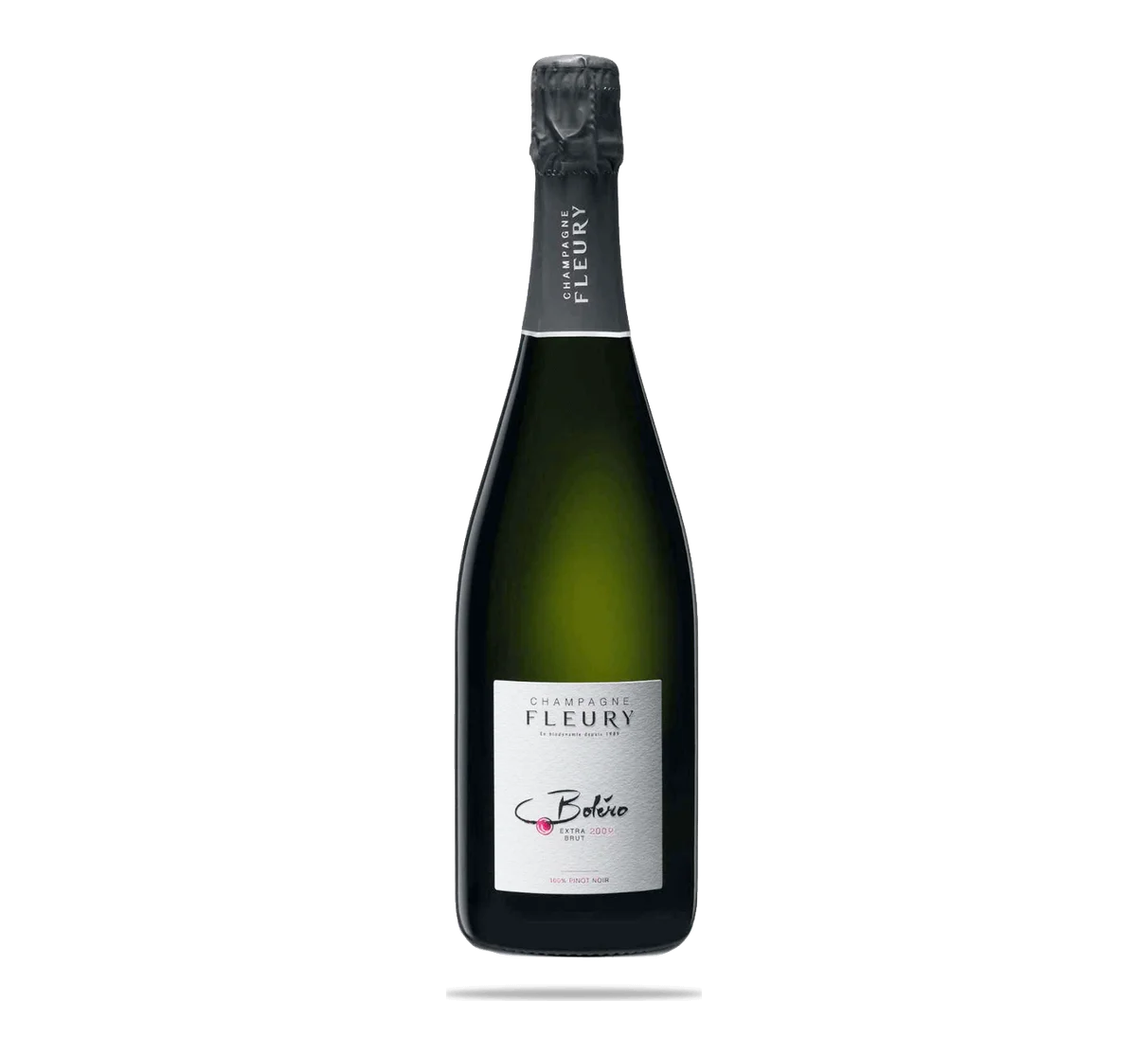
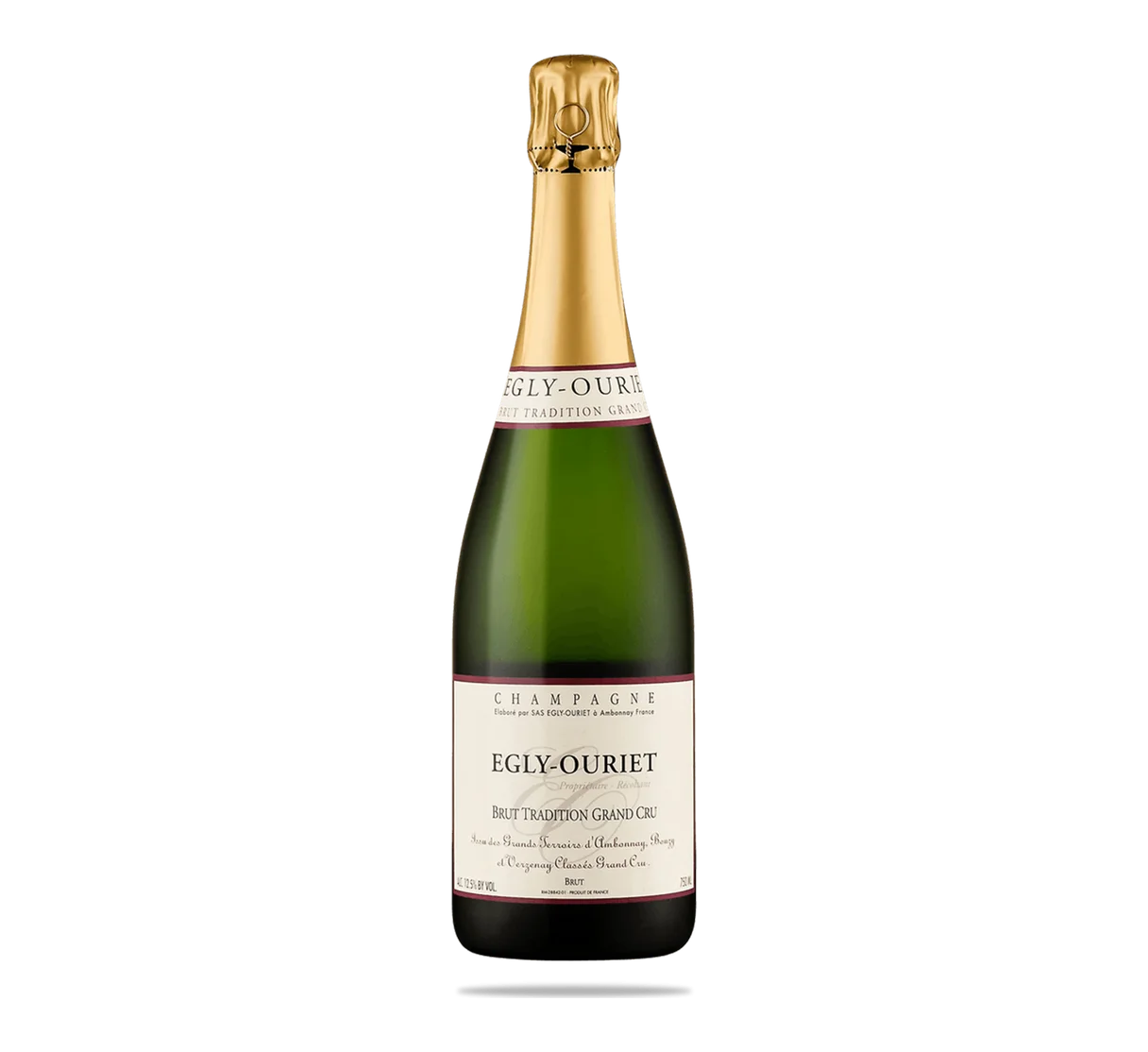
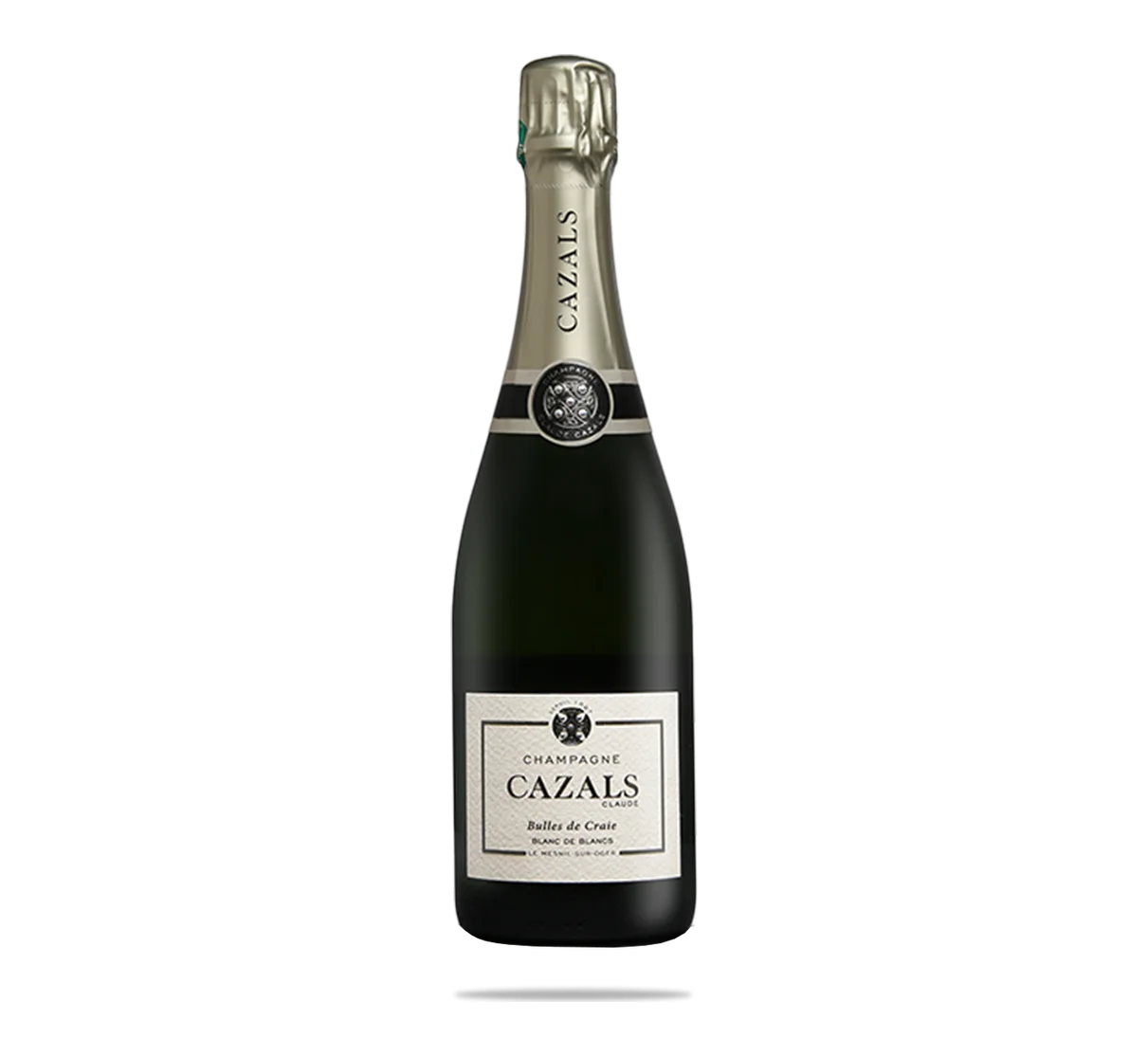
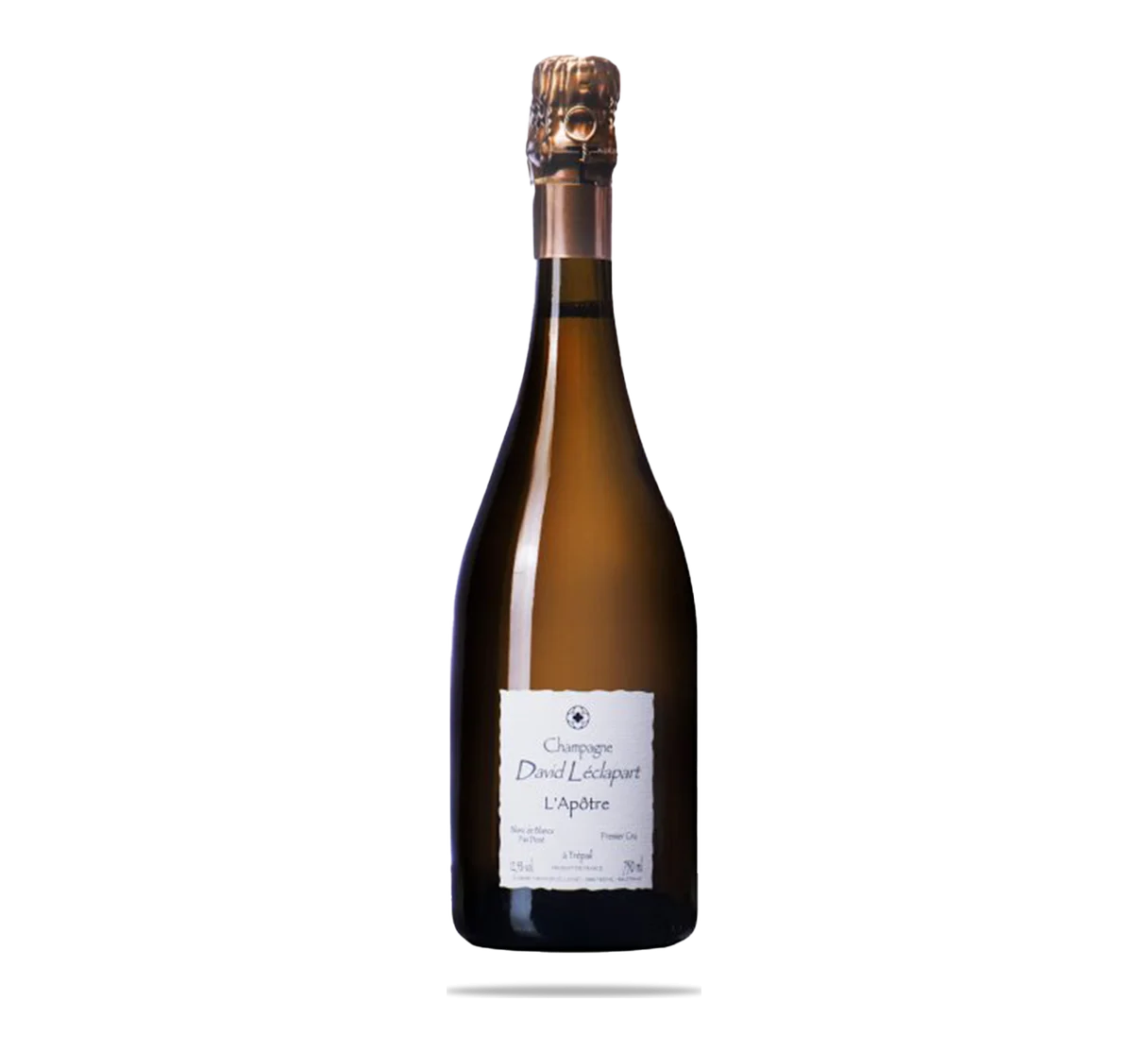
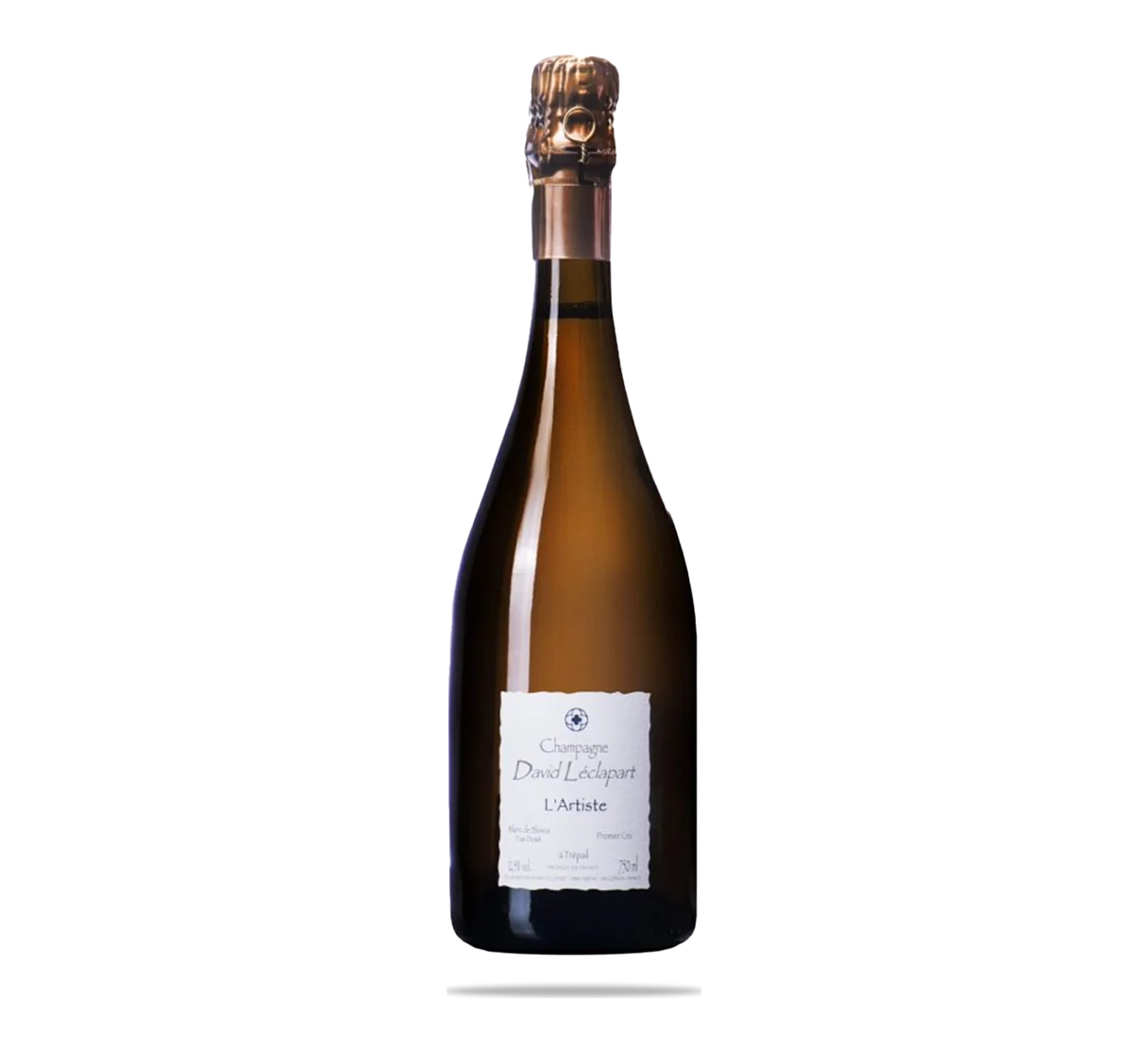
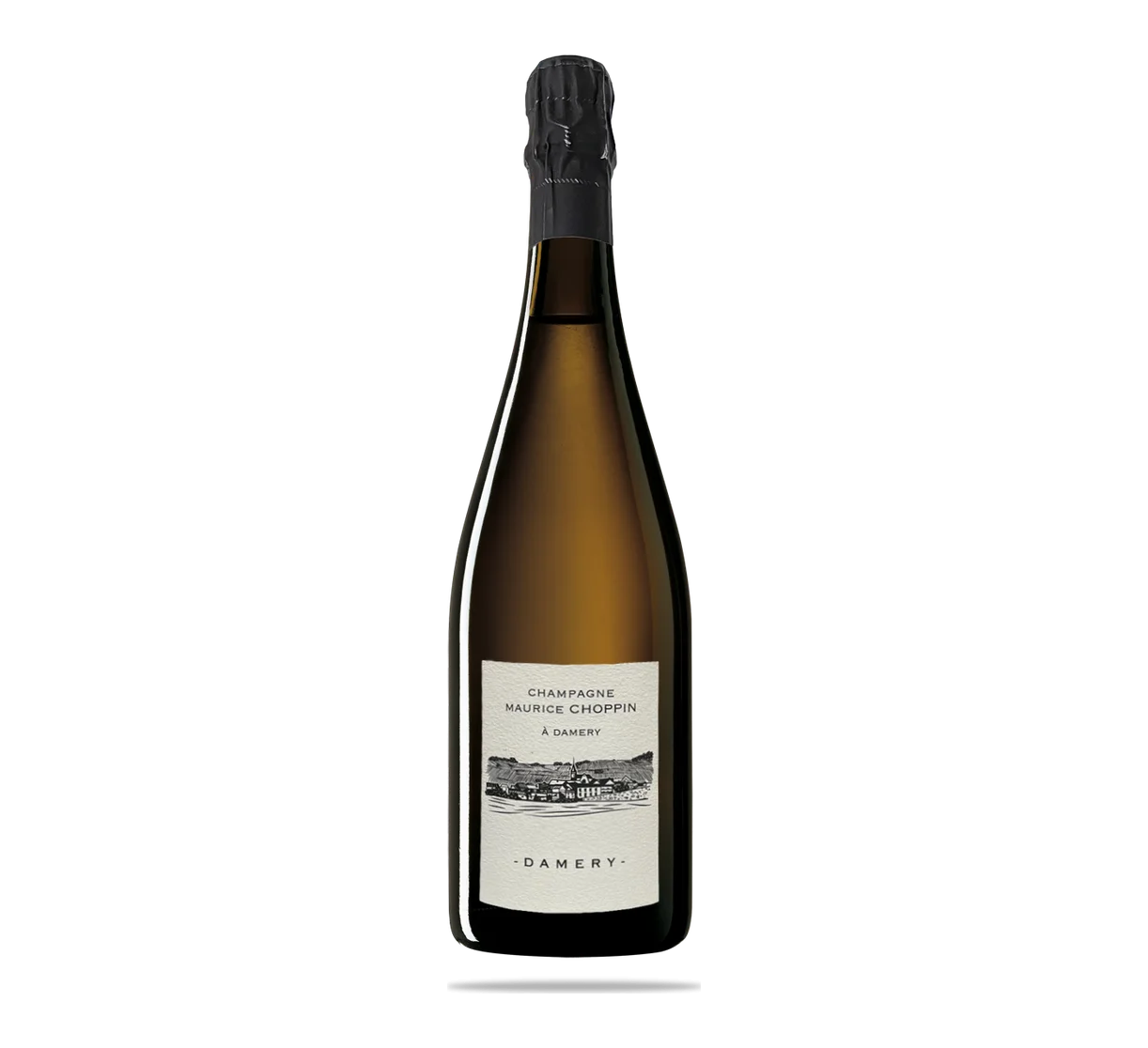
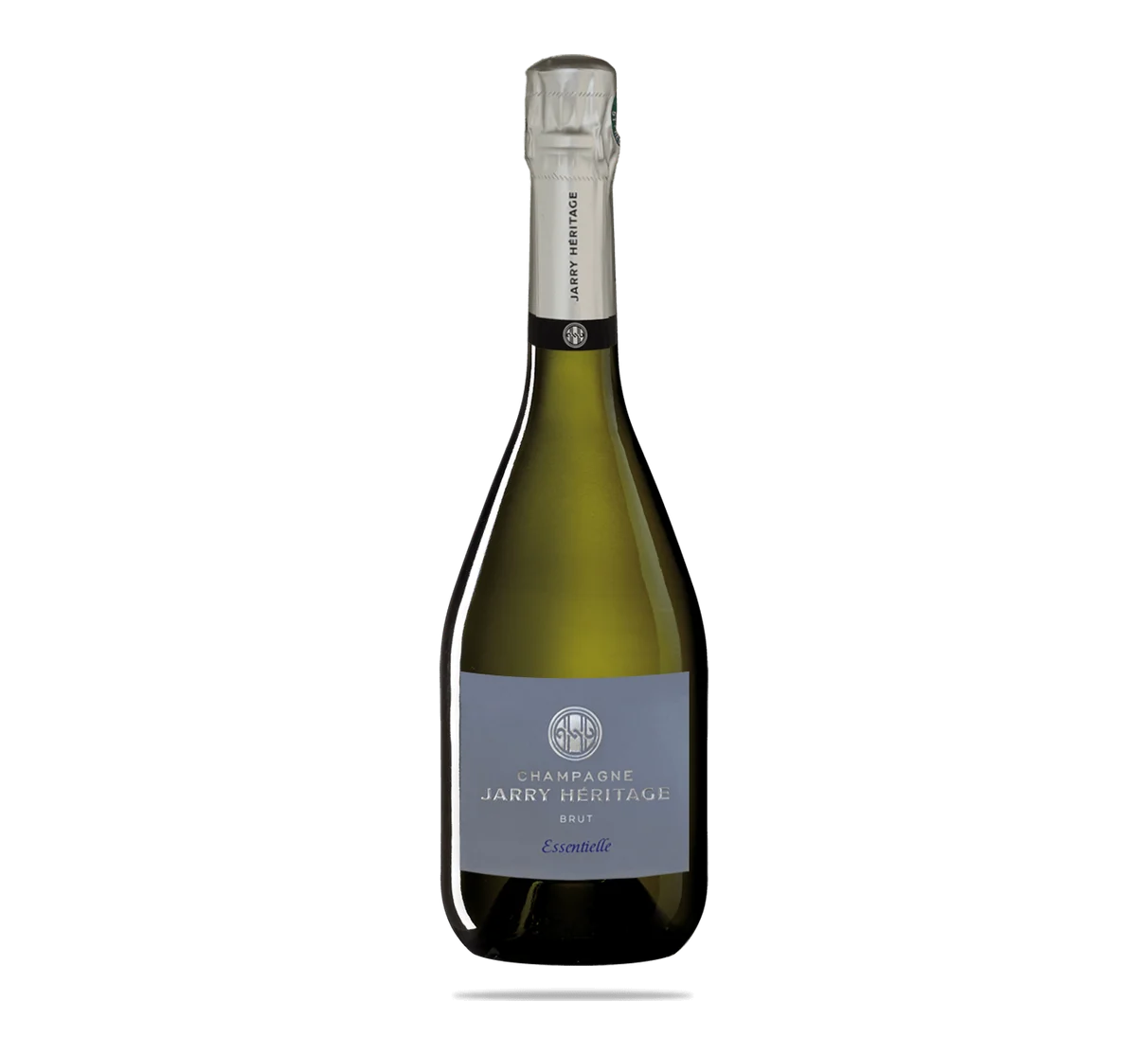
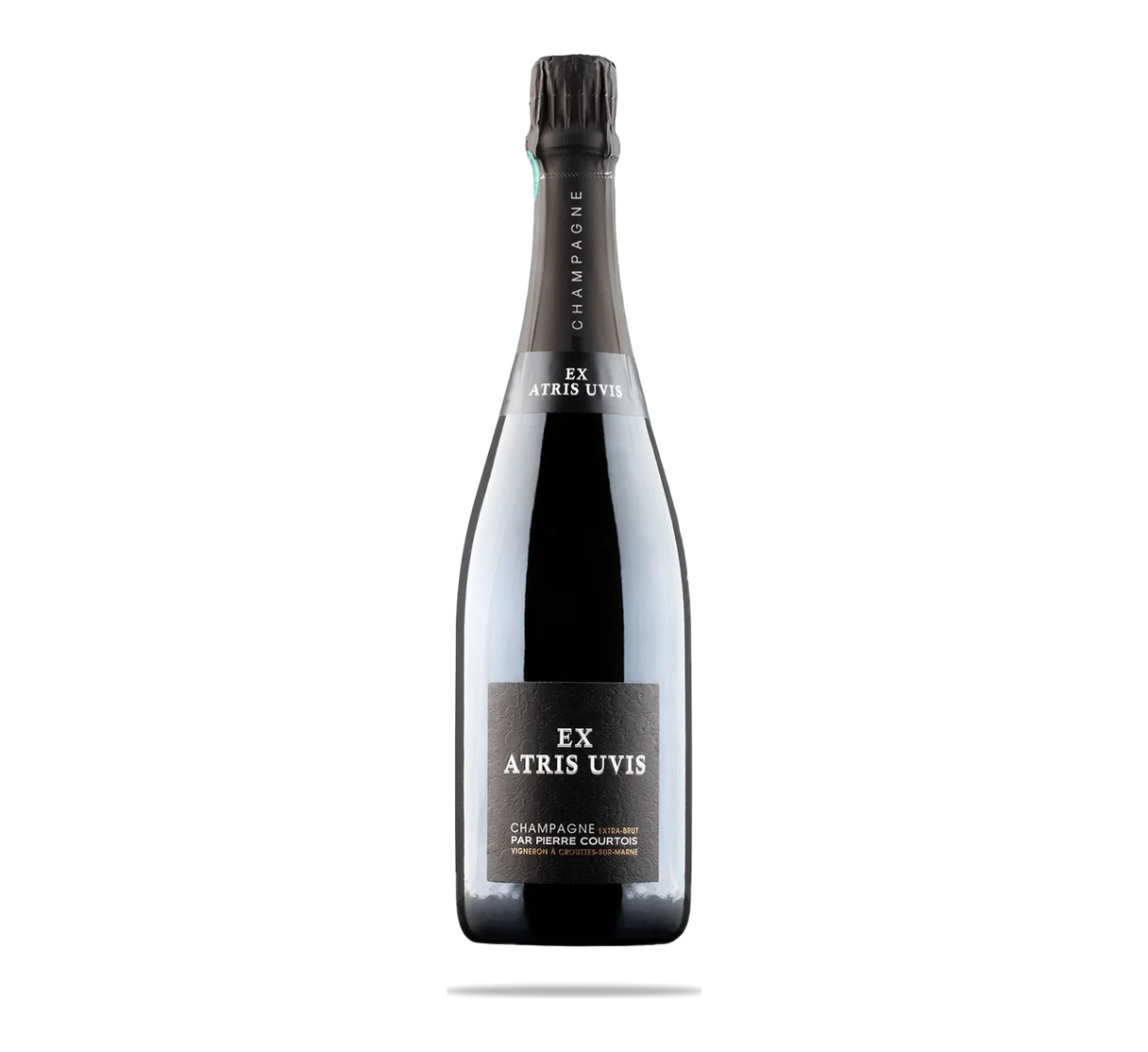
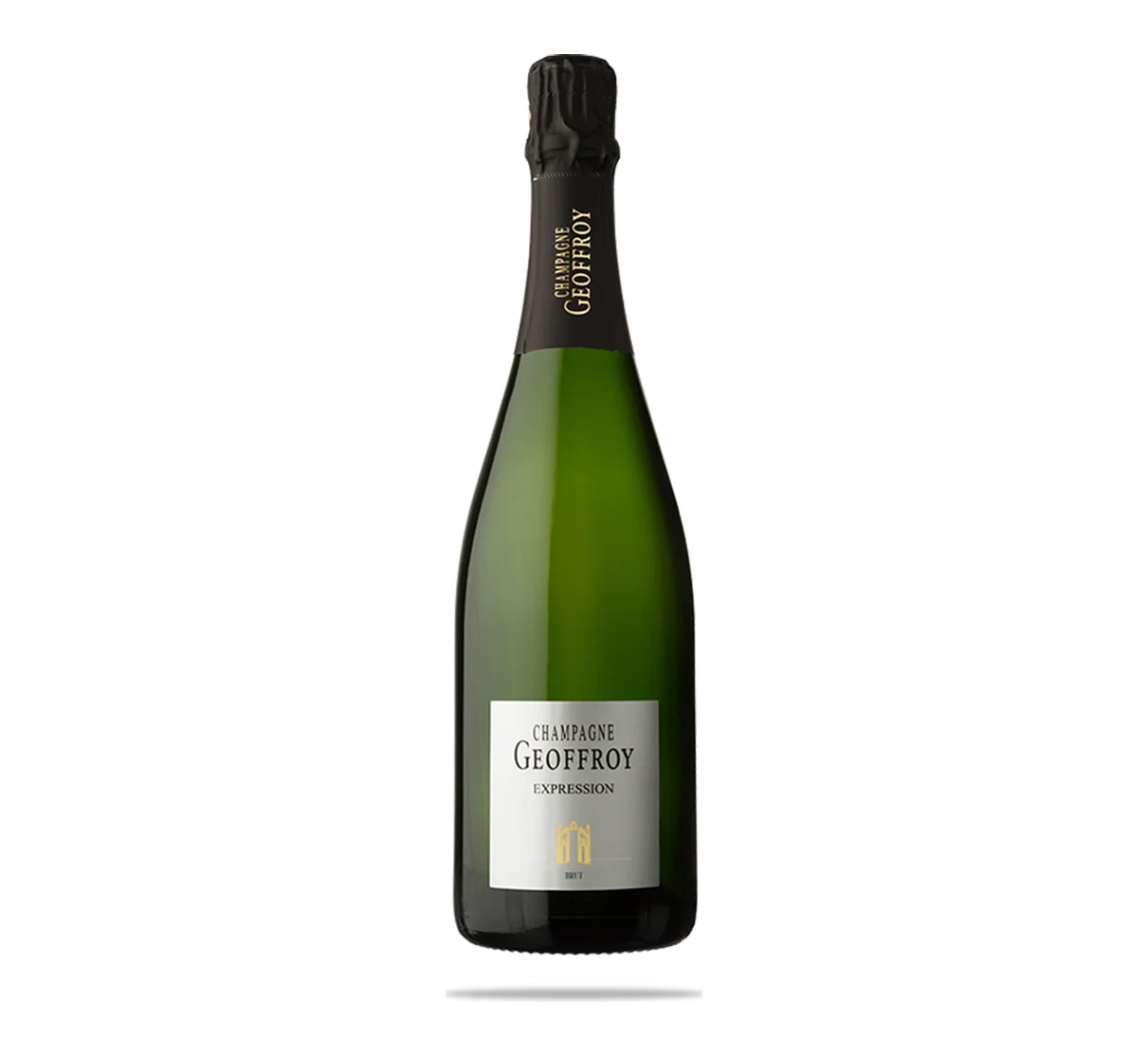
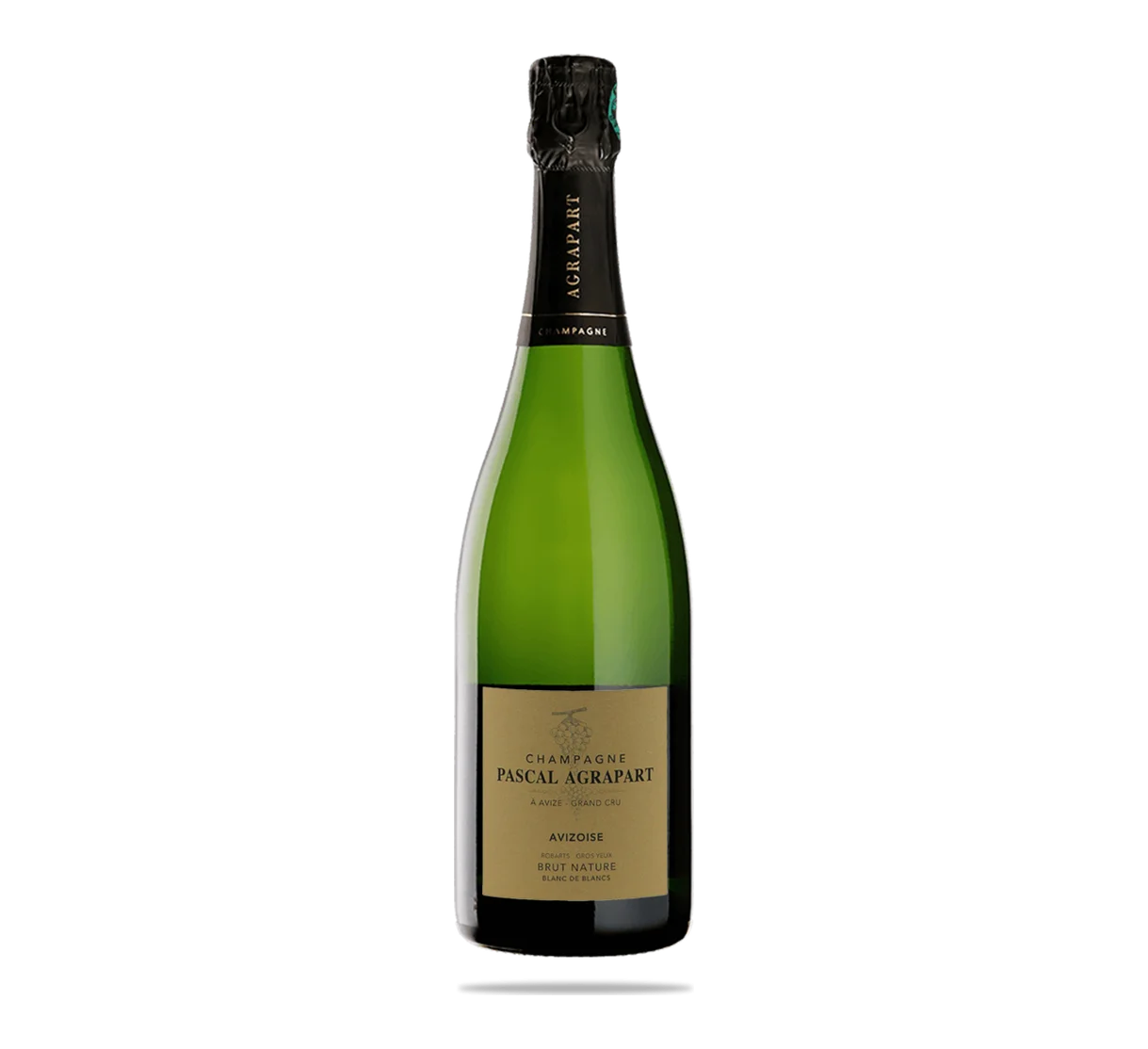
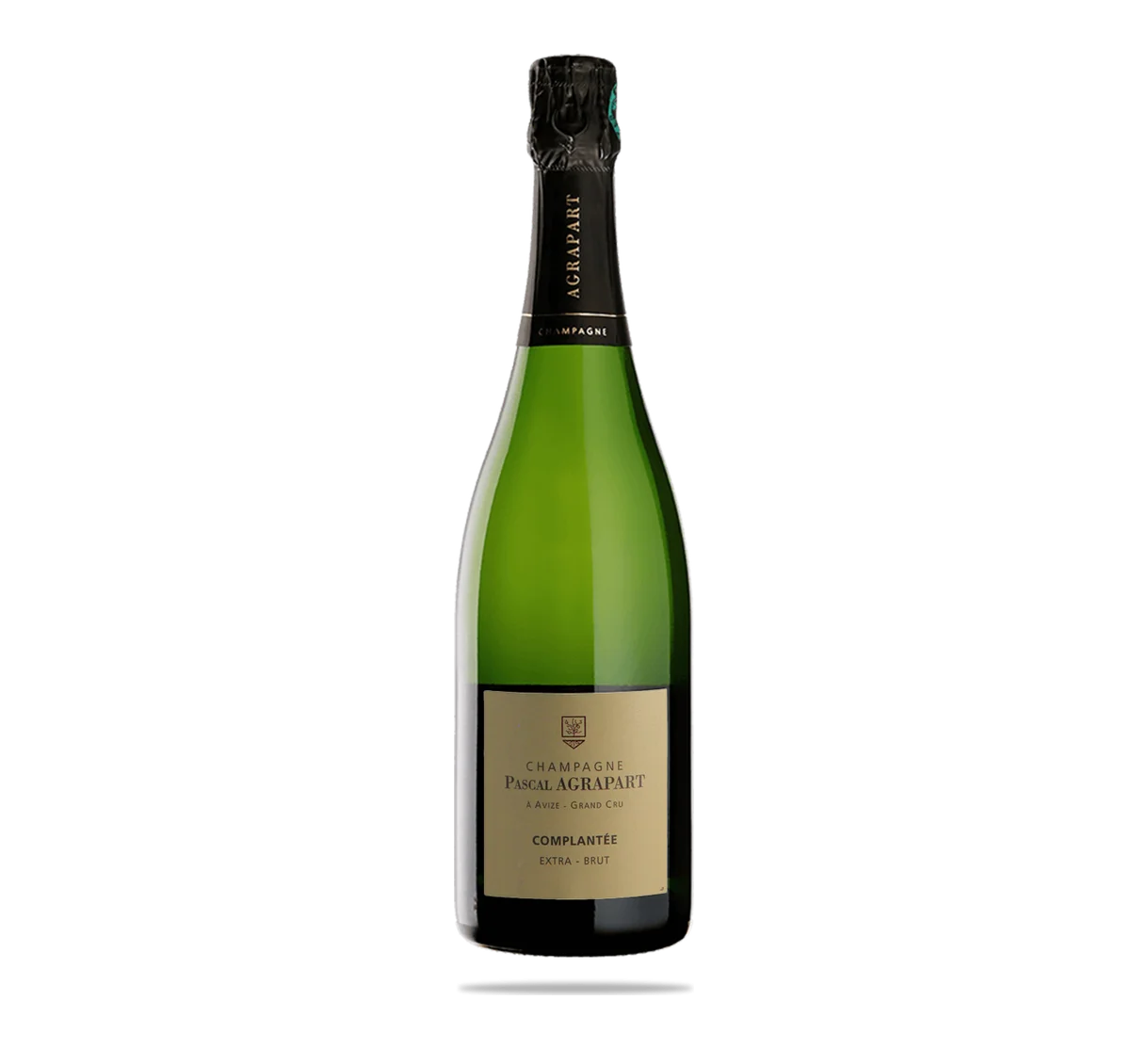
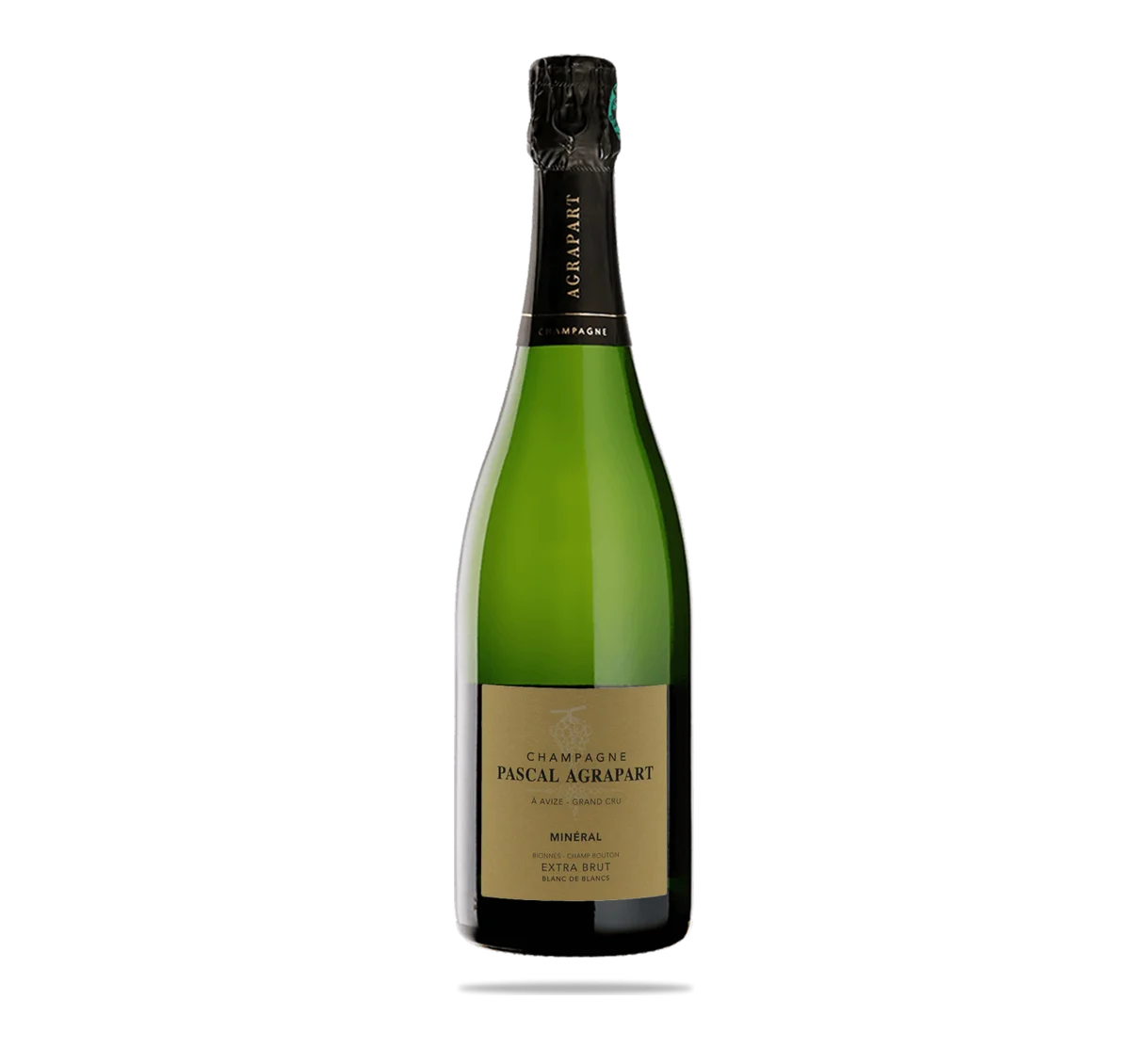
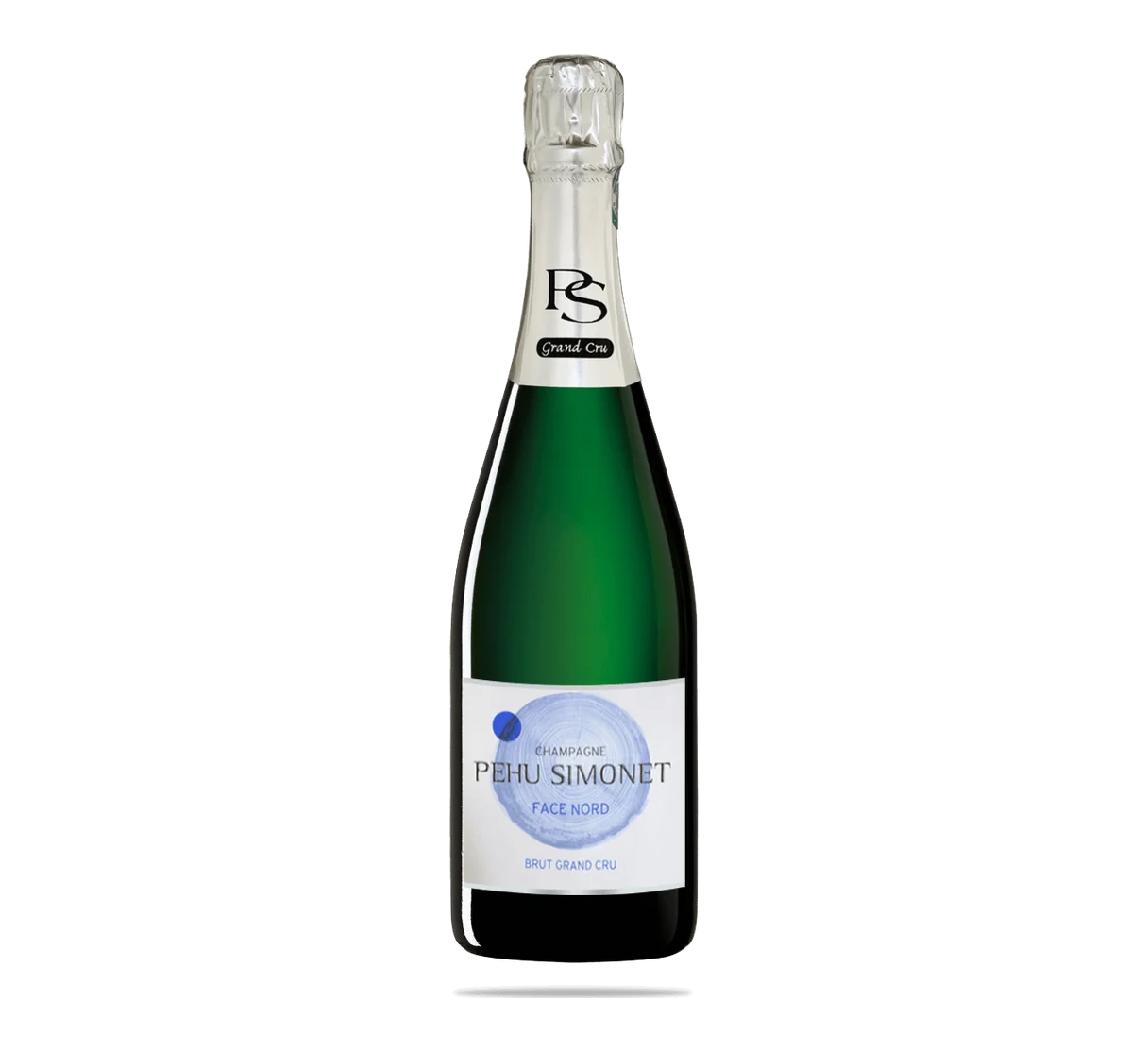
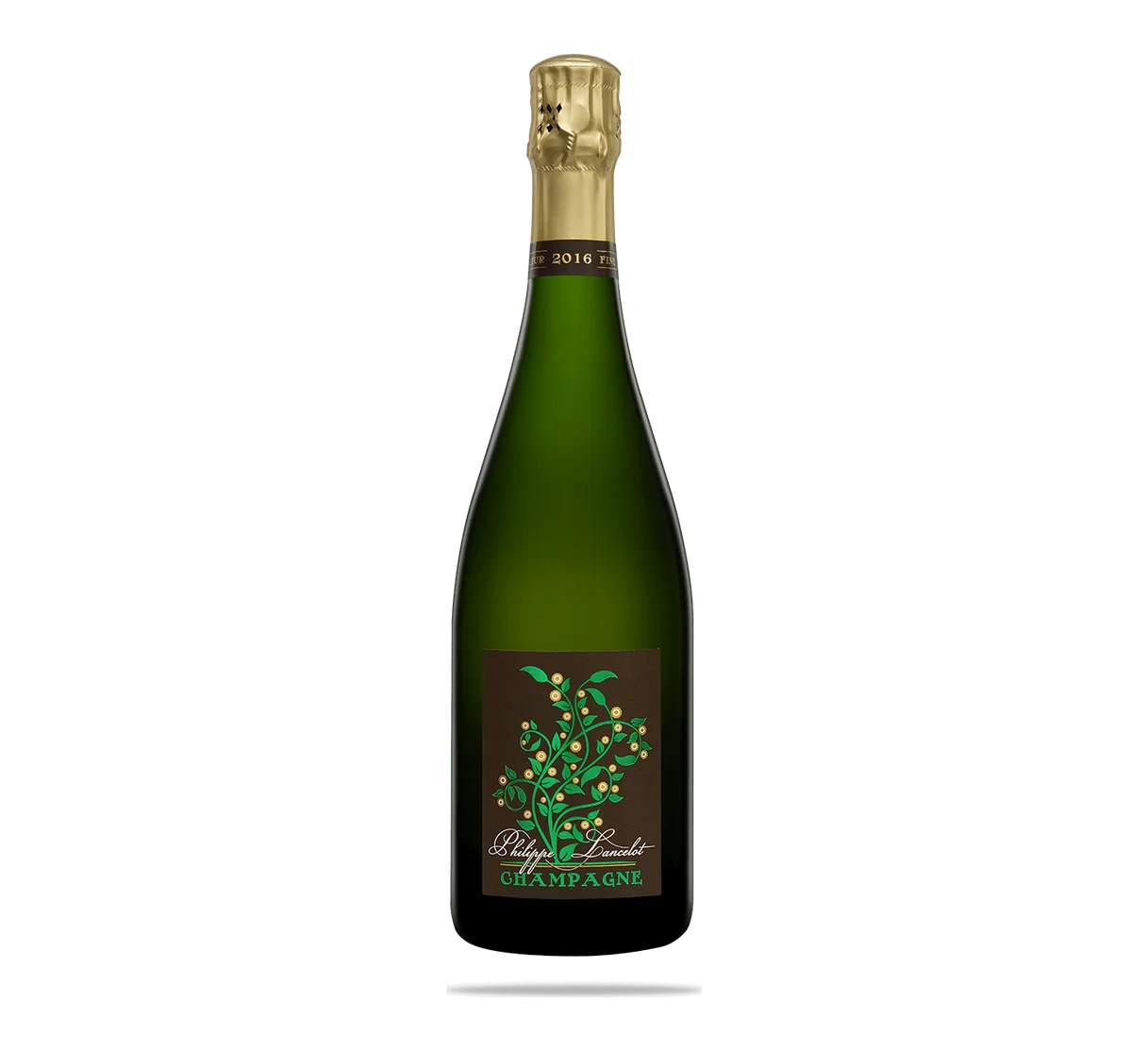
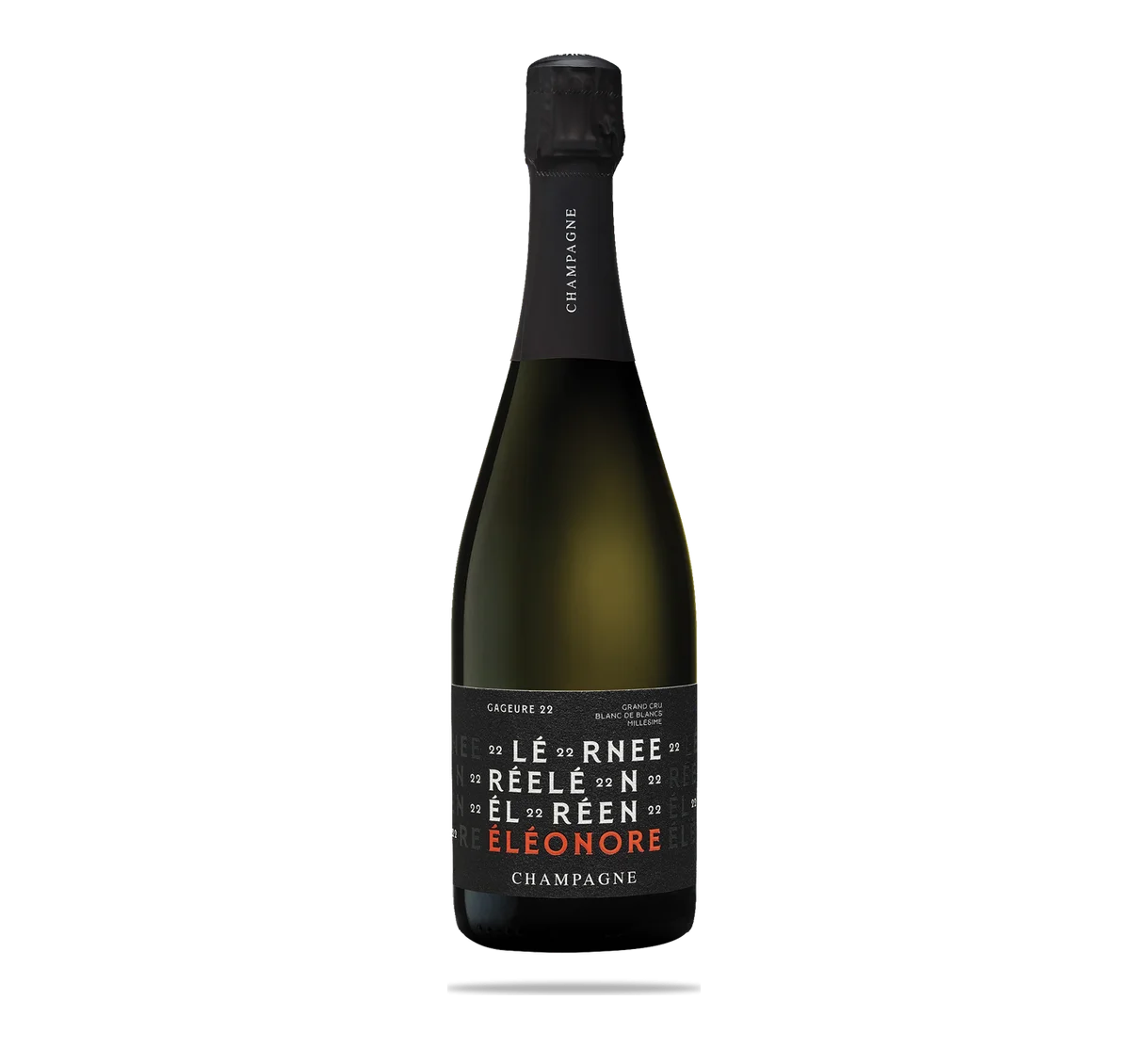
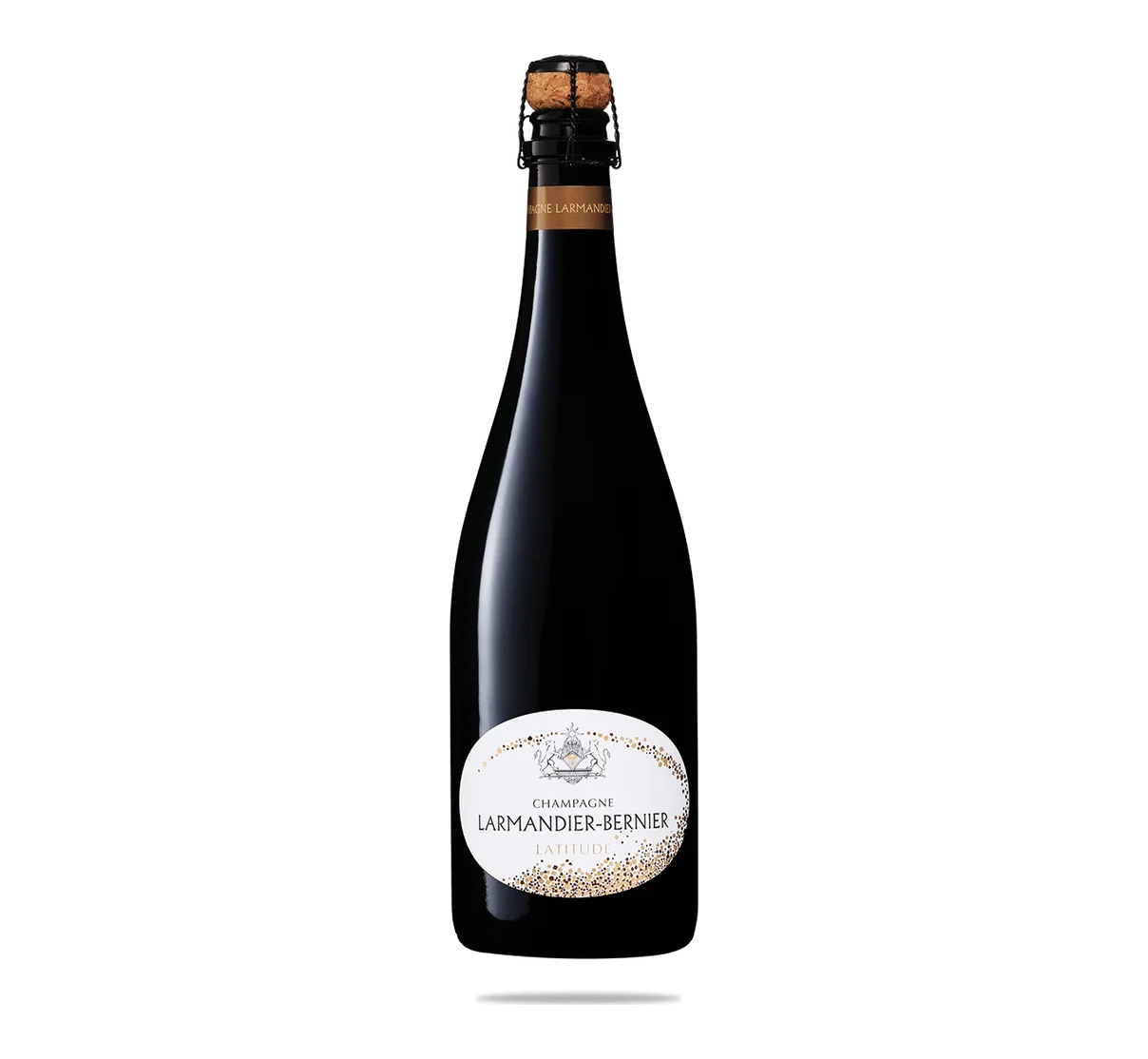
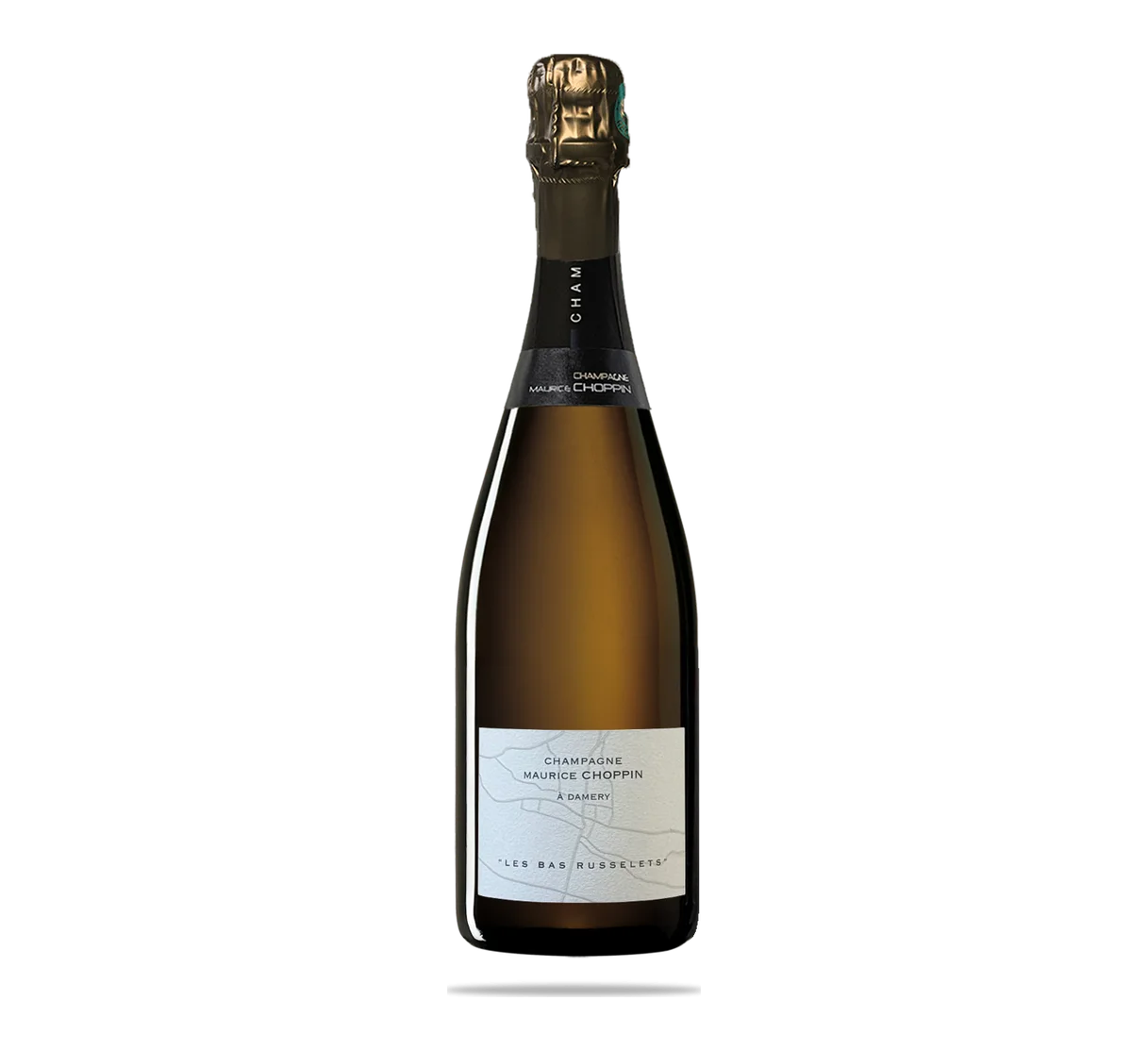
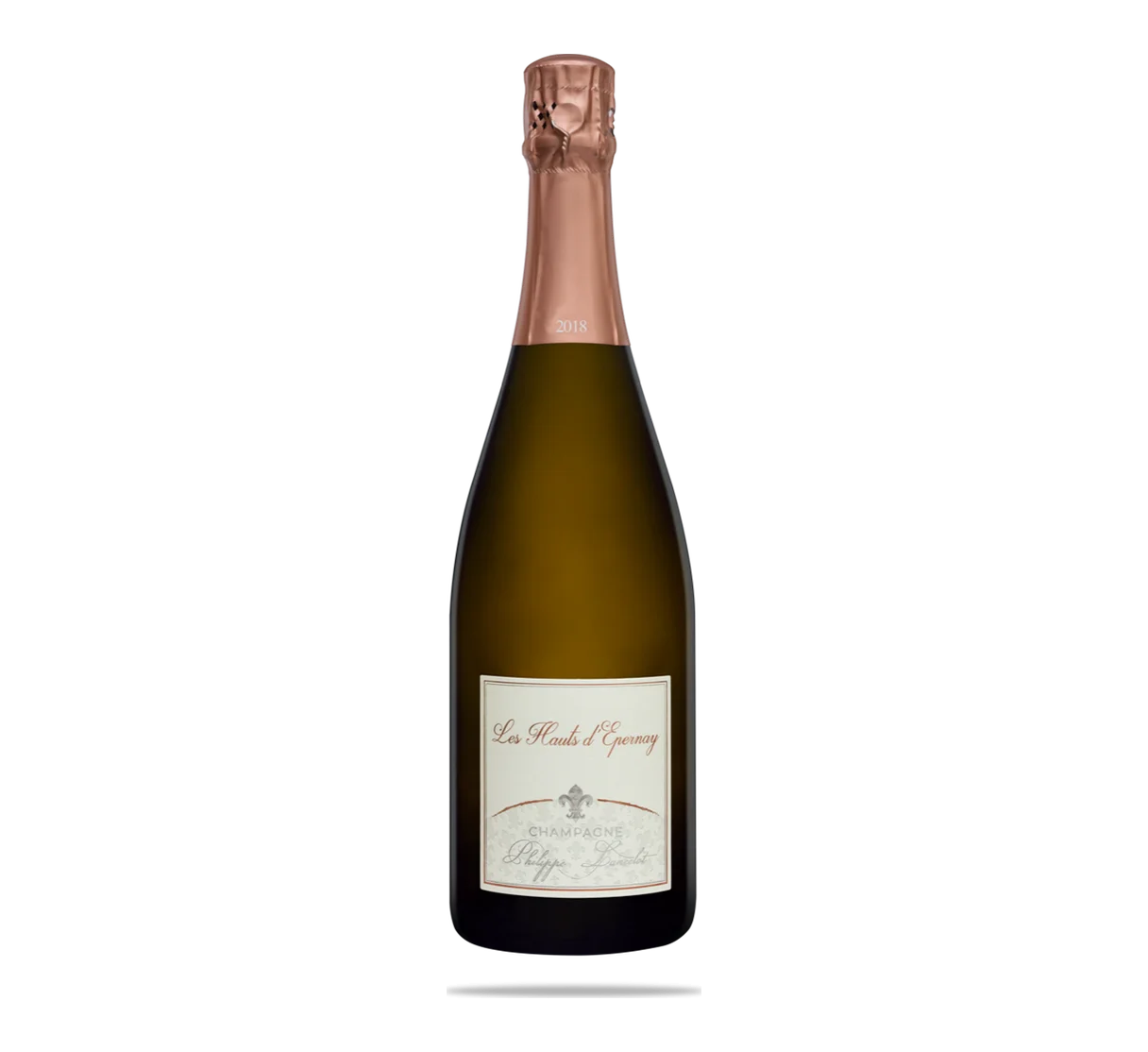
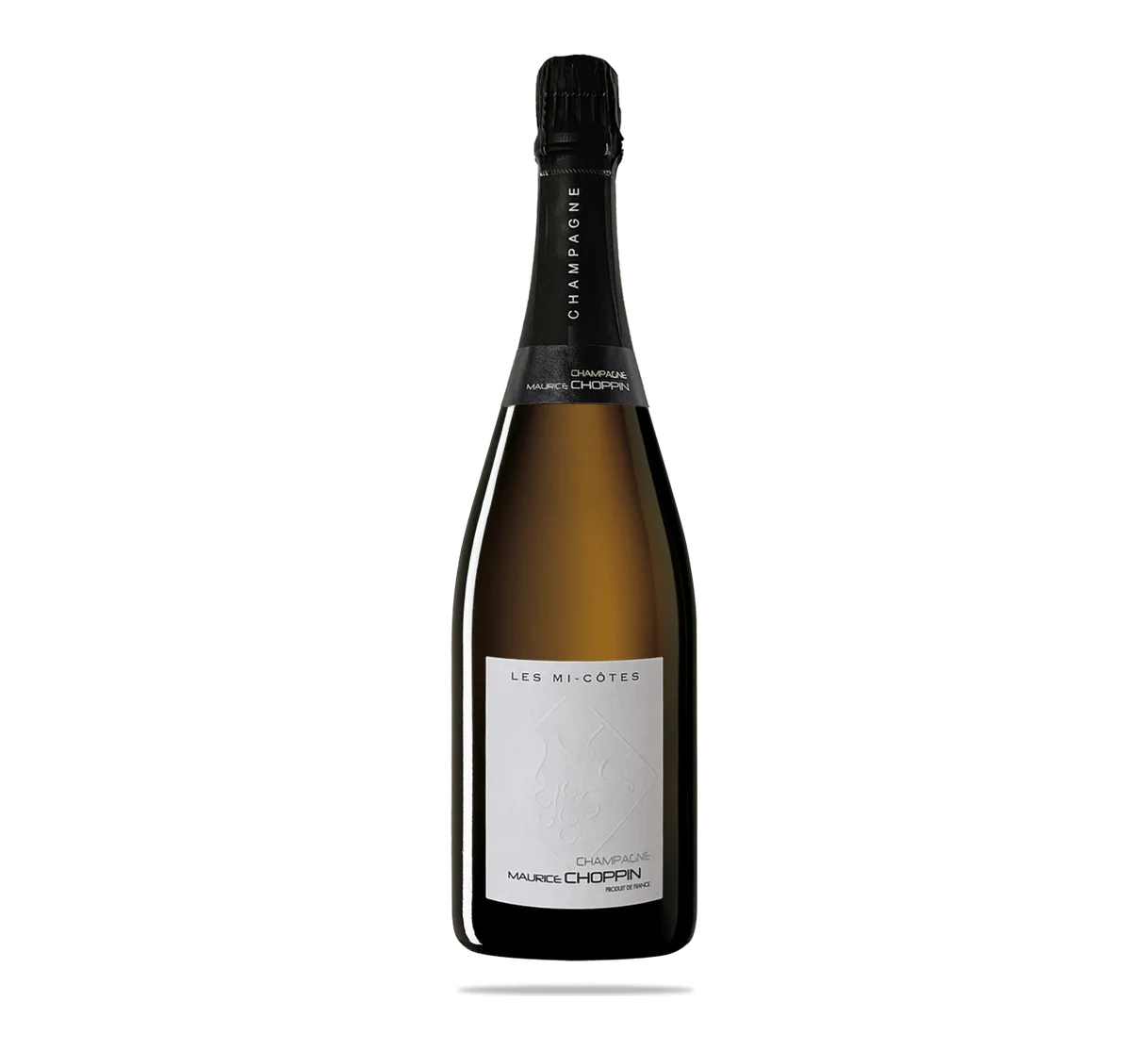
The grower-producer makes their champagne from their own grapes. Discover our selection of champagnes from independent winegrowers.
A ‘récoltant-manipulant’ (marked ‘RM’ on the label) is a winegrower who produces their champagne exclusively from grapes grown on their own vineyards, which they vinify and market under their own name. Unlike the major houses, which buy a large proportion of their grapes, the RM controls the entire process: the vineyard, pressing, blending and ageing in the cellar.
This approach results in cuvées with a strong identity, true to their terroir and family expertise — often produced in small quantities and unavailable in supermarkets. Many of these winegrowers practise organic farming and champion sustainable viticulture.
At Pépites en Champagne, we select these winemaker’s champagnes through tasting, for their character and authenticity. Discover our favourites amongst our ‘pépites’ and our full range of champagnes.
A ‘récoltant-manipulant’ (RM) champagne is produced by a winegrower using grapes from their own vineyards, which they vinify and sell under their own name. The letters ‘RM’ appear on the label. This is the quintessential winemaker’s champagne, in contrast to the major houses, which source some of their grapes from elsewhere.
The abbreviation indicates the origin of the grapes. ‘RM’ (récoltant-manipulant): the producer uses only their own grapes. ‘NM’ (négociant-manipulant): the producer may buy grapes or wines from others, as most of the major houses do. The RM designation guarantees 100 per cent in-house production, from vine to bottle.
Neither better nor worse: just different. A récoltant-manipulant’s champagne expresses a unique terroir and signature, produced in small quantities. A major house seeks a consistent style from one year to the next. The choice depends on what you prioritise: the authenticity of a winegrower or the consistency of a brand.