

Billecart-Salmon: Le Réserve, Le Rosé, Sous-Bois, Blanc de Blancs… which cuvée should you choose?
The essentials
The Réserve (€47.90) is the entry-level expression of the Billecart-Salmon style, light and precise; the Rosé (from €69.95) is the benchmark blended rosé, dominated by Chardonnay. The Sous-Bois emphasises its vinous character, the Blanc de Blancs showcases the chalk of Mesnil, and the Billecart François, Elisabeth Salmon and Clos Saint-Hilaire cuvées (€180 to €475) represent the house’s finest offerings.
- Why is Billecart-Salmon’s Rosé so renowned?
- Because it turns the usual recipe on its head: it is a blended rosé in which Chardonnay has the largest share (40 per cent on the 2022 harvest base), to which Pinot Noir and a small proportion of red wine contribute colour and fruit. The result is pale, fresh and precise — the ‘peach-coloured’ rosé that many have copied ever since.
- What does ‘Sous-Bois’ mean at Billecart-Salmon?
- Le Sous-Bois is the estate’s brut, vinified entirely in oak barrels. The oak does not impart a woody flavour but adds body: buttery brioche, dried fruit, caramel, and a more vinous texture than Le Réserve.
- How much does a bottle of Billecart-Salmon cost?
- €47.90 for Le Réserve, €58.25 for the Brut Nature, €69.95 to €73.90 for Le Rosé, Le Sous-Bois, the Vintages and the Blanc de Blancs, €175 to €190 for Louis Salmon, Billecart François and Elisabeth Salmon, €475 for the Clos Saint-Hilaire — prices recorded in our cellar in September 2026.
- What is cold clarification?
- A method borrowed from the brewing industry and adopted by the house in 1958: the musts are cooled to allow the particles to settle before undergoing slow fermentation at a low temperature. This is the key to the finesse and purity of the Billecart-Salmon style.
- Is Billecart-Salmon part of a large group?
- No. The Roland-Billecart family has held the majority since the house was founded in 1818; the Frey family group took a 45 per cent stake in 2005. It is now run by the seventh generation from Mareuil-sur-Aÿ.
A family-run house in Mareuil-sur-Aÿ since 1818, Billecart-Salmon is the benchmark for connoisseurs of finesse — and for its Rosé, the most imitated in Champagne. The Réserve, the Rosé, the Sous-Bois, Blanc de Blancs, vintage wines and prestige cuvées: our guide, cuvée by cuvée, with current prices.
6 min read
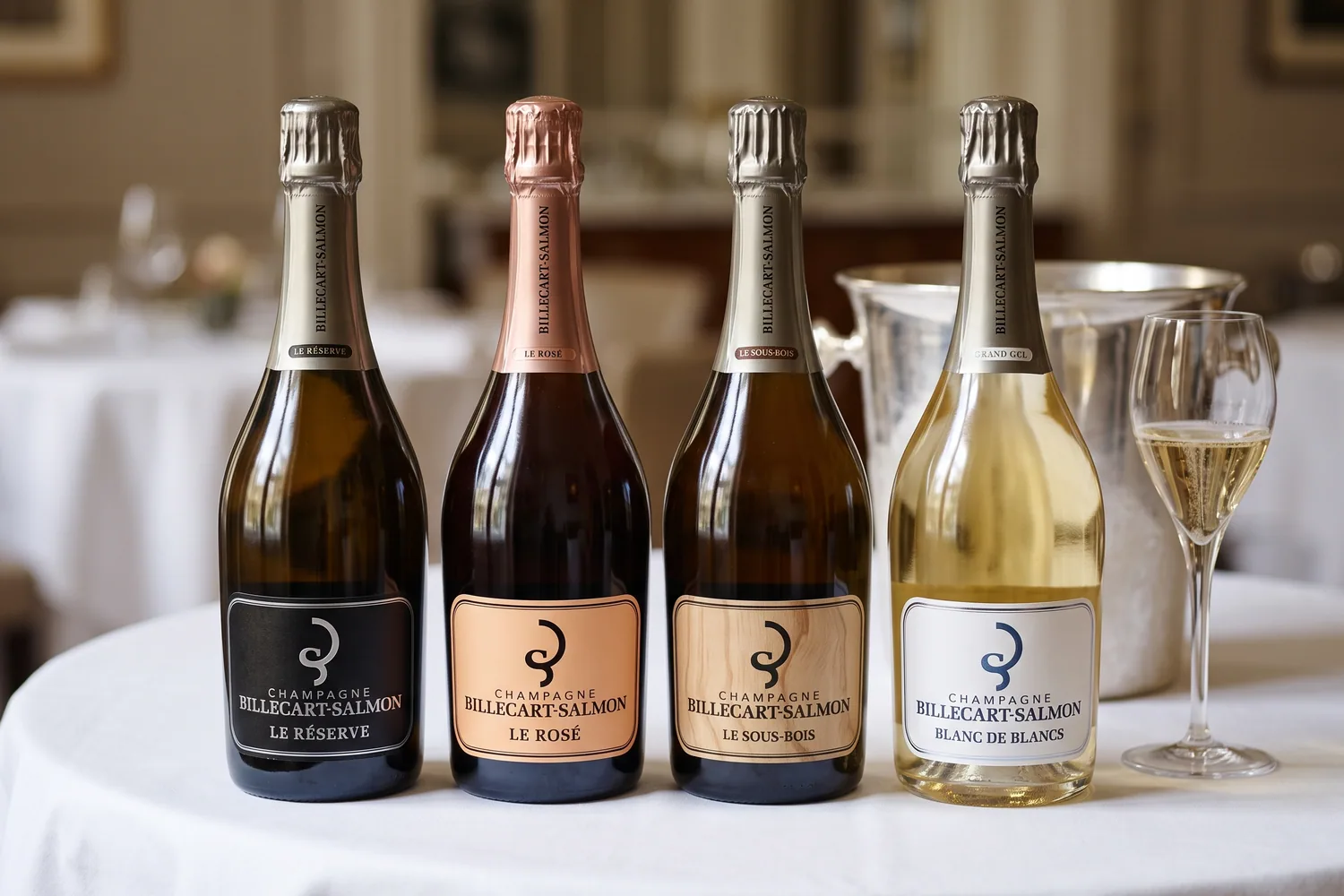
There are houses that impress, and houses that we love. Billecart-Salmon falls into the latter category: founded in 1818 in Mareuil-sur-Aÿ by Nicolas François Billecart and Elisabeth Salmon, it has remained a family-run business through seven generations, building its reputation on finesse rather than power. Its method — cold clarification of the musts and slow fermentation at low temperatures, adopted in 1958 — produces light, precise champagnes with a recognisable purity of fruit. This guide reviews the cuvées available in our cellar, along with their current prices.
The Billecart-Salmon range at a glance
- The Réserve — the non-vintage brut, made from three grape varieties, the entry-level expression of the house style.
- Brut Nature — the same finesse, without dosage.
- The Rosé — Champagne’s most famous blended rosé.
- Le Sous-Bois — the brut vinified in oak barrels.
- Blanc de Blancs — Chardonnay from the grands crus of the Côte des Blancs.
- Vintage — the vintage wines, predominantly Pinot Noir.
- Louis Salmon, Billecart François, Elisabeth Salmon, Clos Saint-Hilaire — the prestige cuvées.
The bottles in this article
The Réserve: an introduction to the style
Le Réserve blends the three Champagne grape varieties with reserve wines: pale gold in colour, with notes of white flowers, Williams pear and a hint of brioche; a crisp, fresh attack, followed by a silky mid-palate with hints of candied citrus. Everything that defines Billecart-Salmon is here, at €47.90; available in magnum size for a grand dinner party, at €99.55. The Brut Nature is the non-dosage version: fresh citrus, white flowers, chalky brioche, and a salty minerality for lovers of taut champagnes, at €58.25.
The Rosé: the benchmark
Billecart-Salmon’s Rosé is probably the most imitated rosé in Champagne. Its recipe defies convention: 40 per cent Chardonnay for finesse, Pinot Noir and a small proportion of red wine for colour and fruit. Pale peach colour, wild strawberry, raspberry, rose petal, a hint of brioche and a subtle chalky note; on the palate, liveliness takes precedence over richness. It is served as an aperitif or with fish or a red-berry dessert. €69.95 in a gift box, €71 without the box. To compare, browse our selection of rosé champagnes.
Le Sous-Bois: the vinous character of oak
Fully vinified in barrels, Le Sous-Bois does not smell of wood: it derives its fullness from it. Buttery brioche, dried fruit, candied citrus, caramel and toffee; a powerful yet refined palate. This is the Billecart-Salmon for meals featuring white meat and poultry, priced at €71.50.
Blanc de Blancs: the chalk of Mesnil
The Blanc de Blancs comes exclusively from the grands crus of the Côte des Blancs: white flowers, zesty lemon, grapefruit, fresh almond and the characteristic chalky notes of Mesnil, with a precise and briny palate. €73.90 per bottle, €172 for a magnum in a wooden box. The natural companion to oysters — read our article on Blanc de Blancs and seafood — and to our other Blanc de Blancs champagnes.
2013 and 2016 vintages: Pinot Noir from great years
The house’s vintage champagnes let the great Pinot Noirs take centre stage, complemented by Chardonnay. The 2013 Vintage, in extra-brut, offers notes of ripe apricot, brioche and limestone, with a liveliness that complements the richness of the Pinot; the 2016 Vintage is more sun-kissed, with notes of candied citrus and white peach. Both are priced at around €72.
The prestige cuvées
Louis Salmon Blanc de Blancs 2012
The 2012 Louis Salmon cuvée brings together the finest Grand Cru plots of the Côte des Blancs — Cramant for its minerality, Chouilly, Avize and Le Mesnil: candied lemon, white flowers, golden brioche, hazelnut, with a creamy yet taut texture. €174.95.
Billecart François 2008 and 2012
Created in 1964 as a tribute to the founder, the Billecart François cuvée blends Pinot Noir from Aÿ, Mareuil-sur-Aÿ and Verzenay with Chardonnay from Le Mesnil-sur-Oger, Chouilly and Avize. The 2008, a legendary vintage, offers notes of white fruit, toasted almond, frangipane and candied mandarin; whilst the 2012 offers notes of candied lemon, ripe peach, honeysuckle and beeswax. €180 each.
Elisabeth Salmon Brut Rosé 2009
The 2009 Elisabeth Salmon cuvée is the house’s prestige rosé: coppery in colour, with notes of ripe plum, vine peach, rose petals, sweet spices and marzipan, and a full-bodied, silky palate. A rosé for fine dining, priced at €190.
Le Clos Saint-Hilaire 2007
A single, contiguous one-hectare plot, made exclusively from Pinot Noir – a rare ‘blanc de noirs’ named after the patron saint of Mareuil-sur-Aÿ: the Clos Saint-Hilaire 2007 combines toasted almonds, kirsch, dried rose petals, pink grapefruit and nutmeg on a chalky framework. €475, for lovers of terroir-driven champagnes — see also our guide to Champagne’s ‘clos’.
Billecart-Salmon prices: what to expect
| Cuvée | Prices observed (including VAT, 75 cl unless otherwise stated) |
|---|---|
| The Réserve | €47.90 (magnum €99.55) |
| Brut Nature | €58.25 |
| The Rosé | €69.95 to €71 |
| Le Sous-Bois / Vintage 2013 and 2016 / Blanc de Blancs | €71.50 to €73.90 |
| Blanc de Blancs magnum in a wooden box | €172 |
| Louis Salmon 2012 / Billecart François 2008 and 2012 / Elisabeth Salmon 2009 | €174.95 to €190 |
| Le Clos Saint-Hilaire 2007 | €475 |
Prices recorded in our cellar in September 2026; they fluctuate as the house releases new vintages. For comparable quality, Billecart-Salmon remains one of the best-positioned great houses: the style of a prestige cuvée is already evident in Le Réserve.
Which Billecart-Salmon for which occasion?
- An aperitif or a party: Le Réserve.
- A rosé that’s universally loved: Le Rosé.
- Oysters or sashimi: the Blanc de Blancs or the Brut Nature.
- Poultry or veal: Le Sous-Bois or a Vintage.
- A gift for a connoisseur: Billecart François 2008 or Elisabeth Salmon 2009.
- For a collector: Le Clos Saint-Hilaire 2007.
Serving and storing Billecart-Salmon
The house’s finesse calls for the wine to be served chilled but not ice-cold: 8 to 10 °C for Le Réserve and Le Rosé, 10 to 12 °C for Le Sous-Bois, the vintage wines and the prestige cuvées, in a white wine glass. Non-vintage bruts should be enjoyed within three years; Billecart François, Elisabeth Salmon and Le Clos Saint-Hilaire can be kept for ten years or more. Our storage and serving advice provides further details. All available cuvées are listed on the Billecart-Salmon website.
The bottles in this article
À lire également
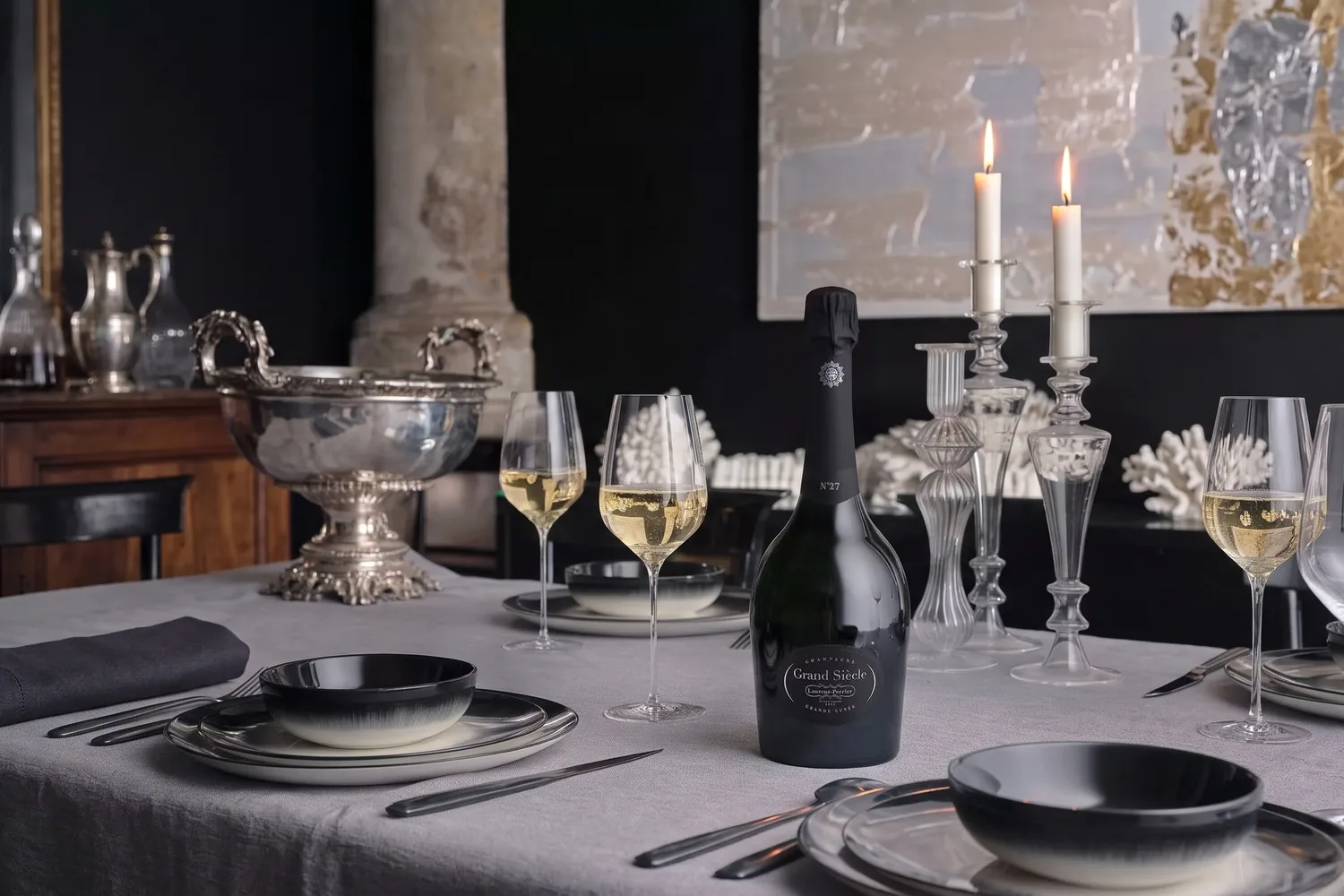
Why does the Grand Siècle cuvée embody the supreme art of Champagne blending?
The quest for excellence in the world of champagne finds a particular expression through Laurent-Perrier's Grand Siècle cuvée. Its uniqueness rests on the conviction that no single vintage alone brings together all the qualities sought in a great champagne. The art of blending thus makes it possible to combine several complementary years to achieve a balance between freshness, structure and complexity. This approach sets Grand Siècle apart from traditional millésimé cuvées and illustrates the expertise of the champagne house.
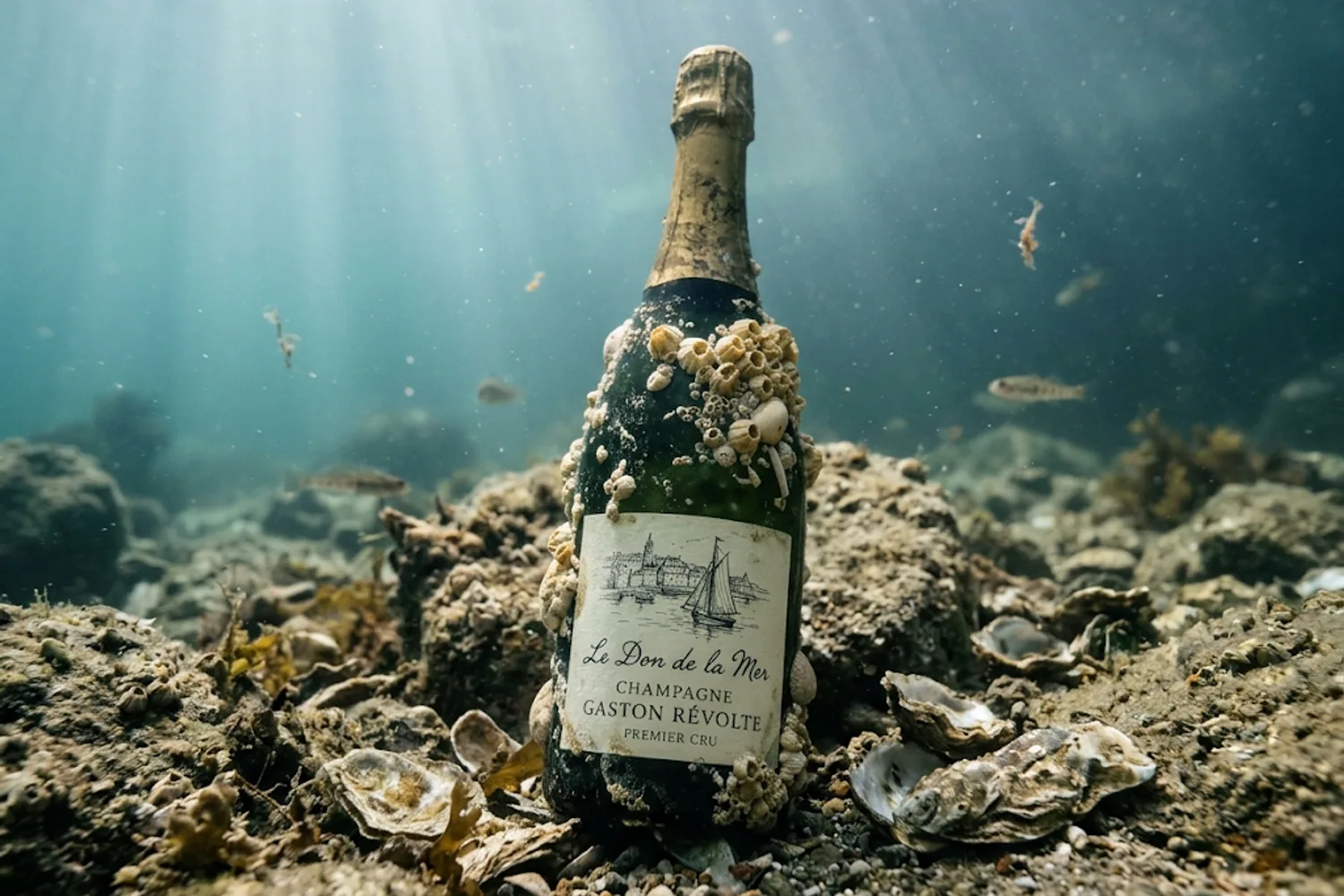
Gaston Révolte: which cuvée should you choose? From Brut Tradition to Don de la Mer, aged under the sea
In Avenay-Val-d'Or, the Gaston Révolte estate still works its vines with a plough and lets its wines rest on lees for anywhere from 24 to over 150 months. Its most astonishing cuvée then spends 12 to 18 months in the sea off Cancale and emerges covered in shellfish. Here is how to choose among the five cuvées in our cellar.
Private chef, exceptional cuisine designed for you
A gourmet meal at home, without spending the evening in the kitchen: how to book a private chef in Paris, create a tailor-made menu to suit your budget and choose quality products.
