

Champagne prices in 2026: our cellar's barometer, based on 268 cuvées
The essentials
Based on 268 cuvées in stock (75 cl, October 2026), the median price of a bottle of champagne is €71.80, and half of the cuvées cost between €51.90 and €148. A grower champagne costs a median of €55.80, while a champagne from a major house costs €88. Non-vintage brut from major houses starts at €35.80 (Ayala) and rarely exceeds €60. Millésimés have a median price of €119.90.
- What is the average price of a bottle of champagne in 2026?
- In our cellar, the median price of a 75 cl bottle is €71.80 (VAT included) in October 2026: half of the cuvées cost less, the other half more. Non-vintage brut from a major house most often costs between €36 and €60, while a grower champagne has a median price of €55.80.
- Why is rosé champagne more expensive?
- Rosé requires either the addition of red wine from Champagne, produced in small quantities, or a maceration of black grapes (rosé de saignée), which is more delicate to master. In our cellar, the median price of rosés is €81.50, compared to €71.80 across all cuvées.
- What is the cheapest champagne in the cellar?
- The Rosé de Courtois, at €21.50, followed by a handful of grower bruts under €30. Only seven cuvées are below the €30 mark; most of our selection is found between €30 and €80 (144 out of 268 cuvées).
- How much does a millésimé champagne cost?
- The median price of millésimés in our cellar is €119.90, with half of the cuvées priced between €82 and €258. The least expensive start around €42 from growers (René Rutat Millésime 2013), while the great prestige cuvées exceed €200.
How much does a bottle of champagne really cost in 2026? We reviewed the 268 cuvées in stock in our cellar: median price, differences between major houses and winegrowers, price by style, and loss-leader prices from major brands.
5 min read
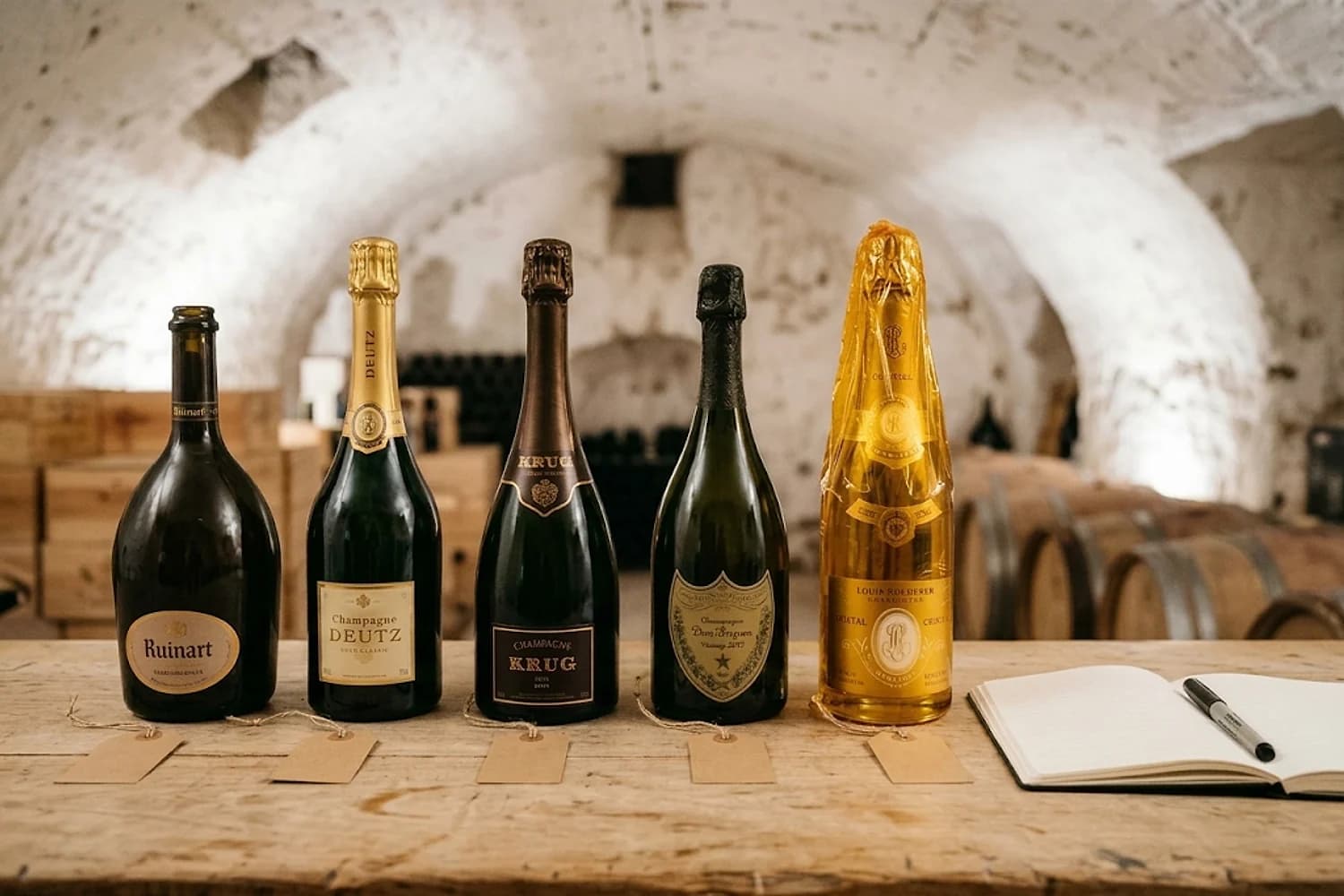
How much does a bottle of champagne cost in 2026? Answers vary wildly, and the published figures often mix supermarkets, wine merchants and launch prices. So we did the maths on our own catalogue: 268 cuvées in stock as of 21 October 2026, all in 75cl bottles, prices including VAT, excluding gift boxes, large formats and half bottles. Here is what the figures show, and what they mean when it comes to choosing.
The key figures
- Median price: €71.80 — half of the cuvées cost less, the other half more.
- The middle half of the cuvées falls between €51.90 and €148.
- Cheapest champagne: €21.50 (Rosé de Courtois, grower-producer).
- Grower or large house: €55.80 median for growers, €88 for houses.
- Non-vintage brut from the large houses: from €35.80 to €59.
We refer to the median rather than the average: a few prestige cuvées costing several hundred euros pull the average upward without reflecting what most buyers actually pay.
The bottles in this article
How many cuvées in each price range?
| Price incl. VAT (75cl) | Number of cuvées | Share |
|---|---|---|
| Under €30 | 7 | 3% |
| €30 to €50 | 58 | 22% |
| €50 to €80 | 86 | 32% |
| €80 to €150 | 52 | 19% |
| €150 to €300 | 39 | 15% |
| Over €300 | 26 | 10% |
A champagne under €30 remains the exception. The heart of the range sits between €30 and €80: more than half of all cuvées. This is also the range offering the widest choice and where most of the best value-for-money bottles can be found — our selection of good champagnes under €40 gives around twenty examples.
Grower or large house: a €32 gap in the median
Of our 268 cuvées, 101 come from grower-producers, who make their champagne from grapes grown on their own vines, and 167 from houses. The median is €55.80 for growers compared with €88 for houses. The gap is not a matter of quality: houses carry brand, distribution and prestige-cuvée costs that family estates do not. For growers, half of the cuvées cost between €39 and €87; for houses, between €59.95 and €199.92.
Price by style
| Style | Cuvées | Median price | Cheapest |
|---|---|---|---|
| Blanc de noirs | 17 | €59.40 | Néret-Vély Ôde à la Vie, €32.05 |
| Blanc de blancs | 44 | €75.47 | René Rutat Blanc de Blancs, €28.50 |
| Bio | 34 | €79.75 | René Rutat Blanc de Blancs, €28.50 |
| Rosé | 39 | €81.50 | Courtois Rosé, €21.50 |
| Millésimé | 73 | €119.90 | René Rutat Millésime 2013, €42 |
Blanc de noirs is the most affordable style: it is mainly the domain of growers from the Montagne de Reims and the Vallée de la Marne. Rosé costs more, as it requires red wine from Champagne or a delicate maceration process. Millésimé, made from a single year and aged for longer, is logically the most expensive: its median exceeds €100.
The large houses' entry-level price
The non-vintage brut is each house's signature cuvée, the one that defines its style. In our cellar, it ranges between €36 and €60:
| Cuvée | Price incl. VAT |
|---|---|
| Ayala Brut Majeur | €35.80 |
| Delamotte Brut | €37.50 |
| Moët & Chandon Brut Impérial | €40 |
| Laurent-Perrier La Cuvée | €40.50 |
| Gosset Grande Réserve | €44.35 |
| Pol Roger Brut Réserve | €44.90 |
| Veuve Clicquot Brut | €46.50 |
| Billecart-Salmon Le Réserve | €47.90 |
| Deutz Brut Classic | €48.90 |
| Bruno Paillard Première Cuvée | €48.95 |
| Bollinger Spécial Cuvée | €56 |
| Louis Roederer Collection 245 | €58.90 |
| Ruinart R de Ruinart | €59 |
Less than €25 separates the cheapest brut from the most expensive: at this level, the price difference mainly reflects the house's style and the proportion of reserve wines used, rather than a difference in quality.
Why such price differences?
Five factors explain most of the difference between a €30 champagne and a €300 one: ageing time in the cellar (a minimum of fifteen months for a non-vintage brut, often five to ten years for a prestige cuvée), the proportion of reserve wines, the origin of the grapes (grand cru, premier cru), rarity (vintage, small batches) and brand reputation. We detail these reasons in our article why champagne costs more than wine, and our guide how to buy champagne at the right price gives you the benchmarks to pay a fair price. At the very top, the rarest cuvées reach eye-watering sums: see the 10 most expensive champagnes in the world.
How much to spend, depending on the occasion?
Aperitif or a large gathering: a grower's brut between €25 and €40, or a large house's brut around €40. Dinner: a blanc de blancs or a blanc de noirs between €50 and €80. Gift: a millésimé or a prestige cuvée from €100 upward. Wedding or celebration: a brut in magnum, for extra festivity. For a choice guided by budget and style, see our selection of the best champagne 2026, or browse all our champagne cuvées.
Methodology and reuse of these figures
Figures calculated on 21 October 2026 from the 268 cuvées in stock at Pépites en Champagne, in 75cl bottles, prices including VAT as displayed in store, excluding gift boxes, large formats, half bottles and accessories. The categories (grower-producer, style, bio, millésimé) are those used in our catalogue. These figures may be freely reused, provided Pépites en Champagne is credited with a link to this page. The barometer will be updated every year.
The bottles in this article
À lire également
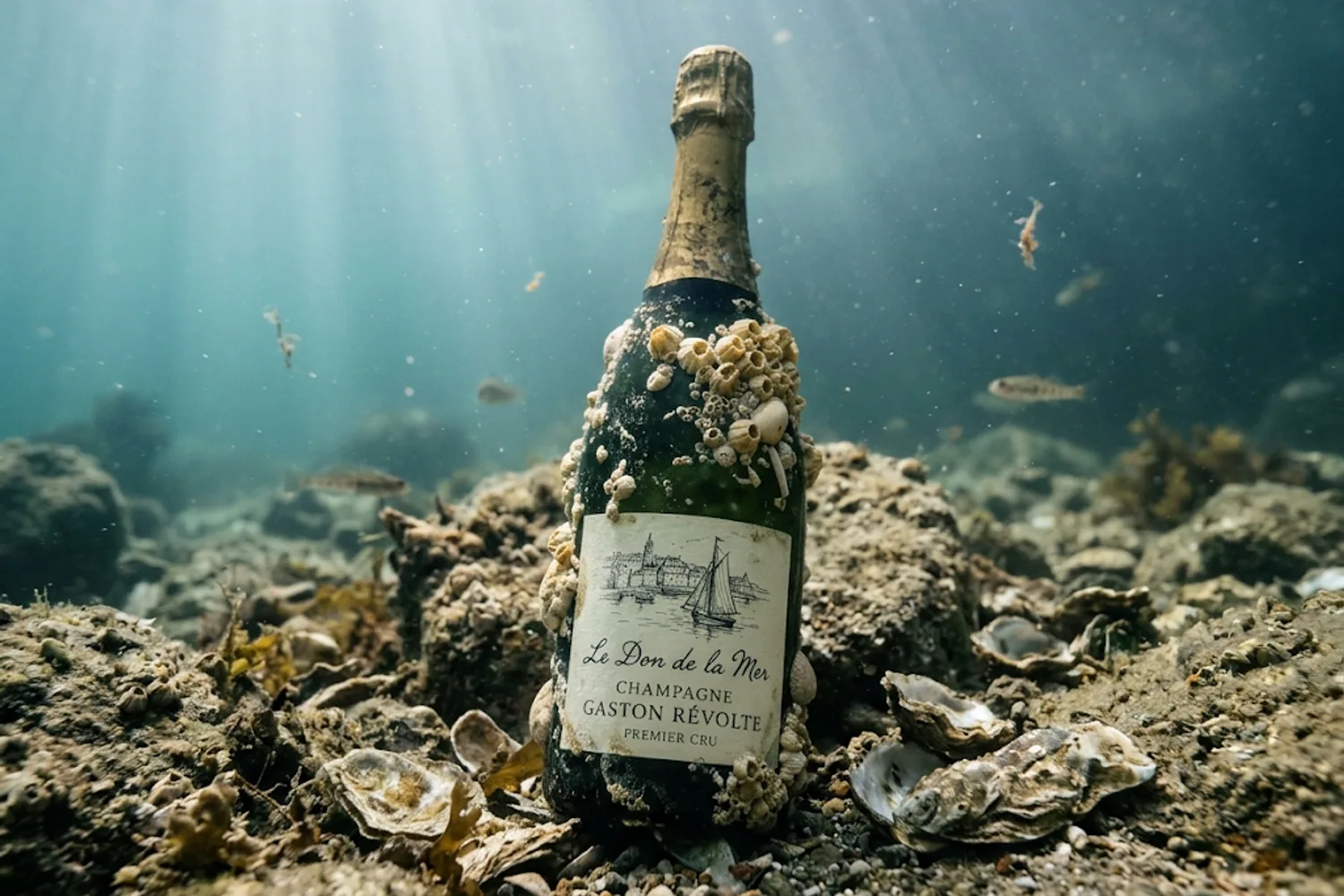
Gaston Révolte: which cuvée should you choose? From Brut Tradition to Don de la Mer, aged under the sea
In Avenay-Val-d'Or, the Gaston Révolte estate still works its vines with a plough and lets its wines rest on lees for anywhere from 24 to over 150 months. Its most astonishing cuvée then spends 12 to 18 months in the sea off Cancale and emerges covered in shellfish. Here is how to choose among the five cuvées in our cellar.
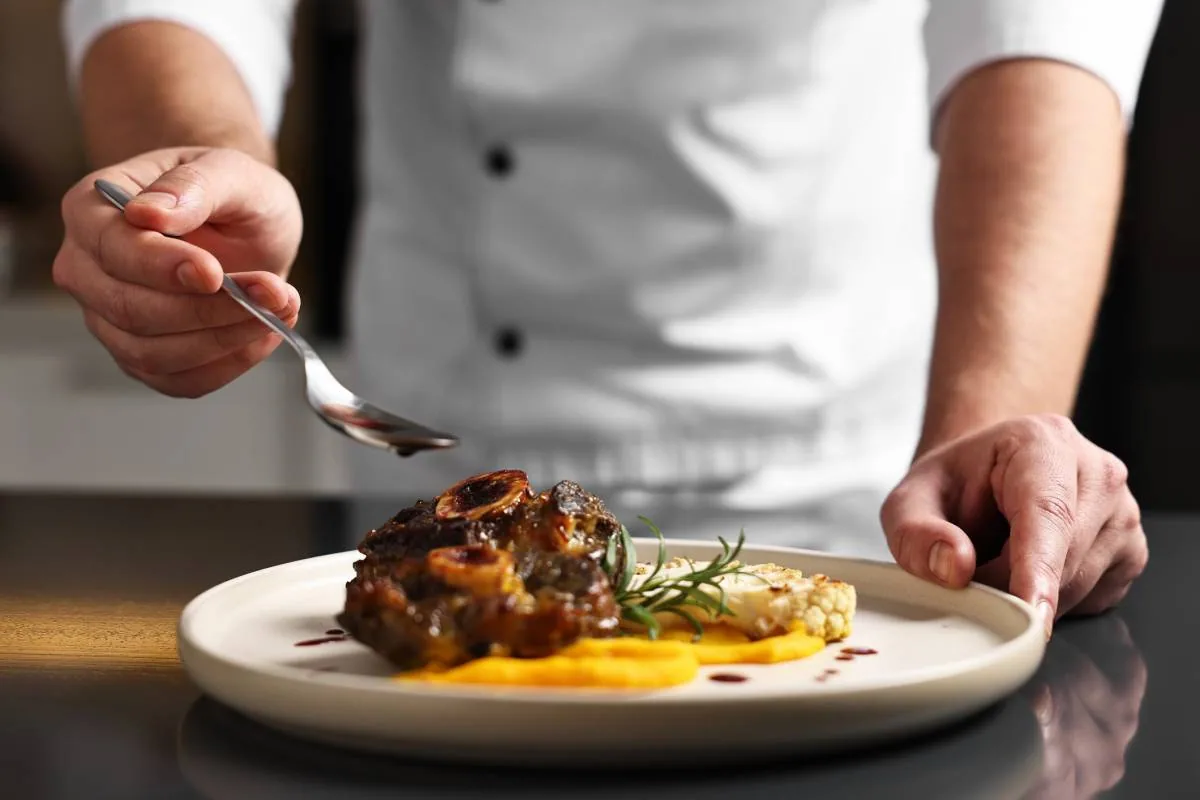
Private chef, exceptional cuisine designed for you
A gourmet meal at home, without spending the evening in the kitchen: how to book a private chef in Paris, create a tailor-made menu to suit your budget and choose quality products.
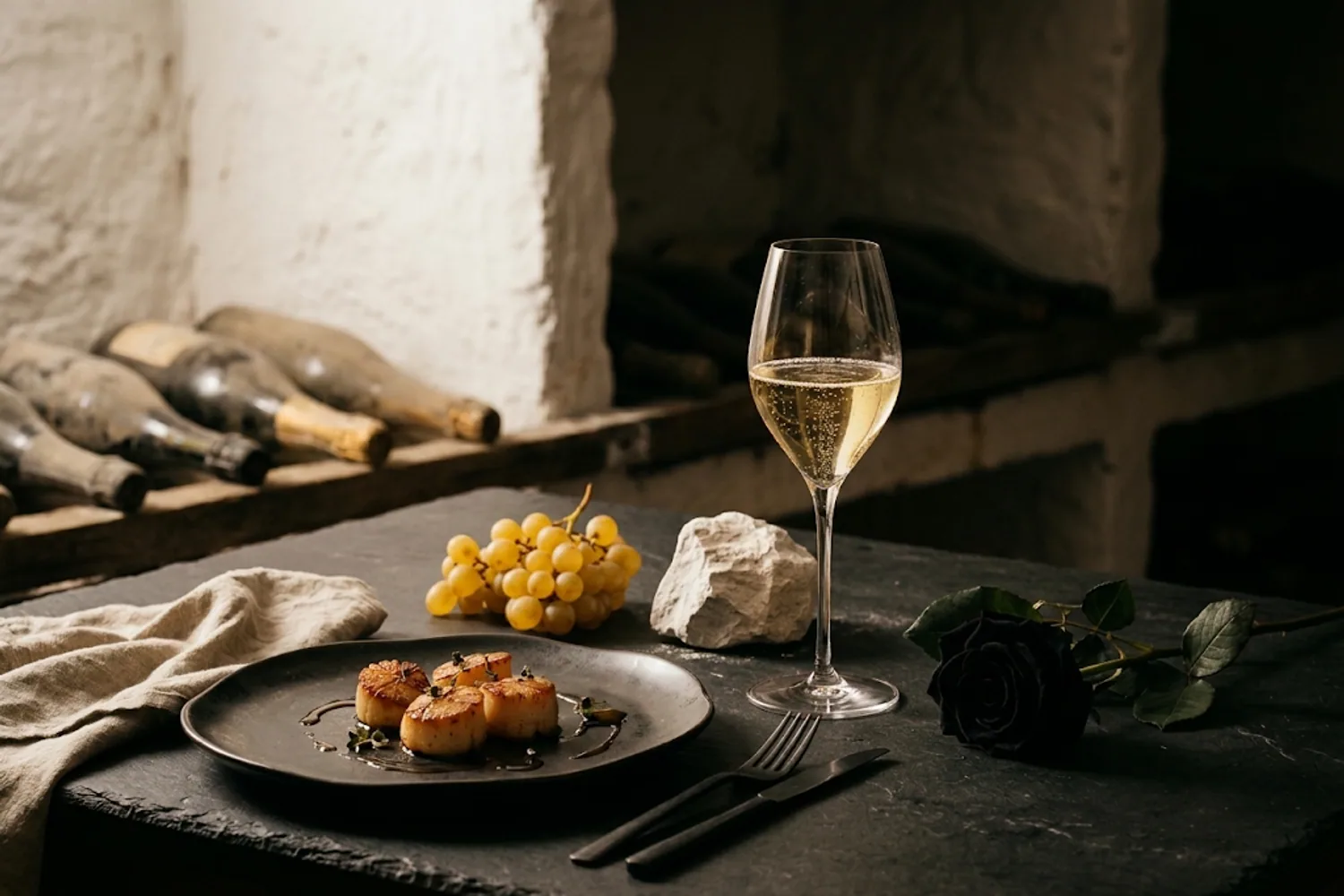
Champagne Henriot : le chardonnay de gastronomie à travers la cuvée Rose Noire
En Champagne, le chardonnay incarne la pureté, la tension saline et l’élégance minérale. Chez Champagne Henriot, ce cépage blanc d’élite constitue la colonne vertébrale du style de la Maison, portée par les grands crus de la Côte des Blancs. Si le Blanc de Blancs classique de la gamme illustre la vivacité crayeuse des terroirs d'Avize ou de Chouilly, une cuvée plus confidentielle attire le regard des connaisseurs : la cuvée Rose Noire Pur Chardonnay.
