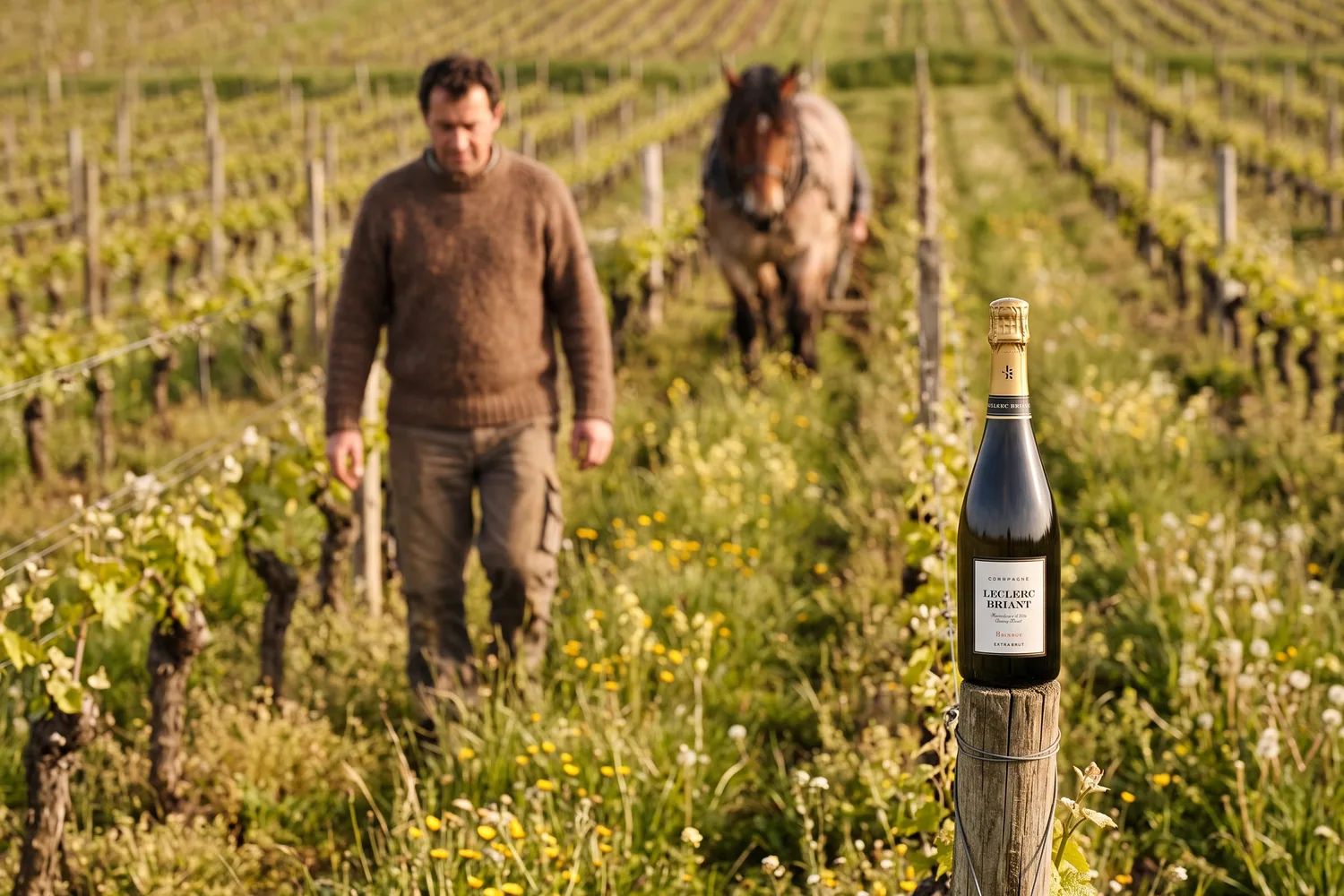
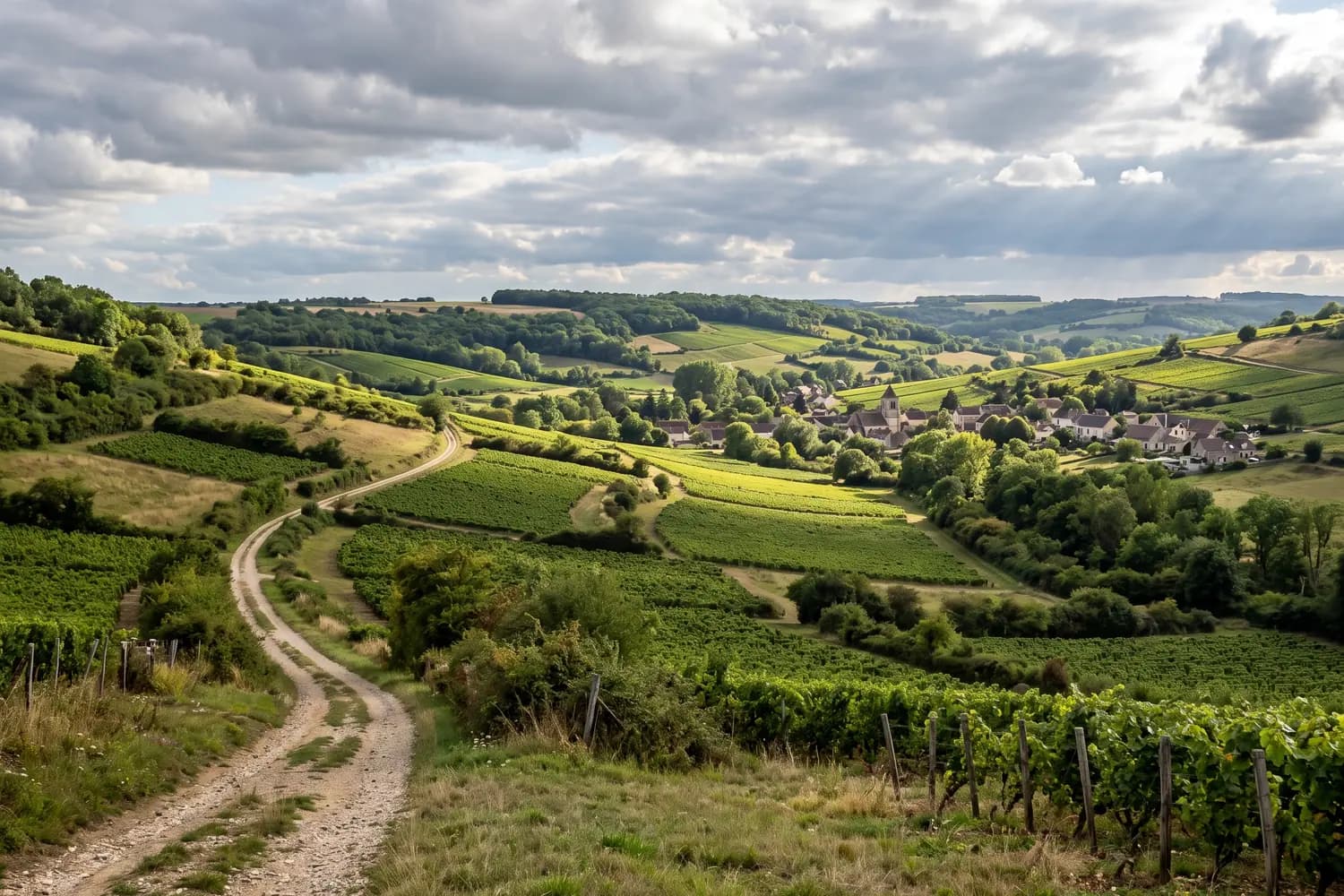
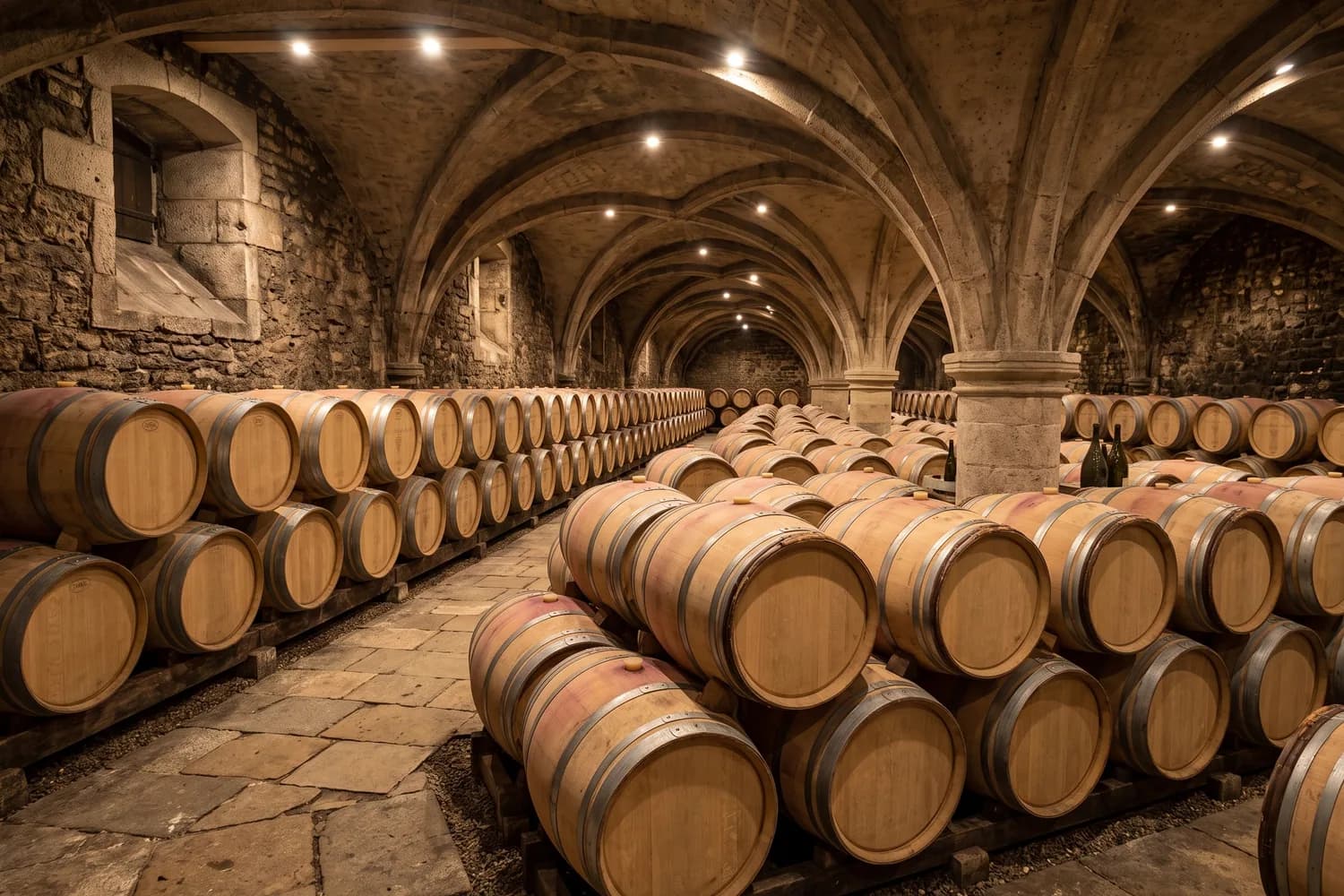
Twenty years ago, the phrase ‘organic champagne’ would have raised a smile: the Champagne region, with its damp, northerly climate, was one of the most heavily treated in France. Today, it is one of the region’s most vibrant sectors. A handful of pioneers — Fleury as early as 1989, Léclapart in 1998, Leclerc Briant, Larmandier-Bernier, De Sousa and Françoise Bedel — have shown that it is possible to produce purer, more complex champagnes without the use of chemicals; the major houses are following suit, albeit slowly. Here’s what these terms mean, how they change the taste in the glass, and the thirty certified cuvées available in our organic champagne category, listed by price.
Organic, biodynamic: what it means
An organic champagne is made from grapes grown without pesticides, herbicides or synthetic fertilisers, certified as organic (AB logo, European leaf symbol) after a three-year conversion period; in the cellar, sulphur use is limited and no synthetic additives are used. Biodynamics builds on this, adding natural preparations, the lunar calendar and a view of the estate as a living organism — certified by Demeter or Biodyvin. In the glass, the effect is indirect but distinct: the winemakers who make this choice are those who work the soil, reduce yields, harvest when the grapes are fully ripe and use minimal dosage. You’re tasting the terroir. To spot the logos, see our article on how to read a label; to understand why these cuvées are almost all ‘vignerons’ champagnes, whether from a ‘grande maison’ or an independent grower.
Under €45: entry-level organic champagnes
The René Rutat Blanc de Blancs (€28.50), from Vertus, is our cheapest organic champagne and a genuine Blanc de Blancs from the Côte des Blancs; its Rosé Brut (€35) is coloured with a red Coteaux Champenois from the estate. The Leclerc Briant Réserve Extra Brut (€40.50) is a blend from the pioneering biodynamic house in Épernay: notes of pastries, marzipan and spices, with a vibrancy rarely found at this price – it features in our list of good value champagnes. The Michel Rutat Lignum (€42.30), a barrel-aged Chardonnay from Vertus, offers notes of hawthorn, candied citrus and chalk. The De Sousa Rosé (€42.90) is the entry-level wine from Avize, made from 90 per cent Chardonnay.
From €45 to €70: the heart of the selection
At De Sousa, in Avize, the Réserve (€46) is a grand cru Chardonnay vinified in tanks for purity — white flowers, peach, pear — whilst the Blanc de Noirs (€54.90) is the estate’s exceptional Pinot Noir, from Bouzy and Tours-sur-Marne. At Leclerc Briant, the light and airy Rosé Extra Brut (€51.90), the 2019 Vintage (€63.75) and the more full-bodied Rosé de Saignée (€69.95). At Françoise Bedel, in Crouttes-sur-Marne, the biodynamic Meunier: ‘Origin’elle’ (€51.95), with its roundness and freshness, Dis, Vin Secret (€60.95) and Entre Ciel & Terre (€66.10), a true terroir wine that pairs well with an entire meal. The Michel Rutat Rosé de Saignée (€53.40) is a macerated Pinot Noir from Vertus. At Larmandier-Bernier in Vertus, a global benchmark for biodynamics, ‘Latitude’ (€57.50) is the entry-level blanc de blancs: full-bodied, ripe and brioche-like. Finally, Philippe Lancelot’s Les Hauts d’Épernay 2018 (€60), from Cramant, with notes of white flowers and vine peach.
From €70 to €100: cuvées from leading winemakers
De Sousa’s Cuvée des Caudalies (€71.90) is a blanc de blancs from old vines, aged entirely in barrels – one of Avize’s great Chardonnays. David Léclapart L’Amateur LV22 (€77.50), from Trépail, Demeter-certified since 1998, vinified without additives in small vats: the very essence of purity. Leclerc Briant Blanc de Blancs 2018 (€82), Philippe Lancelot Fine Fleur 2016 (€87), and two curiosities from Fleury, Champagne’s first biodynamic house (1989), in the Aube department: Variation (€92), a Pinot Gris — an extremely rare grape variety in Champagne — vinified without sulphur, and Boléro 2008 Extra Brut (€98), a great vintage. The Larmandier-Bernier Rosé de Saignée (€95.10) is a macerated blanc de noirs, one of the most sought-after rosés from the Côte des Blancs.
Over €100: the grand cuvées
Leclerc Briant Blanc de Meuniers 2016 (€130) demonstrates what the long-scorned Meunier grape can achieve under biodynamic practices: pure, precise and vibrant. Jestin Extra Brut 2010 (€139.95) is a signature cuvée: Hervé Jestin, former cellar master at Duval-Leroy, blends organic grapes from three leading winegrowers — Léclapart, Georges Laval and Benoît Lahaye. Larmandier-Bernier Les Chemins d’Avize (€146.80) is the Avize grand cru in its purest form. Françoise Bedel Jouvence 2012 (€156.50): velvety and delicate. Leclerc Briant Abyss 2018 Brut Nature (€174.90) has aged underwater, several tens of metres deep, far from light and temperature fluctuations — a bottle for the cellar. David Léclapart L’Apôtre LV20 (€179.30) is one of Champagne’s cult cuvées; and Jestin Clos de Cumières 2013 (€234.50) comes from one of the appellation’s oldest vineyards, a 0.54-hectare plot surrounded by walls.
Which organic champagne for which occasion?
Aperitif: René Rutat Blanc de Blancs, Larmandier-Bernier Latitude, Léclapart L’Amateur. Meal: Bedel Entre Ciel & Terre, De Sousa Blanc de Noirs, Leclerc Briant Rosé de Saignée — see also our organic Christmas menu and its pairings. A gift for someone who ‘only drinks organic’: Fleury Variation for its intrigue, Abyss 2018 for its history. Cellar: Les Chemins d’Avize, L’Apôtre, Clos de Cumières — ten years without a hitch. All our independent winemakers and our finest producer champagnes round out the list; amongst the major houses, Henri Giraud was the first to be tested as pesticide-residue-free.
Serving and ageing
Organic champagnes, which often have low dosage and low sulphur content, are best served slightly less chilled — 9 to 10 °C — in a white wine glass, and benefit from being opened a quarter of an hour beforehand. They are more sensitive to light and heat: store in a dark cellar at 10 to 12 °C, with bottles laid on their sides. The prices shown are those recorded in our cellar at the date of publication; several cuvées are available in limited quantities.