

A. Bergère
Origine Brut
30,00 €
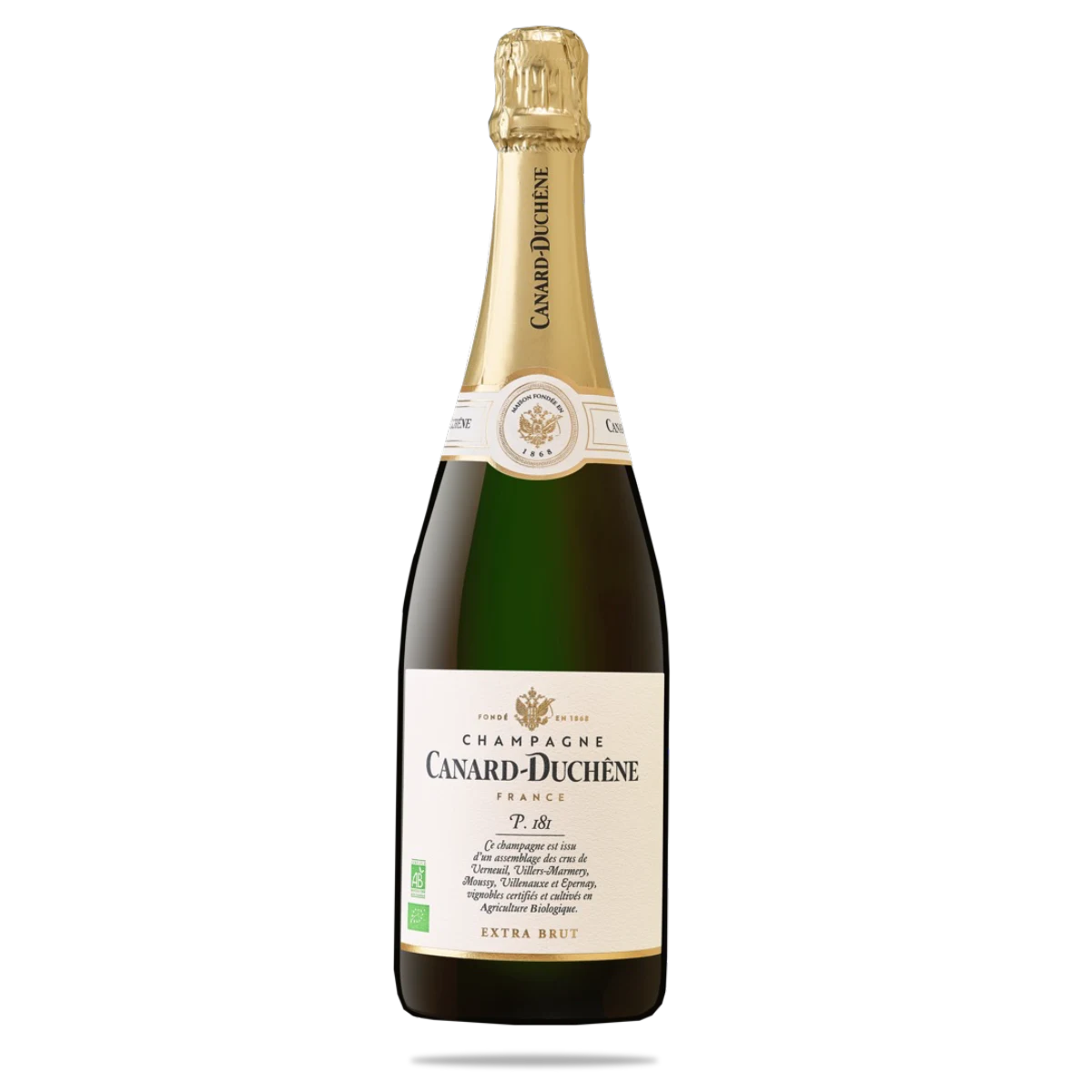
Which champagne for an aperitif? Brut, extra-brut, blanc de blancs or rosé: our tips for starting your meal with the perfect sparkling wine.
The perfect moment for bubbles, the aperitif calls for a fresh, lively and thirst-quenching champagne that whets the appetite without overwhelming the palate. Opt for crisp, lightly dosed styles: a convivial brut, an extra-brut or brut nature for a more austere profile, or a blanc de blancs full of finesse and citrus notes.
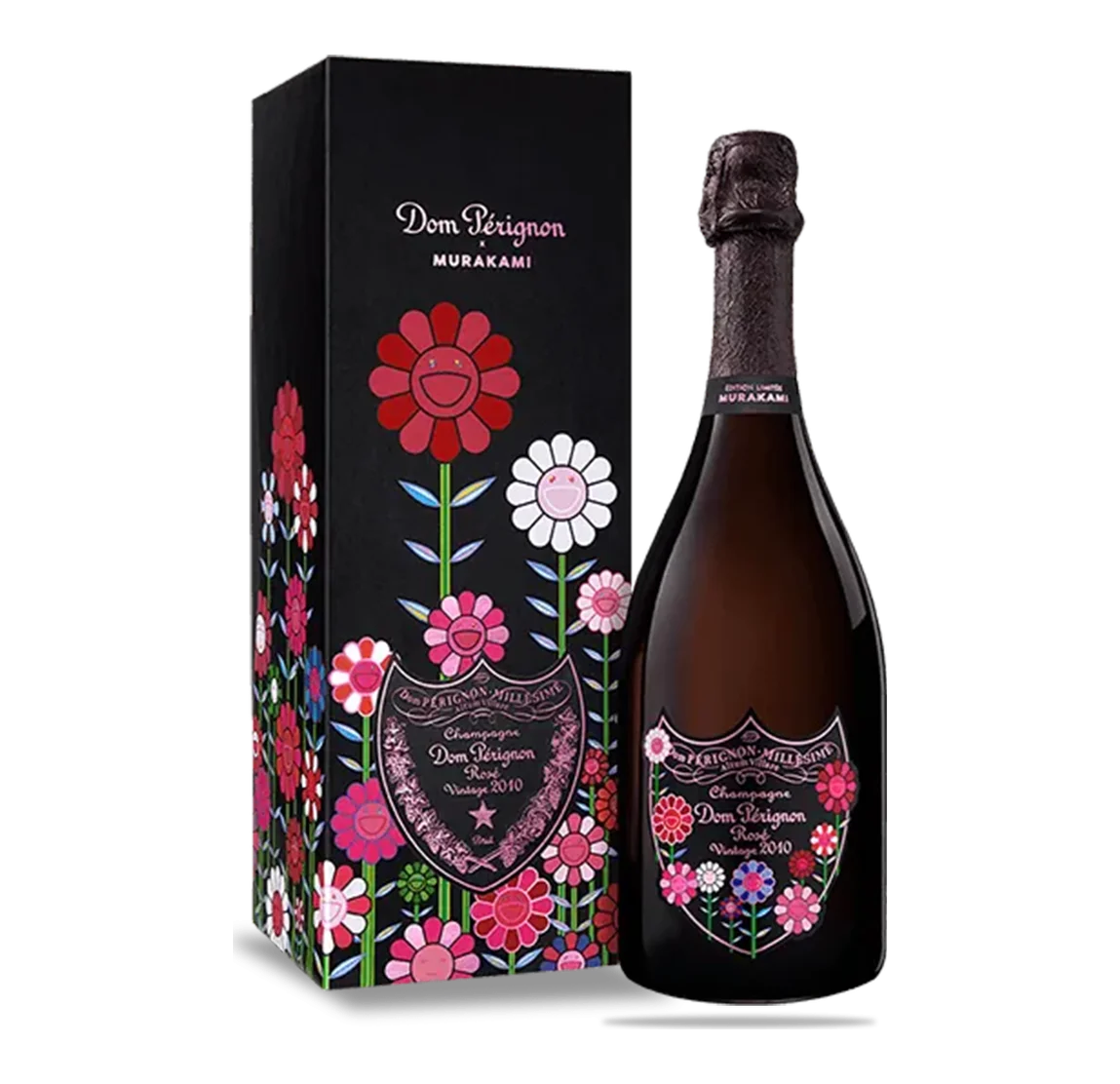
For a more indulgent aperitif, a rosé champagne with red fruit aromas pairs beautifully with fine charcuterie and appetisers. Serve it well chilled, between 8 and 10 °C, in a glass large enough to allow the aromas to develop.
Discover our selection of aperitif champagnes and extend the pairing throughout the meal with our food and champagne pairings, featuring our full range of champagnes.
For an aperitif, choose a fresh champagne with low dosage: a classic brut, an extra-brut or a delicate blanc de blancs. These lively cuvées whet the appetite without overwhelming the palate. A rosé is ideal for a more indulgent aperitif.
Serve champagne as an aperitif well chilled, between 8 and 10 °C. Place the bottle in the fridge for 3 to 4 hours, or in an ice bucket filled with water and ice for 20 to 30 minutes. Avoid the freezer, as this destroys the aromas.
Both are suitable. Brut, with a slight dosage, is more universally appealing and rich. Extra-brut (less than 6 g of sugar per litre) is drier and more crisp, ideal for those who prefer a lively flavour and seafood canapés. Brut nature contains no added sugar.