🥂 It's time to treat yourself ! 50 discount for purchases of €500 or more, and €125 for purchases of €1,000 or more (excluding shipping costs).

 Cart (0) Cart (0)
 Filter by
Filters:
There are 108 products.
Showing 49-96 of 108 item(s)





Victim of its own Success
Cordeuil Père & Fille Millésime 2015 Bio (EN)
€37.20


Victim of its own Success
Taittinger Comtes de Champagne 2012 (EN)
€185.10



Victim of its own Success
Taittinger Comtes de Champagne Rosé 2009 (EN)
€244.90


Victim of its own Success
Frerejean Frères Cuvée des Hussards 2012 (EN)
€189.00


Victim of its own Success
Louis Roederer Vintage Rosé 2016 (EN)
€81.50

Victim of its own Success
Dom Pérignon Plénitude P2 Vintage 2003 (EN)
€490.00

Victim of its own Success
Taittinger Comtes de Champagne Rosé 2011 (EN)
€280.00

Victim of its own Success
Philipponnat Sublime Réserve Sec (EN)
€56.80

Victim of its own Success
Deutz William Deutz Millésimé Magnum (EN)
€418.00

Victim of its own Success
Dom Pérignon Vintage 2010 Magnum (EN)
€645.00


Victim of its own Success
Dom Pérignon Vintage 2013 with box (EN)
€240.00
How to choose a vintage Champagne
Over 80% of Champagne production is non-millesimé. The amount of reserve wine included in the blend depends on the style of the House. A fresh, cheerful wine like Taittinger may incorporate barely a tenth of reserve wine, while a juice with the richness of a Krug may draw on several vintages, and only half of the recent harvest. Other champagnes are made from a single year's juice, and are not destined to improve over time. This is not to say that they won't if the quality is there, and the bottles are stored away from light at a constant temperature of 10-15°C. After one or two years, however, improvements remain negligible, until eventually the freshness wears off.
Vintage champagne, on the other hand, improves with age, especially if aged for at least three or four years on lees before disgorging. Lovers of aromas of toast, cookie and unique flavors will have to wait a decade or so after the harvest. Vintages are supposed to mark an exceptional year, a principle that not all producers respect, since some offer a vintage almost every year.
The great blenders are seeing increasing demand for prestige cuvées. With the best vintages from the best vineyards, the cellar master strives to assemble the most elegant expression possible. Customers demand the best, and they can afford it, even if the market has changed a great deal since the Russian tsars enjoyed Louis Roederer in lead crystal bottles at the imperial court. While some champagne houses are concentrating their efforts on these cuvées, those that have persisted with vintage champagnes are beginning to see their efforts rewarded.
Champagne is almost always the fruit of a blend of several grape varieties (crus and cuvées are also part of the blend). Only the Blanc de Blancs, very elegant, lively and fresh, with lemony notes, is made exclusively from Chardonnay. Blanc de noirs (black grapes) is rounder, with a nose of cooked apples and spices, for example, and sometimes a deeper, almost golden color, but not rosé. For rosé, turn to champagne rosé, generally blended with a little red wine. In Europe, all still rosés, from Puglia to Provence, are made by skin maceration before pressing. Californians simply blend red and white wine to obtain a soft, pale pink color: a technique that seems to give good, even excellent results. On the other hand, some Champagne grower-manipulators opt for pellicular maceration, even though it is more difficult to control the tannins.
Characteristics of the Champagne appellation
Champagne is the world's best-known sparkling white wine. Its development is attributed to Dom Pérignonin the 17th century. In recent years, rosé champagnes have become increasingly popular, and their consumption has expanded enormously. All the major champagne brands now offer a basic wine called "Brut Sans Année", which reflects the style of the cellar. Vintage wines from different grape varieties and parcels are blended together, and can also complement wines from previous vintages, known as "vins de réserve". You'll also find vintage champagne, a blend of different grape varieties, which may come from parcels classified as Premier or Grand Cru, but only in the year of harvest! On the champagne label, you'll see: blanc de blancs, which simply means that the champagne is made from the white grape variety, the white juice of white grapes. Alternatively, but rarely mentioned, champagne is black, i.e. white juice from black grapes!
Champagne brut sans année, with its beautiful straw-gold and golden reflections, fine champagne bubbles and dense, creamy, persistent mousse. The nose reveals subtle fruity aromas of apples, peaches and apricots, propelled by carbon dioxide, followed by citrus fruit, toast and flowers. On the palate, the champagne is thick and full-bodied, with well-integrated bubbles and fine, lively bubbles. Serve at 8°C. The coolest drink is champagne, which is excellent as an aperitif because it really opens the appetite and is a festive wine. It can be cellared for up to 5 years.

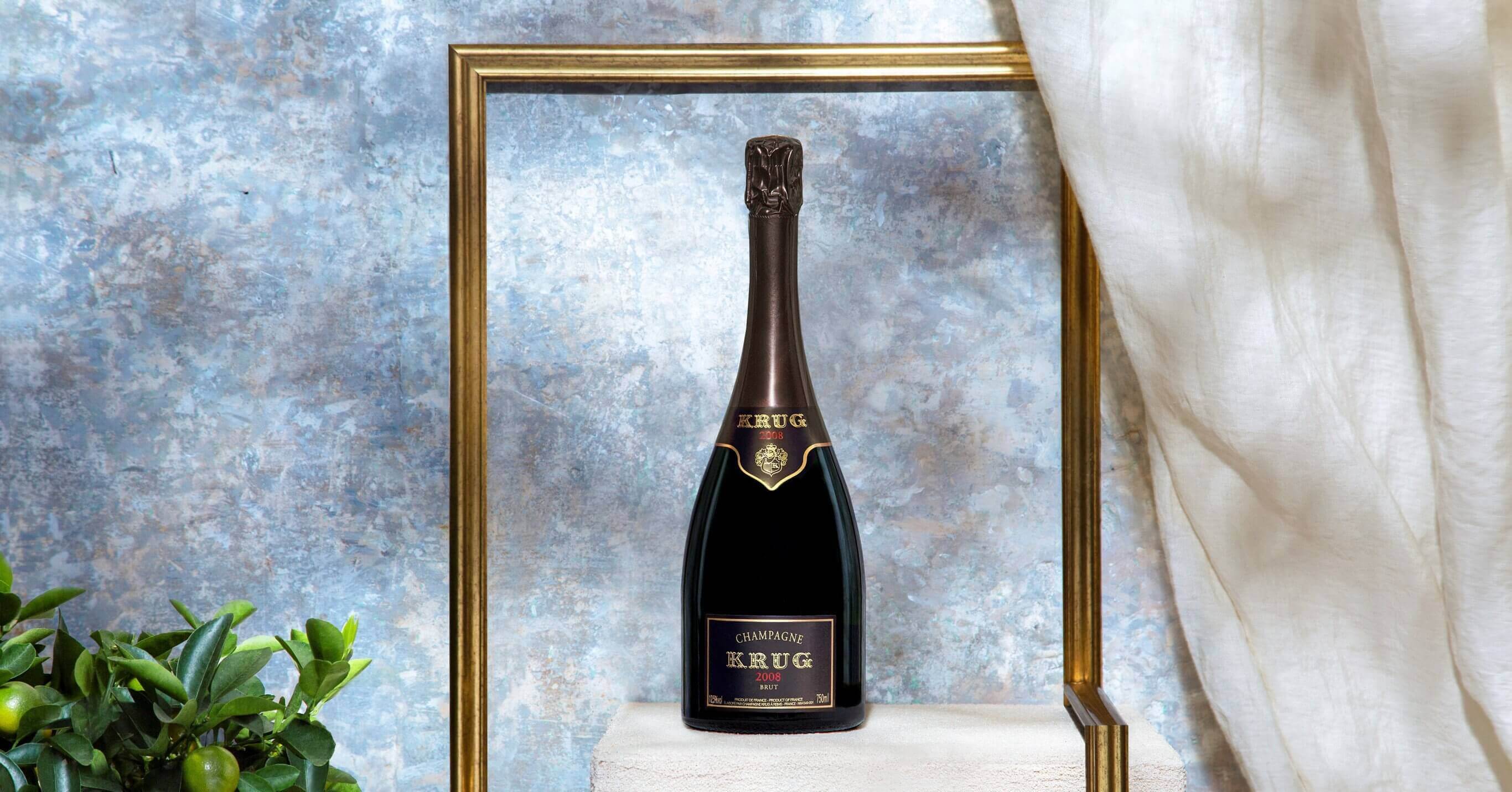
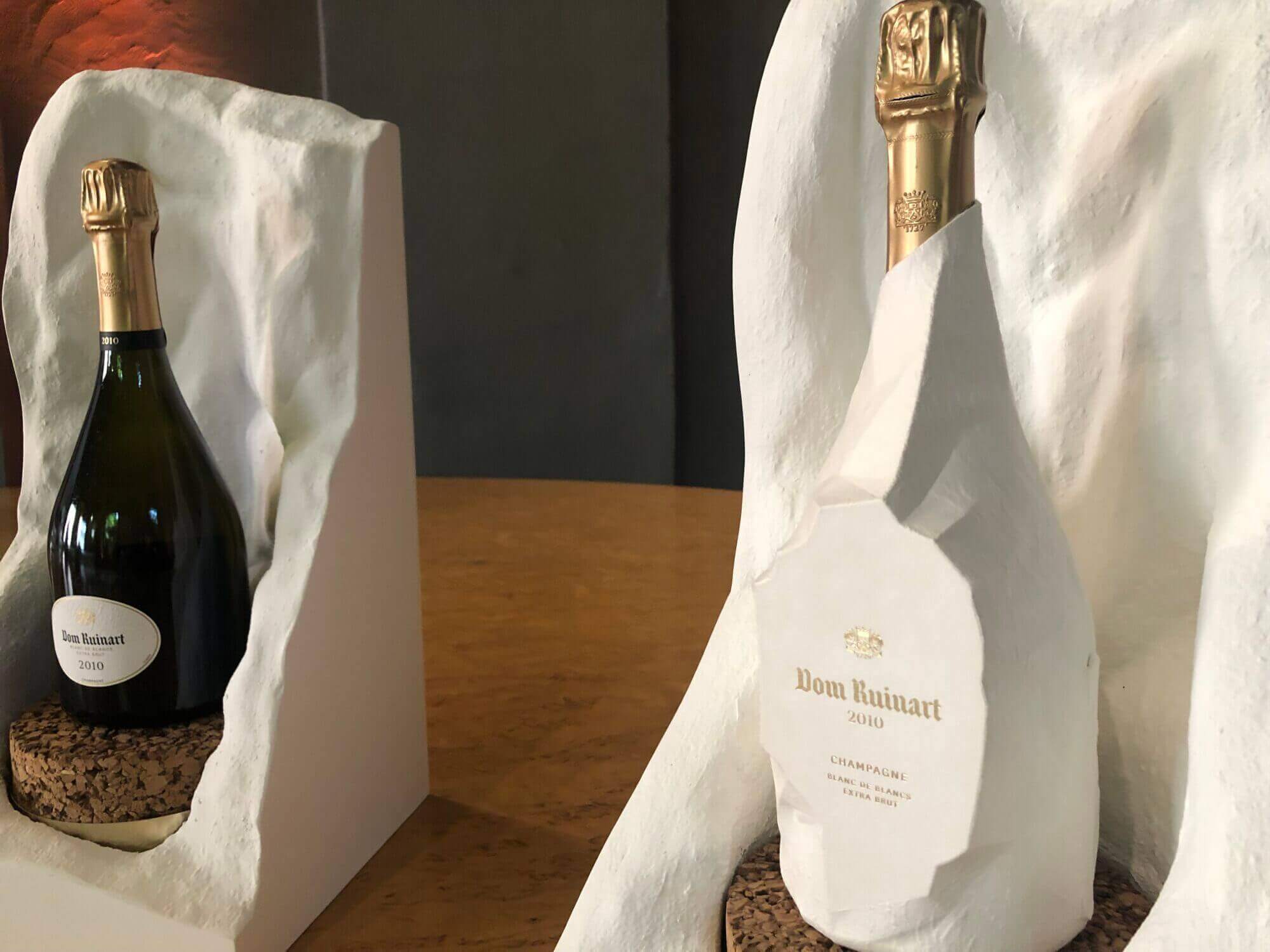
Blanc de Blancs vintage champagne bears witness to its youth, with its brilliant golden and green reflections, and a fine, delicate mousse, as compact and airy as its bubbles. The aromas of these wines are often strongly mineral, reflecting the limestone terroir of the Collines Blanches, a very ready anise with beautiful citrus notes, followed by floral notes. The palate is elegant, delicate and full-bodied, with well-melted bubbles that are not aggressive. It's an elegant wine with a very fine finish and a beautiful minerality. This is a Champagne with great cellaring potential, which can easily be aged for more than 10 years, or even longer in exceptional vintages. White meat, shellfish would be great. Once aged, it pairs perfectly with truffles or caviar, depending on the style of house champagne you choose. Tasted at a maximum temperature of 13°C, these are true haute cuisine wines.
Champagne Roséis tender, delicate and sensual. It has a dazzling pale pink color with golden highlights and elegant, delicate, fine and unctuous bubbles. On the nose, it's a real delicacy, with delicate aromas of red fruits, raspberries, blackcurrants and wild strawberries blending perfectly with citrus aromas for the necessary freshness. On the palate, it's lively and delicate, fat and light, with a perfect blend of bubbles and red fruit aromas and a lingering finish. It can be enjoyed as an aperitif,dessert orchampagne after a meal, or even as a night-time companion in an ice bucket by the bed... it should be served chilled at 8°C like a classic brut, and drunk for up to two years.
Vintages 2010 to 2019
2019
19/20
2018
16/20
2017
12/20
2016
14/20
2015
17/20
2014
14/20
2013
14/20
2012
18/20
2011
15/20
2010
12/20
Vintages 2000 to 2009
2009
16/20
2008
19/20
2007
15/20
2006
12/20
2005
14/20
1990 to 1999 vintages
1999
13/20
1998
15/20
1997
13/20
1996
17/20
1995
14/20
1999
13/20
1998
15/20
1997
13/20
1996
17/20
1995
14/20
Vintages 1980 to 1989
1989
18/20
1988
19/20
1987
7/20
1986
10/20
1985
16/20
1984
18/20
1983
19/20
1982
7/20
1981
10/20
1980
16/20
Vintages 1970 to 1979
1979
19/20
1978
19/20
1977
10/20
1976
16/20
1975
18/20
1974
9/20
1973
15/20
1972
10/20
1971
16/20
1970
17/20
Vintages 1960 to 1969
1969
16/20
1968
7/20
1967
8/20
1966
14/20
1965
9/20
1964
15/20
1963
8/20
1962
17/20
1961
13/20
1960
12/20
Vintages 1950 to 1959
1959
17/20
1958
10/20
1957
8/20
1956
7/20
1955
17/20
1954
13/20
1953
16/20
1952
14/20
1951
5/20
1950
12/20
Vintages 1940 to 1949
1949
14/20
1948
11/20
1947
17/20
1946
10/20
1945
20/20
1944
9/20
1943
16/20
1942
13/20
1941
11/20
1940
8/20
Vintages 1930 to 1939
1949
6/20
1948
9/20
1947
17/20
1946
7/20
1945
10/20
1944
14/20
1943
12/20
1942
8/20
1941
5/20
1940
6/20
Average trends over the last 6 vintages for Champagne appellations
2013
Very good vintage
2012
Great vintage
2011
A great vintage
2010
Medium vintage
2019
Great vintage
2008
Excellent vintage
Champagne hillsides
2013
Good vintage
2012
Great vintage
2011
Great vintage
2010
Medium vintage
2009
Great vintage
2008
Excellent vintage
Coteaux de Coiffy
2013
Good vintage
2012
Great vintage
2011
Great vintage
2010
Medium vintage
2009
Great vintage
2008
Excellent vintage
Haute-Marne
2013
Good vintage
2012
Great vintage
2011
Great vintage
2010
Medium vintage
2009
Great vintage
2008
A great vintage
Rosé des Riceys
2013
Good vintage
2012
Great vintage
2011
Great vintage
2010
Medium vintage
2009
Great vintage
2008
Very good vintage