Blanc de blancs has had its moment in the spotlight; now it is the turn of blanc de noirs. A white champagne made exclusively from black grapes — Pinot Noir, Meunier — which winegrowers have long reserved for blends, and which lovers of everyday champagne are now demanding on its own merits. This guide explains what it is, how it differs in the glass, what to pair it with, and presents sixteen cuvées from our Blanc de Noirs category, ranked by price, from winemaker’s Meunier to single-vineyard Pinots from the great houses.
Blanc de noirs: the definition
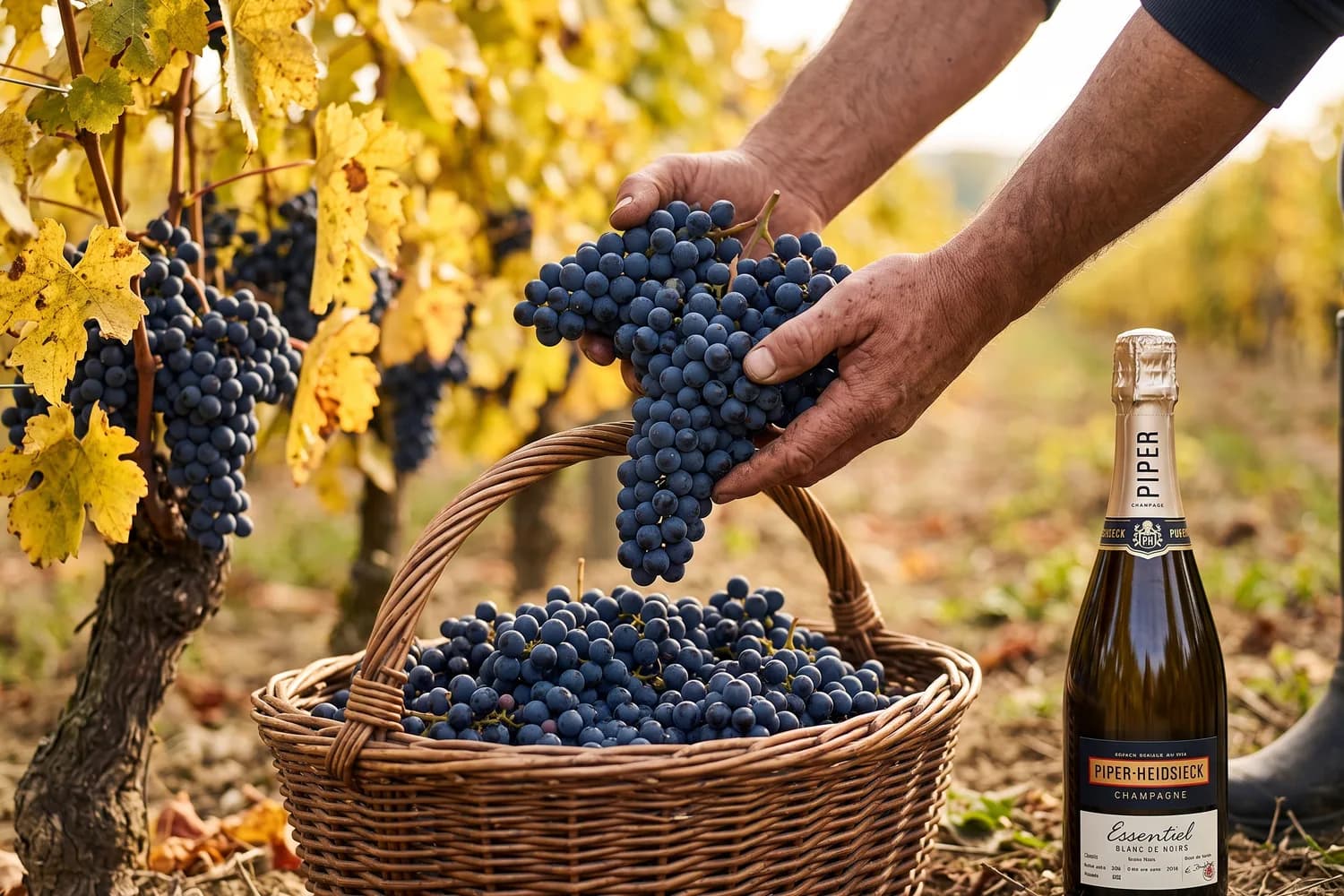
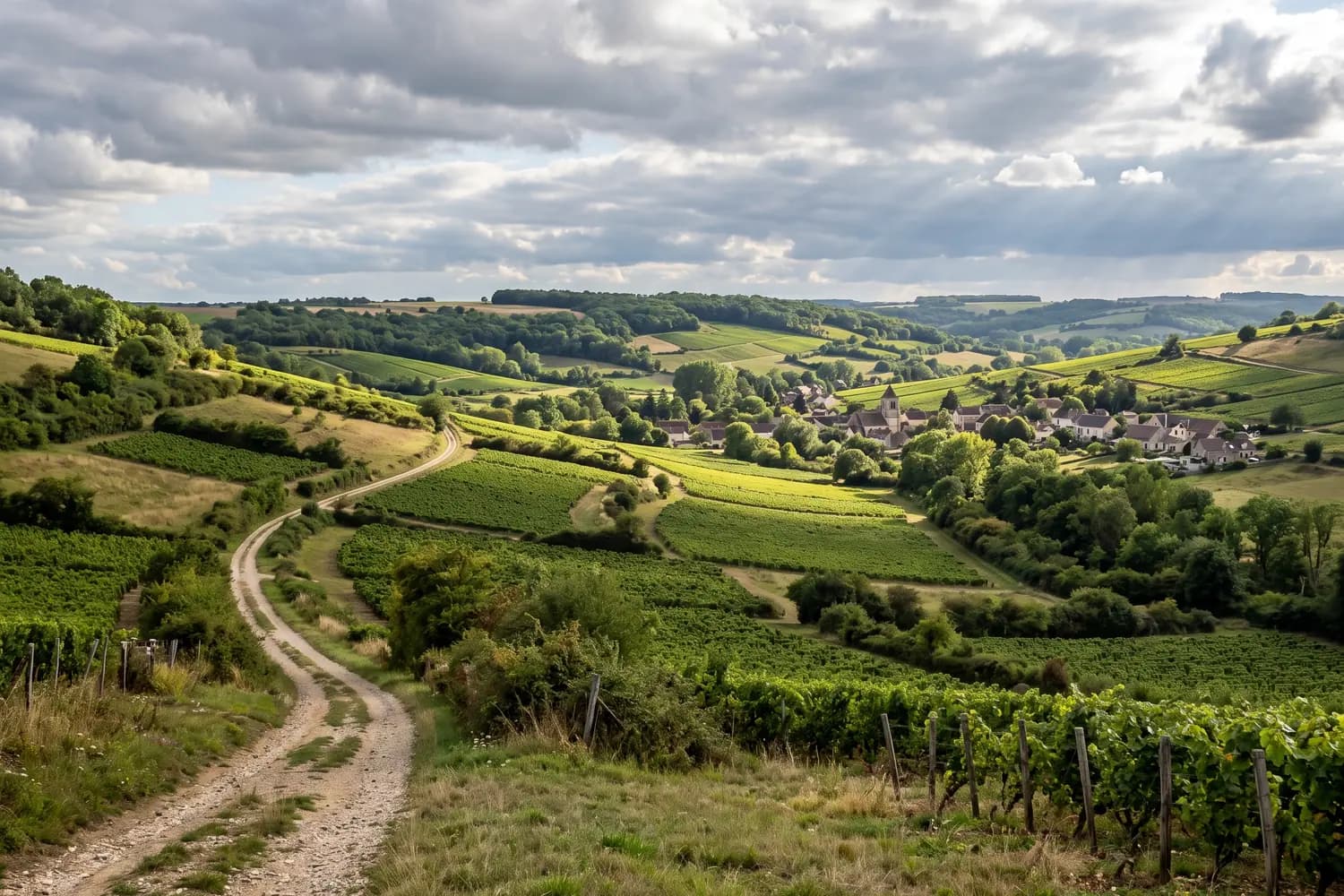
Champagne’s two black grape varieties, Pinot Noir and Meunier, have black skins and white juice. Gently pressed and quickly separated from the skins — this is the art of the Champagne press — they yield a white wine, sometimes with golden or coppery hues. A ‘blanc de noirs’ is made exclusively from these; a ‘blanc de blancs’, by contrast, contains only Chardonnay; a classic brut blends all three. Pinot Noir reigns supreme in the Montagne de Reims (Bouzy, Verzenay, Aÿ, Ambonnay) and the Côte des Bar; Meunier in the Marne Valley. Our article on the classification of Champagne pinpoints these villages.
What it tastes like, and what to pair it with
More body, more fruit, more structure: whilst Chardonnay brings notes of lemon and chalk, Pinot Noir offers cherry, raspberry, brioche, spices, a hint of smokiness, and a full-bodied palate that calls for food. Meunier, on the other hand, produces rounder ‘blancs de noirs’ — apple, mirabelle plum, honey — which are ready to drink sooner. Serve them at 9–10 °C in a white wine glass, and pair with: roast poultry, veal, mushrooms, Comté cheese, fine charcuterie, and lamb for the more full-bodied varieties.
Under €40: ‘Blancs de Noirs’ from independent winegrowers
The Marne Valley is the home of Meunier, and the winemakers there produce ‘blancs de noirs’ at affordable prices. Néret-Vély Ôde à la Vie (€32.05) is the house Meunier, round and fresh; its La 5G (€37.88), 85 per cent Meunier, extra-brut with 3 g/L dosage, is more full-bodied and briny, and its label pays tribute to the draught horse that ploughs Carole Néret’s vineyards. Courtois Ex Atris Uvis (€32.76) is a pure Pinot Noir from the marl-limestone soils of the Marne, delicate and floral. Drappier Brut Nature (€38.90), from Urville in the Aube, is the benchmark white-of-blacks without dosage, a pure Pinot Noir of great purity. Three of these feature in our selection of fine champagnes under €40.
From €45 to €60: grands crus and prestigious houses
Piper-Heidsieck Essentiel Blanc de Noirs (€46.50) blends Pinot Noir and Meunier from ten crus: apricot, clementine, raspberry, with a hint of smokiness — the most accessible ‘blanc de noirs’ from a grand maison (see our guide to Piper and Charles Heidsieck). Arnaud Moreau Phoenix (€46.64) is a Grand Cru from Bouzy, made from 100 per cent Pinot Noir: red berries, gingerbread, orange peel, with a taut, briny palate — a real gem. Péhu Simonet Fins Lieux No. 1 2017 (€53) comes from a single lieu-dit, Les Perthois, halfway up the Verzenay grand cru hillside, vinified in barrels and aged for five years: a straightforward, long-finishing champagne for everyday drinking. De Sousa Blanc de Noirs (€54.90) is the Pinot Noir exception from a biodynamic Chardonnay estate in Bouzy and Tours-sur-Marne (see our organic Champagnes). Maurice Choppin Les Bas Russelets (€59.40), from Damery, vinified in barrels with indigenous yeasts, offers notes of red berries and toasty aromas.
From €60 to €100: single-vineyard cuvées
A. Bergère Les Clos 2018 (€62) is a brut nature Meunier from old vines: red apple, pear and quince paste. Henri Giraud’s Hommage au Pinot Noir (€69.95) does justice to the ‘blue Pinot’ of Aÿ, vinified in Argonne oak barrels: dense, full-bodied and long-finishing — our guide Henri Giraud provides a detailed description. Arnaud Moreau Odyssée (€71.76), a grand cru vintage in brut zéro, full-bodied and rich. Delavenne Aura de Marius (€72.59), a Bouzy grand cru in a gift set, 3,048 bottles. Mumm RSRV Blanc de Noirs 2013 (€74.90), a vintage Pinot Noir from Verzenay ( Mumm RSRV guide). Bruno Paillard Blanc de Noirs (€79.90), grands crus from the northern Montagne, an elegant and nuanced expression of Pinot ( Bruno Paillard guide). And the two Aÿ plots from Deutz, tributes to William Deutz: Côte Glacière 2015 (€98.95), fifty-year-old vines on a steep slope, generous; Meurtet 2015 (€98.95), east-facing, finesse and precision.
Which blanc de noirs for which occasion?
A substantial aperitif: Néret-Vély Ôde à la Vie, Piper-Heidsieck Essentiel. Charcuterie, terrines: La 5G, A. Bergère Les Clos. Poultry, veal: Arnaud Moreau Phoenix, Bruno Paillard, Mumm RSRV 2013. Lamb, duck, mature cheeses: Henri Giraud Hommage, Péhu Simonet Fins Lieux, Deutz Meurtet. Sugar-free: Drappier Brut Nature, Odyssée. For the other side of the valley, our blancs de blancs; for the winegrowers, our récoltants-manipulants. And if you like Aÿ Pinots, our Bollinger guide awaits you.
Serving and storage
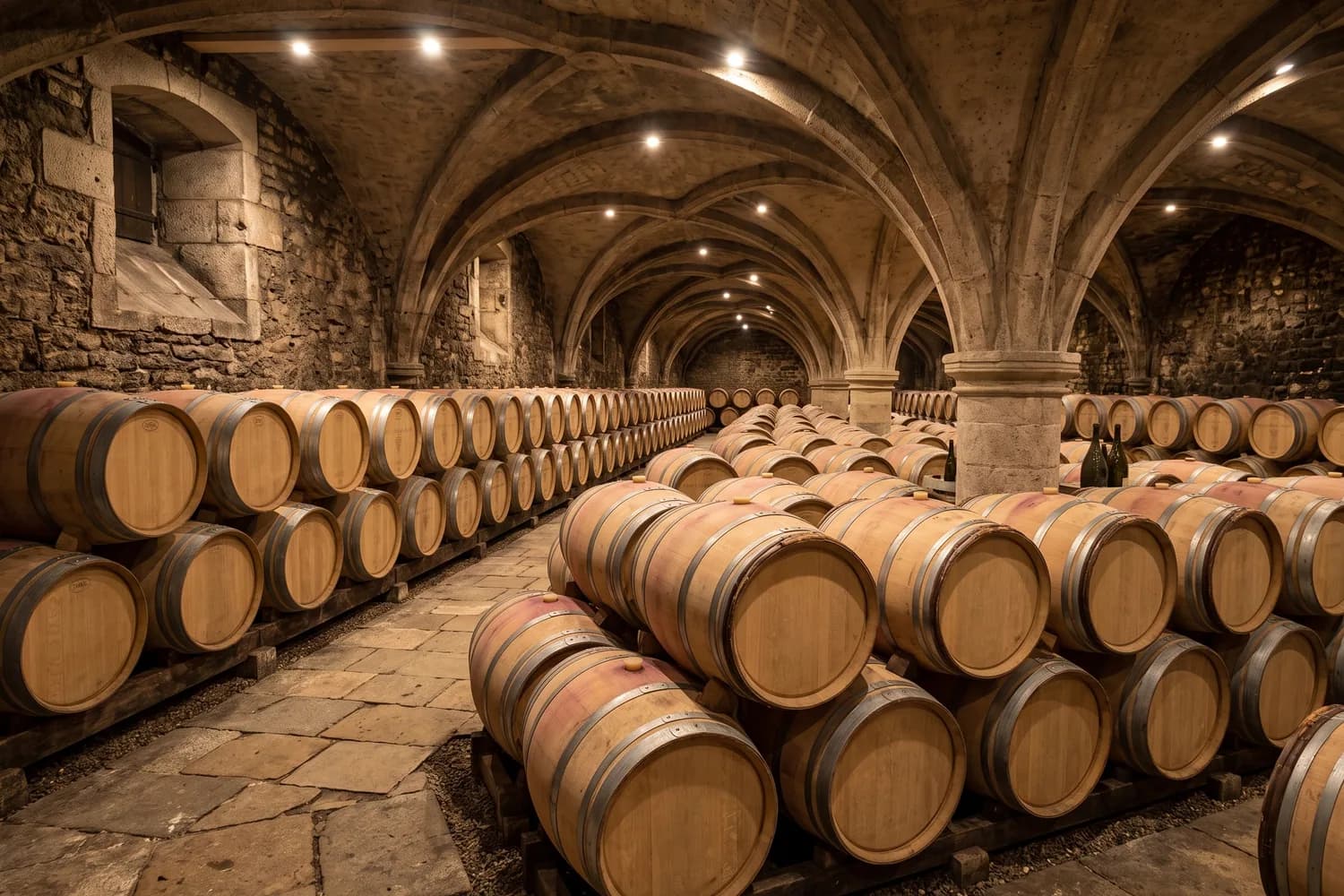
A blanc de noirs is served less chilled than a blanc de blancs — 9 to 10 °C — in a white wine glass, and benefits from being opened a quarter of an hour beforehand. Meunier cuvées should be drunk within three years; grand cru and single-vineyard Pinots will keep for five to ten years, stored horizontally in the dark at 10–12 °C (our advice). The prices shown are those recorded in our cellar at the time of publication.