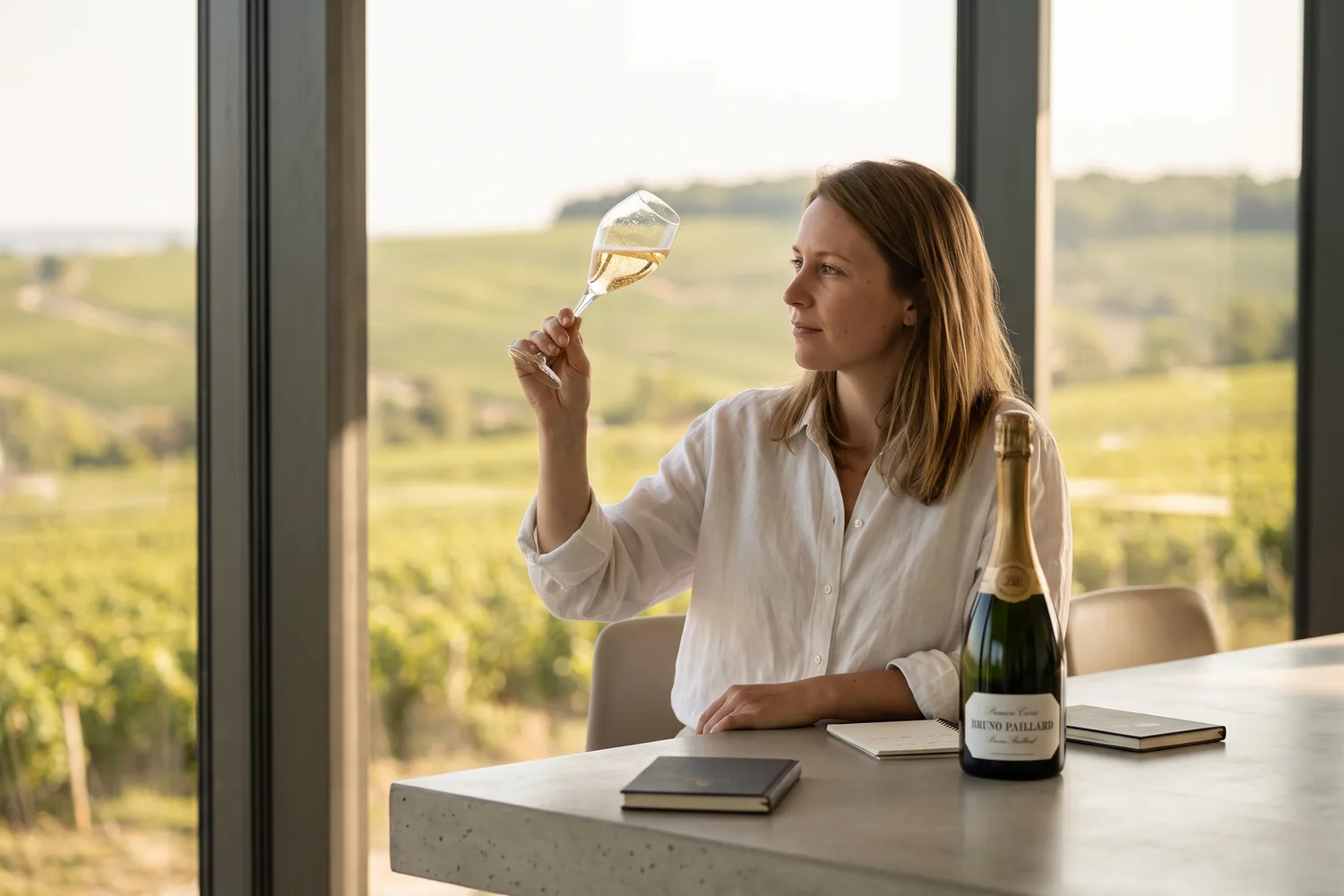
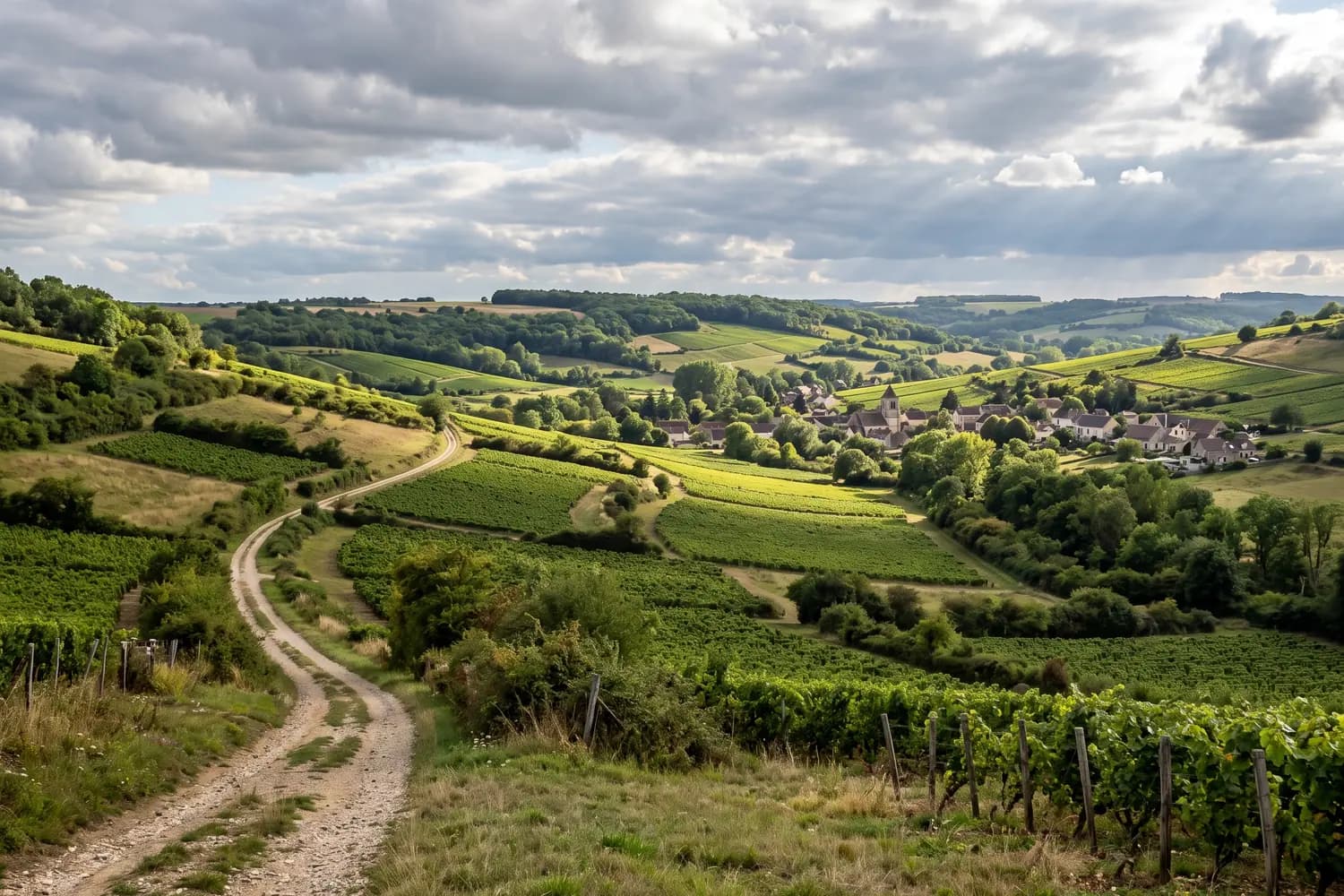
In 1981, a 27-year-old champagne broker sold his Jaguar and set up his own house in Reims, without a single vineyard or a single metre of cellar space. Forty-five years later, Bruno Paillard owns 32 hectares — 12 of which are grand cru — spread across more than 70 plots, a perpetual reserve established in 1985, and a reputation for precision that few of the great houses can match. His daughter Alice has been at the helm of the house since 2007. This guide reviews the range, detailing what’s in the glass and the prices recorded in our cellar.
Bruno Paillard, the house of precision
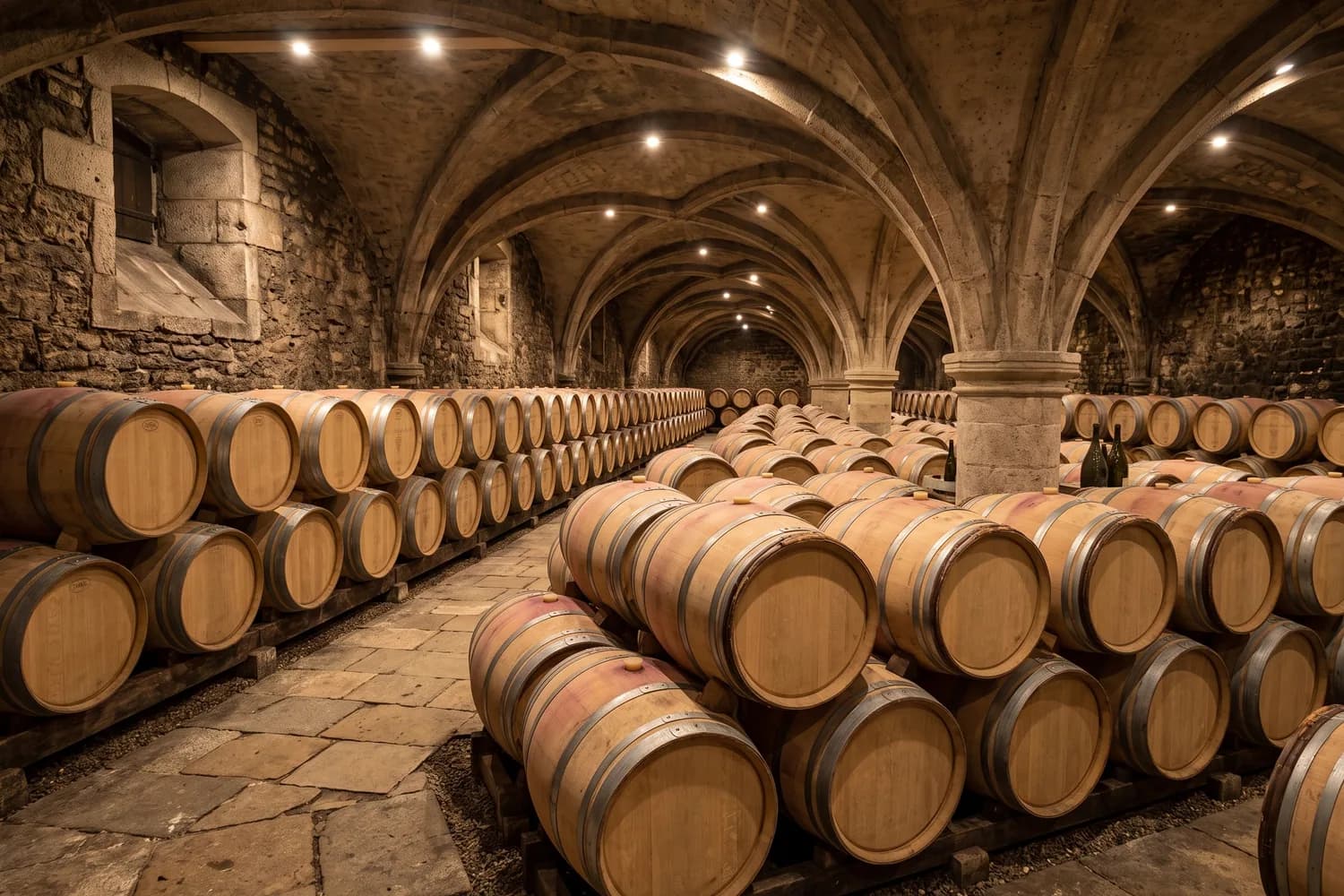
Four principles define the style. First pressing only: Bruno Paillard uses only the cuvée – the first, finest juice – and sells the rest. The perpetual reserve: since 1985, a portion of each harvest has been added to a blend of all previous vintages, which lends depth and consistency. Partial ageing in oak and low dosages — the Première Cuvée is an extra-brut, the Dosage Zéro a brut nature. And the disgorgement date printed on every bottle since 1983—a transparency that the house was the first to practise; our article on how to read a label explains what it tells you. For another independent house that swears by oak, see our guide to Henri Giraud.
The range at a glance
| Cuvée | Style | Price | For |
|---|
| Première Cuvée | Extra-brut, 3 grape varieties, perpetual reserve | €48.95 | Aperitif, every day |
| Zero dosage | Brut Nature | €63.95 | Oysters, purists |
| Première Cuvée Rosé | Extra-brut Rosé | €67 | Aperitif, with a meal |
| Cuvée 72 | 72 months’ ageing | €68 | Fine dining, gastronomy |
| Grand Cru Blanc de Blancs | Grand Cru Chardonnay, aged since 1985 | €78.95 | Festive aperitif, fish |
| Blanc de Noirs | Grand Cru Pinot Noir, northern Montagne | €79.90 | White meats |
| Blanc de Blancs 2013 | Vintage, Le Mesnil-sur-Oger | €94.90 | Garde, collection |
| N.P.U. Nec Plus Ultra 2009 | Prestige, 15 years in the cellar | €248.50 | Special occasion |
Première Cuvée: the benchmark extra-brut
The Première Cuvée (€48.95) blends the three grape varieties from some twenty crus, the house reserve and partial barrel ageing: lemon, grapefruit, green apple, a hint of brioche and toasted hazelnut; a precise and taut attack, with a salty minerality. It is one of Champagne’s most consistent extra-bruts, and the best introduction to the house. The Dosage Zéro (€63.95) takes this philosophy to its logical conclusion: with no added sugar, it is straightforward, taut and chalky, with a beautifully long, salty finish — the perfect champagne for oysters. The Rosé Première Cuvée (€67), with its coppery hue and salmon-pink highlights, offers notes of morello cherry, wild strawberry and violet with the same liveliness; our other rosés pale in comparison.
Cuvée 72: time as an ingredient
The Cuvée 72 (€68) takes its name from its 72 months in the cellar: 36 months on the lees, followed by a further three years of ageing after disgorgement. Time changes everything — orange blossom, hawthorn, acacia, followed by citrus, saffron and cedar; a full-bodied, creamy palate carried by red and black fruits. This is the Bruno Paillard for the table: veal, poultry with morels, or Comté cheese.
Grand Cru Blanc de Blancs and Blanc de Blancs 2013
The Grand Cru Blanc de Blancs (€78.95) is one of the house’s iconic cuvées: a Chardonnay made from Grand Cru vineyards, with a deliberately softer effervescence — the second fermentation is carried out at reduced pressure —, chalky minerality, white flowers, candied citrus, and the depth of reserve wines dating back to 1985. The 2013 Blanc de Blancs (€94.90) comes from Mesnil-sur-Oger, the village of Champagne Salon: verbena, spring flowers, candied lemon, chalk; a crystalline attack. Its label was designed by the artist Anne Commet on the theme of freedom — each of the house’s vintages features a different artwork. Our other Blanc de Blancs and vintage champagnes are listed in the catalogue.
Blanc de Noirs: Pinot from the north
The Blanc de Noirs (€79.90) is the most recent cuvée: a Pinot Noir made from Grand Cru vineyards in the north of the Montagne de Reims, blended across several vintages. Pale gold in colour with rosy highlights, wild strawberry, fresh cherry, buttery brioche and a hint of chalk — an elegant and nuanced expression of Pinot Noir, a far cry from opulent Blanc de Noirs. Compare it with the cellar’s other Blanc de Noirs, from independent winegrowers to the great houses.
N.P.U. Nec Plus Ultra 2009: the prestige cuvée
The N.P.U. Nec Plus Ultra 2009 (€248.50) is produced only in years deemed exceptional — nine vintages since 1990 — and epitomises the house: exclusively grands crus, first pressing, vinification carried out entirely in oak, and fifteen years’ ageing in the cellar before release. ‘Desire, mystery and time’, as the label states. A Champagne with exceptional ageing potential, closer to a fine wine than an aperitif; a bottle to keep in the cellar. The N.P.U. Rosé 2008 is currently out of stock here.
Which Bruno Paillard cuvée for which occasion?
Aperitif: Première Cuvée, or Dosage Zéro with oysters. Meals: Cuvée 72 with poultry, Blanc de Noirs with veal, Grand Cru Blanc de Blancs with fish. Gift: Blanc de Blancs 2013 for its artist-designed label, N.P.U. 2009 to mark a special occasion. Cellar: the vintages and the N.P.U., ten to fifteen years; the extra-bruts should be drunk within five years, keeping an eye on the disgorgement date.
Serving and storage
Extra-bruts are best enjoyed at 8–9 °C in a tulip glass; the Cuvée 72, the Blanc de Blancs and the N.P.U. at 10–11 °C in a white wine glass, opened half an hour beforehand. Store bottles lying down, in the dark, at between 10 and 12 °C (our advice). The prices shown are those recorded in our cellar on the date of publication.