In the Champagne region of the great houses, there is one that does things a little differently: pinot noir rather than chardonnay, the Aube rather than the Marne, and as little sulphur as possible. This is Drappier, in Urville, in the Côte des Bar, where the same family has been making wine since 1808. This guide explains where this instantly recognisable style comes from, then reviews the range — Carte d'Or, Brut Nature, Cuvée Charles de Gaulle, Grande Sendrée — to help you choose.
Drappier, a family house in the Côte des Bar
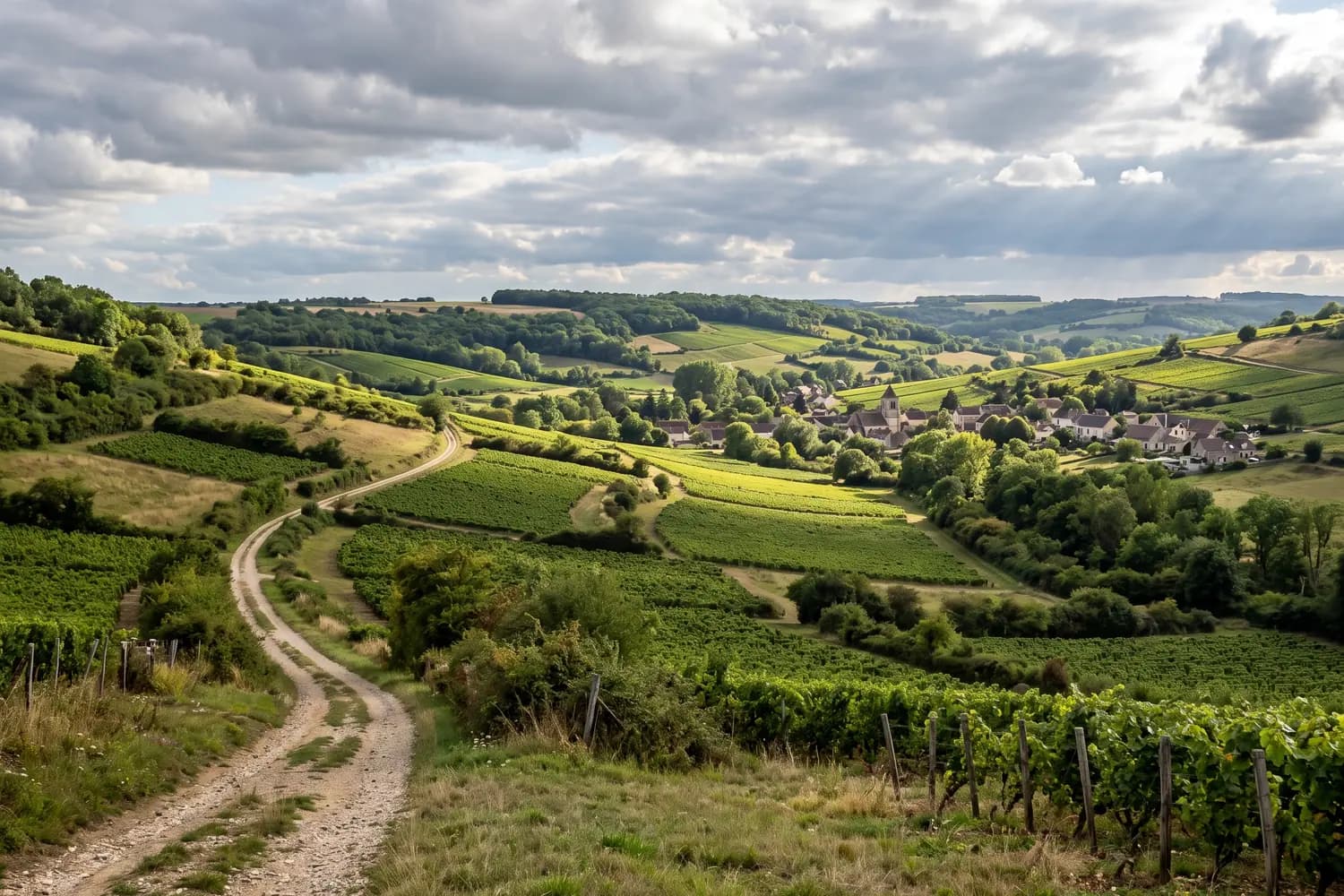
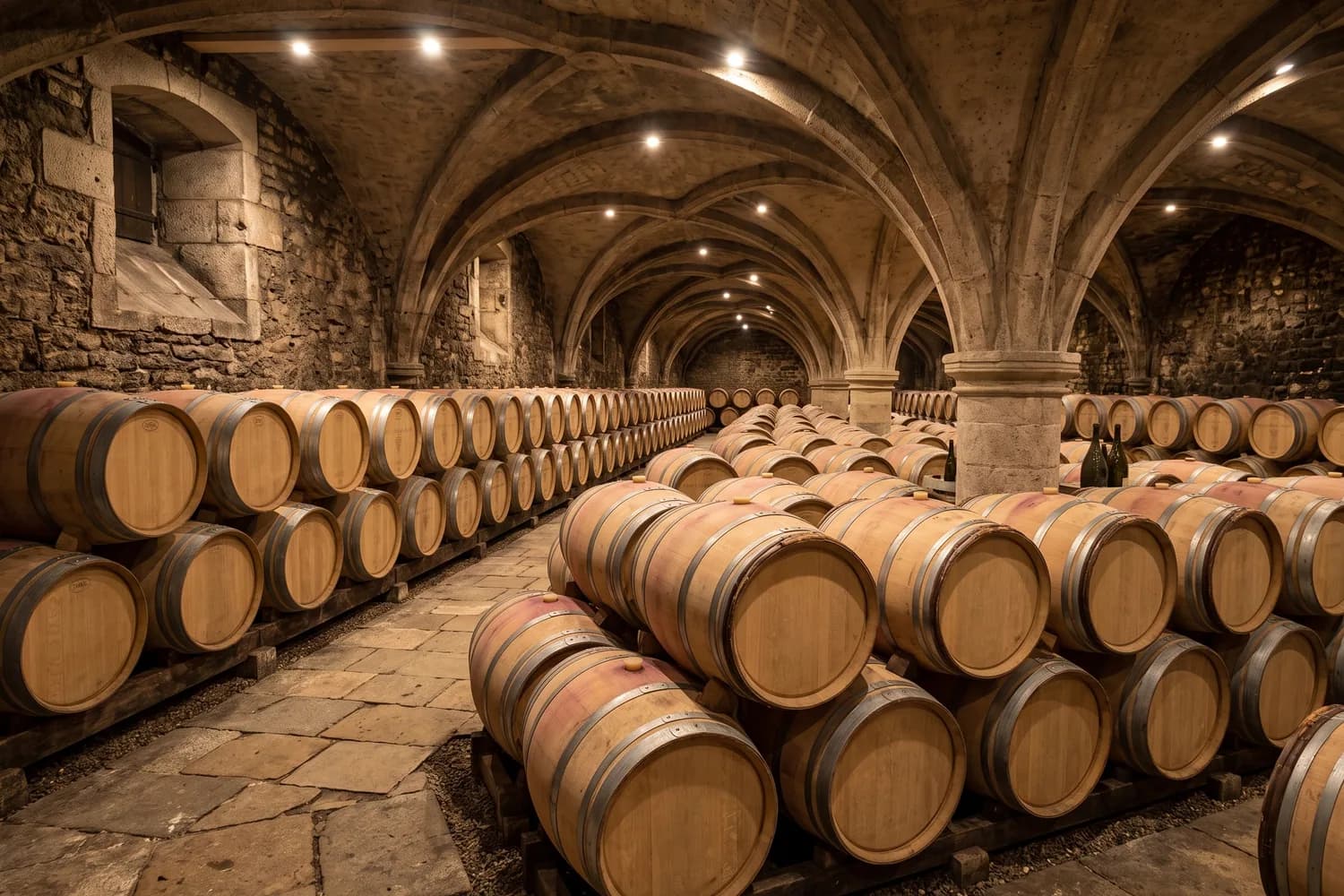
François Drappier settled in Urville in 1808. Two centuries later, the house is still family-run: Michel Drappier leads it, supported by his children, including Charline. The wines age in vaulted cellars built in the 12th century by the Cistercian monks of Clairvaux, the abbey founded by Saint Bernard a few kilometres away — the same monks who laid out much of the Burgundy vineyards. The Côte des Bar is actually closer to Chablis than to Reims, and shares its soils: Kimmeridgian clays and marls, rich in marine fossils, on which pinot noir produces wines that are both ripe and mineral. A third of the vineyard is farmed bio; our guide to choosing an HVE, bio or biodynamic champagne explains what these labels mean.
The Drappier style: pinot noir and very little sulphur
Two things shape the taste of a Drappier champagne. First, pinot noir, the estate's main grape variety: it gives body, aromas of red and yellow fruit, and a generous palate that stands up well to a meal. Second, sulphur. Every house adds some to protect the wine from oxidation; Drappier uses some of the lowest doses in Champagne, and even offers a cuvée with no added sulphur at all. Less sulphur means a less "locked-down" wine: the colours stay naturally golden, almost coppery, and the fruit expresses itself more fully. If you enjoy pinot noir champagnes, our guide to blanc de noirs and our selection of blanc de noirs champagnes will take the discovery further.
The Drappier range at a glance
| Cuvée | Style | For |
|---|
| Carte d'Or | Brut, predominantly pinot noir | Aperitif, table, everyday |
| Brut Nature | Zero dosage, pinot noir | Oysters, fish, lovers of dry champagnes |
| Cuvée Charles de Gaulle | Vinous brut, tribute | Gift, family meals |
| Grande Sendrée | Millésimé, prestige cuvée | Special occasions, cellaring |
Carte d'Or: the emblematic brut
Recognisable by its golden-yellow label, Carte d'Or is the champagne that made Drappier's name. It is a brut predominantly made from pinot noir, rounded out with chardonnay and meunier, that plays on generosity: yellow fruit, vine peach, brioche notes and a round, very indulgent palate. An aperitif champagne with enough body to accompany poultry or a dish in sauce. Carte d'Or is not currently on our list; if you are looking for it for its fruity character, the Brut Nature below offers the same pinot noir in a drier style.
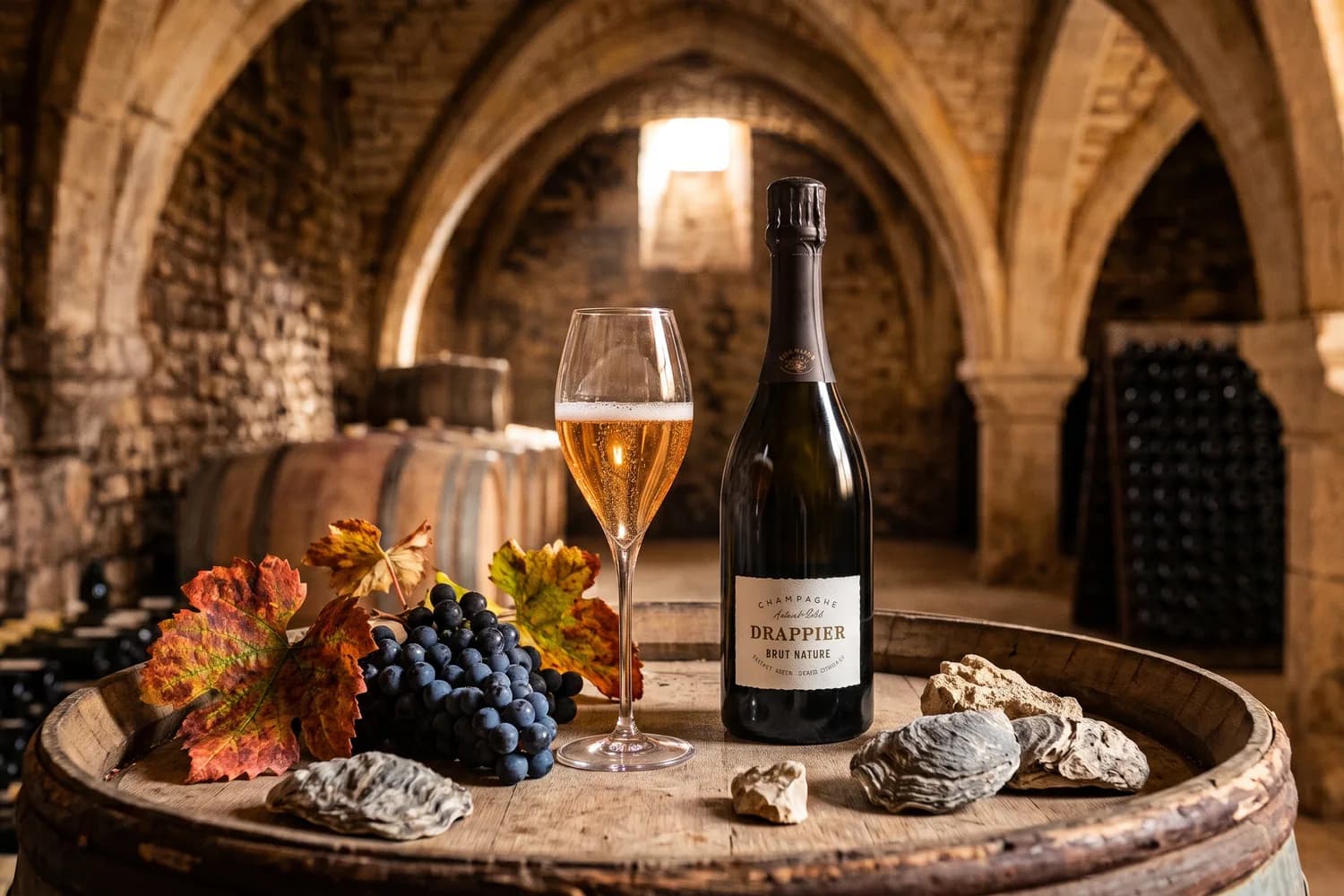
Brut Nature: pinot noir, unadorned
The Brut Nature (€38.90) is a zero-dosage champagne: at shipping, the house adds no sweetened liqueur at all. This is a demanding exercise — without sugar, the slightest flaw shows — and this is where the ripe pinot noir of the Côte des Bar makes the difference. The wine is dry, clean and precise, but not thin: you will find apple, citrus, a touch of red fruit and a saline finish. The champagne for oysters, sushi and raw fish, and one of the best brut natures under €40; more ideas in our selection of good champagnes under €40 and our aperitif champagnes.
The Cuvée Charles de Gaulle
Colombey-les-Deux-Églises, where General de Gaulle lived, is only a few kilometres from Urville. The General was a loyal customer of the house and served Drappier at his table. The family dedicated a cuvée to him in tribute: a brut predominantly made from pinot noir, vinous and structured, in a sober bottle marked with the Cross of Lorraine. It makes a fine gift for a history enthusiast, and is more a champagne for meals than for an aperitif.
Grande Sendrée: the prestige cuvée
The Grande Sendrée 2015 (€89) takes its name from a hamlet in Urville: in 1838, a fire ravaged the village and covered this hillside in ash, hence the name. This is Drappier's prestige cuvée, produced only as a vintage, from pinot noir and chardonnay sourced from the best plots. The 2015 vintage, a sun-drenched year, gives an ample, intense wine: ripe fruit, notes from oak ageing and lees contact, and a powerful palate held together by the finesse of the chardonnay. A champagne for fine dining — roast poultry, veal with morels, matured cheeses — that will still benefit from a few more years in the cellar. Our other millésimé champagnes allow you to compare it.
Which Drappier cuvée for which occasion?
Aperitif with friends: Carte d'Or for its fruit, or Brut Nature for those who like dry champagnes. Oysters, seafood, Japanese cuisine: Brut Nature, without hesitation. Gift: the Cuvée Charles de Gaulle for its history, the Grande Sendrée to mark a special date. Festive meal: the Grande Sendrée 2015 with poultry or fish in sauce. Cellaring: the Grande Sendrée, which will age gracefully for ten years or more.
Serving and cellaring
Serve the Brut Nature and Carte d'Or between 8 and 9°C, and the Grande Sendrée a little warmer, around 10-11°C, in a tulip glass or a white wine glass that lets the pinot noir express itself. Being low in sulphur, Drappier champagnes require a little more care than others: store them lying down, in the dark, at a stable temperature between 10 and 12°C (our storage tips), and drink the non-vintage bruts within two to three years. The prices shown are those of our cellar at the time of publication. Find all the cuvées of Drappier champagne in our cellar.