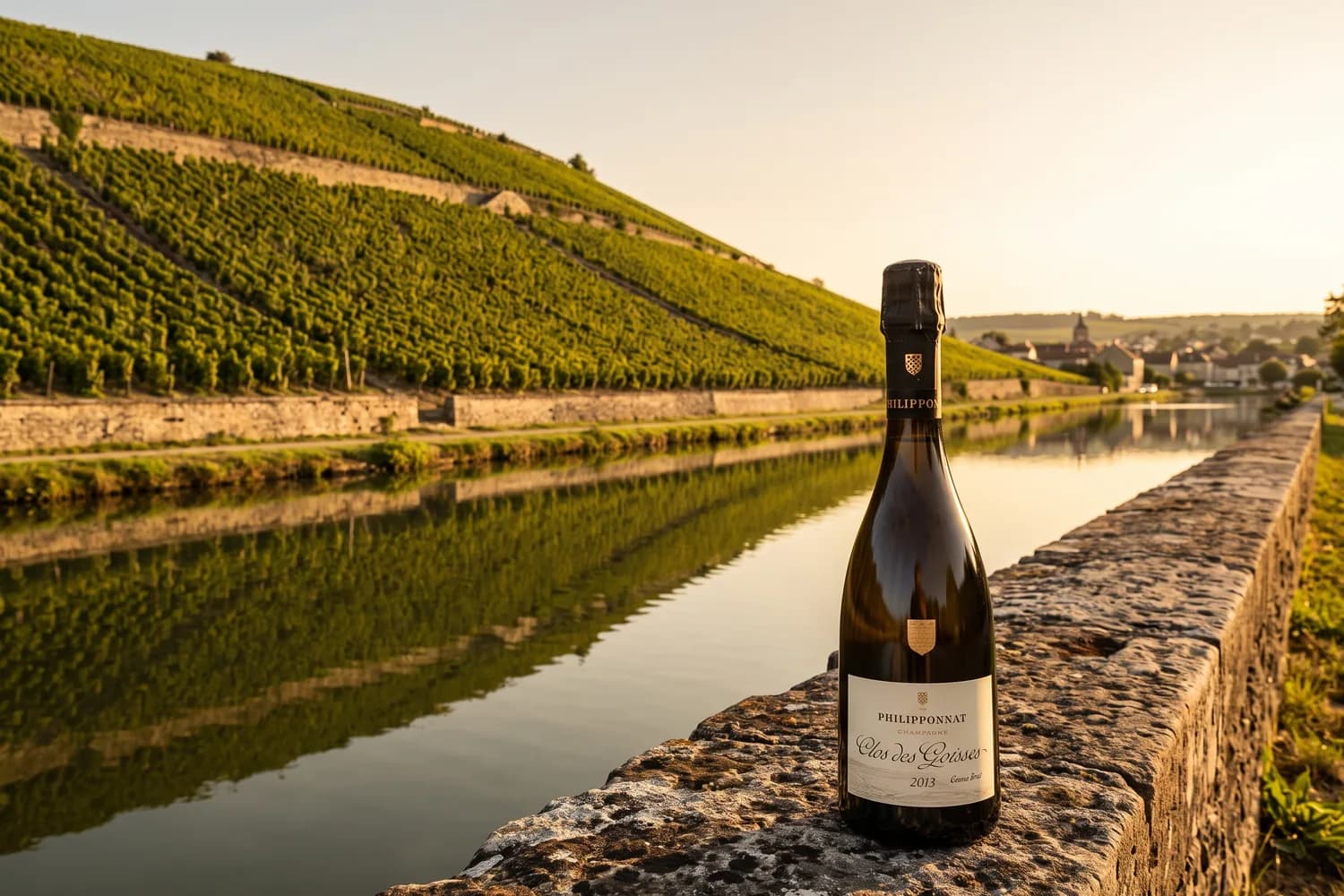
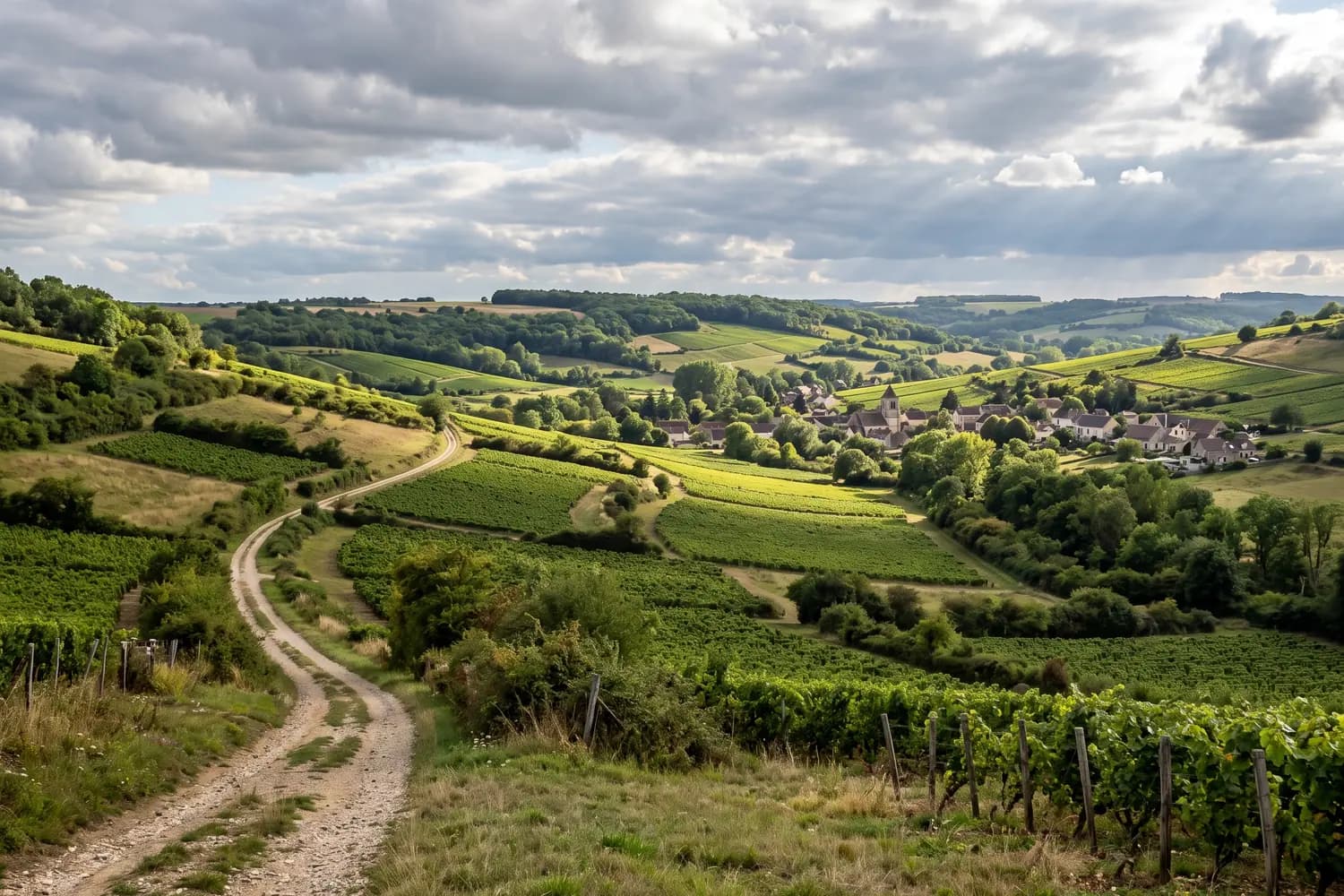
From the Marne Canal in Mareuil-sur-Aÿ, you can see a chalk cliff covered in vines, so steep that you wonder how the grapes are harvested there. This is the Clos des Goisses, and it is the reason why Philipponnat is renowned throughout the world. But the house is not defined solely by this vineyard: using Pinot Noir from the Grande Vallée, it produces a small, full-bodied range of wines, perfect for the table. This guide reviews the range, from the Royale Réserve to the 2013 Clos des Goisses, with prices as listed in our cellar.
Philipponnat: sixteen generations in Aÿ
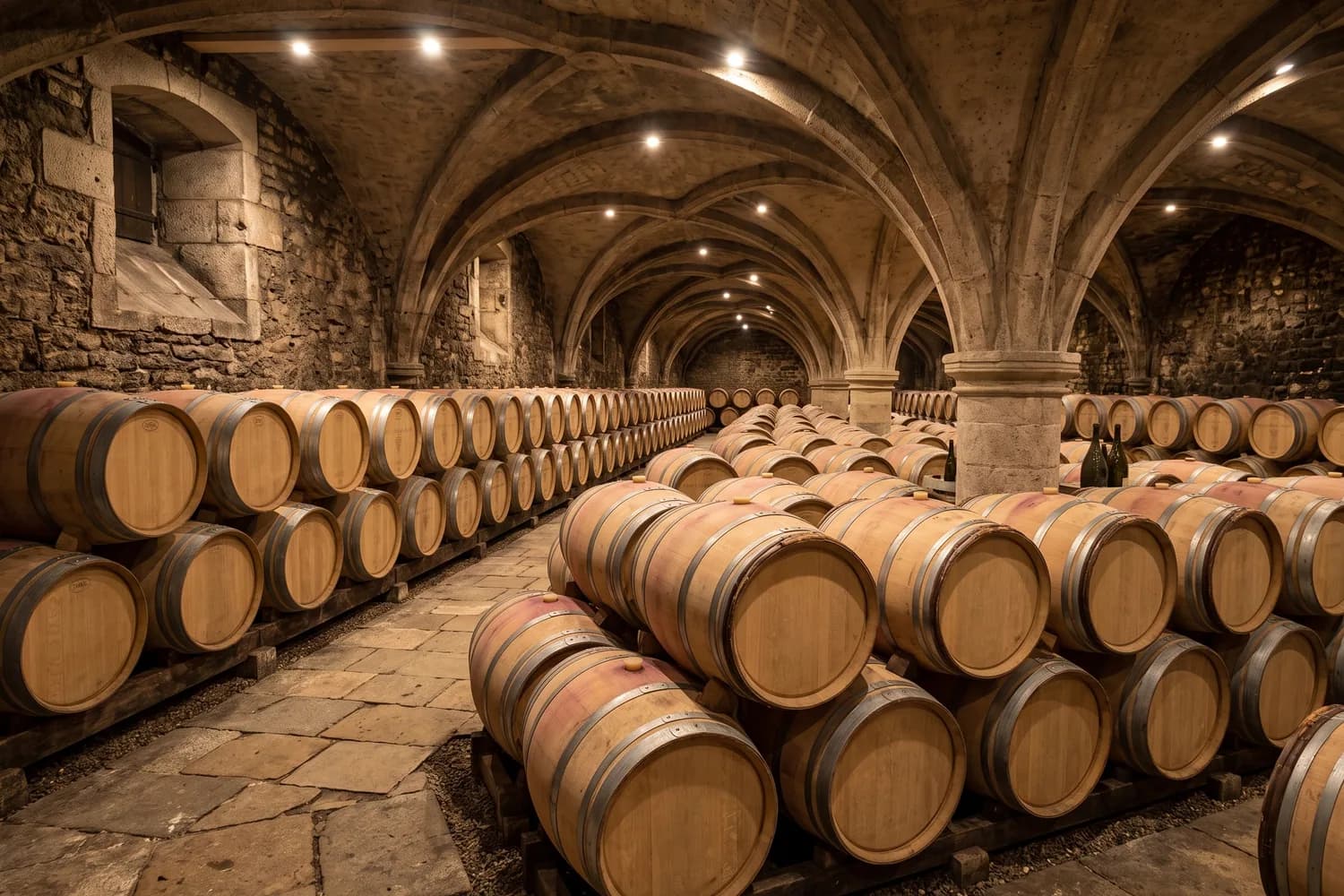
The family has been based in Aÿ since 1522; the house was founded in 1910 in Mareuil-sur-Aÿ, the neighbouring village, and is now part of the Lanson-BCC group, headed by Charles Philipponnat. Twenty hectares of Premier Cru and Grand Cru vineyards, facing south on the Marne, predominantly planted with Pinot Noir; three cellar rules: the cuvée seule (the first juice from the press), selective malolactic fermentation, halted when necessary to preserve tension, and partial ageing in oak barrels. The style is vinous, mineral and long-finishing — that of the Grande Vallée, as with Bollinger, Deutz or Henri Giraud, its neighbours in Aÿ. Our article on the Champagne classification pinpoints these villages.
The range at a glance
| Cuvée | Style | Price | For |
|---|
| Royale Réserve Brut | Predominantly Pinot Noir, aged on lees for 3 years | €45.30 | Aperitif, every day |
| Grand Blanc Vintage | Vintage Blanc de Blancs | €72 | Festive aperitif, fish |
| Cuvée 1522 | Extra-brut, plots in Léon, Aÿ | €99.90 | Dining, white meats |
| Cuvée 1522 Rosé | Extra-brut rosé, aged in oak | €119.50 | Fine dining |
| Clos des Goisses 2013 | Single-vineyard, very low dosage, no malolactic fermentation | €330 | Ageing potential, collection |
Royale Réserve Brut: the purest expression of the style
The Royale Réserve Brut (€45.30) is the signature cuvée: predominantly Pinot Noir, with the terroir of Mareuil-sur-Aÿ taking centre stage, aged on lees for three years. Structure, length, vinous character — a brut with real substance, combining the maturity of its ageing with intact freshness, equally at home with poultry or as an aperitif. This is the most accessible Philipponnat, and we have a bottle in stock at the time of writing; the Non Dosé and Rosé versions of the Royale Réserve are currently out of stock here.
Grand Blanc Millésimé: the Chardonnay exception
The Grand Blanc Millésimé (€72) is the exception in a Pinot Noir-focused house: a blend of Chardonnays from the finest chalk terroirs, always vintage-dated and moderately dosed. Intense and creamy, it nevertheless retains the lightness of a great Blanc de Blancs — a superb aperitif champagne for special occasions, served with oysters or fish in sauce. Eight bottles in stock; our other Blanc de Blancs and vintage champagnes are listed in the catalogue.
Cuvée 1522 and 1522 Rosé: the historic vineyards of Aÿ
Cuvée 1522 (€99.90) bears the date of the family’s arrival in Aÿ, and features an old engraving of the village on the label. It comes from the historic Léon plots in Aÿ, which give it its fullness, minerality and peppery, spicy notes; bottled as ‘extra-brut’ and partly aged in oak, it is a champagne for fine dining — veal, sweetbreads or Bresse chicken. The Cuvée 1522 Rosé (€119.50) is the rosé version, crisp and mineral, fruity and spicy, coloured by a Pinot Noir vinified as a red wine from the vineyards of Mareuil-sur-Aÿ: morello cherry, raspberry, a slight tannic structure – a superb rosé for the table. Our other rosés stand up well in comparison.
Clos des Goisses 2013: Champagne’s first single-vineyard cuvée
The Clos des Goisses 2013 (€330) is a single-vineyard Champagne: 5.5 hectares enclosed by walls, a south-facing slope of pure chalk in Mareuil-sur-Aÿ, with a gradient of 35 to 45° — ‘goisse’, in Old Champenois, means a very steep hillside. Philipponnat set it apart as early as 1951, when no one was making single-plot Champagne; the site is now a UNESCO World Heritage Site. Always vintage, with very little dosage, vinified mainly in oak and without malolactic fermentation, it is the most powerful of all Champagne wines: full-bodied, long-finishing, with a chalky tension that allows it to age for twenty years or more. ‘As much a great wine as a great champagne,’ says the house — and that is quite right: it is served like a great Burgundy, at the table, decanted into a carafe. Six bottles in the cellar. For the other great ‘clos’ of the Côte des Blancs, see our guide to Barons de Rothschild and its Grand Clos de Vertus.
Which Philipponnat cuvée for which occasion?
Aperitif: Royale Réserve Brut, or Grand Blanc for a celebration. Meal: Cuvée 1522 with white meat, 1522 Rosé with lamb or duck, Clos des Goisses with lobster or truffled poultry. Gift: Cuvée 1522 for the story behind the label, Clos des Goisses 2013 to mark a special occasion — it’s a bottle worth keeping. Cellar: Clos des Goisses, twenty years; 1522, ten years. Our article on how to read a label will help you spot the disgorgement details provided by the producer.
Serving and storage
These full-bodied champagnes are served less chilled than a light brut: 9 °C for the Royale Réserve and the Grand Blanc, 10–12 °C for the 1522 and the Clos des Goisses, in a white wine glass; decant the Clos des Goisses an hour beforehand, as you would a fine wine. Store the bottles lying down, in the dark, at between 10 and 12 °C (our advice). The prices shown are those recorded in our cellar on the date of publication; several cuvées are available in limited quantities.