Get a €40 discount on purchases of €600 or more, and a €100 discount on purchases of €1,200 or more of champagne on participating items (excluding shipping costs)
Logo of the Louis Roederer Champagne House

Louis Roederer Champagne


Founded in 1776 in Reims, Louis Roederer is one of the last great family-owned and independent champagne houses. Frédéric Rouzaud, who has led it since 2006, represents the seventh generation. The house cultivates 250 hectares of vines, spread across 420 plots of Grands and Premiers Crus in the Montagne de Reims, the Vallée de la Marne and the Côte des Blancs. More than half is certified organic. Cellar master since 1999, Jean-Baptiste Lécaillon has each plot vinified separately. The range runs from the Collection, numbered with each harvest, to Cristal, created in 1876 for Tsar Alexander II.

Buy Louis Roederer champagnes online


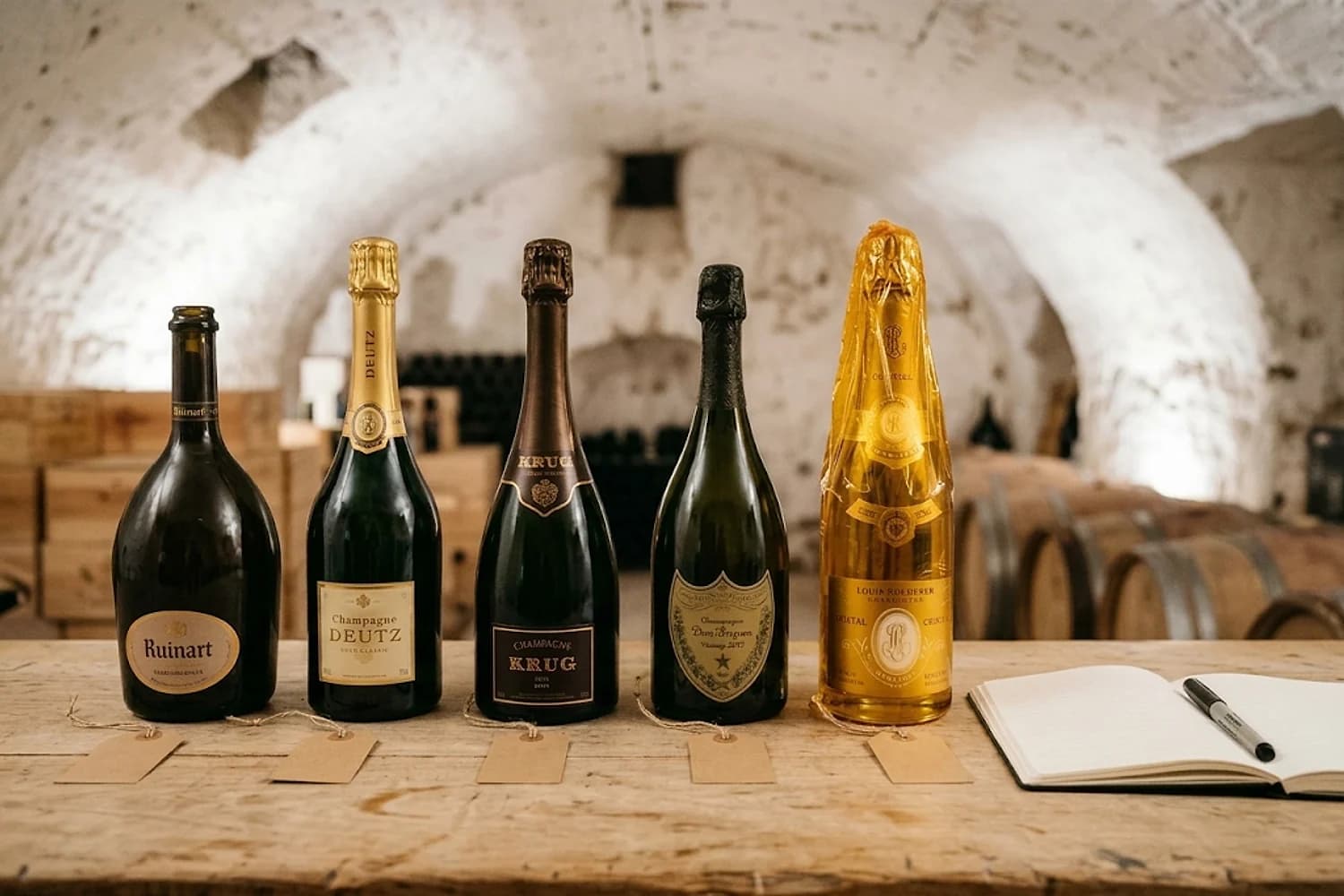
Louis Roederer Cristal Champagne — a prestige cuvée established in 1876

The Louis Roederer cuvées — From Cristal to the Collection


The range is built around complementary expressions with distinct personalities. Cristal, created in 1876 for Tsar Alexander II and made only in exceptional years, calls for the finest dishes: Breton lobster, oscietra caviar, scallops in the shell. The Collection, which blends a harvest with a perpetual reserve, pairs with fine poultry, sweetbreads or characterful aperitifs. The Blanc de Blancs Vintage enhances delicate oysters and rockfish. Brut Nature, with no dosage, pairs with tuna tartare or sushi. Cristal Rosé, with its powdery texture and silky intensity, blossoms alongside a strawberry dessert or lightly cooked foie gras. Hommage à Camille offers a demanding exploration of Champagne terroirs, for enthusiasts curious about confidential cuvées.

Non-vintage cuvées are served between 8 and 10 °C; vintage cuvées and Cristal between 10 and 12 °C, in a generous tulip glass. Stored at 12 °C away from light, entry-level cuvées develop harmoniously over 3 to 5 years; Cristal and the great vintages reach their peak after 10 to 15 years in the cellar.

At Pépites en Champagne, we select the finest Louis Roederer cuvées with the care of an artisan wine merchant: expert advice, genuine bottles, careful delivery throughout France and Europe.

Louis Roederer — Seven generations at the heart of Reims


Founded in 1776 under the name Dubois Père & Fils, the house took the name Louis Roederer when he inherited it, in 1833. His successors developed exports to Imperial Russia, and the house became official supplier to the Tsar's court in 1908. Awarded the Entreprise du Patrimoine Vivant label since 2017, it remains family-owned and independent, led by the seventh generation.

With 250 hectares of its own vines on Premier and Grand Cru plots across the three Champagne zones, more than half farmed organically, Louis Roederer controls its raw material from root to cork. Cellar master Jean-Baptiste Lécaillon oversees plot-by-plot vinification in stainless steel vats and tapered oak casks, preserving the unique identity of each terroir and each vintage.

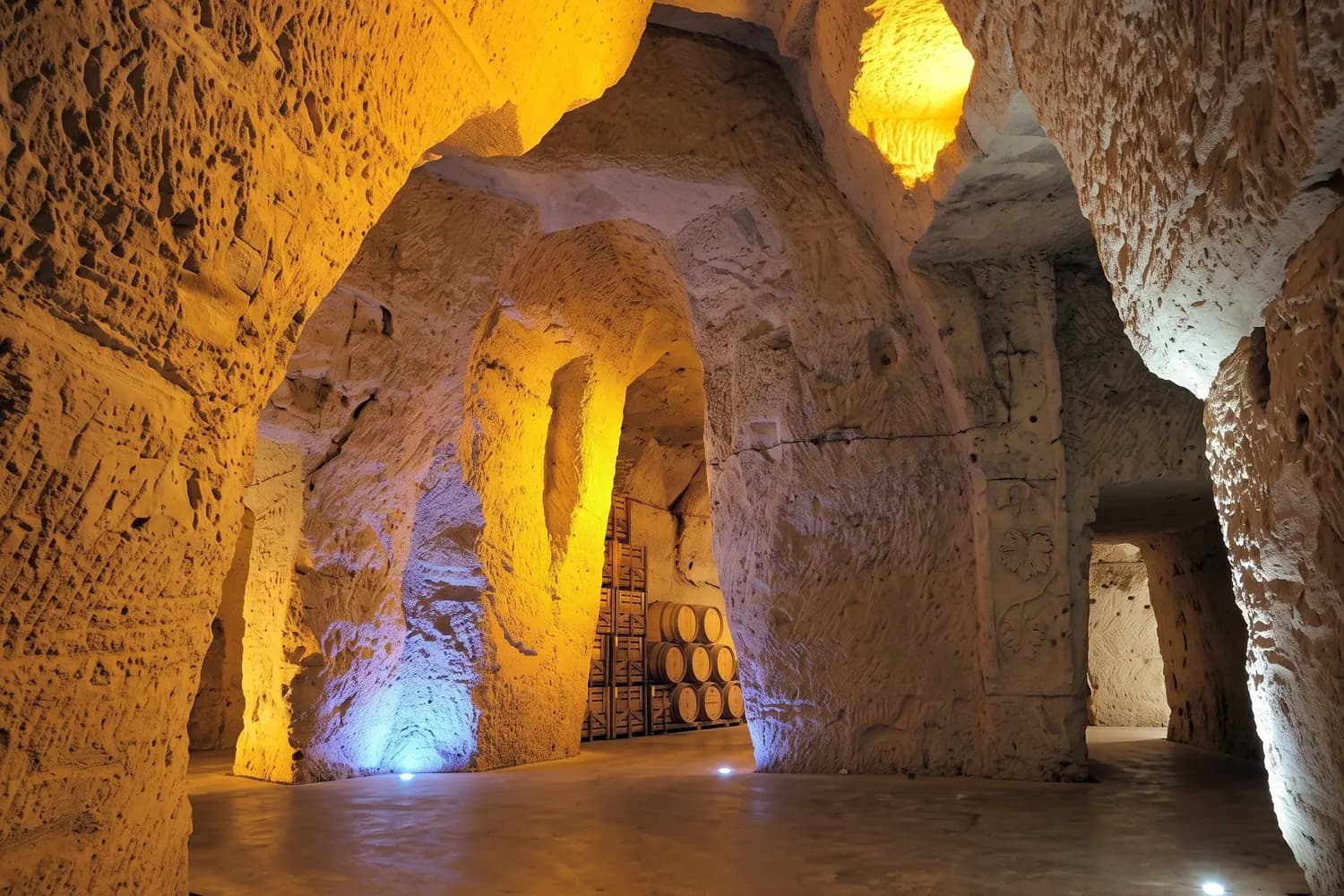
Louis Roederer Estate in Champagne — vineyards and cellars on the Marne

Louis Roederer, 250 years of history in Reims


In 2026, Louis Roederer celebrates its 250th anniversary, and Cristal its 150th. Drinks International magazine named it the world's most admired champagne brand for the seventh year running.

1833, an heir who buys vineyards

The house was founded in Reims in 1776 under the name Dubois Père & Fils. Louis Roederer, born in Strasbourg in 1809, inherited it from his uncle in 1833 and gave it his name. His choice broke with the customs of the time: while others bought grapes, he bought vines. In 1845, he acquired 15 hectares in the grand cru of Verzenay. Even today, all the house's vintages come solely from its own vines.

1876, Cristal, the tsar's cuvée

Louis Roederer II, who succeeded his father in 1870, created a cuvée in 1876 for Tsar Alexander II: Cristal, which the house presents as the first prestige cuvée. Its flat-bottomed transparent bottle met a request from the Tsar; according to the most widespread account, he feared an assassination attempt and wanted to see the wine. In 1908, Nicholas II made the house the official supplier to the court. The 1917 revolution caused it to lose this client, and Cristal was not offered to the public until 1945.

Cristal today comes from an estate reserved exclusively for it, cultivated using organic farming. It remains in the cellar for six to seven years, then six to twelve months after disgorgement. The 2018 vintage, released for its 150th anniversary, brings together 57 parcels, a unique fact. For vintages and prices, read our Cristal guide, or discover the Cristal 2016.

From Camille Olry-Roederer to the Rouzauds

In the 1920s, Léon Olry Roederer laid the foundations for what would become Brut Premier. After his death, his wife Camille Olry-Roederer ran the house from 1933, for more than forty years. Her grandson Jean-Claude Rouzaud succeeded her in 1975, consolidated the vineyard and created Cristal Rosé. His son Frédéric Rouzaud took over on 1 January 2006: he represents the seventh generation.

The house remains family-owned and independent. It also owns Deutz (since 1993), the port house Ramos Pinto, Domaines Ott in Provence, Château Pichon Longueville Comtesse de Lalande in Pauillac and Roederer Estate in California.

From Brut Premier to the Collection

Looking for Brut Premier? The house replaced it in 2021 with the Collection. Its number counts the house's blends since 1776: Collection 242 is based on the 2017 harvest, Collection 246 on the 2021 harvest. Each edition blends the year's harvest, a perpetual reserve started in 2012, and reserve wines aged in oak. The 246 contains 55%, 35% and 10% respectively. To choose, read our Louis Roederer cuvées guide.

A vineyard worked parcel by parcel

Jean-Baptiste Lécaillon has been cellar master since 1999. The 250 hectares comprise 420 parcels, each vinified separately. The house began phasing out chemical inputs as early as the late 1990s. In 2023, 135 hectares were certified organic, more than half the vineyard. It also gives growing importance to biodynamics, and 30 hectares are worked with horses.

Your questions about Louis Roederer champagnes


What is the real difference between the numbered Collection and the Cristal?
The numbered Collection is the house’s entry-level cuvée, created from a complex blend of reserve wines vinified from individual plots — accessible and versatile with food. Cristal is produced only in exceptional vintages, from outstanding chalky plots, and undergoes extended ageing on the lees: it is Louis Roederer’s ultimate prestige cuvée, in a league of its own in terms of rarity and price.
What food and wine pairings go well with Louis Roederer champagnes?
The numbered Collection is at its best as an aperitif or with fine poultry. The Blanc de Blancs Vintage perfectly complements oysters and fine fish. Cristal calls for exceptional seafood: lobster, caviar and scallops. The Brut Nature, with no added sugar, pairs beautifully with tartares or sushi. The Cristal Rosé, silky and briny, complements a strawberry dessert or lightly cooked foie gras.
How should Louis Roederer champagnes be served and stored?
Serve non-vintage cuvées at between 8 and 10 °C, and vintage cuvées and Cristal at between 10 and 12 °C in a generously sized tulip-shaped glass to bring out the aromas. When stored at 12 °C away from light, entry-level cuvées can be kept for 3 to 5 years; Cristal and great vintages reach their full potential after 10 to 15 years.
Where can you buy Louis Roederer champagne online?
Discover our Louis Roederer selection at Pépites en Champagne: expert advice, express delivery in France and throughout Europe.
Does Louis Roederer's organic commitment change the character of the champagne?
More than half of the vineyard is certified, including the Cristal estate. The house is seeking more resistant vines and richer soil life. The effect on taste remains difficult to isolate, as each vintage also depends on the climate and the blend.
Why did Louis Roederer replace the Brut Premier with the numbered Collection?
Collection 242 succeeded the Brut Premier in 2021. The house speaks of a new chapter: climate change is affecting harvests, and it prefers to start from each individual year rather than trying to reproduce the same taste. Each edition carries a number and draws on a perpetual reserve begun in 2012.
Who owns Louis Roederer?
The house is family-owned and independent. It is run by Frédéric Rouzaud, the seventh generation, and does not belong to any major group. It owns several estates itself, including Deutz.
Why is the Cristal bottle transparent?
In 1876, Tsar Alexander II requested a transparent bottle with a flat base. According to the most widespread account, he feared an assassination attempt and wanted to see the wine. Today, a gold cellophane wrap protects the wine from light.
What does the Collection number mean?
It counts the house's blends since 1776. Collection 246 is based on the 2021 harvest, Collection 247 on the 2022 harvest.
Why is Cristal so expensive?
It is only released in great years, comes from an estate reserved exclusively for it, and spends six to seven years in the cellar. The cuvée's reputation also weighs on the price.

About

Champagne Louis Roederer — the essentials

Founded in
1776
House / owner
Rouzaud
Location
Reims
Grape varieties
Pinot Noir, Chardonnay, Meunier
Cellar master
Jean-Baptiste Lécaillon
Distinctions
Organic farming (135 ha in 2023), Living Heritage Company (2017), Official supplier to the Tsar (1908)
Cuvées
Cristal, Cristal Rosé, Cristal Late Release, Cristal Vinothèque, Collection, Blanc de Blancs Vintage

L'abus d'alcool est dangereux pour la santé, à consommer avec modération.
Alcohol abuse is dangerous for your health. Consume in moderation.