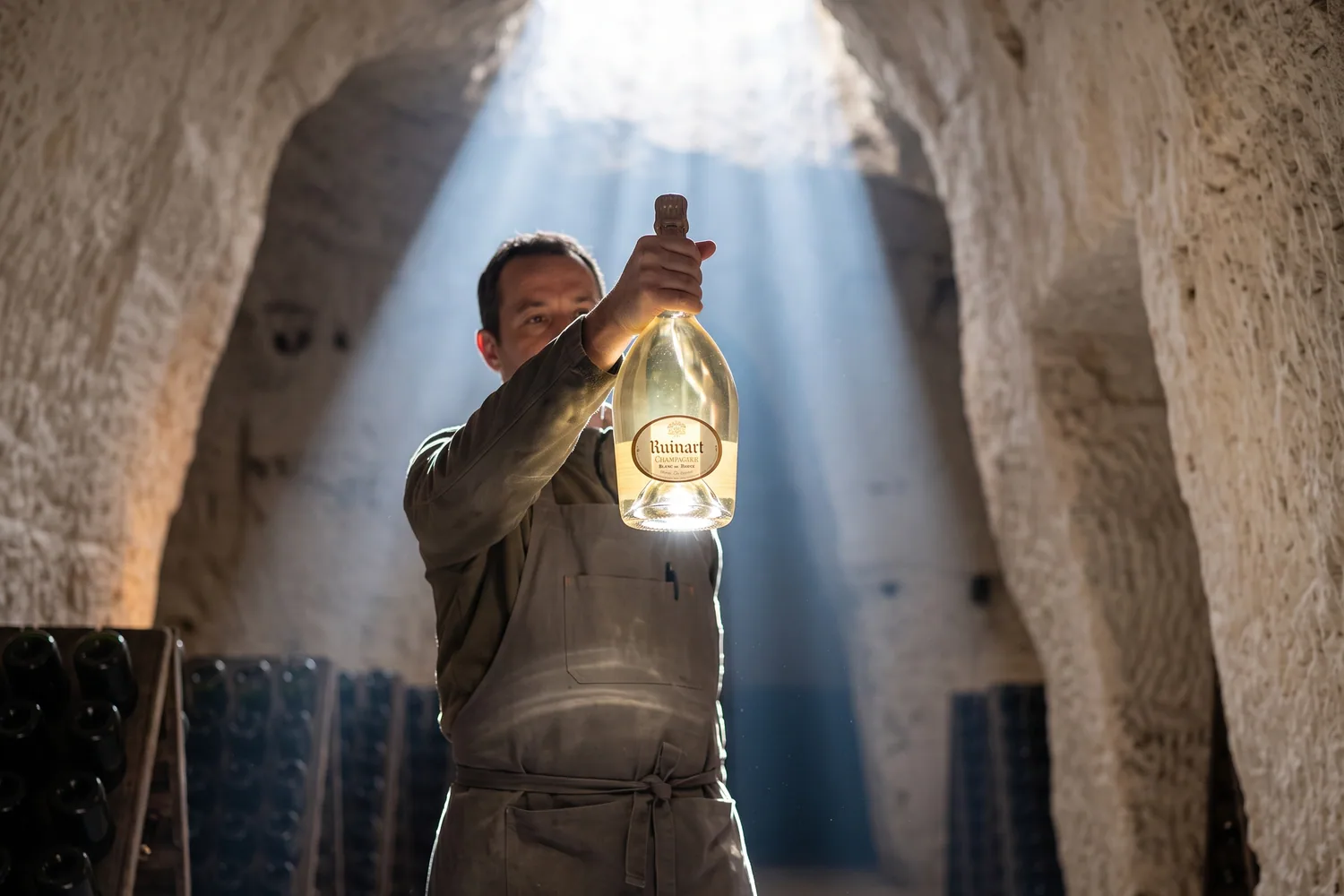
You can recognise Ruinart Blanc de Blancs even before reading the label: this round bottle with full shoulders and a short neck, a design inherited from 18th-century bottles, is unlike any other. It has become the emblem of Ruinart, the oldest Champagne house, founded in Reims in 1729, whose cuvées are aged in Gallo-Roman chalk cellars listed as a UNESCO World Heritage Site. Chardonnay is the soul of the house, and this cuvée is its purest expression. Here’s what’s in the glass, what to pair it with, how much it costs and in what forms you can find it in our cellar.
What’s in the glass
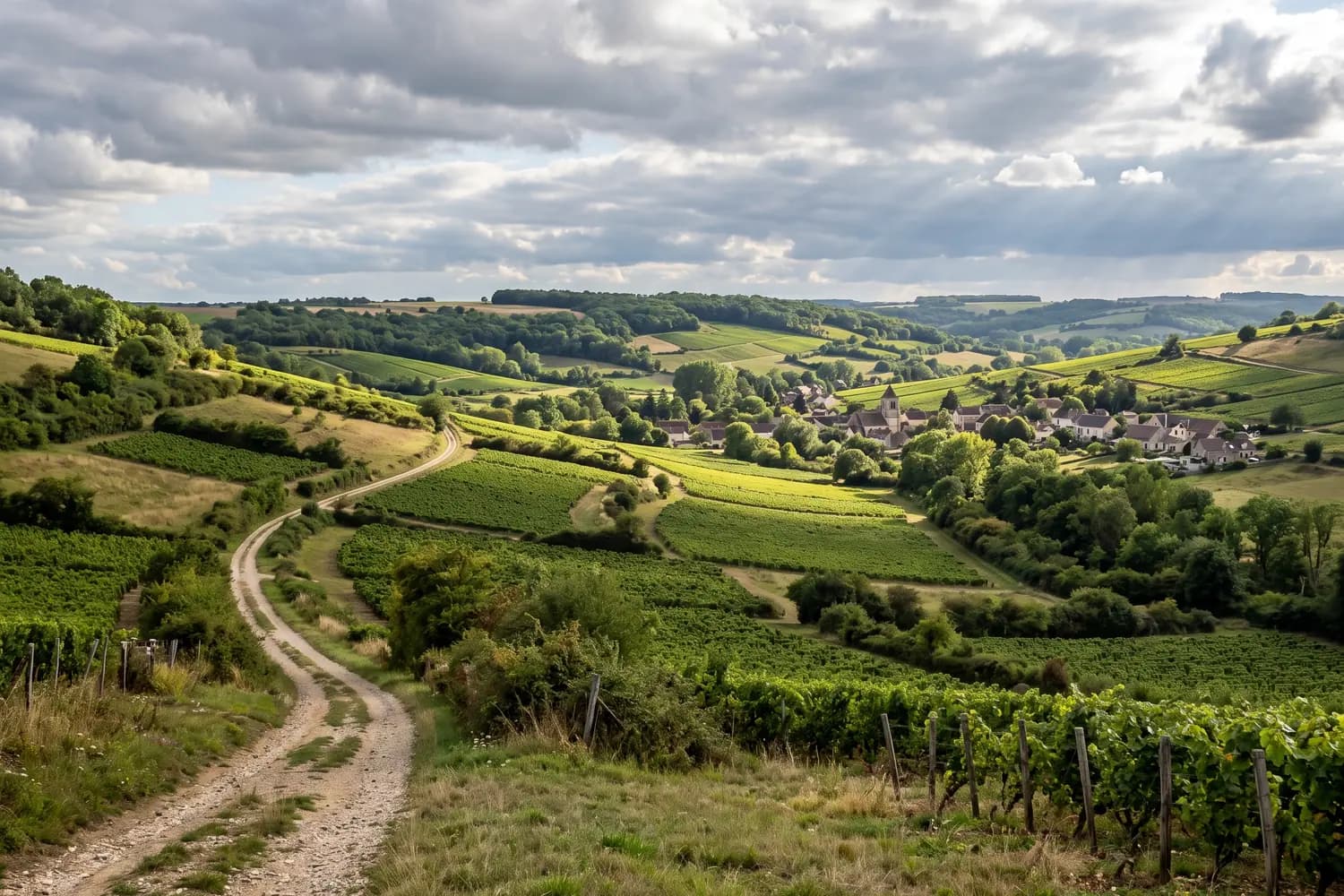
Ruinart Blanc de Blancs is a 100 per cent Chardonnay, non-vintage champagne, blended from around thirty crus from the Côte des Blancs and the Montagne de Reims, with a small addition from the Sézanne region. Pale yellow in colour with almond-green highlights, featuring fine, slender bubbles. On the nose, fresh fruit — ripe lemon, juicy pear, white peach — followed by white flowers and a hint of spice, ginger and pink pepper. On the palate, a lively tension balanced by a creamy roundness, citrus notes, and that chalky, salty finish that is the hallmark of the Ruinart style. A Blanc de Blancs that is more charming than austere: it delights from the very first sip. €90 per bottle.
Where does its style come from?
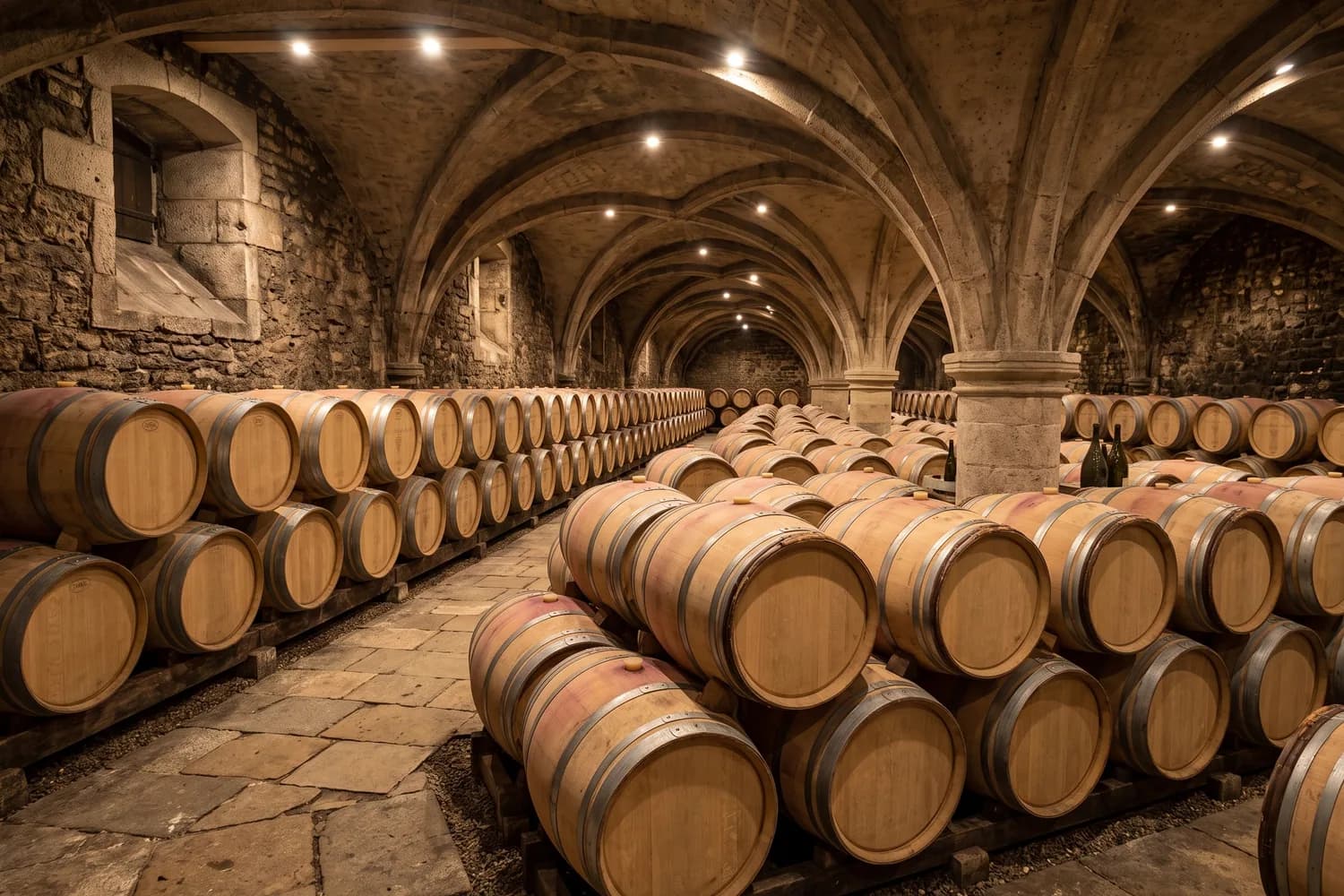
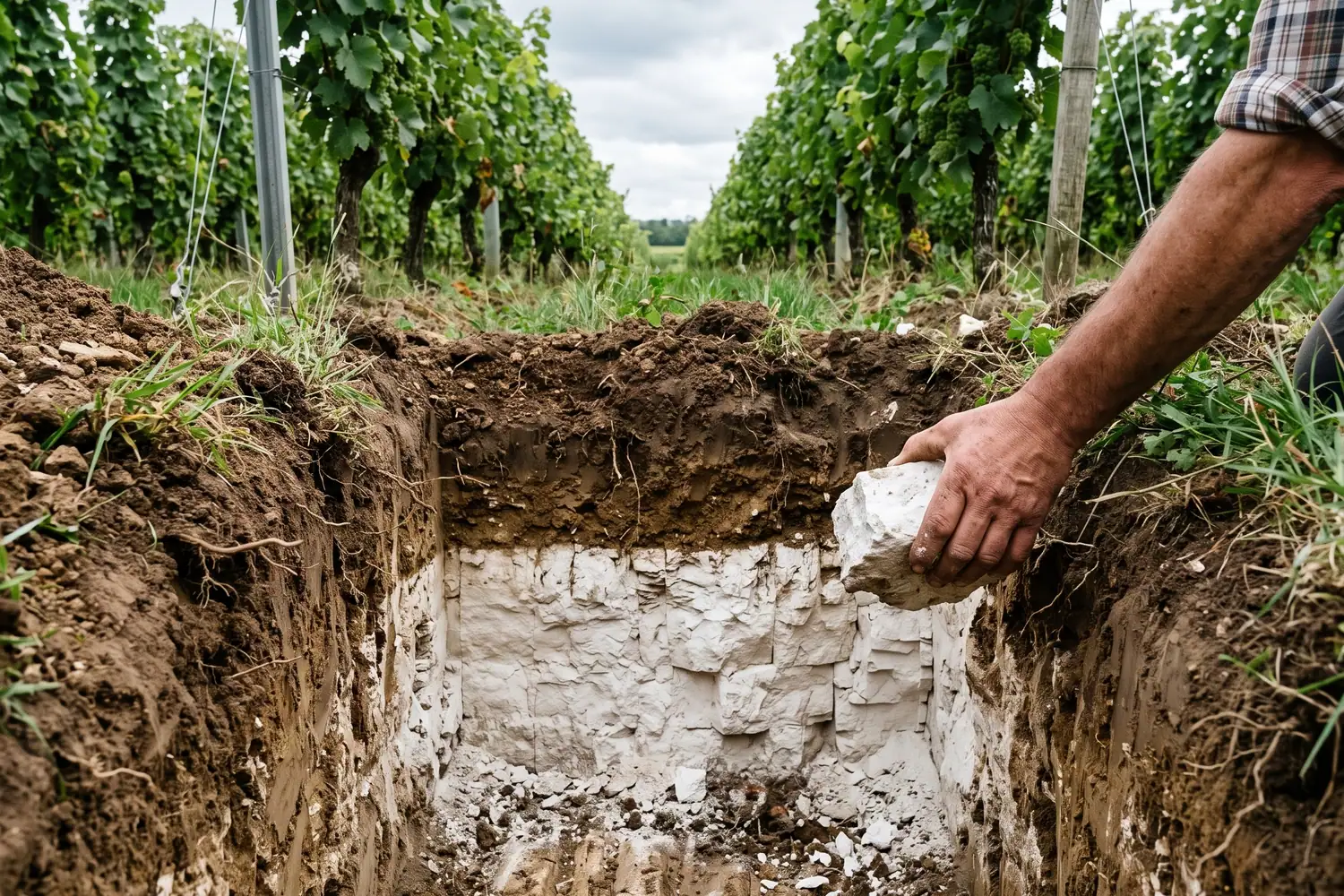
The house owes its existence to a monk: Dom Thierry Ruinart, a learned Benedictine and contemporary of Dom Pérignon, whose nephew Nicolas founded the wine merchant’s business in 1729, a few months after receiving royal authorisation to transport wine in bottles. Chardonnay has become its hallmark, and the crayères — ancient chalk quarries dug beneath Reims during the Gallo-Roman era — its greatest asset: a constant temperature and ideal humidity for long ageing on lees. It is here that the Blanc de Blancs acquires its creamy roundness, which sets it apart from the more austere Blanc de Blancs of the Côte des Blancs.
How to find it
The bottle and the ‘Seconde Peau’ case
The Blanc de Blancs Seconde Peau is the same wine presented in the moulded paper box designed by the house in 2020: nine times lighter than the previous box, recyclable, it protects the bottle from light right up until serving. €92.50, and the gift is already wrapped.
Gift sets and wine crates
Whether as a gift or for your own enjoyment, the house offers its cuvée in a wooden box of two bottles (€199) and a wine cellar case of four bottles (€484). The Blanc de Blancs and Rosé duo (€189) allows you to compare the house’s two styles — our ‘Blanc de Blancs or Rosé: which to choose?’ page settles the matter. Finally, the urban wine cellar case (R de Ruinart, Blanc de Blancs, Rosé), the discovery case andthe complete six-cuvée set offer a comprehensive overview of the house’s range.
Ruinart does produce magnums; however, we do not currently have any in stock.
What to serve it with
A Blanc de Blancs as taut as this calls for iodine-rich flavours and finesse: oysters, langoustines, raw or seared scallops, white fish, sushi and sashimi, and fresh goat’s cheese. It also stands on its own as an aperitif, where its roundness sets it apart from more austere Blanc de Blancs. Our page on what dishes to enjoy with a Ruinart Blanc de Blancs and our article on Blanc de Blancs and seafood provide specific pairing suggestions.
How to serve and store it
Serve it at between 8 and 10 °C, in a white wine glass rather than a narrow flute, to allow the white floral notes and spice to come through. It is designed to be drunk young, within two to three years of purchase, but will keep well for a few more years if stored in a cool, dark place — the ‘Seconde Peau’ case helps with this. Our advice on storing a bottle of Ruinart sets out the rest.
The Blanc de Blancs in the Ruinart range
The R de Ruinart (€59), a non-vintage brut in which Chardonnay is complemented by Pinot Noir, is the house’s entry-level wine; the R de Ruinart 2016 (€89), a vintage wine, is aged for an additional five years on its lees. Ruinart Rosé (€90) combines the freshness of Chardonnay with the red fruit notes of Pinot Noir. At the top of the range are Dom Ruinart — a blanc de blancs produced as a vintage since 1959, the 2010 vintage of which was crowned the world’s best champagne — and the Dom Ruinart Rosé 2009 (€265), with notes of sweet spices, blood orange, violet and a hint of the sea. Our ‘All About Dom Ruinart’ page is dedicated to the brand. To understand where it all comes from, read why Ruinart is the oldest Champagne house.
Ruinart Blanc de Blancs prices: what to expect
| Size | Observed prices (incl. VAT) |
|---|
| Blanc de Blancs, 75 cl bottle | €90 |
| Blanc de Blancs Seconde Peau | €92.50 |
| Blanc de Blancs and Rosé Duo | €189 |
| Wooden gift box, 2 bottles | €199 |
| Blanc de Blancs wine case, 4 bottles | €484 |
| To give you an idea: R de Ruinart / Rosé / Dom Ruinart Rosé 2009 | €59 / €90 / €265 |
Prices recorded in our cellar in September 2026; they vary as the house releases new vintages. The Blanc de Blancs ranks amongst the finest non-vintage bruts from the great houses: you’re paying for a pure Chardonnay, a signature bottle and a rare consistency.
For whom, for when
- A sure-fire gift: the ‘Seconde Peau’ bottle, or the wooden box set of two.
- A seafood platter: the bottle, served chilled.
- An elegant aperitif: this is where it really comes into its own.
- A cellar to build: the four-bottle cellar case, or the ‘Discovery’ set to sample the full range.
To compare with other houses, browse our Blanc de Blancs champagnes. All available cuvées are listed on the Ruinart page.