At Taittinger, it all starts with Chardonnay. Whilst most of the major houses in Reims base their brut champagnes on Pinot Noir, the house on Place Saint-Nicaise has made this white grape variety its hallmark — a light, floral, citrusy style that ranges from the Brut Réserve to the Comtes de Champagne, its prestigious blanc de blancs. This guide reviews the range, cuvée by cuvée, detailing what’s in the glass, the prices found in our cellar and the occasions they’re best suited to.
Taittinger, the house of Chardonnay
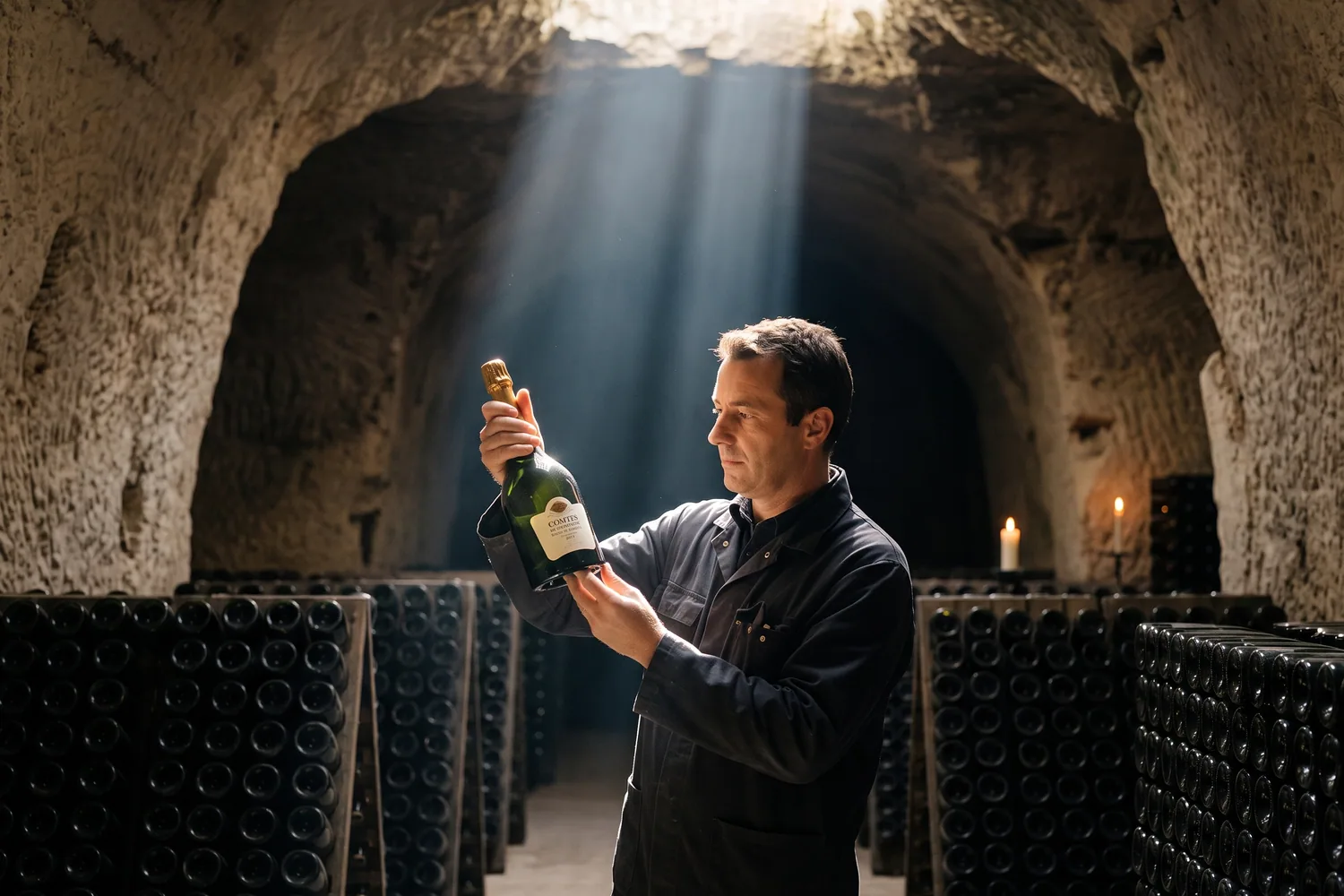
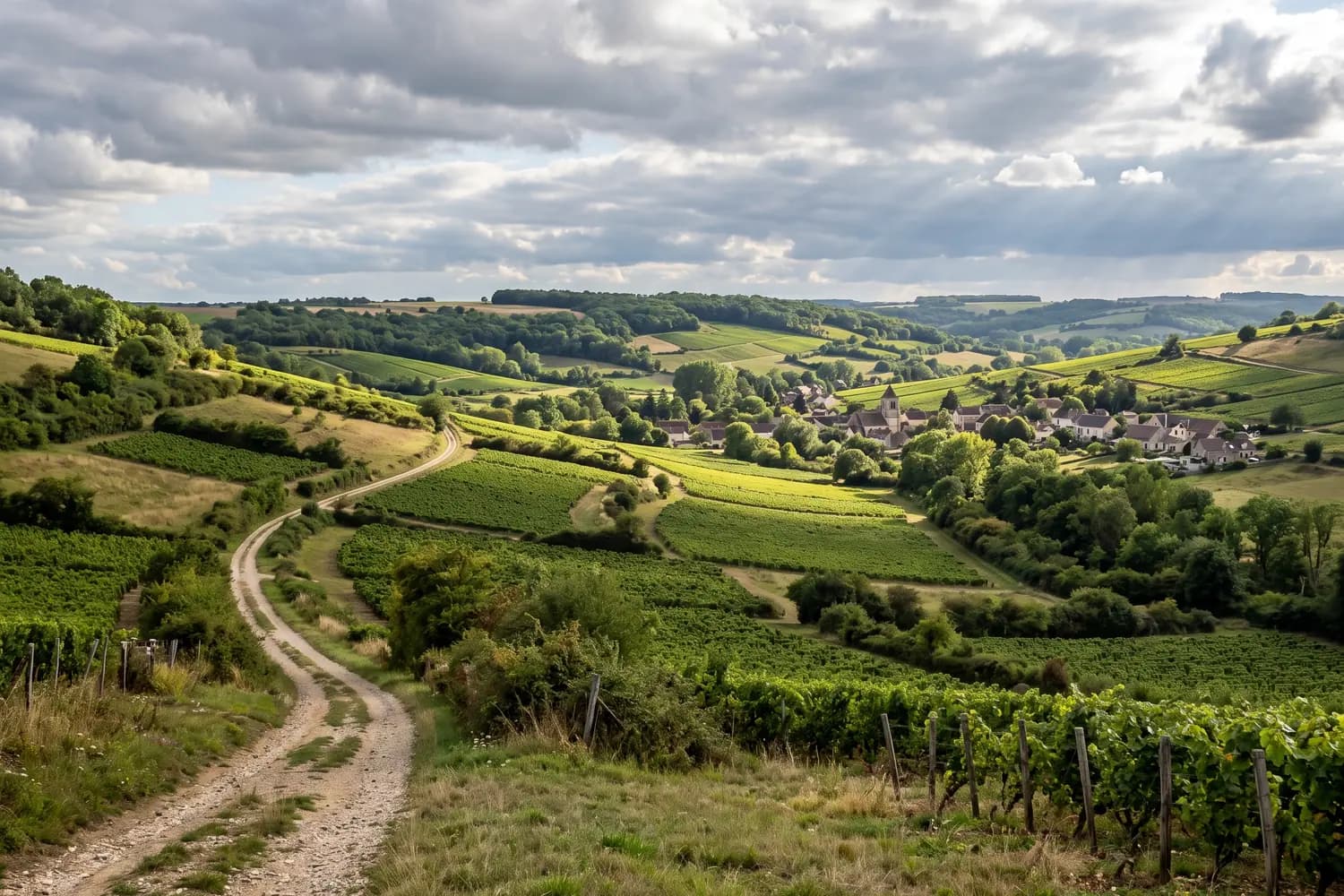
The house was founded in 1734 in Reims under the name Forest-Fourneaux; Pierre Taittinger bought it in 1932 and named it after himself. It moved into the Gallo-Roman chalk cellars of the former Saint-Nicaise Abbey, where the bottles rest 18 metres underground, and acquired the Château de la Marquetterie in Pierry, near Épernay. Sold in 2005, the house was bought back in 2006 by the family — Pierre-Emmanuel, then his daughter Vitalie Taittinger, who has been chair since 2020 — and remains one of the few major independent houses. With nearly 289 hectares of its own vineyards in the Côte des Blancs and the Montagne de Reims, it controls an exceptional proportion of its own grapes, which explains the consistent quality of its brut champagnes.
The range at a glance
| Cuvée | Style | Price | For |
|---|
| Brut Réserve (Brut Prestige) | Non-vintage Brut, predominantly Chardonnay | €44.90 · magnum €98.90 · jeroboam €279 | Aperitifs, receptions |
| Prestige Rosé | Blended rosé, 15% red wine | €56.85 | Aperitif, red berries, gift |
| Prélude Grands Crus | Blend of grands crus, aged for 5 years in the cellar | €59.95 | Festive aperitif, fish |
| Les Folies de la Marquetterie | Estate cuvée, partially aged in oak | €68.85 | Dining, poultry, fine dining |
| Comtes de Champagne Blanc de Blancs 2014 | Prestige, 100% Grand Cru Chardonnay | €189.80 | Special occasions, for ageing |
| Comtes de Champagne Rosé 2012 | Prestige rosé, predominantly Pinot Noir | €280 | An exceptional gift |
Brut Réserve, also known as Brut Prestige: the freshest brut from Reims
The Brut Réserve blends around fifty crus with an unusually high proportion of Chardonnay for a non-vintage brut — hence its pale colour, notes of white flowers, candied lemon and that brioche-like touch resulting from extended ageing in the cellar. ‘Brut Prestige’ is not a separate cuvée: it is the Brut Réserve in its gift box, the version we sell (€44.90). For a reception, opt for the larger sizes: the magnum (€98.90) and the jeroboam in a wooden box (€279) are in stock, and champagne ages better in these formats — as we explain in our guide to magnum bottles of champagne. The 75 cl bottle is currently out of stock at the time of writing; Prélude takes its place without any change in style.
Prestige Rosé: the blended rosé
The Prestige Rosé (€56.85) is a blended rosé: to the three Champagne grape varieties, the house adds 15 per cent still red wines from the Montagne de Reims and Les Riceys, giving it its intense salmon colour and a nose of wild strawberry, raspberry and rose. Lively on the palate, then round, it finishes with a briny note and a distinct hint of cherry. It is the perfect champagne to accompany a red-fruit dessert and a gift that appeals to everyone; our other rosés can be found in the ‘rosé’ category.
Prélude Grands Crus: the middle ground
Prélude (€59.95) is an exclusive blend of grands crus, half Chardonnay from the Côte des Blancs (Avize, Le Mesnil-sur-Oger), and half Pinot Noir from the Montagne de Reims, crafted from cuvée wines — the first juice from the press, the finest — and aged for five years in the cellar. It embodies the Taittinger style with greater depth: white flowers, citrus, buttery brioche, a chalky minerality and a finish of dried fruit. This is the Taittinger we recommend when the Brut Réserve is no longer enough and the Comtes is beyond your budget.
Les Folies de la Marquetterie: the estate cuvée
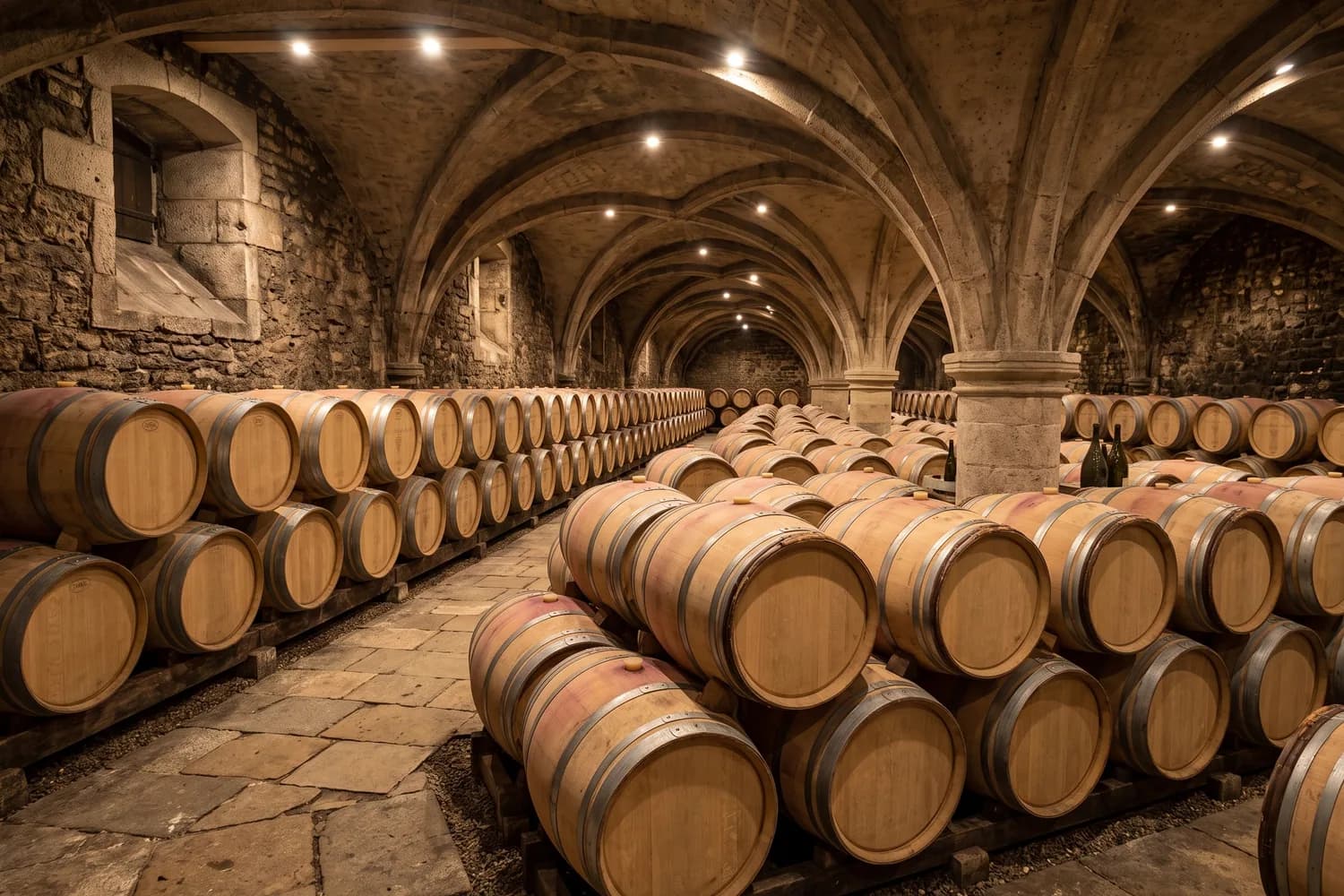
Les Folies de la Marquetterie (€68.85) is the house’s first ‘estate’ champagne: the grapes come exclusively from the plots at the Château de la Marquetterie in Pierry, where the philosophers of the Age of Enlightenment used to come to celebrate. Predominantly Pinot Noir, with partial ageing in oak casks, this cuvée takes on a different character — white peach, candied apricot, brioche, a hint of vanilla — and becomes a champagne for the table, perfect with roast poultry or fish in sauce. The antithesis of a blanc de blancs, from the house of Chardonnay.
Comtes de Champagne: the prestige Blanc de Blancs
The Comtes de Champagne Blanc de Blancs 2014 (€189.80, gift box with booklet) is one of Champagne’s most significant cuvées. Created with the 1952 vintage and named in memory of Thibaud IV, Count of Champagne, it is produced only in great vintages and exclusively from Chardonnay grapes from the five Grand Cru villages of the Côte des Blancs: Avize, Chouilly, Cramant, Le Mesnil-sur-Oger and Oger. A small proportion of the wine is aged in oak barrels, and the whole batch rests for around ten years in the chalk cellars of Saint-Nicaise before release. The 2014 vintage, a cool year, produces a taut and precise Comtes — candied citrus, white flowers, damp chalk, a hint of brioche — silky on the palate, ready to drink and capable of ageing for a further fifteen years. Compared with its rivals, it is the most accessible: Dom Pérignon 2015 is priced at €239.90 (see our Dom Pérignon guide), whilst Salon Le Mesnil and Dom Ruinart are significantly more expensive; the non-vintage Ruinart Blanc de Blancs is in a league of its own. Our article on the legendary vintages of Comtes de Champagne looks back at the great years, and the Comtes de Champagne flute was designed specifically for it.
Comtes de Champagne Rosé 2012: the exception
The Comtes de Champagne Rosé 2012 (€280) turns the formula on its head: predominantly Pinot Noir, part of which is vinified as red wine in Bouzy, complemented by Chardonnay, and the same long ageing in chalk cellars. The colour is intense, coppery and ruby; the nose blends wild strawberries, wild raspberries, blood orange and chalk, with a hint of menthol. 2012 is one of the great Pinot Noir vintages of the decade: this is a champagne for fine dining — lamb, duck, mature cheeses — and a gift to mark a special occasion. The 2009 and 2011 vintages are sold out here.
Which Taittinger cuvée for which occasion?
Aperitif with friends: Brut Réserve, or Prélude if you want to treat your guests. Wedding, reception: Brut Prestige in a magnum or jeroboam; the large bottle makes for a grand serving. Oysters, seafood: Prélude or Comtes de Champagne – blancs de blancs and oysters are a match made in heaven. Meals: Les Folies de la Marquetterie for poultry and white meats, Comtes Rosé for red meats. Gift: Prestige Rosé in a gift box to keep it under €60; Comtes de Champagne 2014 to mark the occasion — it features in our Christmas champagnes. Cellar: Comtes de Champagne, ten to twenty years without losing its quality; the other cuvées are best enjoyed within two to three years.
Serving and storage
Serve the Brut Réserve, Prestige Rosé and Prélude at 8 °C, in a flute or tulip-shaped glass. Les Folies de la Marquetterie and the Comtes de Champagne are best served slightly less chilled, at 10 °C, in a white wine glass that allows the ageing aromas to breathe. The 2014 Comtes can be opened an hour beforehand, just like a fine wine; store all bottles lying down, away from light, at between 10 and 12 °C. All our Blanc de Blancs and vintage champagnes can be found in the catalogue.