
Victim of its own Success
Piper-Heidsieck Vintage 2014 (EN)
Price:€60.00
🥂 It's time to treat yourself ! 40 discount for purchases of €500 or more, and €100 for purchases of €1,000 or more (excluding shipping costs).

 Cart (0) Cart (0)
Our concept of Nuggets in Champagne offers you a selection of the best vintages of Champagne: our nuggets!
Discover in this category, our favorites and recommendations of Champagnes from winemakers and Champagne Houses.
This expression is used for champagnes and determines the types of grape varieties used in blending. Blanc de blancs means that the champagne has been made exclusively from the white grape variety, chardonnay, the only one authorized in champagne
Blanc de blancs are mainly produced in the Côte des Blancs, south of Epernay, over a distance of about 20 kilometers, notably in the communes of Cramant, Le Mesnil-sur-Oger, Avize and Oger, which are renowned for the quality of their limestone terroir.
This is by far the most widespread method because it allows to have identical color and density from one vintage to another. It consists in blending a clear white wine (before the foam) with 5 to 20% of red wine from Champagne, vinified to be non-tannic.
Discover in this category, our favorites and recommendations of Champagnes of wine growers and Champagne Houses in terms of Champagne Rosé.
Organic champagne ensures ecological respect from the vine to the wine-making process.
Here is a selection of the best organic champagnes for the aperitif,
your meals with friends or the end of year celebrations with advice to accompany your dishes.
Our concept of Nuggets in Champagne offers you a selection of the best vintages of Champagne: our nuggets!
Discover in this category, our favorites and recommendations of Champagnes from winemakers and Champagne Houses.
Rosé de Saignée : this is the method that consists of leaving the must to macerate briefly (a few hours) with the skin of the grapes. It is the natural pigments contained in the skin of the black grapes that color the juice.
Discover in this category, our favorite Champagnes and recommendations of winemakers and Champagne Houses in terms of Champagne rosé maceration.
The champagnes use this denomination for the wines resulting exclusively from the vines pinot noir or pinot meunier or both in assembly. They are characterized by the strength of the first and/or the fruitiness of the second.
Discover in this category, our favorites and recommendations of Champagnes from winemakers and Champagne Houses in terms of Champagne Blanc de Noirs.
There are 382 products.
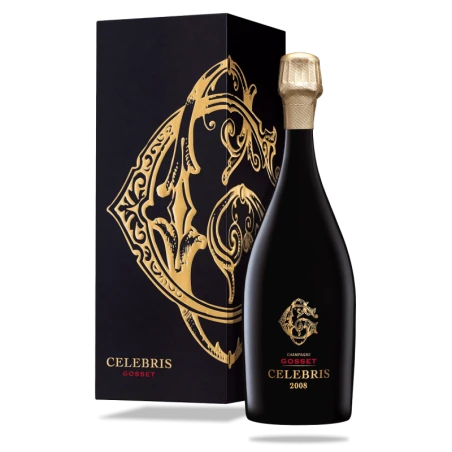


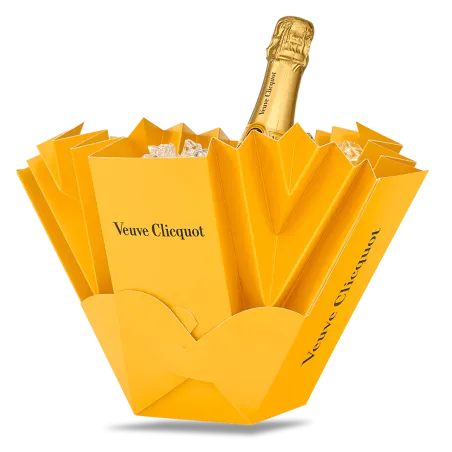


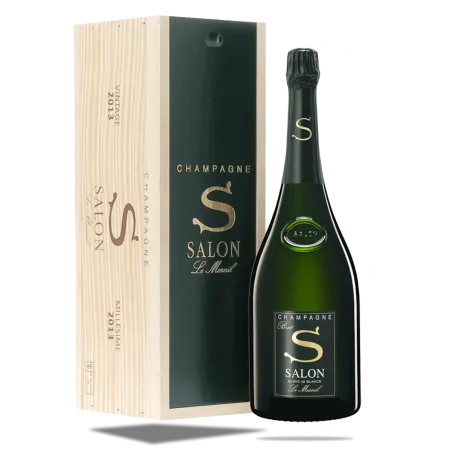


Buying Champagne, the sparkling wine produced exclusively in the Champagne region of France, is a quest for excellence that invites the discovery of varieties such as Pinot Noir, Chardonnay and Pinot Meunier. Its unique production involves two fermentations, the second of which in the bottle creates the carbon dioxide responsible for champagne's characteristic bubbles, ideally served between 7 and 12°C to preserve its subtle aromas. This guide provides an overview of the techniques and invaluable advice, whether you're a beginner or a connoisseur, for choosing and enjoying champagne, clarifying the complex process behind this prestigious beverage and the wealth of different varieties available.
The Champagne region, renowned for its indelible contribution to the history of winemaking, saw its first vineyards established as early as the Gallo-Roman era in the 1st century. These vineyards were initially cultivated on ecclesiastical estates, marking the beginning of an era of rigorous winemaking and refined cultural practices. Over the centuries, the region's strategic location on important trade routes reinforced its role in wine production, particularly with the decline of vineyards in the Paris region.
In the 17th century, the introduction of the cork stopper and the use of thicker bottles enabled better conservation of the wines and favored the effervescence that characterizes champagne today. This period also saw the emergence of the aristocracy's preference for lightly sparkling wines, consolidating champagne's image as a luxury product. Between the 18th and 19th centuries, the region witnessed numerous innovations that gradually shaped champagne production, culminating in the modern méthode champenoise.
Since the late 19th century, the people of Champagne have taken significant steps to protect their heritage and guarantee the exclusivity of the Champagne appellation, an effort that continues to bear fruit today. The sector also adopted sustainable development practices as early as 1982, affirming its commitment to the environment. In recognition of its historical and cultural importance, the Champagne region was designated a UNESCO World Heritage Site in 2015.
These historical elements are not just facts; they are testimony to the richness and continuing evolution of the Champagne region in the field of viticulture.
The great Champagne houses, with their prestigious heritage and invaluable contribution to the champagne industry, stand out for their excellence and innovation. Among the most famous, Moët & Chandon, founded in 1743, stands as the largest house with 1,600 hectares of vineyards. It is renowned for the production of Cuvée Dom Pérignon, a symbol of luxury and refinement.
Veuve Clicquotestablished in 1772, is admired for its commitment to sustainable viticulture and is famous for its distinctive yellow label and the invention of rosé champagne. This house is operated by LVMH, which began selling champagne as early as 1735, and is renowned for its white and rosé champagnes.
Lanson, founded in 1760 and emblematic of Lanson BCC, adopts a unique method by avoiding malolactic fermentation, which preserves the freshness and acidity of its champagnes. It uses mainly Chardonnay and is famous for its Cuvée Comtes de Champagne.
Gossetcuvée Comtes de Champagne, the oldest Champagne house founded in 1584, and Bollinger, which has focused on Pinot Noir since its foundation in 1829, each have Grand Cru vineyards and are renowned for their traditional approach to winemaking.
Each house, with its unique history and distinctive methods, contributes to the richness and diversity of the Champagne world, offering connoisseurs an unrivalled palette of flavours and experiences.
The unique champagne-making process is a symphony of precision and meticulous attention, spanning several crucial stages to ensure the quality and finesse of each bottle. Here are the main steps involved in creating this exquisite beverage.
Champagne Rosé can be produced by two distinct methods: rosé de saignée, where the skins of black grapes macerate with the must for a short period, or rosé d'assemblage, the more common technique of blending still red wine with champagne white wine.
This rigorous process ensures that each flute of champagne offers a rich and memorable taste experience, reflecting the commitment of Champagne winemakers to perpetuating a tradition of excellence.
Champagne, with its varied nuances and styles, offers a palette of tastes that can vary greatly depending on the type, grape variety and dosage used. Here's an overview of the main types of champagne and their distinctive characteristics:
By understanding these various types and characteristics, champagne lovers can better appreciate the complexity and richness of this iconic sparkling wine.
To ensure an optimal experience when tasting champagne, it's essential to follow precise serving and sensory analysis steps. Here's a detailed guide to serving and enjoying champagne, focusing on temperature, glass type and tasting techniques.
- Use a tulip-shaped glass, recommended for its effectiveness in preserving the development of bubbles and the expression of aromas. Verres Absolu 18.5cl and 30cl are particularly recommended for their elegant, functional design.
By following these recommendations, every champagne lover can transform a simple tasting into a rich and memorable experience, revealing all the complexity and elegance of this prestigious wine.
The art of pairing champagne with food is a refined practice that magnifies both dishes and wines. Here's a step-by-step guide to choosing the ideal champagne for each dish.
Champagne is also a popular gift for a variety of occasions, such as parties, weddings, anniversaries and milestones. By choosing the right champagne for the right dish, guests can enjoy a rewarding and memorable culinary experience.
When buying champagne, it's vital to understand the labels and know the producer. Labels must include mandatory information such as the appellation "Champagne", the name of the producer, the type of sugar (brut, extra-brut, etc.), and other essential details. Producer categories vary:
Champagne prices are influenced by several factors, including the cost of grapes, brand reputation and marketing efforts. Production costs include the price of grapes, labor and packaging, while marketing and branding costs can also play a significant role.
Each type of champagne offers a unique taste experience, influenced by the grape variety used:
The quality of a good champagne can be identified by its fine bubbles, a good balance between acidity and sugar, and a fresh, delicate mouthfeel.
When it comes to buying champagne, independent wine boutiques such as Pépites en Champagne often offer cuvées from récoltants-manipulants at prices in line with estate prices. Internet sales can help you find these wines at prices lower than those on the estate.
At the end of this in-depth examination, it's clear that the art of buying and appreciating champagne is rooted in a rich and varied knowledge, encompassing the history, manufacture and tasting of this prestigious wine. The meticulous selection of each bottle, whether destined for an exceptional moment or to enhance a specific dish, is based on an understanding of the different cuvées, grape varieties and manufacturing processes that testify to champagne's singularity and excellence. This exploration not only revealed the subtleties hidden behind each glass of champagne, but also underlined the importance of choosing carefully to maximize the taste experience.
In the end, whether you're a beginner or an expert, discovering champagne is an incomparable sensory journey, punctuated by snapshots of terroirs, histories and innovations that together shape the identity of this exceptional beverage. The invitation to further curiosity and learning, to experiment with food and champagne pairings, and to engage in informed bottle selection is essential to enriching our appreciation. Above all, champagne culture teaches us to celebrate moments, big and small, with panache and a flute in hand, reminding us that every bubble carries with it a history, a heritage, and a promise of joy.
What type of champagne is recommended for a connoisseur?
For a connoisseur, consider an exceptional cuvée, a champagne de vigneron for those seeking authenticity, or a champagne blanc de blancs if finesse is preferred. It's crucial to consider the taste preferences of the champagne lover in question.
How much do you have to spend on quality champagne?
The cost of a bottle of champagne can vary widely, depending on factors such as brand, year of production and uniqueness. In general, the average price for a good-quality Brut Champagne is between 20 and 30 euros.
How do you identify top-quality champagne?
The main indicator of a champagne's quality is its bubbles. The fineness of the bubbles is an essential criterion: finer bubbles generally indicate better quality, as there are more of them for the same amount of carbon dioxide.
What are the tips for choosing the right champagne?
If you're looking for a round, gourmet champagne, opt for a Pinot Meunier-dominant champagne. For a powerful, well-structured champagne with character, choose a Pinot Noir. Finally, for a fresh, elegant and voluptuous champagne, a Chardonnay-dominant champagne is ideal.
check_circle
check_circle


